Understanding bike tire sizes is one of the most important steps for safe and enjoyable cycling. The right tires affect speed, comfort, grip, and even how easy it is to control the bike.
Many riders ask: how to read bike tire size? or what does 700c mean for a bike? This guide gives bike tire sizes explained in simple terms, using examples and charts to make the process clear for beginners.
What Are Bike Tire Sizes?
Bike tire sizes are shown as two numbers written together, usually diameter × width. For example, a tire marked 26x2.1 means the wheel has a 26-inch diameter and the tire itself is 2.1 inches wide.
These numbers are more than just labels; they decide how the bike feels on the road or trail. Narrow tires roll quickly and are common in road bike tire sizes, but they offer less grip. Wider tires provide better stability and comfort, which is why you often see them in mountain bike tire sizes and ENGWE electric bikes that use fat tires for control.
Because tire sizing isn’t always consistent across brands, it’s important to confirm fit using a bike wheel diameter chart, a bike tire size chart, or even a bicycle tire size chart before buying replacements. Correct bike tire measurements make sure the new tire matches your rim and riding style.

How to Read Bike Tire Size
Every tire has its size printed on the sidewall, and learning to read it saves a lot of confusion. The format usually looks like two numbers separated by a symbol.
- Example: 700x25c → “700c” is the wheel size, and “25” is the tire width in millimeters.
- What does 700c mean for a bike? It refers to a wheel diameter of about 622mm, which is standard for most road bike tire sizes and many commuter bikes.
- For mountain and hybrid bikes, you’ll usually see numbers like 26, 27.5, or 29 inches, written together with width.
Knowing how to read bike tire size ensures you buy the correct replacement without trial and error. A quick check against a bike tire size chart or bike wheel diameter chart makes the process even easier.
How to Measure Bike Tire Size
Sometimes the numbers on the tire sidewall fade or are hard to read. In that case, you can measure the tire yourself with a simple tape measure.
- Diameter – Place the tape measure across the tire, making sure it passes through the center hub. This gives you the wheel’s overall size.
- Width – Measure across the top of the tread from one side to the other. This tells you how wide the tire is.
-
Confirm – Compare your results with a bike tire size chart or bike tire size table to find the closest standard size.
When people ask how do you measure bike tires size, how to measure bike tire size, or how to measure size of bike tire, the process is the same: measure diameter and width, then cross-check with a bicycle tire size chart to make sure the fit is correct.
Bike Tire Size Charts & Tables
A bicycle tire size chart is one of the easiest tools for finding the correct replacement. It shows common tire ranges for each bike type so you don’t have to guess.
|
Type of Bike |
Common Tire Sizes |
Notes on Fit and Use |
|
Road Bikes |
700x23c – 700x32c |
Slim tires built for speed, best on smooth pavement. |
|
Mountain Bikes |
26x2.0 – 29x2.6+ |
Wider tread for grip, works on trails and rough ground. |
|
Hybrid/City Bikes |
700x28c – 700x40c |
Middle ground of comfort and pace, good for commuting. |
|
Kids’ Bikes |
12” – 24” |
Sized by wheel diameter; check inseam for safety. |
|
Ebikes |
20x4.0, 26x4.0 |
Fat tires improve traction and control on heavier bikes. |
Whenever you shop for replacements, use a bike size chart tires or a bike tire size table like this. It also helps to double-check with a bike wheel diameter chart to make sure the new tire matches your rim. Along with a bike tire size table, some riders prefer using a bike size chart tires for quick comparisons before ordering
Road Bike Tire Sizes
Most road bike tire sizes are based on the wheel size bike 700c, which equals a 622 mm rim diameter. Widths normally range from 23 mm to 32 mm. Most modern designs use a wheel size bike 700c setup, which has become the standard for racing and commuting bikes.
- Narrow tires like 23 mm or 25 mm roll quickly and are chosen for racing, but they feel stiffer on uneven streets.
- Wider tires such as 28 mm or 32 mm are more common in endurance setups, giving smoother rides and better grip.
-
Before changing, always match your new tires against a bike tire size chart or bicycle tire size chart to ensure they fit your frame and rims correctly.

Mountain Bike Tire Sizes
Mountain bike tire sizes are usually listed by wheel diameter: 26-inch, 27.5-inch, and 29-inch. Widths are wider than road tires, normally 2.0 to 2.6 inches, though fat tires can go above 3 inches for maximum grip.
- 26-inch tires feel quick and agile, good for riders who want more control on tight trails.
- 27.5-inch tires strike a middle ground, offering speed with smoother handling over bumps.
-
29-inch tires roll easily over rocks, roots, and rough ground, making them ideal for long-distance off-road rides.
For younger riders, a kids mountain bike size chart usually lists 20-inch or 24-inch tires, depending on height and inseam. This ensures safe control and comfort before moving into full-size MTB wheels.
Would you like me to also create a bike tire size table specifically comparing MTB tire diameters and widths for both adults and kids?
Ebike Tire Sizes
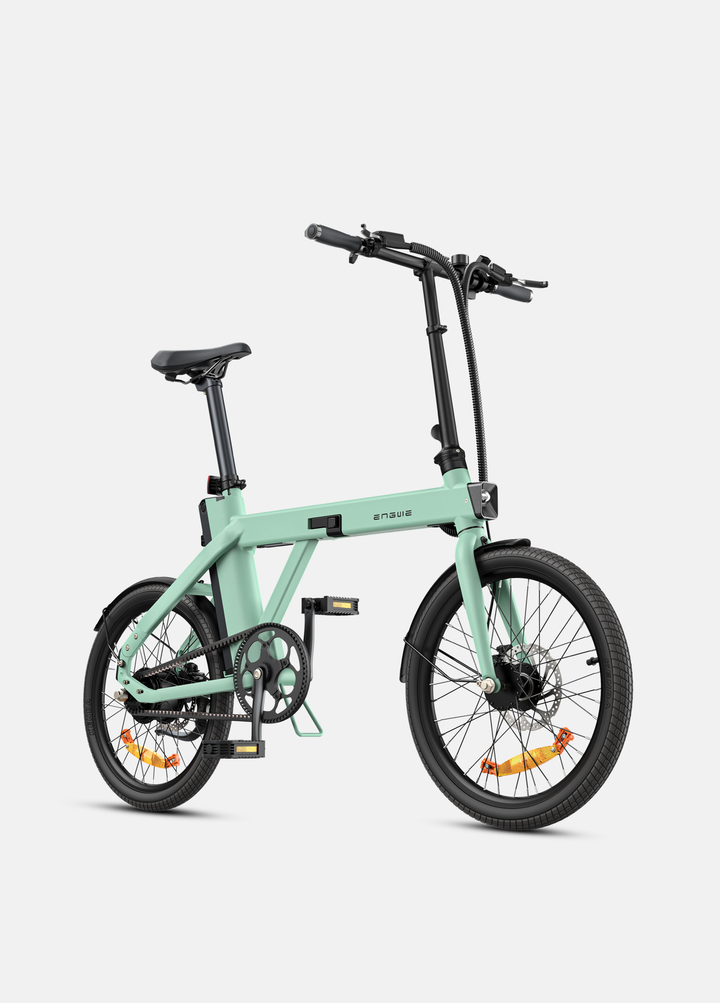
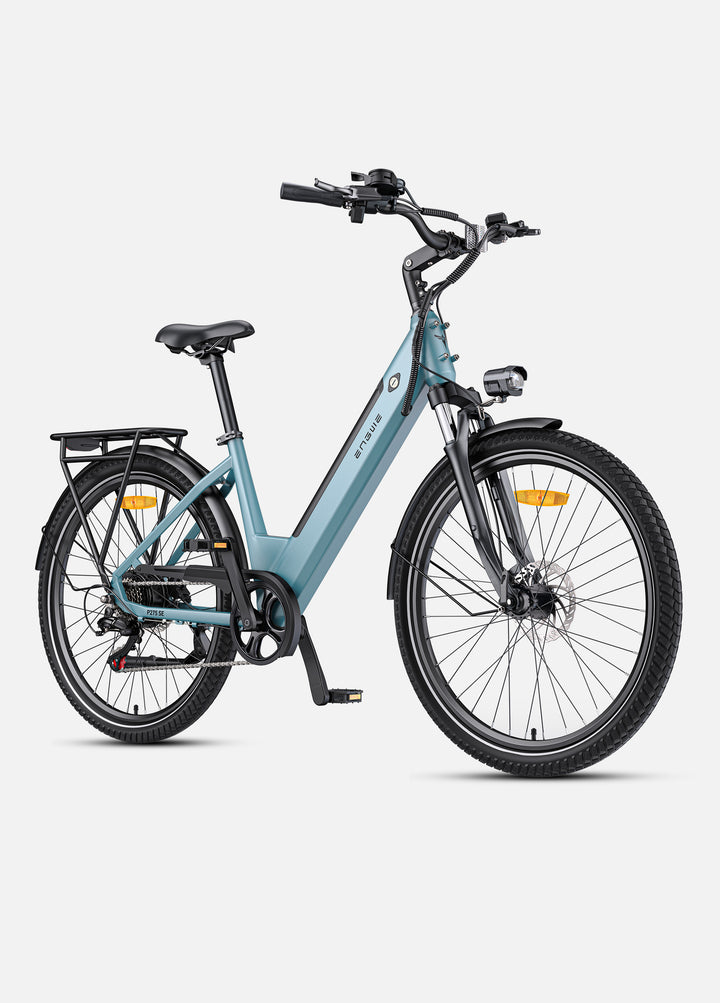
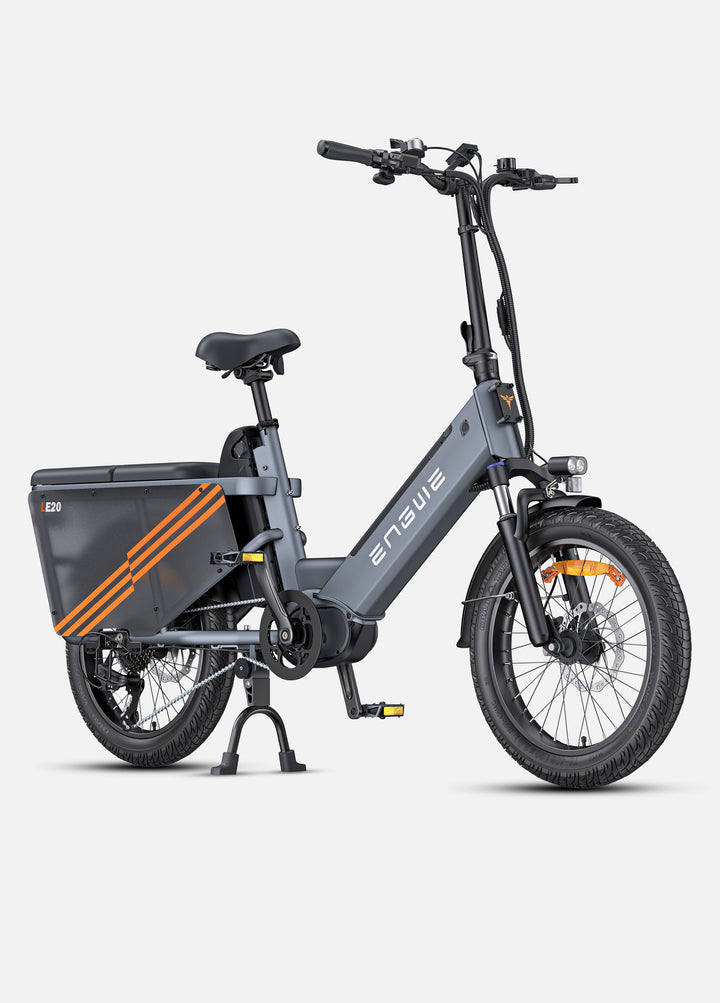
Electric bikes weigh more than standard bicycles because of the motor and battery. This extra load means their tires need to be wider and stronger. Many ENGWE electric bike models use fat tires that add grip, comfort, and stability on city roads, trails, and rougher paths.
ENGWE Engine Pro 2.0 – This folding bike comes with 20×4.0-inch fat tires. They add stability on both paved streets and light trails, while the folding frame makes it easy to carry and store.

ENGWE P275 ST – A city-focused model fitted with 27.5×2.4-inch reflective tires. The anti-puncture layer helps with daily commuting, offering comfort without slowing the bike down.

ENGWE L20 3.0 Pro – Designed with 20×3.0-inch hybrid tires. Slimmer than standard fat tires, they roll faster but still hold enough grip for city use and short off-road paths.

ENGWE E26 – Built with 26×4.0-inch trekking tires. These wide tires give extra cushioning and control on longer rides, making them reliable for mixed terrain.

To be sure of the right fit, check the brand’s size guide or compare with a bike tire size chart or bike wheel diameter chart. Matching tire size to height, inseam, and riding style makes every engwe electric bike safer and more comfortable.
Some ENGWE electric dirt bikes also use fat tires for grip on sand and trails, making correct tire sizing even more important for safety and control.
Matching Tires to Bike & Rider Needs
Each type of bike uses a different tire setup, and picking the right one makes a big difference in comfort and performance.
- Road bikes – Usually run 700c slim tires. These are light and fast, built for speed and daily commuting on smooth pavement.
- Mountain bikes – Use 26, 27.5, or 29-inch wide tires. The extra width adds grip and stability for rough trails, rocks, and dirt paths.
- Hybrid bikes – Sit in between, with medium-width tires. They roll well on city streets but still have enough traction for light gravel or park rides.
- Ebike tires – Often fat and reinforced. Their design supports the extra weight of the motor and battery, offering durability and control on varied terrain.
If you’re thinking about switching tire types or upgrading, a bike wheel diameter chart helps you compare options and find sizes that match your rims.
Final Thoughts
Every rider depends on the right bike tire size for safety and comfort. Slim 700c road bike tires roll fast on smooth streets, while wide mountain bike tire sizes give strong grip over rocks and dirt. Hybrid tires provide a middle option, combining decent speed with steady control on mixed paths.
Before you buy replacements, compare your measurements with a bike tire size chart or bike wheel diameter chart to be sure they fit your wheels. Picking the correct size avoids strain, improves handling, and makes daily rides smoother and easier.
Frequently Asked Questions
How do I know what size bike tire I need?
You can know what size bike tire you need by checking the numbers on the tire sidewall or comparing your wheel with a bicycle tire size chart.
What does 700c mean for a bike?
The term 700c for a bike means a wheel diameter of 622 mm, most common on road bike tire sizes and some hybrids.
How to Measure Bike Tire Size
Accurate bike tire measurements help confirm diameter and width before checking them against a bicycle tire size chart.
Are mountain bike tire sizes the same as road bikes?
No, mountain bike tire sizes are different. Road bikes use 700c slim tires, while mountain bikes use 26, 27.5, or 29-inch wide tires for grip.