A child’s first bike is more than a toy, it’s their first taste of freedom on wheels. But that freedom only feels safe with the right size. A bike that’s too large can cause falls, while one that’s too small makes riding uncomfortable.
That’s why many parents rely on a bike size chart childrens when choosing. Using height and inseam instead of just age gives a much better fit. This guide explains how to use a children’s bike size chart, plus when to switch to a bike frame size chart as kids grow
Why Correct Sizing Matters for Kids
The right bike size makes riding safe, comfortable, and enjoyable for children. A bike that is too small forces the knees up high and makes pedaling tiring. A bike that is too large stretches the body too far forward and makes it harder to stop or turn quickly.
This is why parents often ask questions like what size push bike do I need? or what size bike is best for an 8 year old? The safest answer always comes from checking height and inseam, then matching those numbers with a trusted size chart for childrens bike.

Push Bikes & Balance Bikes (First Rides)
For toddlers, the safest way to start cycling is with a push bike, also called a balance bike. These bikes help children learn balance and steering without the distraction of pedals. They are light, simple, and easy to handle.
- Wheel size: usually 10–12 inches
- Age range: about 2–3 years
- Fit rule: the saddle, set at its lowest, should be equal to the child’s inseam so both feet rest flat on the ground
Most toddlers fit well on a 12-inch model, but smaller children may need the saddle adjusted lower. At this stage, there is no need to think about gears or speed. Balance and confidence are what matter most.
A bike size chart childrens or size chart for childrens bike will always begin with wheel size, and for toddlers the inseam measurement is the number parents should focus on.
Early Pedal Bikes (Ages 4–7)
Once a child is confident on a balance bike, the next step is a small pedal bike. At this age, most children fit bikes with 14–18 inch wheels. To choose correctly, parents should check both the inseam and overall height, often called bike length for height.
|
Age |
Height (cm) |
Inseam (cm) |
Wheel Size |
Notes |
|
4–5 yrs |
105–115 cm |
45–50 cm |
14”–16” |
Good for beginners, often with training wheels |
|
6–7 yrs |
115–125 cm |
50–55 cm |
16”–18” |
Provides more stability, suitable for independent riding |
This bike size chart for kids or a bike size chart kids helps parents match body measurements to the correct wheel size. If your child’s inseam falls between two options, it’s usually safer to choose the smaller wheel first. A bike size chart by height kids keeps the process simple and avoids trial and error.
Middle Childhood Bikes (Ages 7–11)
At this stage, kids are usually confident on two wheels and ready for longer rides, sometimes even daily school trips. Parents often want to know the correct 8 year old bike size, since this is one of the most common ages for an upgrade.
- Most 8-year-olds fit a 20-inch wheel bike
- Suitable height range: 125–140 cm
- Inseam length: 55–65 cm
- For cautious riders, stay with 20-inch wheels for easier control
-
For taller or more confident children, move up to 24-inch wheels for smoother pedaling
|
Age |
Height (cm) |
Wheel Size |
|
7–9 yrs |
125–140 cm |
20” |
|
9–11 yrs |
135–150 cm |
24” |
The kids bike size chart by age and height is a helpful guide, but inseam should always be checked. A shorter nine-year-old may still need a 20-inch, while a taller rider can shift to 24-inch. With the help of kids bike size chart by height avoid mistakes and ensure safe, comfortable riding.
Teen Transition: From Kids’ Bikes to Ebikes
As children move into the 11–14 age range, their bikes need to keep up with rapid growth. By now, most riders fit either 24-inch or 26-inch wheels. A 24-inch bike is often the right choice for pre-teens measuring 135–150 cm.
While a 26-inch bike suits teens around 145–160 cm. Once a child is tall enough for 26-inch wheels, sizing starts to overlap with adult bikes, and a bike frame size chart becomes useful for accuracy.
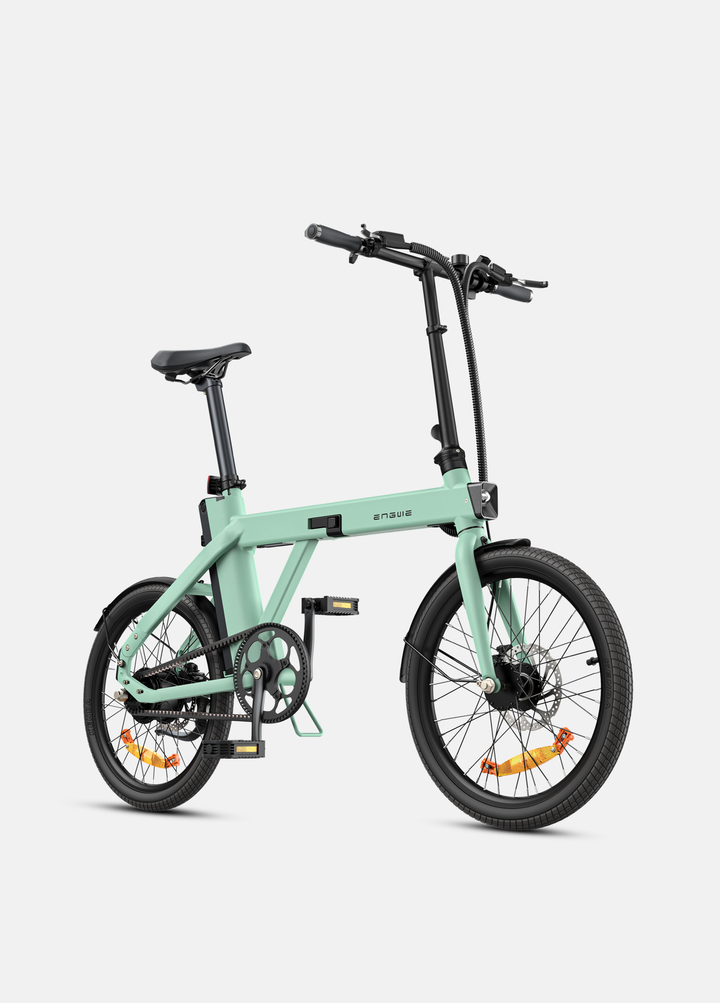
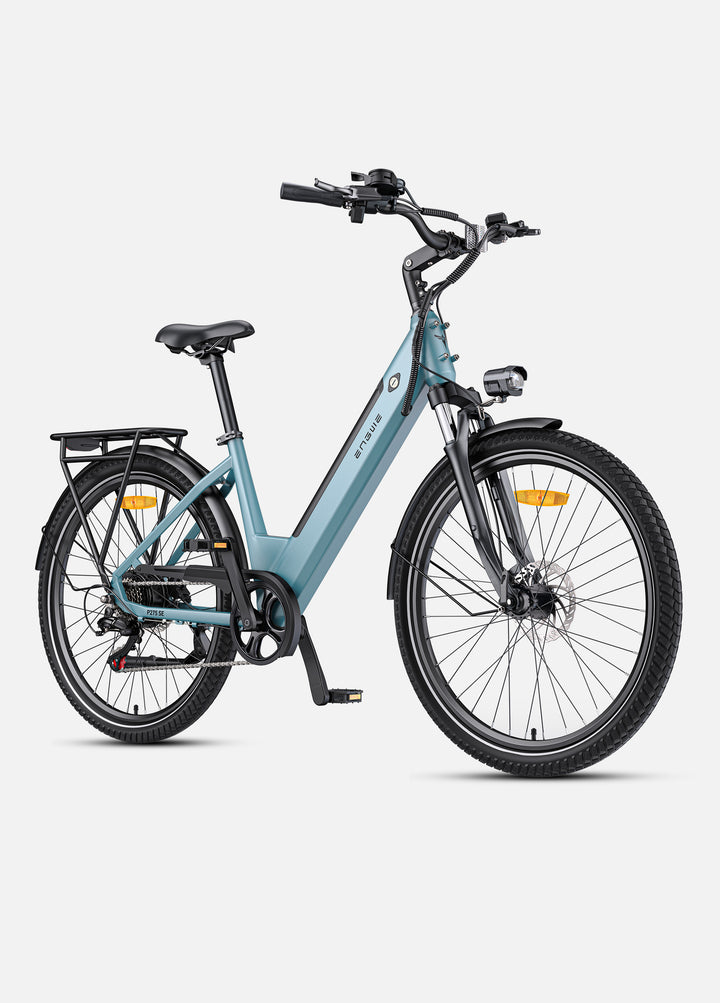
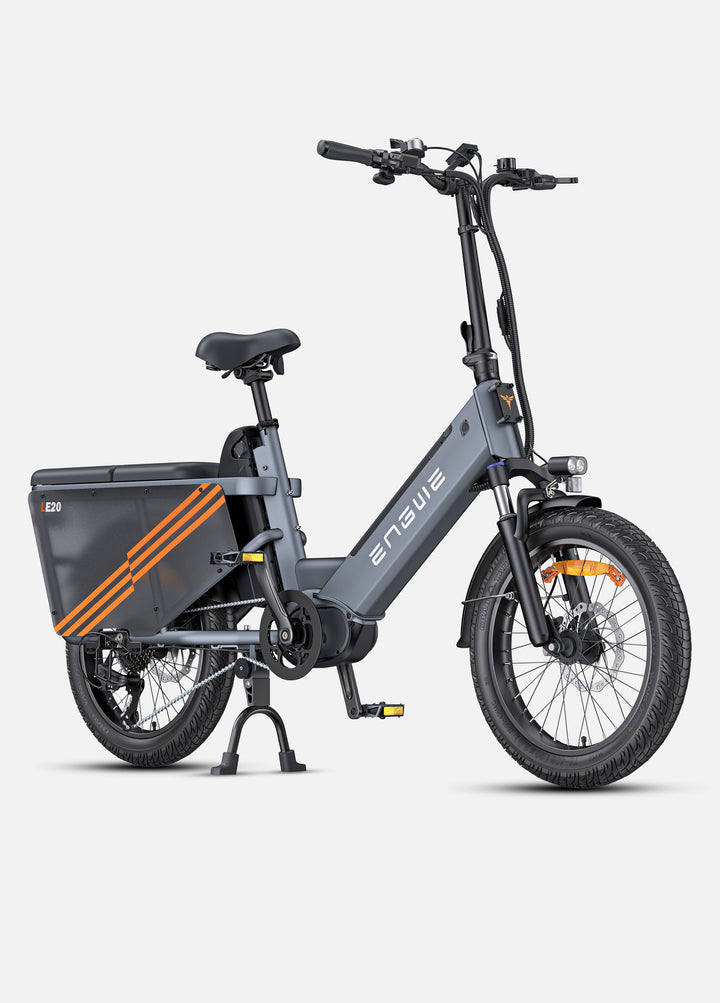
This is also the age when many begin asking about ebikes. The measuring rules remain the same, but since an ENGWE ebike or any other engwe electric bike is heavier, inseam and standover checks matter more than ever for safe control. Here are three examples that match different teen riders:
ENGWE T14 – A folding compact ebike designed for shorter riders between 4.5–5.5 ft. Its small frame, adjustable saddle (70–87 cm), and easy folding size (79×47×73 cm) make it ideal for storage in apartments or carrying in cars.

ENGWE L20 – A step-through style ebike built for everyday use. Fits teens 5.0–6.0 ft tall, with saddle range from 82–94 cm. The upright frame and low standover height give comfort and simple mounting, making it a good choice for school runs or local commuting.

ENGWE E26 – A trekking-style ebike for taller teens. Suits riders 5.6–6.5 ft, with saddle range 90–102 cm. The longer wheelbase and larger frame add stability, which is especially helpful for longer rides or mixed-terrain cycling.

No matter the model, parents should always compare the published rider height and inseam ranges against their child’s actual measurements. This ensures that the chosen bike, whether a traditional cycle or an ENGWE ebike, provides proper fit, safety, and room for growth.
Children’s Mountain Bike Size Chart
When kids start exploring trails, the right fit becomes even more important. A mountain bike has wide tires, stronger brakes, and sometimes front suspension, all designed to handle rough ground. The correct size ensures that young riders can stay in control and ride with confidence.
|
Height (cm) |
Wheel Size |
Fit Note |
|
115–130 cm |
20” |
Compact, easy for beginners to control |
|
125–140 cm |
20–24” |
Pick by rider skill and terrain type |
|
135–150 cm |
24” |
Better for rough ground and longer rides |
|
145–160 cm |
26” |
Teen MTB, similar to a small adult frame |
This childrens mountain bike size chart shows how wheel size affects performance. A smaller wheel is better for agility on technical trails, while a larger wheel gives smoother rolling on gravel or longer paths. Using a kids mountain bike size chart helps parents choose the right fit, balancing safety and fun for every ride.
Growth & Safety Tips for Parents
Choosing a bike is not just about the first fit — children grow fast, and their needs change quickly. Parents should follow a few simple rules to keep every ride safe and comfortable.
Don’t oversize too soon – Putting a child on a bike that is too large makes stopping and steering difficult. Always use a bike size chart childrens or a kids bike sizes chart to match the right wheel size to height and inseam.
Check sizing regularly – Kids can grow several centimeters in a few months. Recheck measurements every 6–12 months with a bike size chart for kids or a kids bike size chart by age and height to be sure the fit is still correct.
Adjust saddle and handlebars – Small changes in seat height or handlebar position can extend the life of the bike without forcing the rider onto a frame that feels awkward.
Choose based on purpose – A bike for school rides may need racks or gears for carrying weight, while a model chosen from a childrens mountain bike size chart should focus on control, clearance, and wider tires.

Final Thoughts
Sizing a child’s bike begins with height and inseam, not age alone. A bike size chart childrens helps parents choose the right wheel size, while inseam checks confirm comfort and safety.
Adjustments to saddle and handlebars can extend use, and checking fit every few months keeps the ride safe as children grow. For teens, options like an ENGWE electric bike offer new opportunities, but correct sizing remains the most important factor for balance, control, and confidence.
Frequently Asked Questions
What size push bike do I need for a 3-year-old?
A 3-year-old usually fits a 12-inch push bike. The saddle should match the inseam so both feet rest flat on the ground for safe balance.
What size bike should an 8 year old ride?
An 8-year-old bike size is typically 20-inch wheels. Taller or confident riders may fit a 24-inch bike, but inseam should always be checked.
How do I use a childrens bike size chart correctly?
To use a childrens bike size chart, measure both height and inseam, then compare with the chart. Always choose the size that gives better control and confidence.
What’s the difference between a kids bike size chart by age and height vs. inseam?
A bike size chart by height kids gives a good guide, but inseam is more precise. Inseam ensures safe standover clearance and comfortable pedaling.