Parents often wonder how to teach their children to ride a bike without fear. The old way was training wheels, but many families now choose a balance bike instead. This simple two-wheeled bike has no pedals, which lets kids learn balance first.
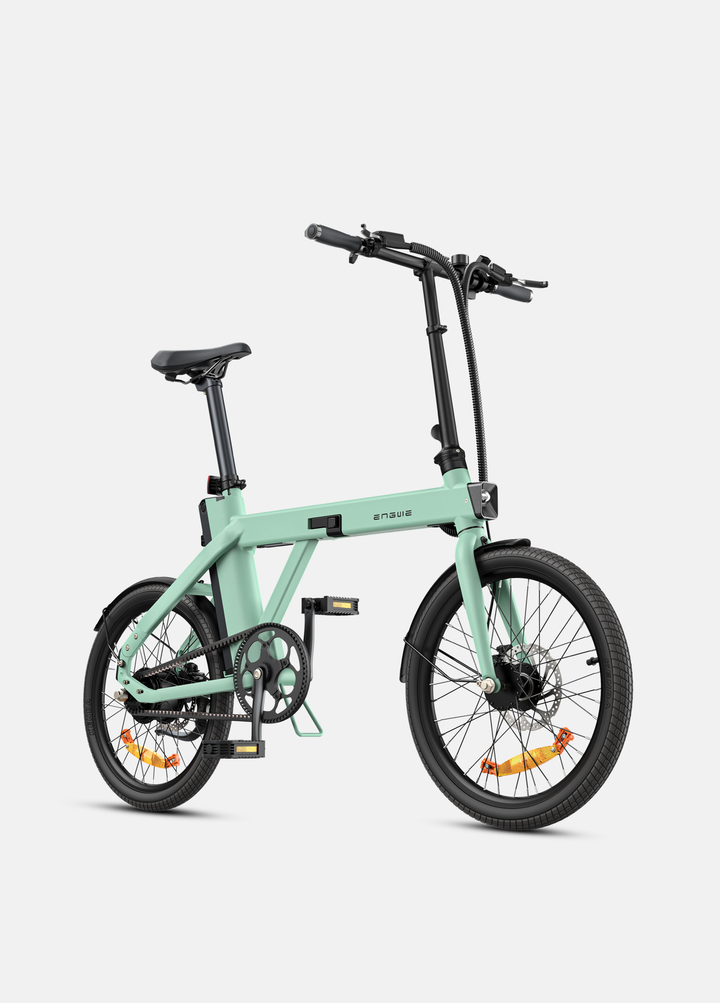
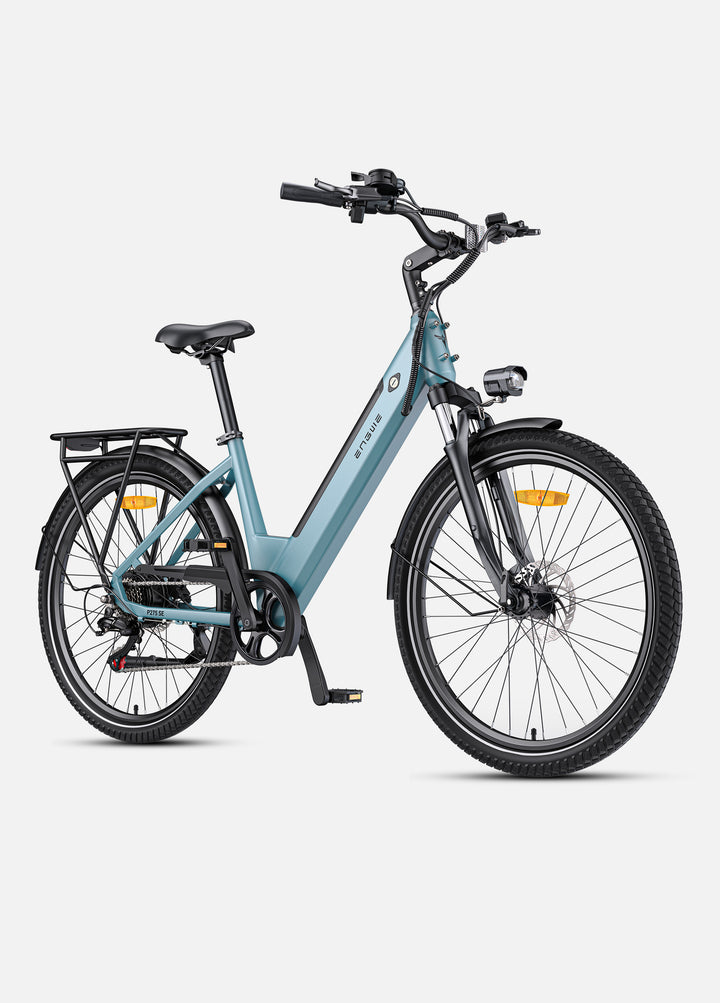
Once a child is confident balancing, the move to a pedal bike or even a kids e bike becomes much easier. Many parents who ride an ENGWE ebike also want their kids to enjoy riding safely. Balance bikes are the first step in that journey.

What Is a Balance Bike and How Does It Work?
A balance bike toddler model looks like a small bike, but without pedals or chains. Children use their feet to push along the ground and glide. The main goal is to help them feel balanced naturally before they learn pedaling.
Unlike training wheels, which only teach pedaling, balance bikes train the body to steer, stop, and stay upright. This way, the child focuses on balance instead of leaning on extra wheels.
Well-known examples include the Strider balance bike, which is popular worldwide, and the Sereed balance bike, known for its lightweight frame and safe design. Both are built for small riders, with adjustable seats so they can grow with the child.

Why Balance Bikes Build Better Riders
Balance bikes are designed for children as young as one year old. A balance bike for 1 year old usually has wide seats and soft grips to help little ones feel secure.
By age two, a balance bike for 2 year old feels sturdier and helps toddlers practice longer rides. Preschoolers often move up to a balance bike for 3 year old, which builds speed and confidence before switching to pedals.
Here’s why they are so effective:
- Improved coordination: Kids learn how to move their legs while steering at the same time.
- Better balance control: They quickly understand how to shift their body to keep from falling.
- Confidence building: They gain courage as they can stop anytime by putting their feet down.
With these skills, children often skip training wheels completely. By the time they move to a pedal bike or later a kids balance bike with power assist, the basics are already second nature.

Comparing Good Balance Bike Options
|
Feature |
Why It Matters |
What to Look For |
|
Lightweight frame |
Easy for toddlers to push and control. A heavy bike discourages practice. |
Aluminum or wood frames are strong yet light. |
|
Adjustable seat/handlebars |
Ensures the bike grows with the child and lasts several years. |
Seat height that adjusts at least 3–4 inches. |
|
Safety features |
Protects kids from sharp edges or falls. |
Rounded bolts, padded grips, wide stable wheels. |
For very young children, a baby balance bike with four small wheels can be a good start. Parents often ask what makes a good balance bike. Lightweight frames, adjustable seats, and safe design are the top things to check
When choosing the best balance bike, consider your child’s height, not just age. Some brands design special frames for small toddlers, while others make bigger models for preschoolers.
A toddler balance bike with rubber tires and a strong frame will usually last longer and feel smoother.
How Balance Bikes Prepare Kids for Ebikes
The step from a balance bike to a pedal bike is much easier than going from training wheels. Once the child has balance, pedaling feels natural.
This is also why balance bikes are seen as the foundation for riding electric balance bikes or kids e bikes. These bikes often move faster than normal bikes, so children need to be confident in steering, braking, and controlling their bodies. Balance bikes provide those early skills.
Parents who enjoy their ENGWE electric bike often notice their kids wanting to copy them. A child who starts with a kids balance bike gains the confidence to ride beside parents when they upgrade to a kids e bike later.
ENGWE LE20 – Cargo Ebike for Families
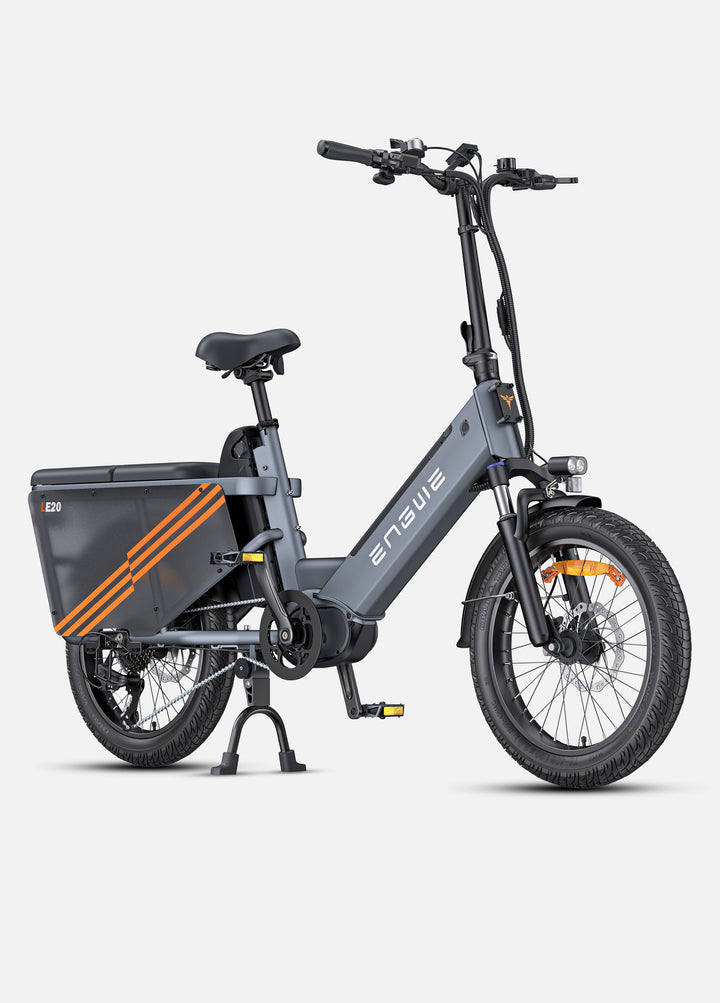
The ENGWE LE20 is a step-through cargo bike made for families who need both comfort and strength. It is perfect for parents who ride with children, carry shopping bags, or even take pets along. The design makes daily use simple while staying safe on city streets.
Main Features:
- Smooth pedal assist with torque sensor – the bike helps when you pedal, making every ride feel light and natural.
- Strong frame with up to 200kg load capacity – carry kids, food, or work tools without worry.
- Optional dual battery – ride longer distances with fewer stops to charge.
- Front suspension and hydraulic disc brakes – better control and safer stops on city roads or uneven paths.
- Different style choices – pick Standard, Passenger, or Cargo setups to match your family’s needs.
The ENGWE LE20 is built for families who want one bike that can handle everything: school runs, grocery trips, or weekend rides together.
While kids start learning balance and control on a balance bike or kids balance bike, parents can count on the ENGWE LE20 to make their own rides easier and safer.

Tips for Parents When Choosing a Balance Bike
Here are some simple guidelines to help parents pick the right bike:
1. Match the size to your child. Your child’s feet should touch the ground fully while sitting.
2. Check the weight. A lightweight frame is easier for toddlers to handle.
3. Focus on safety. Always add a helmet, and check for padded handlebars and rounded bolts.
4. Practice in short sessions. Start with 10–15 minutes a day to build comfort.
5. Plan for upgrades. Children usually move from a toddler balance bike to a pedal bike, and then to a kids e bike as they grow.
Common Mistakes to Avoid
Parents sometimes make choices that slow down learning. These are the most common mistakes:
Choosing the wrong size: A bike that’s too tall or too short frustrates kids.
Skipping safety gear: Even slow glides can lead to falls, so helmets are a must.
Rushing to pedals: Some parents push their children to ride pedal bikes too soon. Let kids learn balance first, it makes the next step easier.
Using heavy models: A bike that weighs too much discourages small children from practicing.
Conclusion
A balance bike is more than just a toy; it is the first step toward a lifetime of safe and confident riding. From the earliest baby balance bike to the day your child joins you on a kids e bike, balance bikes prepare them every step of the way.
If you’re already enjoying the rides on your ENGWE ebike, introducing your child to a balance bike is a natural way to share that joy. With patience, the right-sized bike, and steady practice, your little rider will grow from short glides to family adventures in no time.
Frequently Asked Questions
What age is best to start with a balance bike?
Most children can start around 18 months. A baby balance bike or small balance bike toddler model is perfect for this stage.
Is a balance bike better than training wheels?
Yes. Training wheels teach pedaling, but a balance bike teaches the most important skill: balance. Kids who use balance bikes often skip training wheels completely.
Can a balance bike toddler move directly to an ebike?
Not right away. Children should first move to a pedal bike. Later, when they are bigger and more confident, they can try a kids e bike or even an electric balance bike.
What’s the difference between a Strider balance bike and a Sereed balance bike?
The Strider balance bike is known for its durable design and large range of sizes. The Sereed balance bike is lighter and often chosen for very young riders.
Do balance bikes really help with future kids e bike riding?
Yes. Balance bikes give children the ability to steer, glide, and stop confidently. These are the same skills needed later on a kids e bike or a family ride alongside an ENGWE ebike.