Picking the right bike size is very important. If a bike is too big or too small, it can make riding uncomfortable and hard to control. You may feel tired faster, lose balance, or even get small injuries if the bike does not fit you.
Many people buy bikes without measuring first. Later, they find the seat too high, the handlebars too far, or the bike hard to ride. Riders who enjoy commuting or touring can benefit from ergonomic designs, like those on ENGWE ebikes, which allow longer rides with less fatigue.
This guide will help you how to measure bike size correctly for adults and children. You will learn about frame size, wheel size, and easy ways to check your measurements.

The Role of Bike Size in Riding Experience
The size of a bike makes a big difference when you ride. If a bike fits you well, it is easier to handle and stay in control, whether you are riding on flat roads or rough trails. The wrong size can make turning, braking, or balancing much harder.
For new riders and children, the right bike size helps build confidence. When the seat and handlebars are at the right height, beginners can learn faster and feel safe. This reduces the chances of falls and accidents.
When riding long distances, such as for commuting or weekend tours, the correct bike size improves comfort. A good frame and wheel setup keeps your back and legs relaxed. You can ride longer without feeling tired or sore. Knowing how to measure bike size properly ensures that your bike handles well and feels comfortable for every ride.
How to Measure Bike Frame Size
Choosing the right frame size is very important for safety and comfort. A bike that fits well is easier to control and helps you ride longer without pain. Here’s how to measure your bike frame correctly.
Step-by-Step Guide to Measuring Bike Frame Size
Follow these steps to learn how to measure bike size accurately and safely.
1. Measure your inseam
Stand straight with your feet about 6 inches apart. Use a tape measure to check the distance from the floor up to your crotch. This tells you how tall the inside of your leg is, which helps pick the right frame size.
2. Check the seat tube and standover height
The seat tube is the vertical part of the bike frame that holds the seat. The standover height is how high the top tube is from the ground. When you stand over the bike, you should have about 1–2 inches of space between the top tube and your body. This keeps you safe and comfortable.
3. Look at the frame shape
Not all frames are the same. The angle of the tubes and bike length for height affect how far you reach for the handlebars and how comfortable you sit. Make sure the bike lets you sit upright or lean forward naturally, depending on your riding style.

Using a Bike Frame Size Chart for Accuracy
A bike frame size chart is a simple guide that shows which frame size matches your body. Bikes can be measured in inches or centimeters, depending on the brand. Usually, road bikes are a bit smaller so you can pedal easily, and mountain bikes are a little taller to help you ride on bumpy trails.
To use the chart, stand up and measure your inside leg from the floor to your crotch. Then, find that number on the chart and see which frame size matches. Every bike is slightly different, so it’s worth checking before you buy. A bike that fits right feels easier to ride, more stable, and more comfortable.
Example Road Bike Frame Size Chart
|
Rider Height |
Road Bike Frame Size (cm) |
Road Bike Frame Size (inches) |
|
150–160 cm |
48–50 cm |
18–19" |
|
161–170 cm |
52–54 cm |
20–21" |
|
171–180 cm |
54–56 cm |
21–22" |
|
181–190 cm |
56–58 cm |
22–23" |
|
191–200 cm |
60–62 cm |
24–25" |
For instance, a rider who is 180 cm tall will usually fit a 56 cm road bike frame. This size
How to Measure for Bike Size Frame by Rider Height
Finding the right bike frame makes riding easier and safer. Instead of guessing based on your height, measure your inside leg; this is more accurate and shows which frame will fit you well.
Here’s a simple way to do it:
-
Stand with your feet a little apart, about 6 inches.
-
Take a flat object, like a book, and hold it snug against your crotch.
-
Measure from the floor up to the top of the object. That’s your inseam in centimeters.
Once you know your inseam, you can pick a frame that will feel comfortable:
-
For road bikes, a slightly smaller frame works well so you can pedal easily.
-
For mountain bikes, a slightly taller frame helps you stay in control on rough paths.
Other things to keep in mind:
-
Bike frames can be listed in cm or inches, depending on the brand.
-
Your inseam is more accurate than height because people with the same height can have different leg lengths.
-
Some sizing standards are slightly different, so small adjustments may be needed.
For example, if your inseam is around 80 cm, a road bike frame will feel right at about 54 cm, and a mountain bike will be about 53 cm.
You can also use a height-to-bike-size chart or an inseam-to-frame chart to check, but remember every brand is a little different. The best way to be sure is to try sitting on the bike before you buy.

Frame Sizing Differences for Road, Mountain, and Ebikes
Not all bikes are shaped the same. Road bikes have a smaller, narrower frame so it’s easier to pedal fast on smooth roads. Mountain bikes have a taller, stronger frame to handle rough trails and give more control over bumps.
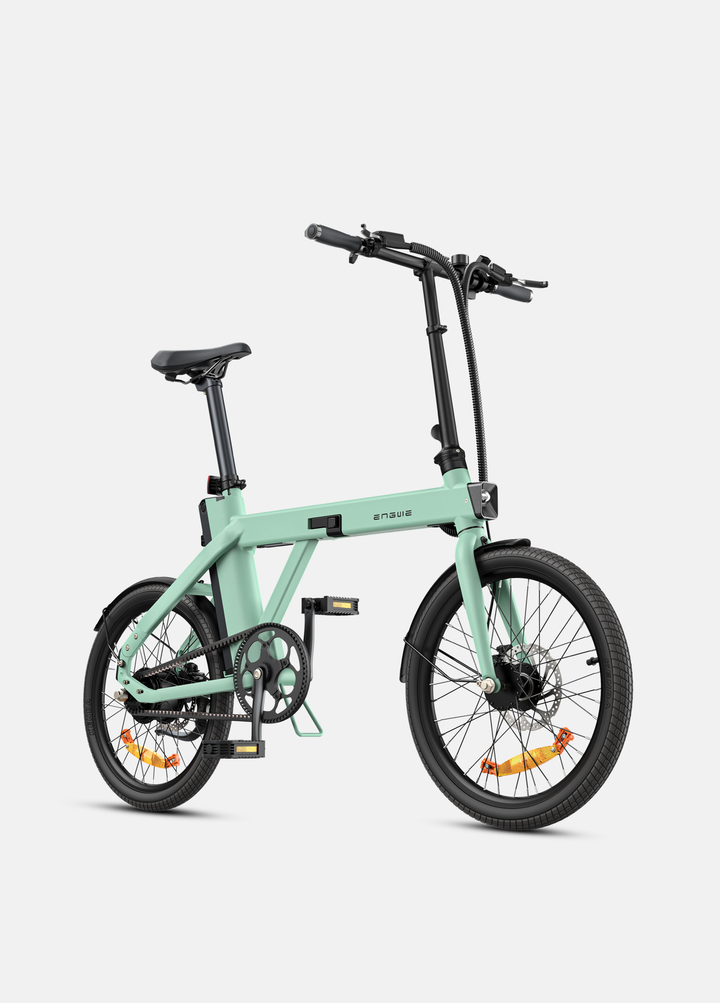
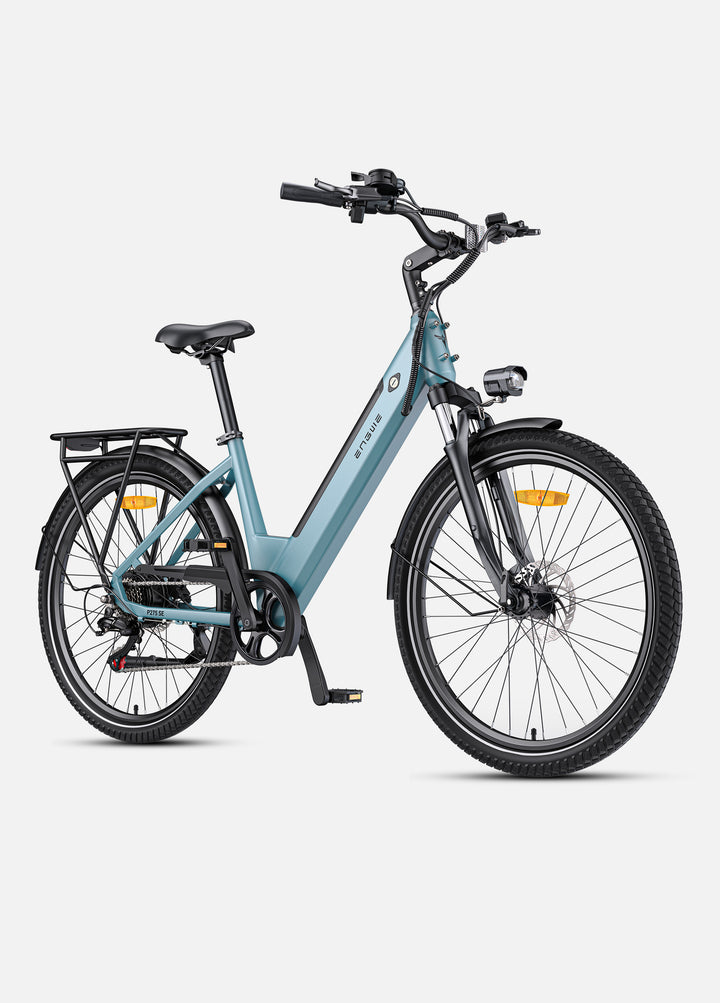
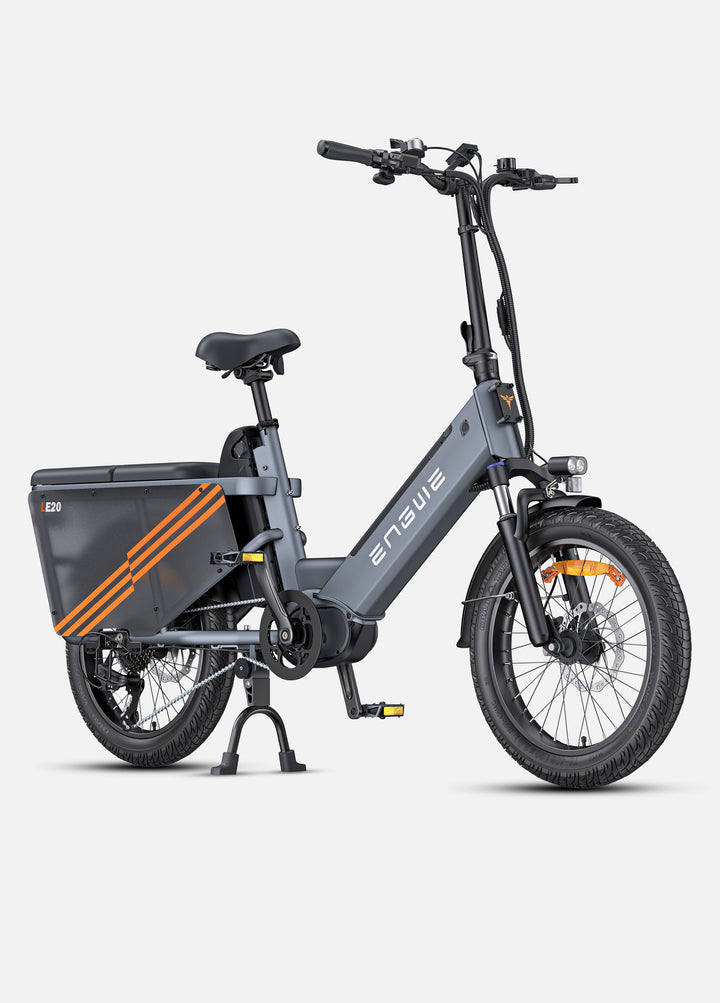
Ebikes are a little different. Some, like the ENGWE M20, have folding or step-through frames. This makes them easier to get on and off and works for many different rider heights. When choosing an ebike, pay attention to how far you have to reach the handlebars and how high the seat is. This makes sure you sit comfortably and ride safely.
Every bike type needs a slightly different frame for comfort. Using your height and inseam helps you pick the right size so the bike feels balanced, stable, and easy to ride.
How to Measure Bike Size for Kids
When buying a bike for a child, wheel size is the most important. The right wheels help your child ride safely, stay in control, and enjoy riding. Kids’ bikes usually come with wheels that are 12, 14, 16, 20, or 24 inches.
Kids’ Bike Size by Age and Height
Here is an easy way to match wheel size to your child:
-
12-inch wheels: For kids 2–4 years old, about 85–100 cm tall.
-
14-inch wheels: For kids 3–5 years old, about 95–110 cm tall.
-
16-inch wheels: For kids 4–6 years old, about 105–120 cm tall.
-
20-inch wheels: For kids 6–9 years old, about 115–135 cm tall.
-
24-inch wheels: For kids 8–12 years old, about 130–145 cm tall.
It is always best to let your child try the bike before buying. Kids grow quickly, so check the bike often and adjust the seat or pedals, or get a bigger bike when needed.
Choosing a new bike is exciting, but getting the right size is crucial. The wrong fit not only affects comfort but can also be a safety hazard. Use this simple calculator below—just enter your height and inseam to get a quick estimate of the right frame size for you, making your choice easier.
Choosing a Push Bike or Balance Bike
For toddlers just learning to ride, push bikes or balance bikes are great. They don’t have pedals, so children can learn to balance and steer before moving on to a pedal bike.
When choosing one:
-
Make sure your child can sit on the seat with both feet flat on the ground.
-
This gives them stability and confidence while learning.
Balance bikes usually work for kids 18 months to 3 years old. They make it easier for children to switch to a pedal bike later.

How to Measure Bike Wheel Size
To know your bike’s wheel size, look at the tire. Most tires have numbers on the side like 26", 27.5", or 700c. These numbers tell you the wheel size.
If the numbers are missing or unclear, you can measure the rim. Measure the metal circle inside the tire from one edge to the other across the center. This gives the diameter of the wheel.
Knowing the right wheel size is important when you need replacement tires. A tire that is too big or too small will not fit the rim and can be dangerous.
Bike Tire Size Chart (Diameter x Width)
Tire sizes can vary depending on the type of bike you ride. To make things simple, here is an expanded bike tire size chart that shows common sizes and what they are best used for.
|
Bike Type |
Common Tire Sizes |
Best Use |
|
Road Bike |
700x23c, 700x25c, 700x28c |
Narrow tires for speed, wider ones for comfort on long rides |
|
Gravel / Touring |
700x32c, 700x38c |
Wider tires give more stability and grip on mixed terrain |
|
Mountain Bike |
26x2.1, 27.5x2.3, 29x2.4 |
Wide and strong tires for better control on rough off-road trails |
|
Hybrid / City Bike |
700x30c, 700x35c, 700x40c |
Mid-size tires for a balance between city roads and light trails |
|
Fat Tire / E-Bike |
20x4.0, 26x4.0 |
Extra-wide tires that support heavy weight, add grip, and improve stability |
Why Wheel Size Matters for Comfort and Performance
-
Big wheels roll over bumps, rocks, and rough ground more easily. This makes the ride smoother and less tiring.
-
Small wheels are lighter and easier to move. They help the bike speed up faster, but they can get stuck or feel bouncy on rough roads.
The right wheel size also helps with:
-
Stability when riding on different surfaces
-
Speed and how fast you can go
-
Handling dirt, gravel, or pavement
Choosing the correct wheel size makes your bike safer and more comfortable. It also helps the bike perform better for the way and places you ride.
Get the Right Bike Size for Safe and Fun Riding
Some ebikes are made to fit riders of different heights. Bikes with folding frames or step-through designs let you move the seat and handlebars to a comfortable position. This helps you ride safely and stay in control. Two examples are ENGWE M20 and EP-2 Boost, which fit many rider sizes without problems.
ENGWE M20 – Full Suspension Fat E-Bike
The ENGWE M20 is a fat tire ebike built for rough roads, gravel, or city streets. Its dual suspension, a front hydraulic shock and rear air shock, absorbs bumps and makes the ride smooth. Riders from 5’2” to 6’2” (158–188 cm) can adjust it easily.
Key Features:
Motor: 250W brushless
Tires: 20 × 4.0-inch fat tires for better balance
Battery: 48V 13Ah (single) or 48V 26Ah (dual) for longer rides
Range: Up to 75 km on PAS mode 1
Weight: 34.8 kg (single) / 45.9 kg (dual)
Max Load: 120 kg (264 lbs)
Climbing Ability: Handles slopes up to 10°
Transmission: Shimano 7-speed gears

ENGWE EP-2 Boost – Folding All-Terrain Ebike
The ENGWE EP-2 Boost folds for easy storage and works on city roads or rough paths. Its Boost system helps climb hills with less effort. The torque sensor adjusts motor power while you pedal for a smooth ride. It fits riders 5’4”–6’2” (165–190 cm).
Key Features:
Motor: 250W brushless with torque sensor
Tires: 20 × 4.0-inch all-terrain fat tires
Battery: 48V 13Ah removable lithium-ion, 120 km range on PAS 1
Speed: 25 km/h (EU-legal)
Max Load: 150 kg (330 lbs)
Transmission: Shimano 7-speed
Brakes: 180mm front and rear disc brakes
Folded Size: 99 × 55 × 75 cm

Conclusion
Picking the right bike size makes riding safer, easier, and more fun. When your bike fits you well, you can ride longer without feeling tired, handle the bike better, and avoid pain or accidents.
To find the right fit, always how to measure bike size, check frame size charts, and look at wheel sizes. Doing these steps helps prevent problems and makes every ride more enjoyable.
For riders who want extra comfort and adjustable bikes, ebikes like the ENGWE M20 and ENGWE EP-2 Boost are great examples. Their frames, suspension, and seats fit many heights, so anyone can ride safely and comfortably without compromise.
Frequently Asked Questions
How can I find the right bike frame size for my height?
Measure your inseam (inside leg length). For road bikes, multiply it by 0.67. For mountain bikes, multiply it by 0.66. After that, adjust the seat and handlebars so you can pedal comfortably and ride safely.
What is the correct wheel size for a child’s bike?
Check your child’s age and height:
-
12" wheels: ages 2–4, height about 85–100 cm
-
16" wheels: ages 4–6, height about 105–120 cm
-
20" wheels: ages 6–9, height about 115–135 cm
-
24" wheels: ages 8–12, height about 130–145 cm
Do all ebikes fit riders of different heights?
Many ebikes have adjustable seats and handlebars, or folding and step-through frames. This lets riders of different heights sit comfortably, control the bike safely, and enjoy riding without strain.