Santa Cruz: A New Era of Electric Mountain Biking
When it comes to high-performance mountain bikes, Santa Cruz is a name that's often part of the discussion, and for very good reason – the Californian brand has long been associated with class-leading innovation, top-drawer quality, and a healthy dash of trail-shredding kudos. They have been among the world’s finest makers of non-motorized bikes for years. So, when they took their genius engineering and suspension wizardry (VPP) and applied it to electric bikes, the cycling world really sat up and listened. A Santa Cruz e-bike is no ordinary bike with a motor; it's a statement. That's the dream it promises—their signature ride feel, with the added power to climb quicker, ride farther, and experience more descending all in one day. This one is for the rider who knows the legacy and is asking the hard questions: Does the electric experience live up to the Santa Cruz name? So, what is it really like to own one? We’ll get into the nuts and bolts of their models, the ride experience, and of course, what are the most important things to consider before you put a big chunk of change down for this harbinger of your love affair for life on two wheels.
The E-Bike Lineup: Heckler and Bullit
Santa Cruz Bicycles has carefully crafted a lean, mean e-mountain-bike lineup where each bike serves a specific role, and it absolutely slays in that situation. The following is a breakdown of their current e-bike lineup:
Heckler Series (All-Mountain & Trail)
Heckler
Heckler SL (Super Light)
Bullit Series (Freeride & Enduro)
Bullit
Walking into the realm of Santa Cruz electric mountain bikes is something you can almost feel. Let’s start with their most popular and all-purpose best bikes. The Heckler is the all-mountain e-bike we all looked for, the one bike that feels alive and playful on pretty much any trail. The first thing I noticed when mashing on the cranks of the Heckler was its surprising nimbleness. Even with the motor and battery, the added weight hasn’t dampened the fun factor because Santa Cruz has nailed the geometry and suspension. It’s not as if the bike simply monster-trucks over everything; rather, it’s a bike that encourages you to pop off roots, slash corners, and interact with the terrain. The Shimano motor system is powerful and responsive without being overbearing, especially in Trail mode, when it runs almost as though it’s in your own power delivery. Climbing isn't a chore anymore, but something entirely new — finding the most technical line up the hill is a game. On the way down, the VPP suspension is impressive, allowing you to gain incredible traction that keeps your tires planted through the chattery stuff, yet maintains enough support for big moves and drops. It’s a bike that inspires confidence and makes your “lunch ride” into the kind of thing that can last two or three hours, even if it’s only an hour-long loop.
Then there is the Bullit. If the Heckler is a general tool for the trail, the Bullit is a gravity express train with its own shuttle. Built for the gnarliest terrain and longest runs, this is Santa Cruz's answer to the questions and demands of the modern rider. And from that first moment you point it downhill, the Bullit does nothing to hide its ambitions. With additional suspension travel and a mixed-wheel (MX) setup — a 29-inch wheel up front for traction and roll-over and a 27.5-inch wheel in the rear for a nimble feel — it is simply unflappable. Nervous, high-speed chatter that would upset other bikes just melts away beneath you. It is a bike that fills you with such confidence that you just want to let go of the brakes and let it do its thing. The real magic of the Bullit, though, is getting back up. A powerful motor makes a hard fire road grind or technical transfer stage into something tolerable, even fun. For your next descent, you have more to give; you're less tired and able to put in another big effort. Having the Bullit is like owning your own private ski lift on any mountain; it genuinely expands the territory of the rides you can take. One could argue that it is, and undoubtedly, it is a weapon for a gravity-loving cyclist looking to get as much descent in as possible without relying on a truck or chairlift to do so.

The Ownership Experience: More Than Just a Bike
There’s no denying the Santa Cruz e-bike’s on-trail prowess, but a prospective owner's thinking doesn’t stop at the trail. This is an investment, and it is important that you understand the ecosystem that you are purchasing into to ensure that you are getting what you think you are. The first is the label's quality and endurance (a.k.a. its unbeatable warranty). Santa Cruz provides a lifetime warranty on its frames and Reserve carbon wheels, and lifetime for all frame pivot bearings. This isn't just an advertising tagline but rather a statement of their faith in their product that the owner may over time find to be one of their best features and benefits. You are buying a product that the manufacturer will support for as long as you own it, an important peace of mind for a machine that gets as thrashed as this. What's more, the decision making between their two carbon fiber layups, C and the higher-grade CC, provides another point of entry. Although C-level carbon provides the same strength and stiffness as CC-level carbon, CC carbon weighs less, thanks to a higher-end carbon fiber, which also helps you achieve the same riding experience with less material. This decision is a sign that Santa Cruz really "gets" its customer, who is given options for owning a bike, valuing, respectively, either value or ultimate, gram-saving performance. And yet, as rational as I try to be when it comes to bike purchases, resale value is a very real factor here, and Santa Cruz bikes tend to hold their value far better than many other brands will, meaning the long-term cost of ownership becomes more palatable. That comes with the benefit of joining a global community of fellow passionate riders, and the brand recognition and imprimatur of a certain prestige that appeals to many. It’s an investment in quality, performance, and the riding culture.
A Broader Perspective: Not Just for the Gnar
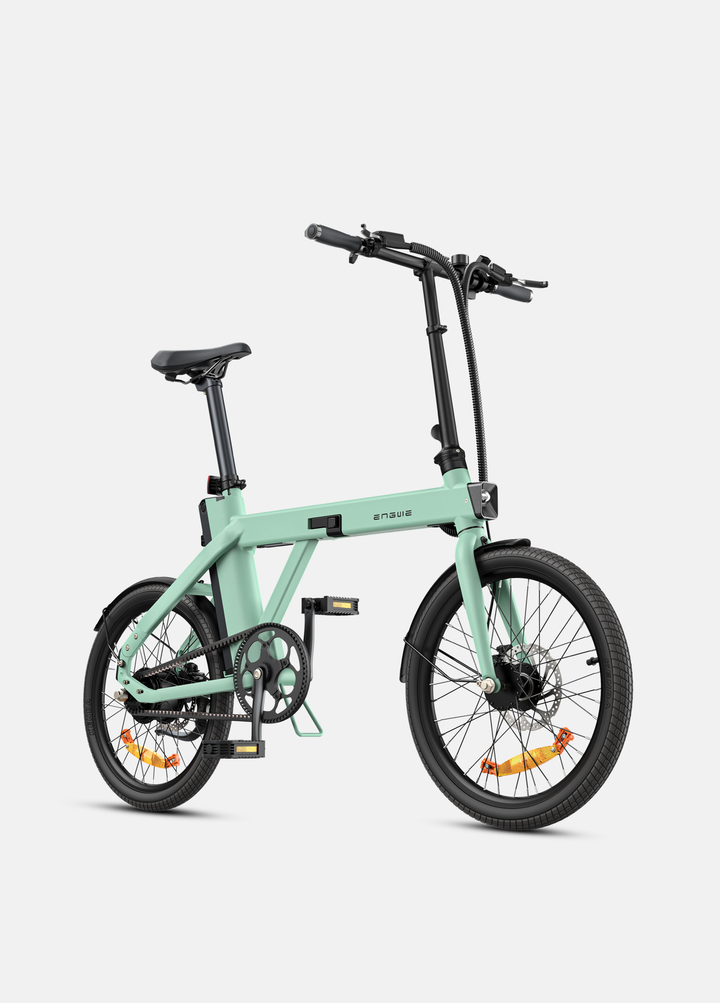
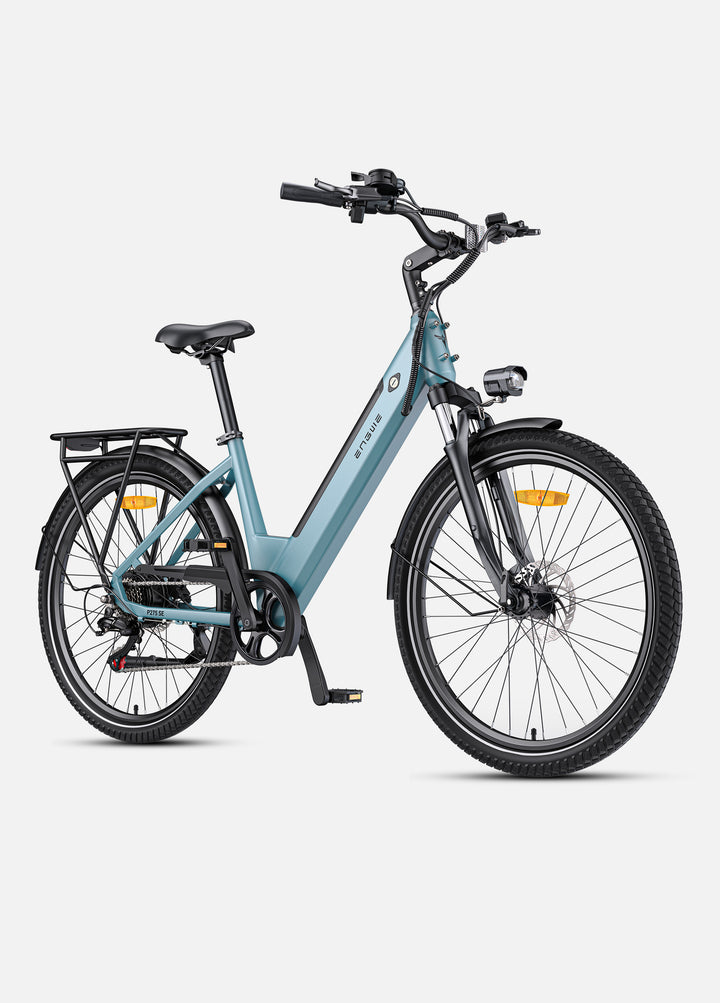
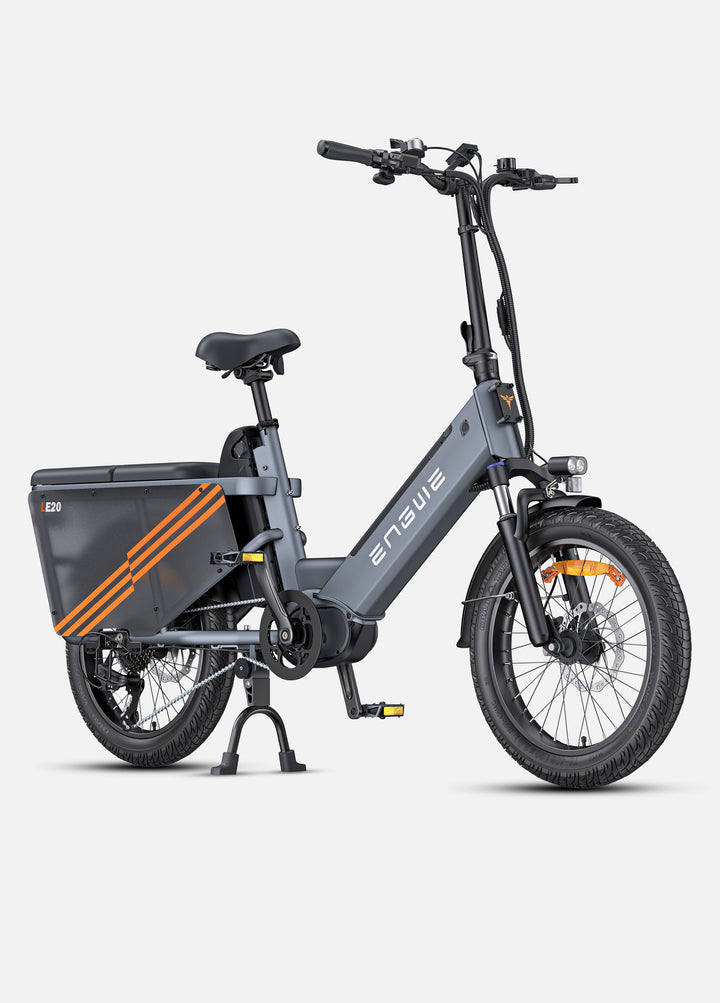
Although Santa Cruz dominates in the high-performance, gravity-focused e-MTB market segment, it is important to realize that the world of electric bikes is vast and varied, catering to a wide range of interests and pursuits. For many riders, most adventures are not defined by the probability of vertical descents but rather focus on all-terrain versatility, last-mile urban commuting, and sheer user-friendliness. Thus, a different breed of electric bikes would be more apt for their needs. One example of a practically-designed and feature-rich urban commuting e-bike is the ENGWE EP-2 Boost. As an urban utility e-bike, the EP-2 Boost is a marvel of engineering and design. Sporting a powerful 250W brushless motor in accordance with EU regulation ensures a smooth ride at an attainable 25 km/h. The EP-2 Boost’s defining feature, however, would be its smart integration of a highly sophisticated torque sensor. The power delivery is finely-tuned to function as an extension of a rider, providing innate responses and a smooth pedaling experience. The EP-2 Boost’s “Boost” button can unleash the full 55 N.m of torque in an instant, making pedaling on the steep inclines of an urban landscape or a trail effortless. With 20 x 4.0-inch fat tires and a front fork, the EP-2 Boost can tackle everything from asphalt to sand and gravel. Due to this innovative design and one-piece construction, the wheels are more durable and require less maintenance compared to a spoked design. The 48V 13Ah battery is enough to carry the rider up to 120 km and is easily removable for home charging. It folds down to a small profile, which is perfect for storage in a small apartment, car trunk, or when one needs to take it on a bus or train. Moreover, the rear rack, fenders, and 180mm disk brakes make this variant the most feature-rich solution for everyday and versatile riding.

Santa Cruz Electric Bikes Comparison
| Feature | Heckler | Heckler SL | Bullit |
|---|---|---|---|
| Use Case | All-Mountain / Trail | Lightweight Trail | Enduro / Freeride / Bike Park |
| Front Travel | 160mm | 150mm | 170mm |
| Rear Travel | 150mm | 140mm | 170mm |
| Wheel Size | 29" or MX (Mixed 29"/27.5") | 29" | MX (Mixed 29"/27.5") |
| Motor System | Shimano EP801 (Full Power) | Fazua Ride 60 (Lightweight) | Shimano EP801 (Full Power) |
| Battery Capacity | 720Wh | 430Wh | 720Wh |
| Frame Material | Carbon C or CC | Carbon C or CC | Carbon CC |
| Suspension Platform | VPP (Virtual Pivot Point) | VPP (Virtual Pivot Point) | VPP (Virtual Pivot Point) |
| The Good | Agility and playfulness, versatility | Light and fast with a natural ride feel | Unmatched stability on descents |

5 Frequently Asked Questions About Santa Cruz Electric Bikes
Why are Santa Cruz e-Bikes so expensive?
The prices reflect a blend of influences. First up is the vast R&D hours they've spent on their frame and unique VPP suspension design, then maximized for e-bike application. Second is the use of top-shelf materials, especially the Carbon C and CC frames that are expensive to build but have the highest strength-to-weight ratio. Third, it's the component choice; Santa Cruz supplies top-of-the-range, reliable components from the world’s best component manufacturers, including Shimano, SRAM, and FOX. Last but not least, you are investing in a lifetime frame and bearing warranty, which is a large long-term commitment and value from the company.
So what is the actual difference between the Heckler and the Bullit? Who are they for?
The easiest way for me to explain it is like this: the Heckler is for riding all over the mountain, and the Bullit is for riding down it. The Heckler (which has a tiny bit less travel) is a sassier, poppier, all-around trail bike. It's ideal for the rider whose loops entail a combination of technical climbs, flowy singletrack, and gnarly descents. The Bullit is a gravity sled, pure and simple. With even more travel and a beefier construction, it's meant for enduro racing, taking bike park laps, or riding the steepest, gnarliest trails you can find. If the only thing you care about is getting to the bottom as fast as you can, the Bullit is your machine. If you appreciate a more balanced and fun feel throughout a mix of terrain, then the Heckler wins.
What's the VPP (Virtual Pivot Point) suspension like on an e-bike?
It feels great, and its rewards seem to be multiplied on an electric bike. The VPP system is known for its pedaling efficiency and creates a firm pedal platform that does not wallow under power. On an e-bike, this means less of your battery's charge is being spent overcoming suspension movement on the climbs, which in turn results in a more efficient climb. On descents, the VPP system gives you small-bump sensitivity out the wazoo to keep the rear tire gripping, which is important given the extra mass and speed of an e-bike. That said, it does ramp up progressively, so you still get great mid-stroke support and bottom-out resistance on those big hits, which results in that "bottomless" feeling we all love about Santa Cruz's suspension.
How much service does a Santa Cruz e-bike need? Is it complicated?
Maintenance consists of two parts: the bike and the electric system. On the bike side, it’s the usual high-end mountain-bike-level stuff: regular cleanings, chain lube, brake checking, and some infrequent suspension servicing. Santa Cruz makes this much easier by providing lifetime free pivot bearing replacements—you just order a kit from their site when you need them. The motor and battery systems from Shimano or Fazua are also very reliable and require minimal maintenance. That means keeping a battery charged and occasionally updating firmware via a smartphone app — a process that is incredibly straightforward. The thing to keep in mind is you are working on a more complicated machine, and while you can use the internet as your reference, don't be a hero; take it to a good, reputable bike shop certified in these specific motor systems for major diagnostics and repairs.
Is a Santa Cruz e-bike a good option for a beginner mountain biker?
This is a nuanced question. In some ways, yes. An electric bike can reduce the barrier to entry, helping new riders tackle difficult climbs and allowing them to cover more ground and learn more skills before reaching exhaustion. A Santa Cruz e-bike has supple suspension and is mega-stable to the point of being confidence-inspiring. But also, these are very powerful, high-performance machines with a steep cost. A novice might not be able to use their full potential right off the bat, and they can also be fast as all get-out, which can be spooky. A beginner should be realistic about the budget and effort they can invest. If you’re committed to advancing fast and are flush with a premium budget, a Santa Cruz e-bike could be an outstanding (and future-proof) learning tool; conversely, a lower-priced, less racy e-bike might be a more pragmatic place to start.
In the end, investing in a Santa Cruz electric bike is an investment in the best performance and riding experience, which is synonymous with a legendary brand.