Is a Rattan E-bike What I’m Looking For?
Picking the correct electric bicycle is a big decision – it’s an investment in your freedom, joy, and mobility outdoors. In the very saturated market, Rattan has not done half bad! Rattan stands alongside the much better-known, and much more expensive brands that so many are more passionate about. No matter if you are a daily commuter in search of an efficient means to get around town, a weekend explorer who needs a bike fit for new trails, or just someone looking to rediscover the simple joy of cycling with a little electric help, the biggest question on your mind is probably the same: Is a Rattan e-bike what I’m looking for? This in-depth review has been created to help you cut through the noise and give you a detailed, no-nonsense guide to the Rattan brand, a selection of their best models on the marketplace, and the important things you should consider when making your purchase. We’ll discuss the user experience, compare models, and get into the answers to your burning questions so that you can truly make an informed choice.
Rattan has a range of models of electric bikes which cater to different riding tastes and requirements. The following is a straightforward analysis of their main models and lineup, so you know what you are looking at:
Rattan Model Lineup
- Rattan Challenger Pro
- Rattan Pathfinder
- Rattan Compass
- Rattan Quasar
- Rattan LM 750
- Rattan LF 750
- Rattan LM 500
- Rattan LF 500
The Rattan Riding Experience
In order to really know what a Rattan electric bike is like, we need to forget about the specs and focus more on what it’s actually like to ride. We’ll concentrate on two of their best sellers: the hard-edged Challenger Pro and the easy-access Compass. When you throw a leg over the Challenger Pro, you immediately feel its capability. True, its 750W motor doesn’t merely help; it pushes you along. From there, the acceleration up even a paved road is silky and exhilarating but is all the more at home on gravel paths and light trails. With the fat 4-inch tires, you get built-in natural shock absorption and ride cushioning, and just the right grip and confidence for your urban adventures. You feel planted and stable. It begs you to take the road less traveled. The seating position is very commanding, allowing visibility in every direction. The sound of the motor is actually noticeable, but not overly loud; it's just acute enough to have you thinking about the power you now have control over. The Rattan Compass is different—and still delightful. Being a step-through model, it does make getting on and off the bike a breeze, something that commuters and pleasure riders alike will appreciate straight away. The vibe is comfy and accessible. Riding in an upright and comfortable position, whether cruising city streets, considering a bike for light trail use, or simply looking for a more casual commuting ride. The motor does all of this gently and seamlessly, so the bike isn’t you and the motor; it’s just like an extra muscle you didn’t know you had. What you’re looking at and feeling is a bike that was developed with convenience in mind—from its reliable rear rack to its comfortable saddle for longer rides.

Competitor Spotlight: ENGWE
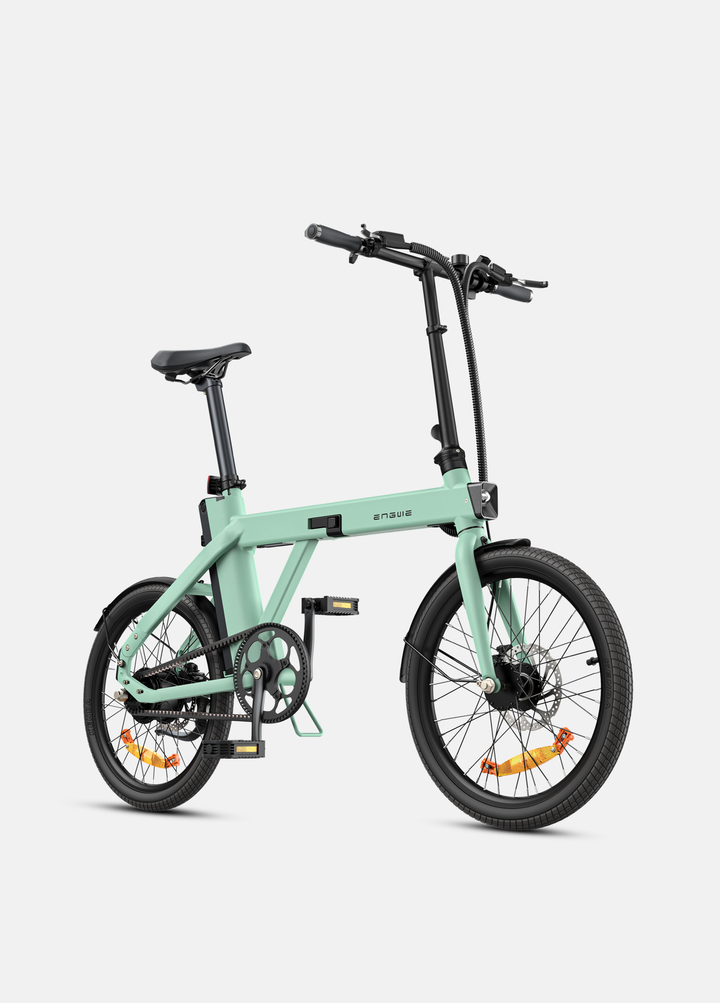
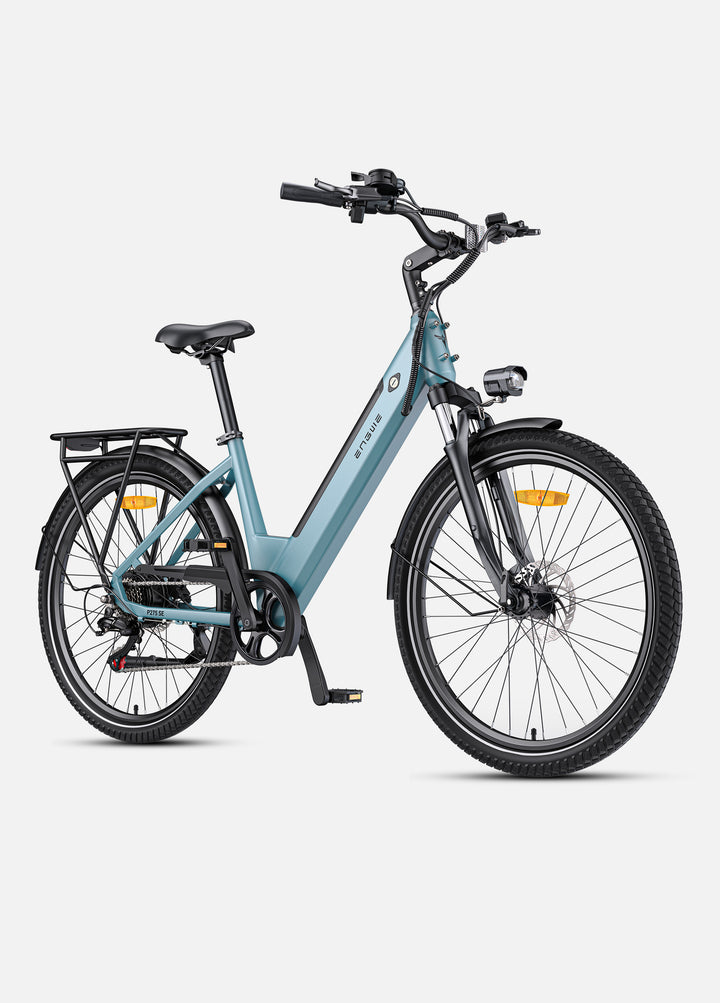
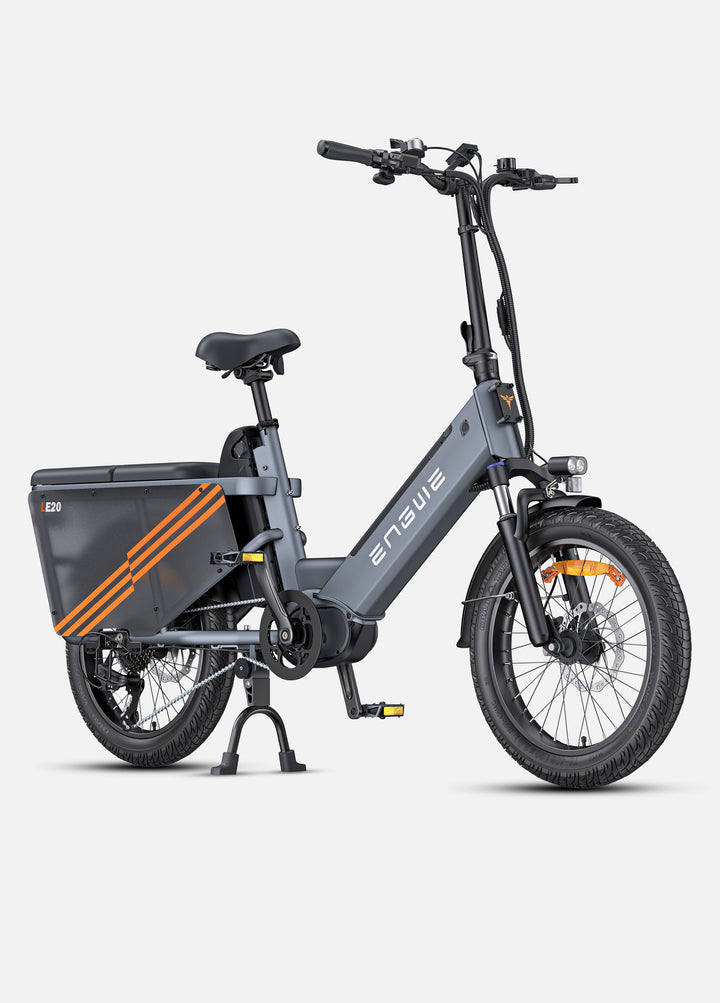
While we’re checking out the tough, upper-level alternatives, let’s also consider how e-bike technology is making the ride better for all but the most discerning users. One brand that is very obviously stretching these limits is ENGWE. Their EP-2 Boost model, for instance, is a big leap forward in rider-focused design. What makes it special is that it comes with a very advanced torque sensor, and the corresponding motor; they work flawlessly together with your pedaling effort, naturally and responsively. Slipping freely around the clock instead of from one detent to another is what’s responsible for the smoother action you feel (or, in plenty of other workout setups, don’t feel), rather than feeling the lows and highs of simpler cadence-based setups. And as we mentioned before, an all-new "Boost" button allows the ENGWE EP-2 Boost to be powered up to 55Nm to easily take on the steepest hills! This intelligent technology is the core of the e-bike and is complemented by the 250W motor, high-capacity 48V 13Ah removable battery that ensures stable riding with a 120 km mileage, as well as the tough 20 x 4.0 fat tires on single-piece wheels. Featuring a robust rear rack, class-leading 180mm disc brakes, and a crisp LCD display, the ENGWE EP-2 Boost is the perfect choice, offering a sleek, powerful, and technologically advanced ride for urban commutes and outdoor explorations alike.

What to Consider Before Buying
Aside from how a test ride would feel, there are other crucial points that a prospective customer must weigh before getting a Rattan e-bike. These are the things that people usually use to judge how happy they are in the long run. First, you should consider assembly and setup. Most Rattan bikes come partially assembled and, while the job is not that hard for someone with a mechanical inclination, it’s something to keep in mind. The quality of the instructions and the completeness of the included tool kit can make a significant difference in this first experience with your new bike. The construction and components form the second aspect to consider. Check the frame welds, the paint finish, and the name-brand components (for example, the Shimano drivetrain). These are not only a sign of how long the bike will last, but also a testament to its overall build quality. Good battery management is also crucial. Rattan's removable battery is a big advantage for both security and convenience. But you also should be checking for the cost and availability of replacement batteries for the future. And then, of course, the brand’s ecosystem. How good is their customer service? Is there an active user group for Rattan owners to share advice or fixes? It’s not a perk but a necessity that brings peace of mind for your investment if you are a direct-to-consumer brand and have good post-purchase support.

Rattan Electric Bike Model Comparison
This chart is available to provide an overview of how the various models in the Rattan line compare to one another. Use this to get a fast response of what bike is closest to your personal wants and desires.
| Feature | Challenger Pro | Pathfinder | Compass |
|---|---|---|---|
| Motor Power | 750W Hub Motor | 500W Hub Motor | 500W Hub Motor |
| Battery | 48V 15Ah Removable | 48V 13Ah Removable | 48V 13Ah Removable |
| Advertised Range | Up to 60 miles | Up to 60 miles | Up to 60 miles |
| Tires | 26" x 4.0" Fat Tires | 27.5" x 2.4" Tires | 26" x 1.95" Tires |
| Frame Type | High-Step | High-Step | Step-Through |
| Brake System | Mechanical Disc (F160/R160) | Rear Mechanical Disc (R160) | Rear Mechanical Disc (R160) |
| Gears | Shimano 7-Speed | Shimano 7-Speed | Shimano 7-Speed |
| Suspension | Front Suspension Fork | Front Suspension Fork | Front Suspension Fork |
| Main Use | All Terrain, Trail | Commuter, Light Trail | Urban Commute, Casual |
Frequently Asked Questions (FAQ)
Below are thorough responses to five of the most frequent questions prospective purchasers ask concerning Rattan electric bicycles.
How easy is it to assemble a Rattan electric bike at home?
Assembly can be a concern when ordering a bike online. Rattan e-bikes typically come 85% assembled. What's left for the user to do are four main steps: attaching the front wheel, handlebars, pedals, and saddle. Rattan includes a set of basic tools and instructions. For someone who is comfortable with basic tools and reading a manual, the process can take from 45 to 90 minutes. If you're not comfortable finishing the assembly of this bicycle, we strongly recommend taking it to a professional bike shop to be built. This is to guarantee that all components are working correctly and required adjustments are made so that the bike performs exactly as it should.
What will be the actual range of a Rattan e-bike?
The claimed range (say, “up to 60 miles”) is always under what manufacturers call ideal conditions: a lightweight rider, on flat roads, using the least amount of pedal assist (PAS), with no wind. Real-world range is almost always less. Factors that can have a big impact on the result include rider weight, traveling uphill, frequent stops and starts, strong headwinds, using a high level of pedal assist, or utilizing the throttle. For mixed-use riding, let's say up to max power (with assist between levels 5-8 on a 48V 13Ah battery), a 25–45 mile range is more realistic. It’s important to manage your expectations and plan accordingly for longer trips.
Can I ride my Rattan e-bike in the rain?
Whether it’s Rattan e-bikes or another top-quality electric bike, realize that your bike is meant to be water-resistant, not waterproof. This means that they can cope with light rain, water splashes, and general dampness without any problem. The important electronics such as the motor, battery, and controller are contained in sealed compartments. It's not recommended to leave the bike in heavy rain or pressure-wash it, as the increased pressure can work water past the seals. After a rainy ride, it is good practice to wipe down the bike with a dry rag, focusing especially on the electronic contact points.
What kind of maintenance is needed for Rattan e-bikes?
It's not too different from taking care of a regular bike; there are just a few more things you'll have to keep in mind when it comes to the electric elements. You’ll want to periodically check your tire pressure, clean and lube the chain, and check the brake pads for wear. For the electric system, battery care is crucial: avoid leaving it discharged for long periods, store it in a cool, dry spot, and avoid temperature extremes. You’d be wise to occasionally ensure that all electrical connections are snug. We suggest an annual tune-up at a local bike shop to keep everything rolling nicely.
Where can I service my Rattan e-bike or get parts replaced?
This is a question all direct-to-consumer brands need to answer. For an adjustment to the brakes or gears, you should be able to take it to any decent local bike shop, as the core components are all standard bike parts. For Rattan's own-brand electronics (e.g., battery, motor, controller), you will usually have to reach out to Rattan's customer service directly. They are the exclusive supplier of these particular replacement parts. It’s a good idea to look up recent customer reviews before buying regarding how responsive and fast the brand is about providing parts.
To conclude, Rattan offers an impressive lineup of e-bikes that are all about both performance and value, and it’s definitely a serious contender for your next ride.