Buying a new bike should be exciting, not confusing. Yet many people face one big question before they spend their money: what size bike frame do I need? If the bike does not match your body, you will feel pain, lose performance, and possibly ride unsafely.
A bike size calculator makes this choice much easier. These online tools use your body measurements to suggest the correct frame size for road, mountain, trekking, and even electric bikes. Instead of guessing or relying only on wheel size, you can use accurate data to find your fit.
This guide explains what a bike size calculator does, how to measure yourself, how to read a bike size chart, and how sizing works for different bikes. You will also learn about ENGWE electric bike models, common sizing mistakes, and when to use tools like a bike dimension calculator, bike length calculator, or cycle size calculator.

What Is a Bike Size Calculator?
A bike size calculator is an online tool that tells you what frame size will likely fit your body. Instead of guessing, you enter a few simple measurements, and the tool suggests the right size for different bike types.
The two main numbers it asks for are:
- Height – how tall you are when standing straight.
- Inseam – the inside of your leg from the floor up to your crotch.
Some calculators also ask for your arm length or torso length. This helps give a more exact match, especially if your body proportions are not average. When you put these numbers in, the calculator shows a result like:
- 54 cm road bike
- Medium mountain bike
- 52 cm trekking bike
Different Types of Bike Size Calculators
- Bike frame size calculator / cycle frame size calculator – gives a frame size in centimeters or inches.
- Road bike size calculator – only for road bikes, with results in centimeters.
- Bike dimension calculator – looks at things like reach, standover, and stack height.
- Bike length calculator / bicycle length calculator – compares your body to the bike’s full length, often used for storage or transport checks.
- Cycle size calculator – a general version that works for road, trekking, and hybrid bikes.
- Bicycle frame size calculator / bicycle size calculator / bicycle measurements calculator – different names for similar tools that focus on frame fit.
These tools are not always exact, but they give you a strong starting point. After using one, you should still check a bike size chart or a brand’s own guide, and if possible, try the bike in person.
Why Use a Bike Size Calculator Before Buying?
Many people still choose a bike by looking at wheel size alone, such as a 26-inch or 29-inch model. But wheel size only shows how the bike rolls on the road or trail. It does not decide if the frame fits your body. The real comfort and control come from the frame size, which sets your riding posture.
A bike size calculator helps you get this right. By using your height and inseam, it can point you to a frame that matches your body. This means you avoid common issues like sore knees, back pain, or stiff wrists after a ride.
When your bike is the right size, your legs can extend properly with every pedal stroke. This makes riding smoother and more powerful. A frame that matches your body also makes handling, braking, and balance much easier, which increases both safety and confidence.
Sizing tools also save money. Buying the wrong frame often means wasted cash or the hassle of returning the bike. A quick check with a bike sizing calculator or a bicycle frame size calculator gives you reliable guidance before you spend.
For online shopping, this step is almost essential. Since you may not have the chance to test ride, a bike measurement calculator provides the numbers you need to choose wisely and reduce mistakes.
How to Use a Bike Size Calculator Step by Step
You don’t need special tools to use a bike size calculator. With a tape measure and a few minutes, you can get the numbers needed for a correct fit.
Step 1: Measure your height
Stand without shoes against a flat wall. Mark the top of your head and measure from the floor to the mark. This is your total body height.
Step 2: Measure your inseam
Keep your feet a little apart. Place a book firmly between your legs as if it were a bike seat. Measure from the floor to the top of the book. That number is your inseam, and it is one of the most important inputs.
Step 3: Enter your numbers
Open a bicycle size calculator or a bicycle measurements calculator online. Fill in your height and inseam. Some calculators also allow you to add torso and arm length for extra accuracy.
Step 4: Choose Your bike type
Select the category you want, road bike, mountain bike, or trekking bike. Each has its own geometry, so the result changes depending on your choice.
Step 5: Review the result
The tool will suggest a frame size, for example: “52 cm road frame” or “Medium MTB frame.” Compare this with a cycle frame size chart or the manufacturer’s chart to double-check.
Example: A person who is 175 cm tall with an inseam of 80 cm may get a 54 cm road bike or a Medium (18-inch) mountain bike. A bike frame size calculator gives you this advice in seconds, making it easier to buy the right model the first time.
Choosing a new bike is exciting, but getting the right size is crucial. The wrong fit not only affects comfort but can also be a safety hazard. Use this simple calculator below—just enter your height and inseam to get a quick estimate of the right frame size for you, making your choice easier.
How Do You Measure the Frame Size on a Bike?
If you already have a bike and want to know its size, you can check it with a simple tape measure.
1. Look for the bottom bracket, which is the round part where the pedal arms join.
2. Place the tape at the middle of this bracket.
3. Measure straight up to the very top of the seat tube.
That number is the frame size of your bike.
- On road bikes, the frame size is usually written in centimeters.
- On mountain bikes, it is often given in inches or in labels like Small, Medium, or Large.
Do not confuse frame size with wheel size. Two bikes with the same 29-inch wheels can feel completely different if the frames are not the same. To avoid mistakes, always confirm your result with a bike frame size calculator or a cycle frame size chart. These tools give a clearer picture than just looking at wheel diameter.
Types of Bike Size Calculators
Not every bike size calculator works the same way. Some are made for a specific bike type, while others are more general. Here are the main kinds you will find online:
Road Bike Size Calculator
This calculator gives results in centimeters. It is mainly used for road and gravel bikes, where frame sizes are measured by seat tube length. For example, a rider who is 175 cm tall may be matched to a 54 cm road frame.
Mountain Bike Size Calculator / MTB Frame Size Guide
MTB calculators usually give sizes in inches or labels like Small, Medium, Large, or XL. They also consider standover clearance, which is important when riding rough trails. A 175 cm rider will often fit a Medium 18-inch mountain bike.
Trekking Bike Size Calculator
These tools show frame size in centimeters, similar to road bikes, but the results are adjusted for comfort. Trekking bikes are built for daily commuting and long-distance rides. A rider who is 170 cm tall may get a 52–54 cm trekking bike size.
Other Useful Calculators
-
Bike length calculator / bicycle length calculator – compares your body size to the full length of the bike, often used when planning storage or transport.
- Bike dimension calculator / bike measurement calculator – goes deeper by checking reach, stack, and standover height. These details help riders fine-tune fit across different brands.
Each of these calculators gives a different kind of insight, but using them together with a cycle frame size chart will give you the clearest answer to “what size bike frame do I need?”
Bike Size Chart for Quick Reference
A bike size chart is a fast way to check which frame size usually matches your height. Below is a combined cycle frame size chart for road, mountain, and trekking bikes.
|
Rider Height |
Road Bike (cm) |
MTB (inches/label) |
Trekking Bike (cm) |
|
150–160 cm |
47–49 cm |
13–15” (Small) |
42–47 cm |
|
160–170 cm |
49–51 cm |
15–17” (Medium) |
47–52 cm |
|
170–180 cm |
53–55 cm |
17–19” (Large) |
52–56 cm |
|
180–190 cm |
57–60 cm |
19–21” (XL) |
56–60 cm |
|
190+ cm |
62–64 cm |
21–23” (XXL) |
60–63 cm+ |
How to read this chart
-
If your height is near the lower end of a range, you may feel more comfortable on the smaller frame. Smaller frames are easier to handle and feel more sporty.
- If your height is closer to the upper end, the larger frame may suit you better. Larger frames feel steadier and are better for relaxed rides.
For the best results, always use a bike size estimator or a bike frame size calculator together with the chart. The chart gives you a general guide, while the calculator adjusts the numbers based on your inseam and body shape.
ENGWE Ebikes & Frame Sizing
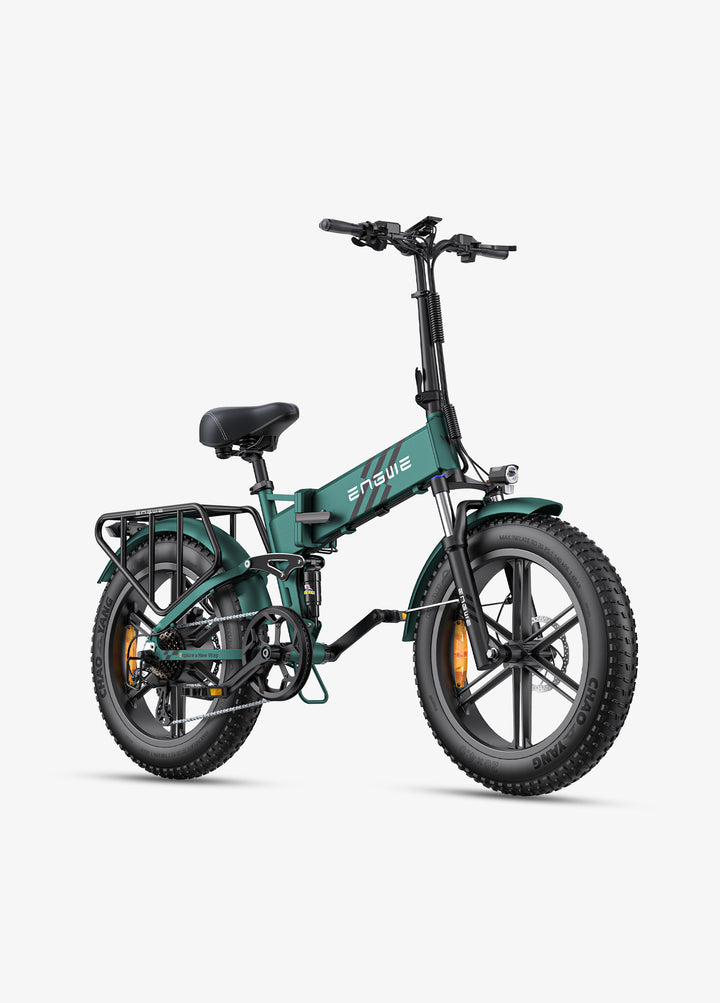
ENGWE ebikes follow the same sizing rules as other bicycles, but each model is designed with features that make fitting easier. Using a bike frame size calculator or bike size estimator before buying will help match your height to the right model. Here are three popular choices:
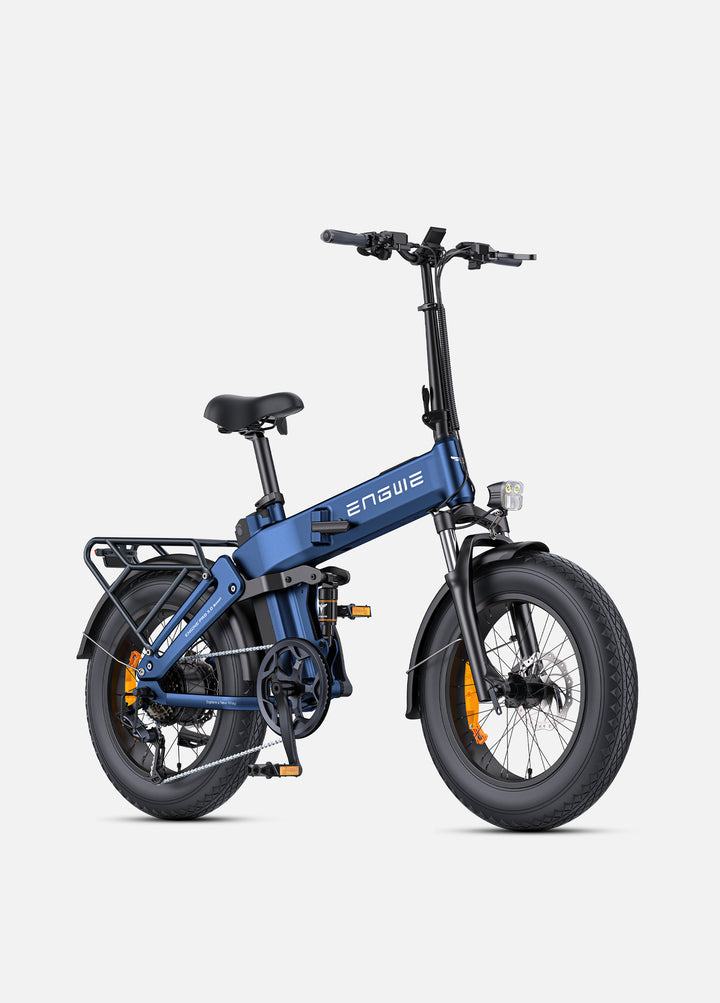
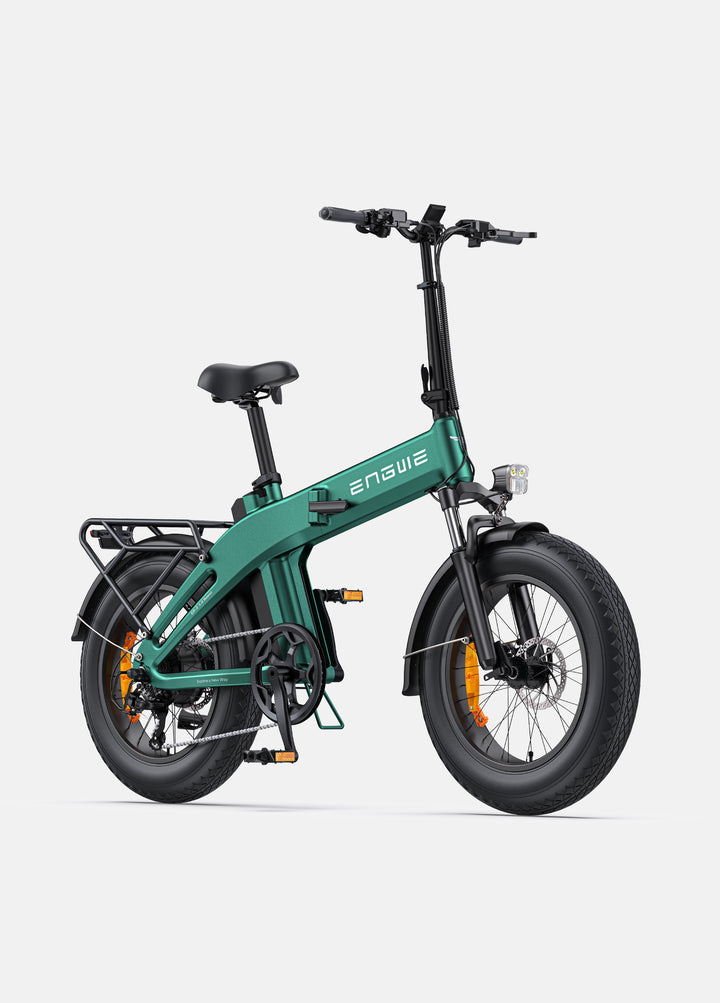
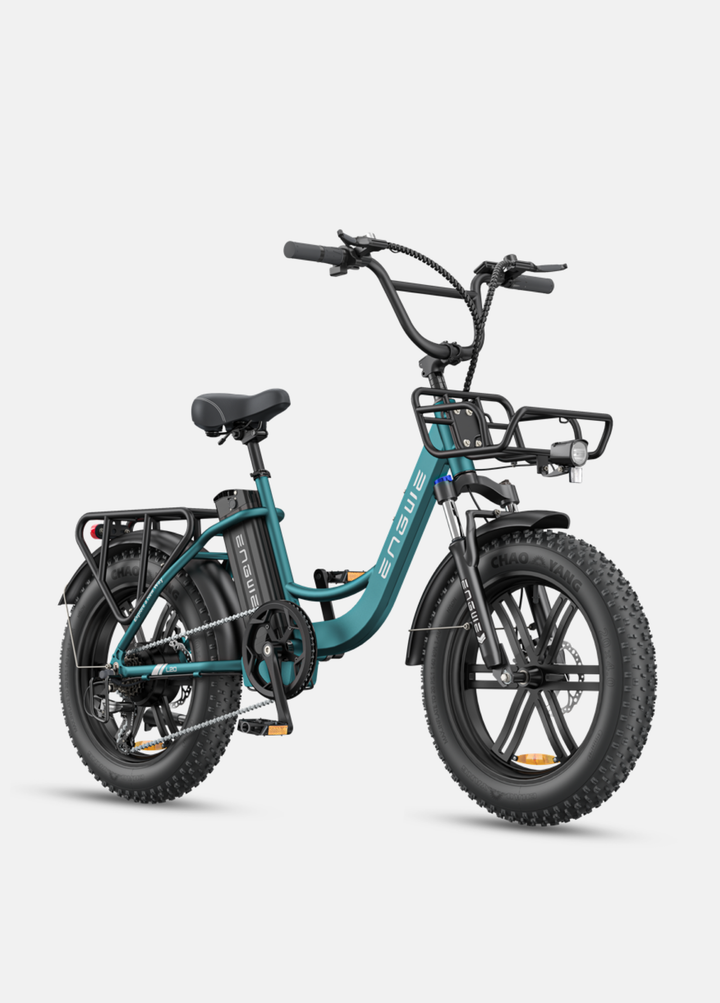
ENGWE M20 ebike – A compact frame made for city rides and short trips. It fits riders between 5.2 and 6.2 ft tall. Its standover height of 76.2 cm and low saddle setting make it comfortable for everyday use.


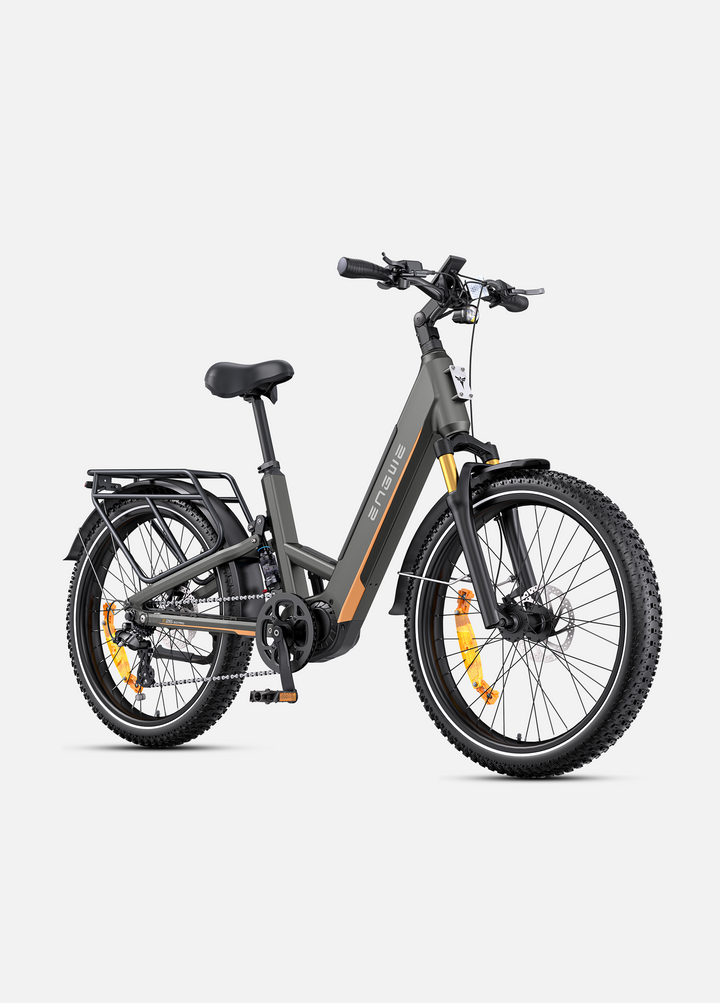
ENGWE E26 electric bike – This model uses a trekking bike size frame with large 26-inch wheels. It suits riders from 5.6 to 6.5 ft and offers a saddle range of 90–102 cm. It is a good option for commuting and longer touring rides.


By combining the numbers from a bicycle frame size calculator with the specifications of these models, you can be sure your engwe electric bike will provide comfort and control.
When to Use a Bike Measurement Calculator vs. Bike Size Estimator
Both tools help you pick the right bike, but they work at different levels of detail.
-
A bike size estimator is the quick option. It usually asks only for your height and sometimes inseam. This is fine for beginners who just want a starting point.
- A bike measurement calculator goes deeper. It uses inseam, torso length, and arm reach. With more data, it gives a closer match, especially if your body shape is not average.
If the result shows two possible sizes, think about your riding style. The smaller frame will feel more sporty and easier to handle. The larger frame will feel steadier and more comfortable on long rides. Checking with a cycle frame size calculator alongside these tools gives you the safest answer.
Final Thoughts
Finding the right bike is not about luck, it’s about using the right tools. A bike size calculator and a cycle frame size chart give you a safe starting point, so you don’t waste time or money on the wrong frame.
Whether you want a road bike, mountain bike, trekking bike, or an ENGWE ebike, sizing should always come first. Take your measurements, compare with a chart, and if possible, test the bike. A well-sized bike means more comfort, smoother control, and safer rides every single day.
Frequently Asked Questions
How do I figure out what size bike I need?
How do I figure out what size bike I need?
Measure your height and inseam, then compare the numbers with a cycle frame size chart or run them through a bike size calculator. This gives you the frame size, in centimeters or inches, that best suits your body.
Is a 26-inch bike good for what height?
Is a 26-inch bike good for what height?
A 26-inch bike usually fits riders between 150–165 cm tall. Taller cyclists may prefer 27.5" or 29" wheels for better comfort. Remember, wheel size is about rolling style, not fit. Always confirm frame fit with a bike frame size calculator.
What bike size for 160 cm?
What bike size for 160 cm?
If you are 160 cm, you likely need a 49–51 cm road bike or a 15–17 inch MTB. For accuracy, use a bike size estimator or a bicycle frame size calculator that includes inseam length, not only height.
What size is a 42 bike?
What size is a 42 bike?
A 42 cm bike frame is small and usually works for riders around 150–160 cm. It is common for trekking bikes and compact road bikes. To be safe, check your inseam against a cycle frame size calculator before buying.
What size bike for adult male?
What size bike for adult male?
The size for an adult male depends on body measurements. Most riders fit 52–60 cm road frames or 17–21 inch MTBs. Use a bicycle frame size calculator or a cycle frame size chart to confirm fit based on height and inseam.