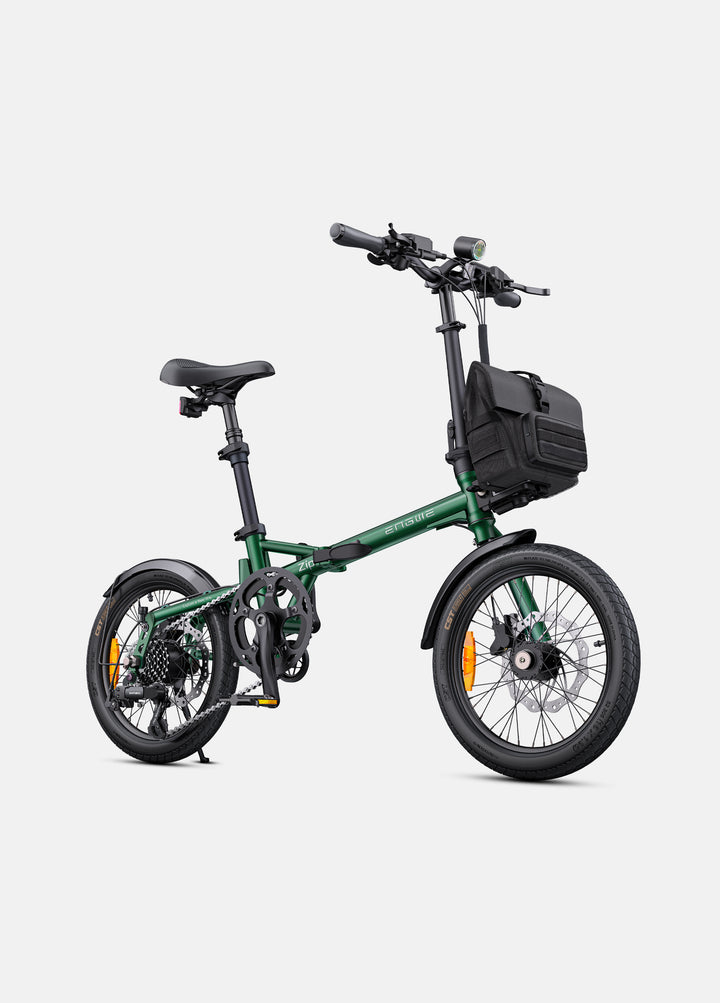
Choosing the right bike size is one of the most important steps before buying a bicycle. A bike that fits well feels safe, comfortable, and easier to ride. On the other hand, the wrong size can cause back pain, sore knees, or even accidents.
Many people ask, “What size bike do I need?” The answer depends on your height, leg length, and the type of bike you want. There is no single number that works for everyone. That’s why you need a bike size chart or a bike frame size chart to guide you.
There are two main ways bikes are sized. For adult bikes, the size is based on the frame measurements. For kids’ bikes, the size is based on the wheel diameter. Knowing this difference is the first step to finding your perfect ride.
This guide will explain everything in simple words. You’ll see a bicycle size chart by height, separate charts for road, mountain, hybrid, and kids’ bikes, and even tips for ebike sizing. We’ll also explain how to measure yourself at home so you can be confident when picking the right bike.

Understanding Bike Sizing Basics
Before using any bike size chart, it’s important to understand the basics of how bikes are measured. This makes it easier to compare models and check which size is right for your body.
Frame Size vs. Wheel Size
For adult bikes, sizing is based on the bike frame size. The frame is the main triangle part of the bike that holds the wheels, seat, and handlebars together. Frames are usually measured in inches or centimeters, depending on the bike type.
For kids’ bikes, sizing is different. Children’s bikes are measured by wheel size instead of frame size. For example, a 12-inch wheel bike is for toddlers, while a 24-inch bike is for older kids or young teens.
Important Measurements to Know
- Inseam length: The inside length of your leg from the floor to your crotch. This tells you how tall the bike frame should be.
- Standover height: The space between you and the bike’s top tube when standing over it. You should have at least 1–2 inches of clearance for comfort and safety.
- Reach: The distance from the seat to the handlebars. If the reach is too long, you may feel stretched out. If it’s too short, you may feel cramped.
- Leg extension: When sitting on the saddle with your foot at the bottom of the pedal stroke, your leg should be almost straight but not locked.
No Universal Size Chart
One thing to remember is that there is no single universal bicycle size chart. Different brands may measure frames in slightly different ways. For example, a 54 cm road bike from one brand may feel closer to a 56 cm from another.
That’s why size charts are a starting point, not an exact rule. When in doubt, always check the bike frame size guide provided by the manufacturer.

Bike Length Chart vs. Frame Size
Some riders search for a bike length chart when they really need a bike frame size chart. Length can vary by brand and style, so the better starting point is height, inseam, and reach. If you do check bike dimensions height comparisons, use them only to fine-tune comfort. For most people, bike length for height is less important than standover and reach.

Adult Bike Size Guide
If you’re asking what size bicycle do I need or what size of frame do I need for a bike, the charts below get you 90% of the way there. Road bikes are made for speed and smooth rides on pavement.
They have thinner tires, drop handlebars, and lightweight frames. Getting the right fit is very important because even a small difference in size can affect your comfort during long rides.
Road Bike Size Chart
Road bike size chart and road frame size chart (cm). Road bikes are usually measured in centimeters (cm), based on the seat tube length. Competitive riders often check a racing bicycle size chart to fine-tune fit for speed and performance. This number shows the vertical length of the frame.
But don’t worry, you don’t need to measure tubes yourself. Just check the bike sizing chart below to match your height and inseam to the right road bike frame size.
Road Bike Frame Size Chart (cm)
|
Rider Height |
Inseam Length |
Frame Size (cm) |
|
4’11” – 5’2” (150–158 cm) |
27–29 in (68–74 cm) |
47–50 cm |
|
5’3” – 5’6” (160–168 cm) |
28–30 in (71–76 cm) |
51–54 cm |
|
5’7” – 5’9” (170–175 cm) |
29–31 in (74–79 cm) |
54–56 cm |
|
5’10” – 6’0” (178–183 cm) |
30–32 in (76–81 cm) |
56–58 cm |
|
6’1” – 6’3” (185–191 cm) |
32–34 in (81–86 cm) |
58–61 cm |
|
6’4”+ (193 cm and above) |
34+ in (86+ cm) |
61–63 cm |
Mountain Bike Frame Size Chart
This mountain bike size chart also doubles as a quick mountain bike frame size chart. Mountain bikes are built for trails, rough paths, and off-road riding.
They have stronger frames, wider tires, and different frame shapes compared to road bikes. That’s why their sizing is often shown in inches or in general sizes like Small, Medium, and Large.
Mountain Bike Size Chart (inches & general sizes)
|
Rider Height |
Inseam Length |
Frame Size (inches) |
General Size |
Suggested Wheel Size |
|
4’10” – 5’2” (148–157 cm) |
25–27 in (63–69 cm) |
13–14 in |
XS |
26” |
|
5’3” – 5’6” (160–168 cm) |
27–29 in (69–74 cm) |
15–16 in |
Small |
27.5” |
|
5’7” – 5’9” (170–175 cm) |
28–30 in (71–76 cm) |
17–18 in |
Medium |
27.5” / 29” |
|
5’10” – 6’0” (178–183 cm) |
30–32 in (76–81 cm) |
19–20 in |
Large |
29” |
|
6’1” – 6’4” (185–193 cm) |
32–34 in (81–86 cm) |
21–22 in |
XL |
29” |
|
6’5”+ (195 cm and above) |
34+ in (86+ cm) |
23–24 in |
XXL |
29” |
Mountain Bike Wheel Sizes for Height
- 26-inch wheels: Best for shorter riders or those who want quick, easy control.
- 27.5-inch wheels (650b): A balance of speed and control. Great for average-height riders.
- 29-inch wheels: Roll smoother over rocks and roots. Best for taller riders or those who want more speed on trails.
Frame Styles and Fit
- Hardtail Mountain Bikes: These have a suspension fork in the front but no rear suspension. They are lighter, easier to maintain, and often cheaper. Good for beginners or smoother trails.
- Full Suspension Mountain Bikes: These have both front and rear suspension. They absorb bumps better and give more control on rocky or steep terrain. Usually preferred by serious trail riders.
Tips for Mountain Bike Fit
- Always check the standover height. When standing over the bike, you should have at least 2 inches of space between you and the frame’s top tube.
- If you are between two sizes, think about your riding style. A smaller size gives more control for tricks and jumps, while a larger size gives more stability for downhill or long rides.
- For comfort, adjust the seat height so your legs are almost straight at the bottom of the pedal stroke.
This section answers the question many ask: “26 inch bike for what size person?” Usually, a 26-inch bike fits riders between 4’10” and 5’2”, but today most adults prefer 27.5” or 29” wheels for better performance.

Hybrid & Trekking Bike Size Chart
Use this as your trekking bike size chart for daily riders and tourers. Hybrid bikes mix features of both road and mountain bikes. They are made for city streets, fitness rides, and light trails.
Trekking bikes are very similar but often come with racks, lights, and fenders for long-distance or commuting use. Both types give you a more upright riding position than road bikes, which makes them more comfortable for daily use.
Hybrid & Trekking Bike Size Chart
|
Rider Height |
Inseam Length |
Frame Size (inches) |
General Size |
|
5’0” – 5’4” (152–163 cm) |
27–29 in (68–74 cm) |
14–15 in |
Small |
|
5’5” – 5’8” (165–173 cm) |
28–30 in (71–76 cm) |
16–17 in |
Medium |
|
5’9” – 6’0” (175–183 cm) |
30–32 in (76–81 cm) |
18–19 in |
Large |
|
6’1” – 6’4” (185–193 cm) |
32–34 in (81–86 cm) |
20–21 in |
XL |
|
6’5”+ (195 cm and above) |
34+ in (86+ cm) |
22+ in |
XXL |
Fit Tips for Hybrid & Trekking Bikes
- Commuter bike fit: These bikes should feel comfortable for longer rides. A slightly larger frame may give better leg extension for daily commuting.
- Fitness bike sizing: If you plan to use it for exercise, make sure your reach is not too stretched. You should sit upright without strain on your back.
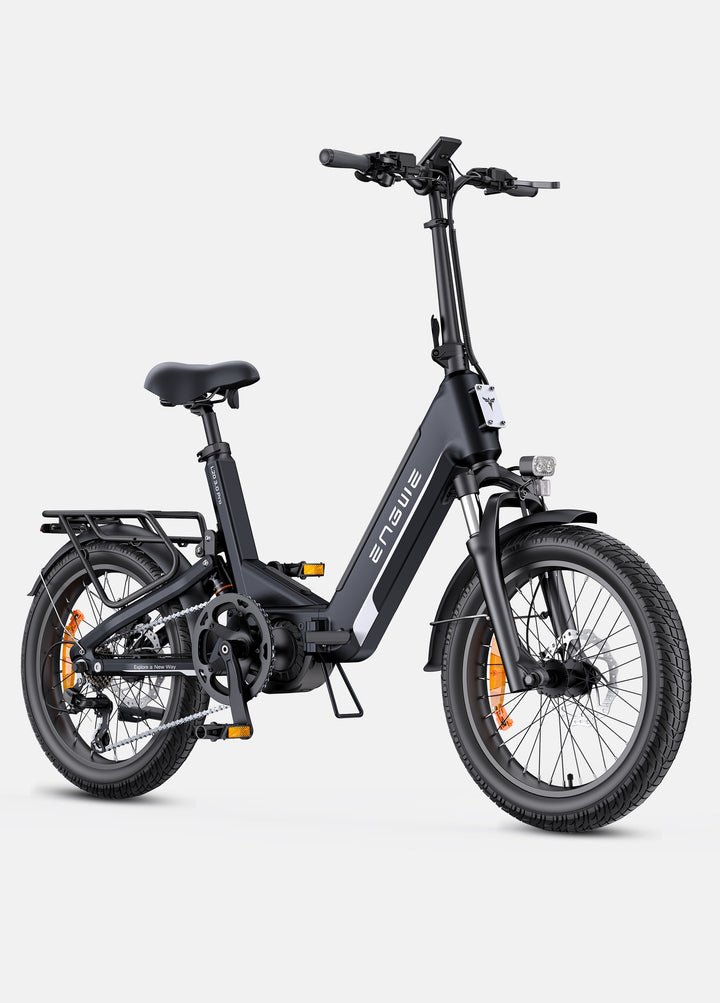
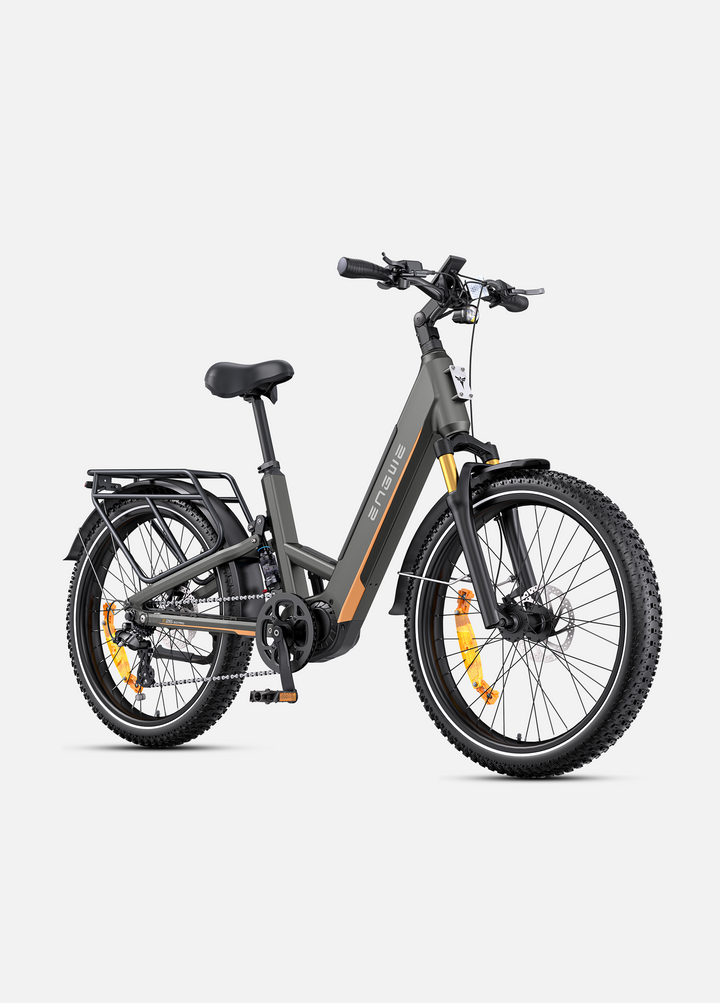
- Step-through geometry: Some trekking bikes and many ENGWE electric bikes use a step-through frame. This makes it easy to get on and off the bike, especially if you wear casual clothes or have limited flexibility.
What Size Frame Do I Need For a Bike
Two popular ENGWE ebikes are well into the hybrid and trekking category.
ENGWE E26 electric bike
This model comes with wide fat tires that add stability on city streets and longer trekking routes. It works best for riders between 5’6” and 6’5” and can carry up to 150 kg (330 lbs).
The frame offers a roomy fit with an adjustable saddle height, making it comfortable for both daily commutes and weekend rides.


ENGWE Engine Pro folding electric bike
A commuter-friendly option that combines folding convenience with solid ride quality. It suits riders from 5’4” to 6’2” and also supports up to 150 kg (330 lbs).
The bike adjusts easily to different heights and folds compactly for storage or transport, which makes it great for people living in smaller spaces or traveling with their bike.


If you’re wondering, “What size bike frame do I need for commuting?”, a hybrid or trekking size chart is your best guide. Just check your height and inseam against the table, then compare it with the brand’s own recommendations.
Kids Bike Sizes
Choosing the right bike sizes for kids is different from adults. Children’s bikes are measured by wheel size, not frame size. A 12-inch bike has 12-inch wheels, a 16-inch has 16-inch wheels, and so on. This makes it easier to match the bike to a child’s age, height, and growth stage. These bike sizes for kids make it simple to pick by age and height.
Kids Bike Sizes (Wheel Size Guide)
|
Wheel Size |
Child Height |
Approx. Age |
|
12-inch |
2’10” – 3’4” (85–100 cm) |
2–4 years |
|
14-inch |
3’3” – 3’7” (95–110 cm) |
3–5 years |
|
16-inch |
3’7” – 4’0” (105–120 cm) |
4–6 years |
|
18-inch |
3’9” – 4’3” (110–125 cm) |
5–7 years |
|
20-inch |
4’0” – 4’5” (120–135 cm) |
6–9 years |
|
24-inch |
4’5” – 4’9” (135–145 cm) |
8–11 years |
|
26-inch |
4’10”+ (145 cm and above) |
11+ years (moving into adult sizes) |
Tips for Parents
- Balance bikes: For toddlers, a balance bike (no pedals) is often the first step. It teaches balance and control before moving to a pedal bike.
- “What size push bike do I need?” If your child is under 5, look at 12-inch or 14-inch bikes (or a balance bike if they’re very young). For kids 5–7, a 16-inch or 18-inch bike works best.
- Growth spurts: Parents often wonder if they should “buy bigger so the child can grow into it.” While it may save money, a bike that’s too big can be unsafe. It’s better to choose a bike they can ride comfortably now.
- Test the standover height: Just like adults, kids should be able to stand over the bike with both feet flat on the ground.
Moving Up in Sizes
Kids usually outgrow their bike every 2–3 years. Once their knees start hitting the handlebars or they can’t extend their legs properly, it’s time to size up.
For young teens (11+), 26-inch bikes often become the bridge to adult sizes. PParents often ask about cycle size for height; our chart shows exact matches — and in this case, it works for older kids around 4’10” and taller, and also some shorter adults.

Measuring Yourself for a Bike
You don’t need fancy tools to figure out your correct bike size. With just a tape measure and a book, you can get the key numbers that match you to a bike frame size chart or bike wheel size chart. These bike measurements for height (or height and cycle size) guide you to the correct frame. Always confirm the cycle size against inseam before purchase. Here’s how to measure bike size at home with simple tools
Step 1: Measure Your Height
Stand straight against a wall with no shoes. Place a book flat on your head and mark the spot. Use a tape measure from the floor to the mark. This gives your full height, which is the first step in using a bike size chart by height.
Step 2: Measure Your Inseam
The inseam is the most important number for bike fitting.
- Stand with your feet about 6 inches apart.
- Place a book between your legs, pressing it up lightly like a bike seat.
- Measure from the floor to the top of the book.
This is your inseam length, which helps you find the right bike frame size.
Step 3: Check Standover Height
Stand over the bike frame (or a similar object). There should be at least 1–2 inches of clearance for road bikes and 2–3 inches for mountain bikes. This prevents injuries if you need to stop suddenly.
Step 4: Test Reach and Comfort
Sit on the bike seat and hold the handlebars. Your arms should be slightly bent, not fully straight. If you feel cramped or stretched, the reach is off. Adjusting the stem or handlebar height can help fine-tune the fit.
Quick DIY Bike Fit Formula
- For road bikes: Inseam (cm) × 0.67 = frame size in cm.
- For mountain bikes: Inseam (cm) × 0.66 = frame size in inches.
Example: If your inseam is 76 cm, then 76 × 0.67 = 51 cm road bike frame.
Why Measuring Matters
People often ask, “How to measure bike frame size?” This simple process saves you from buying the wrong bike. Even a 1–2 inch difference can make your rides uncomfortable.
These bike measurements for height (total height + inseam) map straight into your bike size chart by height. If you prefer UK wording, think height and bike size: the goal is matching cycle size for height so your cycle size feels natural and safe on every ride.
Choosing a new bike is exciting, but getting the right size is crucial. The wrong fit not only affects comfort but can also be a safety hazard. Use this simple calculator below—just enter your height and inseam to get a quick estimate of the right frame size for you, making your choice easier.
Ebike-Specific Considerations
Electric bikes, or ebikes, follow the same basic bike size chart by height as regular bicycles. The main difference is that ebikes are heavier because of the motor and battery. This added weight makes choosing the right bike frame size even more important, since balance and comfort matter more on longer rides.
Many city riders start on a traditional frame and later choose an engwe electric bike with a step-through or folding design for easier storage. If you’re reading an engwe ebike review or engwe electric bike review, compare their suggested height ranges with the charts here to keep sizing consistent.
Key Ebike Fit Tips
Frame size still matters: Always match your height and inseam to the right size, the same way you would with a regular bike.
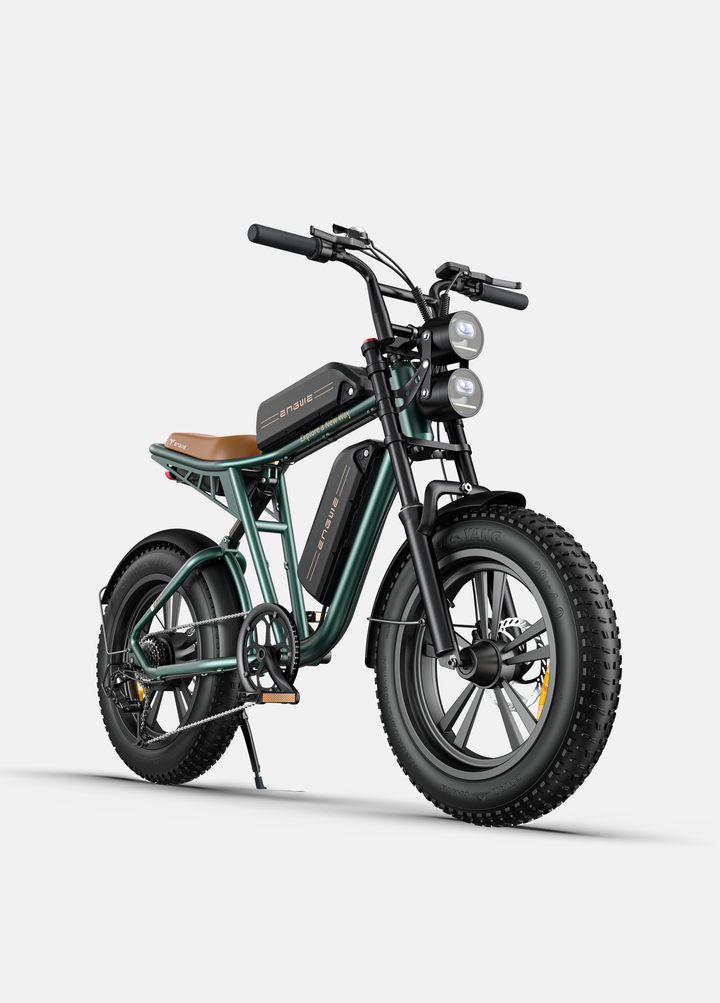
Fat tire ebikes: Fat tires add extra height and stability, which can feel taller than normal bikes. Always check standover clearance to make sure you feel balanced.
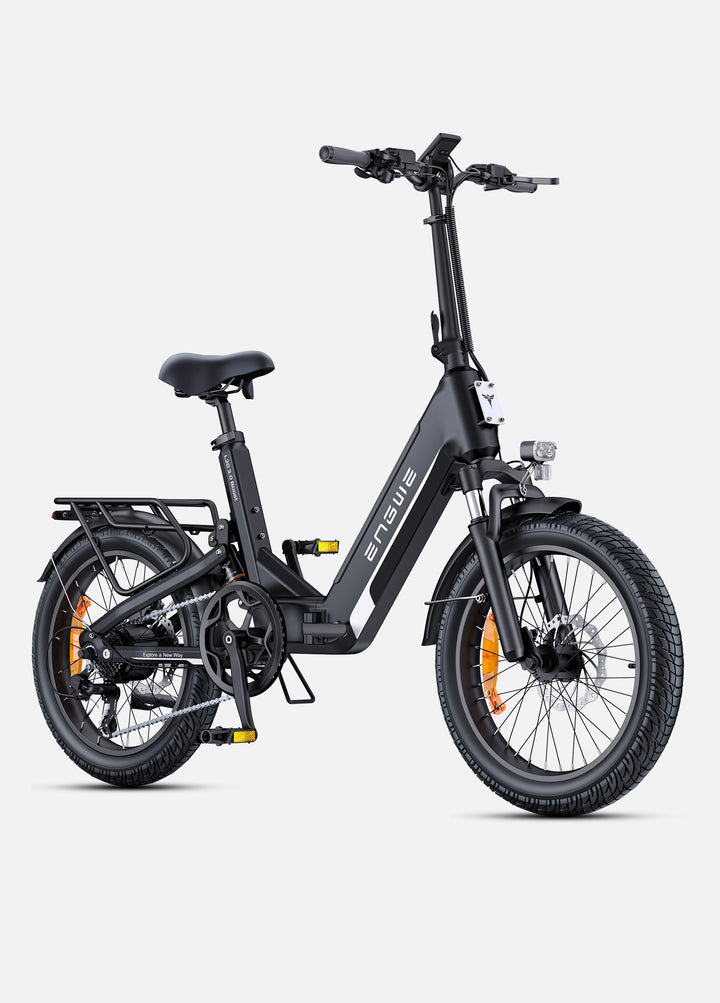
Step-through ebikes: If getting on and off a bike is difficult, a step-through frame makes life easier. The ENGWE L20 electric bike is a good example, designed for riders 5’0” to 6’2” with a low standover height for comfort.


Folding ebikes: Most folding models are one-size, but they include adjustable seats and handlebars. The ENGWE T14 folding electric bike is compact and ideal for storage or shorter riders. It adjusts well for people from 4’10” to 6’0”, making it a versatile option.


Why Ebike Sizing Matters
Many new riders ask, “Do ebikes follow the same size chart as regular bikes?” Yes, the rules are the same. But because ebikes weigh more, being on the wrong frame size can feel more unstable, especially at higher speeds. Picking the right fit helps with commuter ebike comfort, safe handling, and better battery use.
Final Thoughts
Correct bike sizes mean safer rides, better comfort, and less strain on your body. Charts give you a clear starting point, but small adjustments like seat height and handlebar reach make the final fit.
Always match your height and inseam with a bike size for height table to ensure comfort and safety, but small adjustments like seat height and handlebar reach make the final fit.
If you want flexibility, especially for commuting, models like the ENGWE step-through or folding ebikes are smart choices. Measure once, choose carefully, and your rides will always feel right. This mountain bike size chart also doubles as a quick mountain bike frame size chart.
Frequently Asked Questions
What size bicycle is right for my height?
What size bicycle is right for my height?
Use a bike size chart by height to match your frame size. For example, someone 5’7”–5’9” usually rides a 54–56 cm road bike or a 17–18 inch mountain bike. Always check both height and inseam for the best fit. Height and bike size go together; always measure inseam too.
How do I measure bike frame size correctly?
How do I measure bike frame size correctly?
Bike frame size is based on the seat tube length from the center of the bottom bracket to the top of the tube. But you don’t need tools, just use your height and inseam measurement with a bike frame size chart to find the right size.
Is a 26 inch bike suitable for adults?
Is a 26 inch bike suitable for adults?
A 26 inch bike usually fits older kids or adults under 5’2”. Taller riders often prefer 27.5” or 29” wheels for better speed and handling. While 26” was once the standard, it’s now more common in youth bikes and some folding or fat tire bikes.
Do ebikes follow the same size chart as regular bikes?
Do ebikes follow the same size chart as regular bikes?
Yes, ebike sizing works the same as normal bikes. The main difference is weight, since batteries and motors make ebikes heavier.