The Yamaha eBike name is built on decades of leading-edge motor innovation. Yamaha is no mere bicycle nameplate; it’s a leader in electric drive systems. Yamaha: This is a no-brainer for anyone in the industry. While Yamaha is EASILY the largest component supplier in the high-end electric bike segment and owns literal tons of intellectual property about bikes, they also produce their own line.
This Yamaha eBike review takes a look at the brand’s motor systems, 2025 models of note, and what makes Yamaha e-bikes stand out. It also recommends ENGWE Ebikes as choices for a variety of riders.
Overview of the Yamaha eBike Brand
The Yamaha eBike brand has been leading the way in electric cycling for more than three decades. It all began in 1993, when Yamaha introduced one of the earliest mass-market e-bikes as we know them today. Since then, the company has focused on developing frictionless and reliable motor systems.
Whereas most brands only build frames or a single component like the battery, Yamaha designs and manufactures its own motors, batteries, sensors, and control systems. This gives their bikes the feel of being center-weighted and providing a good, solid push.
The e-bike is reportedly running very quietly, the motor should be durable, and the pedal assist feels more natural than actuating.

Yamaha Motor & System Technology
What sets Yamaha apart is that they have designed their e-bike systems in-house, from the motor and battery to the sensors and control software. The PW-series (C2, ST, S2) and their newer PW-XM / PW-X3 offer consistent torque and help when you need it.
Features include Auto Support Mode (gradual power adjustment), Zero-Cadence Assist (provides powerful instantaneous take-off during start-up), and multi-sensor fusion (torque, cadence, speed) technology for smooth, natural pedaling you have to feel to believe. OEM support for it is widespread, with many bike manufacturers using its systems on account of their durability and integration.
For 2024/25, Yamaha rolled out the PW-XM—a lighter and higher torque (up to 85 Nm) motor that also packages into existing bike frames. This move demonstrates that Yamaha is heading towards a sportier and more mountain-capable setup as no one ever has to compromise.

Popular Yamaha Ebike Models
The following are some of the Ebike Yamaha models that you ought to know:
Yamaha YDX-MORO 07
This is Yamaha and their full-suspension electric off-road machine. It uses the PW-X3 motor, which has a maximum torque of 85 Nm. The frame configuration is described as Dual Twin, leading to a low center of gravity and better off-road balance.

Yamaha Wabash RT
The Wabash RT is a multi-surface Yamaha e-bike built for road and gravel adventures. It offers speed and comfort whether you are a weekend rider or a daily commuter.

Yamaha CrossCore RC & Civante
The second type of e-bike which is offered by Yamaha is the urban and fitness e-bikes. Their CrossCore RC is for mixed riding – city roads / light trails. The Civante is also equipped with endurance road geometry, which provides comfort for everyday riding.

Strengths & Limitations
Strengths
- High-quality parts and system integration.
- Smooth, natural pedal assist.
- Plenty of motor choices for a variety of use cases (commute, trail, gravel).
- Strong OEM reputation and support.
Limitations
- More expensive — Yamaha eBikes are pricier than entry-level electric bikes.
- Systems weigh more than ultra-light commuter e-bikes.
- There may also be some motor units which require proprietary parts or special treatment.
ENGWE Ebike Alternatives
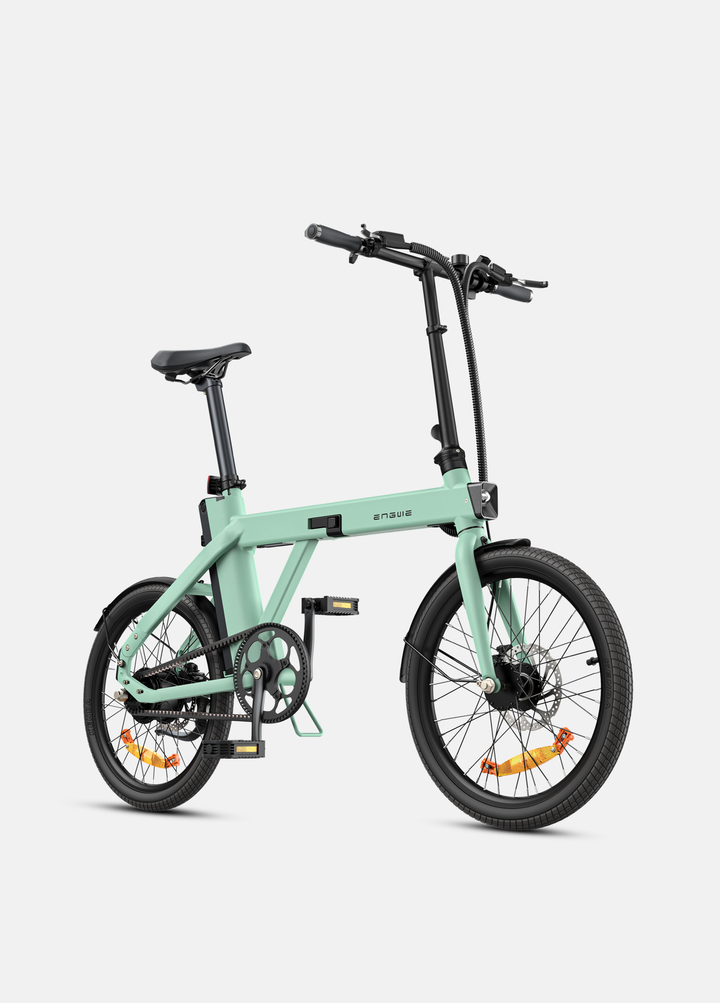
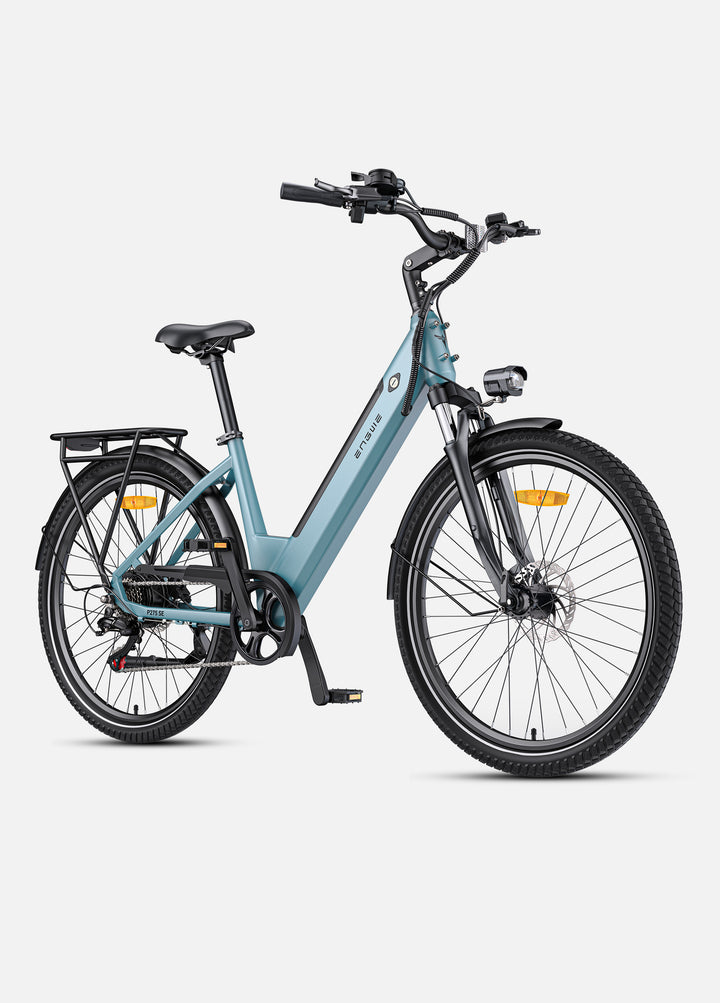
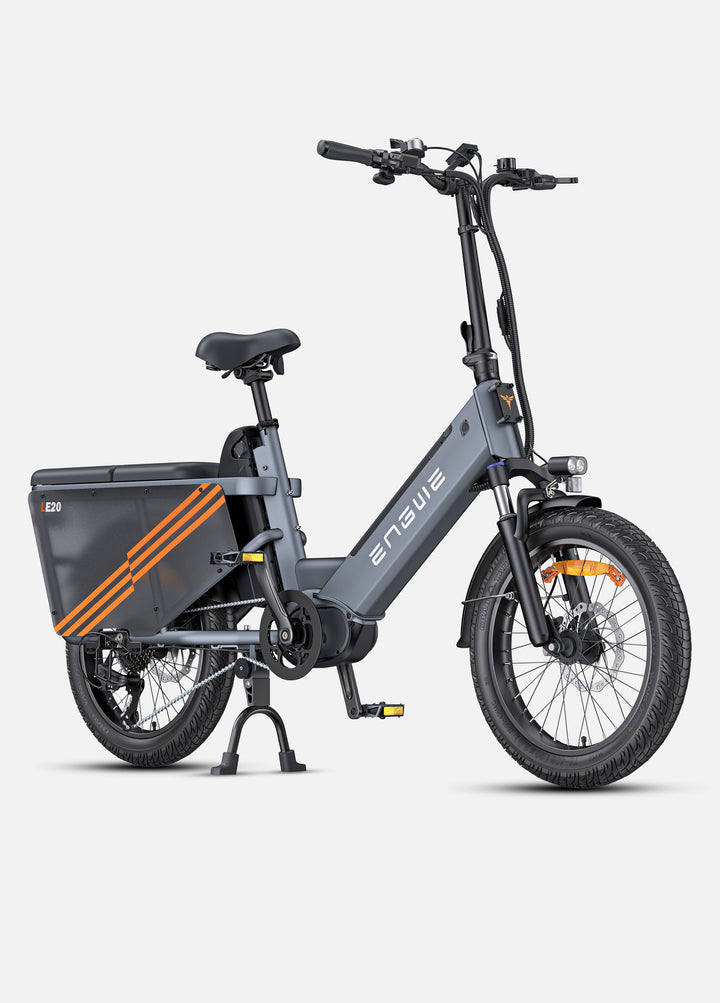
While the Yamaha eBikes are adaptable to smooth and integrated systems, when a rider wants something sportier or cheaper, they will more often than not turn to ENGWE ebikes.
ENGWE M20
The ENGWE M20 is a fat-tire full-suspension e-bike that makes you feel both comfortable and in control no matter where you are riding. The frame has a long-neck, motorcycle-esque feel that gives it an aggressive stance yet remains doable for anyone who plans to cover serious distances.
Key Features
- Motor: 48V brushless, 55 Nm of torque
- Battery: Choice of single 13Ah or twin 26Ah
- Max range: 75 km (PAS 1)
- Brakes: Front & rear disc
- Weight: 34.8 kg (net)
- Charging time: Around 5 hours

ENGWE M1
The ENGWE M1 is for e-bike riders who want something beefy that looks awesome and goes a long way. It’s designed like a little motorcycle, but it rides easily on city streets or backwoods trails. The frame feels solid in your hands, and the two shocks smooth out the bumps. You sit up straight, the bars are wide, and you don’t get a sore back on long runs.
It goes for longer, since it has space for two batteries. Lights in the front and back, as well as turn signals, provide safety when it’s dark. It is built to last and it feels confident under you, not ropey.
Key Features
- Motor: 48 V, 250 W brushless (65 Nm torque)
- Battery: 1 x 15.6Ah or 2 (13Ah + 15.6 Ah)
- Range: Around 90 to 170 km with pedal assistance
- Tyres: 20 * 4 fat tyre, good road-holding force
- Fork: Twin shocks (for smooth riding)
- Brakes: 160mm hydraulic discs that bite hard

Conclusion
Yamaha eBikes are designed for cyclists who just want to bike; it runs smooth, reliable, and strong so they never have to give up. Yamaha has been manufacturing motors for a long time, and you can feel it when you ride one. The power comes on smoothly, not jerky, and the motor noise is muted.
The YDX-MORO 07 is for the folks who love trails and rough paths. The CrossCore RC is optimized for urban riding, and the Wabash RT can handle both road and gravel. Each of them feels durable, not flimsy or cheap.
If you want an electric bike that is built to last, looks great, and is easy to maintain, an eBike from Yamaha is a no-brainer.
Frequently Asked Questions
Are Yamaha eBike motors good?
Yes. Yamaha is known for building really robust, efficient assist, and long-lasting motors. Yamaha drives are well known in various bike brands.
How far can Yamaha e-bikes go?
Battery life will vary depending upon the battery size, charger type, assist level, terrain, and rider weight. The 500Wh systems from Yamaha will often experience a range of about 50-80 miles (80-130km).
What is Yamaha’s battery design?
Yamaha uses an in-frame battery design that fits various frame adaptations. Their Multi-Location set-up ensures that designers can freely position the battery.
How many foot pounds of torque does a Yamaha motor have?
Low to entry-level models start from 50–60 Nm. The new PW-XM and PW-X3 motors are capable of 85 Nm torque.
Where Can I Purchase a Yamaha Ebike For Sale?
Yamaha e-bikes are sold through authorized Yamaha dealers and those bike shops that sell the power assist models, as well as the official e-bike website of Yamaha.