An Introduction to the Yamee E-Bike Ecosystem
The growing electric bike market can make you feel like you’re riding through a dense, unexplored forest. To a noob, brands come out swinging with epic claims and wild designs, and it can be a lot to absorb when deciding on your next ride. Of the would-be competitors, Yamee has created a unique place, buying into that macho market looking for power, presence, and whatever a Chinese take on rugged might be. I decided not to go for a straightforward review of a single model, but a more comprehensive look into the Yamee ecosystem as a whole, to give you a clear picture. We will take a look under the hood of each of their e-bikes, look at the ride experience and key factors to consider, before you make the decision on whether a Yamee e-bike is the right companion on your ride.
While having a varied range of products that suit different kinds of users and different usage scenarios, there is a common theme that binds them all – performance. The first step in choosing one is knowing what they offer. The company separates its electric bicycles into named models, some of which are part of a larger series. Here's a rundown of some of their most popular models right now:
Fat Bear Series (Flagship Fat Tire)
XL-Rider (Moped-Style Cargo/Utility)
T-Eagle (Retro Moped-Style)
S-Shark (Full Suspension Fat Tire)
Falcon Series (High-Performance Moped)
Revolt (Cafe Racer Style)
Fuego (Step-Thru Fat Tire)
Cruiser (Classic Beach Cruiser Style)
The Yamee Riding Experience: Power in Motion
To truly comprehend a Yamee electric bike, you have to look past the spec sheet and experience the ride. We zeroed in on a couple of their best and most traditional models—the Fat Bear 750S and the XL-Rider. The Fat Bear 750S is, in a lot of ways, the purest Yamee. It is the kind of bike that starts commanding attention the moment you throw a leg over it. The massive 26x4.0 inch fat tires, strong contrasting all-terrain tread pattern, and the all-steel, hand-welded and powder-coated frame make a statement. Throw a leg over and the seating position is both upright and commanding, affording you a clear look down the road. Boot it up, and the LCD is clear and easy to read. It's the real thing from the first twist of the throttle or push of the pedal. The 750W hub motor is no slouch — it’s a screamer. There's a sudden rush of very strong acceleration that can catch you off guard if you are not prepared. It doesn’t coddle; it encourages you. On all-tarmac, that means simple and easy high-speed cruising. But the Fat Bear really shines on less-than-ideal surfaces. On a gravel path, the fat tires and front suspension fork tag team to soak up an enormous amount of vibration, transforming a jarring ride into a smooth hover. The bike feels solid, steady, and confidence-inspiring. The 7-speed Shimano gearing offers you sufficient range for different inclines; however, to be honest, with this amount of motor assistance, you tend to rely on the throttle more often than not. It’s a fun, almost motorbike-like experience.
On the other hand, the XL-Rider is about moving from all-terrain aggression to utilitarian comfort. It evokes the soul of a moped, with a long and comfortable bench seat that can easily accommodate a passenger or a bag of groceries. Practically, the step-thru design makes it great for everyday riding (you can hop on and off with gear loaded on the rear rack). The ride is smooth and supple. The XL-Rider shares a similar all-motor ethos with the Fat Bear, but its delivery strikes us as tuned for comfortable city cruising rather than trail-chewing. The bike rides predictably, and its headlight and taillight are bright and well-positioned for visibility. Riding the XL-Rider is more about traveling without working hard than simply going out for a workout. It’s a useful workhorse hidden underneath a hip retro ride, and it feels like freedom.

Key Considerations Before You Buy a Yamee
But what else does a potential customer want to know, and what else will secure their long-term happiness? There are several things you should think about before getting a Yamee.
First is the brand’s central tenet, which they call Power. Most of the Yamee e-bikes have extremely high-wattage motors, 750W or higher (1000W in many cases), which is their calling card. It provides exhilarating acceleration and takes the hills away. But you have to decide for yourself if this kind of power squares with your local laws and your own comfort level. For some, it’s a great fit; for others, it might be more than they need.
Next, dissect the construction and assembly. Yamee bikes are bulky and sturdy machines. The frames are sturdy, with smooth welds — they certainly feel as if they’re built to last. When it comes, prepare for a big, heavy box. Assembly is compatible with anyone who knows how to turn a wrench. The difficulty level will be straightforward for 90-100% of people. You'll just need to attach the front wheel, handlebars, pedals, and fenders. But due to the bike’s weight, you’d be best off having an extra pair of hands. The parts used are a combination of recognizable big-name brands (Shimano for the drivetrain) alongside in-house or lesser-known brand parts (brakes, suspension). It is a trade-off many in this price bracket opt for to keep costs down.
The third key factor is the audience. Yamee is not for the minimalist or the ultra-lightweight purist. It’s for the rider who is looking for something big, powerful, and very comfortable. It’s for an individual, perhaps moving up from a scooter or motorcycle, or a cyclist who wants to get to the top of the hill without ever breaking a sweat. They stand as statements, for utility (the XL-Rider) or pure, unadulterated fun (the Fat Bear). They’re meant to be seen and to be aggressive.
Finally, consider your long-term ownership experience. The large batteries yield impressive range, but real-world mileage on any e-bike will always vary based on rider weight, terrain, and how much you use the throttle versus pedal assist. This helps manage expectations realistically.
| Feature | Yamee Fat Bear 750S | Yamee XL-Rider | Yamee T-Eagle |
|---|---|---|---|
| Motor | 750W Brushless Geared Hub Motor | 750W Brushless Geared Hub Motor | 750W Brushless Geared Hub Motor |
| Battery | 48V 14.5Ah Removable Lithium-ion | 48V 14.5Ah Removable Lithium-ion | 48V 17.5Ah Removable Lithium-ion |
| Rated Max Range | Up to 55 miles | Up to 55 miles | Up to 65 miles |
| Tires | 26 inch x 4.0 inch Fat Tires | 20 inch x 4.0 inch Fat Tires | 20 inch x 4.0 inch Fat Tires |
| Brakes | 180mm Hydraulic Disc Brakes | 180mm Hydraulic Disc Brakes | 180mm Hydraulic Disc Brakes |
| Gear | Shimano 7 Speed | Shimano 7 Speed | Shimano 7 Speed |
| Frame Style | High-Step Fat Tire | Step-Thru Moped-Style | Step-Thru Retro Moped |
| Key Feature | Superior all-terrain performance, front suspension | Long bench seat for two riders, utility | Unique eagle frame design |
| Suspension | Front Suspension Fork | Front Suspension Fork | Front & Back Suspension |
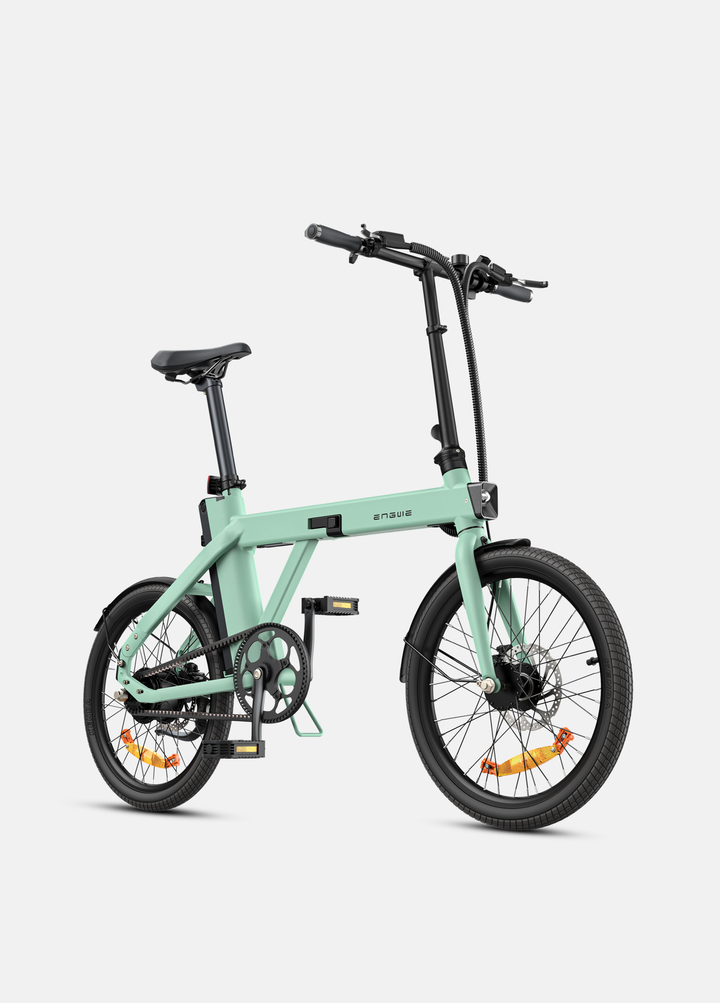
An Alternative to Consider: The ENGWE EP-2 Boost
And although Yamee has brilliantly met the market’s call for raw power and moped style, there is another group of riders looking for a different blend of attributes, focusing on refinement, efficiency, and smart technology. For such customers, a brand like ENGWE is definitely worth looking into with its EP-2 Boost model. The ENGWE EP-2 Boost offers an interesting alternative philosophy. It runs a legally approved 250W motor, but that is very misleading. Its engineering is the magic: an advanced Torque Sensor that amplifies your power for a truly intuitive cycling experience that is designed to feel just like a normal bike, so you never feel like you're riding an electric bike. Then when the going gets really tough, hit the Boost button, and the motor has a massive 55Nm of torque at its disposal. A handlebar-mounted control with a boost button puts this power just a flick of your thumb away. This intelligent power delivery, matched to a large 48V 13Ah battery, gives an exceptional maximum range of 120km, making the EP-2 Boost the perfect e-bike for those with range anxiety.

The EP-2 Boost is also a work of art in terms of practicality. It’s a foldable electric bike, able to fold down nice and small for storage and travel. Thanks to its folding design, it is surprisingly sturdy and comes with 20x4.0 style tires mounted on sturdy one-piece wheels to handle varied surfaces, and is adorned with 180mm front and rear disc brakes for safety. Equipped with a Shimano 7-speed, fenders, and a rear rack, the ENGWE EP-2 Boost is designed for riders who seek the most capable commuting experience, one that mixes elegant activity with electric assistance.

Frequently Asked Questions (FAQ) for Potential Yamee Owners
How does the power of a Yamee e-bike translate out in the real world?
It is the power behind it that is most characteristic. It’s not a soft push; it’s a strong shove. And on either the 750W or 1,000W version, when you begin to ride from a standstill using the throttle, it feels more like a gentle scooter than a bicycle. Pedal assist, similarly, is aggressive, and even in its most benign setting, you absolutely "feel" the assist. This is great for climbing steep hills without huffing and puffing, as well as easily keeping pace with traffic in the city. But it needs a rider who can rein in that kind of acceleration. It's not so much about a natural, traditional cycling experience as it is about aggressive, vehicle-like transportation.
Are Yamee electric bikes hard to put together at home?
They’re not too complicated or anything, but they’re heavy. Most jobs involve, at most, mounting the front wheel, handlebars, saddle, and pedals – and sometimes a fender or rack. Yamee usually offers some tools and instruction. The only real downside is the bike’s weight and heft, which might make it a two-person job to move it around during assembly. If you're not comfortable doing simple mechanical tasks or don't want to lift heavy things (the average bikes weigh 70-90 lbs), paying for professional assembly at a local bike shop can be a worthwhile expense for ease and sanity.
How far can I actually go on a Yamee battery?
Yamee does give projected maximum ranges, but your real-world mileage will vary quite a lot. The primary factors are how you use the throttle, how much pedal assist you use, how heavy the rider is, what the terrain is like, and even tire pressure. Depending on how much you use the throttle and how fast you drive in hilly conditions, you might also get 40-50% less range than the maximum stated range. You can get much closer to the claimed range if you use a low level of pedal assist on flat ground. As a general rule of thumb, you can look forward to 25-40 miles of easy riding on a single charge, and for most daily rides and weekend excursions, that’s more than plenty.
Is a Yamee e-bike a good option to use for a daily commute?
Depending on the model and your commute, it certainly can be. Take the XL-Rider, for instance — a solid, comfortable, step-through rear-loaded cargo bike that would be great for a commuter. Any commute, hills included, is a breeze with the strong motor. The fat tires make for a comfortable and stable ride over potholes and rough pavement. Generally, the big issues are weight and security. These are heavy bikes to lug up stairs to an apartment or office, and their flashy design makes a good lock a must-have. If you have the kind of commute and parking where your Yamee would be secure at ground level, it could be a very good and fun commuting tool.
What is Yamee’s customer service & warranty?
Because they are a direct-to-consumer brand, the best way to get a hold of them is through their website by email or contact form. The experience is reportedly hit-or-miss, not unusual for a lot of brands in this category. They usually include a standard one-year warranty on major components — such as the frame, motor, and battery. For smaller problems, they might ship you the parts to install yourself or at a local bike shop. For larger problems, you will need to have a more in-depth chat with their support. We recommend viewing some of the latest customer service feedback and being ready to take the conversation into your own hands if an issue occurs.
But in the end, a Yamee electric bike is an unabashed attempt to harness power, presence, and practical fun.