Why Shoppers Trust Wirecutter for E-Bike Reviews
The world of electric bikes can indeed be overwhelming. Given the abundance of brands, specs, and price points available, feeling confident in your decision can be daunting. It’s why so many potential buyers are hunting for that “Wirecutter e-bike review.” What they want is clarity, evidence, and an independent judgment from a source they trust. That’s why you don’t just want a list of specs; you need a comprehensive guide that breaks down all that technical jargon so that when it comes time to make that final purchase, you’ll know how a bike is going to feel and perform on your daily commute and, eventually, fit into your life. This article is one such guide. We get into the nitty-gritty of what sets Wirecutter’s top-recommended models apart, the finer details of their performance, and arm you with all the intel you’ll need to decide whether one of the models they recommend is the best purchase for you.
Typically the site's picks are not organized by one brand name, but by how they work for a specific purpose, with the priority being to serve the best option for what you need. Basically, their top-selling electric bikes are:
The Commuter Series
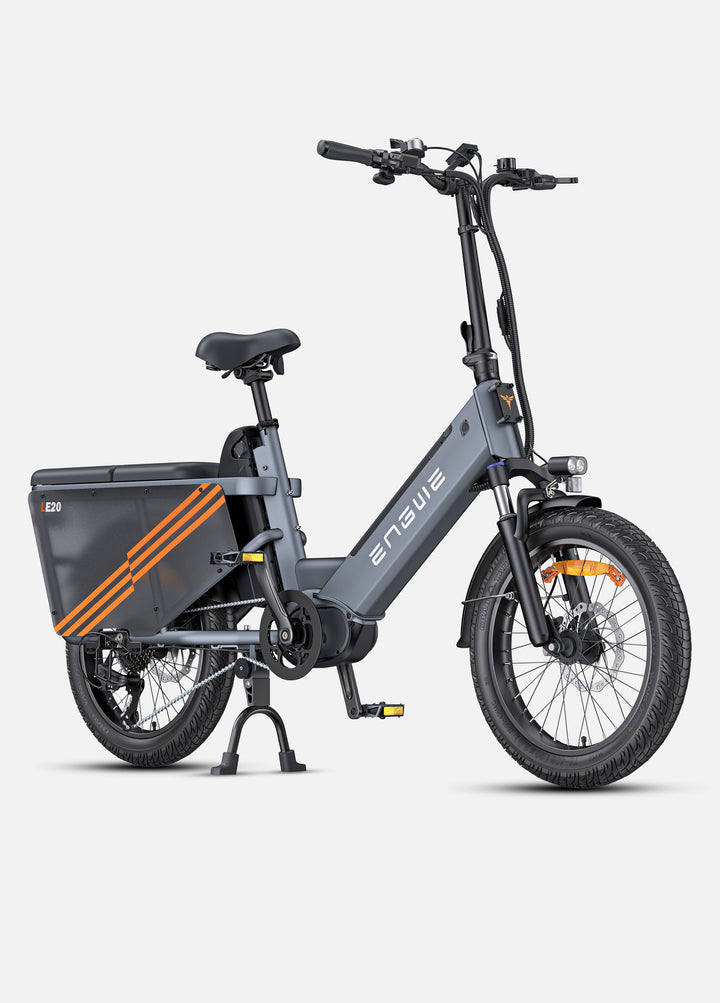
The Utility & Cargo Series
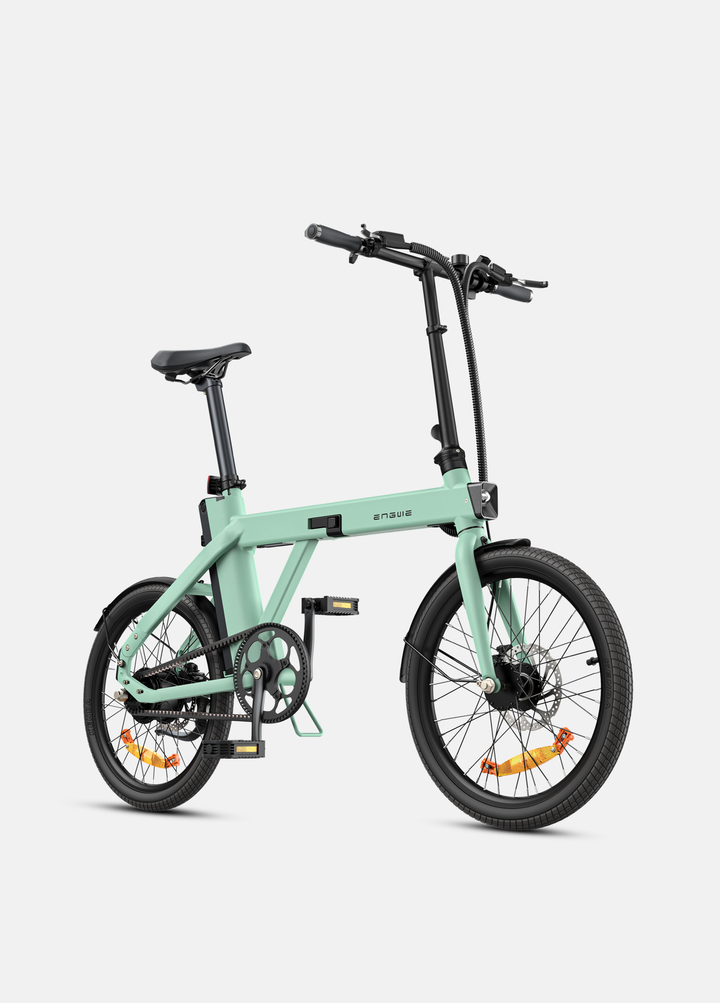
The Folding Series
The All-Terrain Adventure Series
The Cruiser Comfort Series
Understanding the Ride Feel of Top E-Bike Categories
Let's jump into the ride experience of one of Wirecutter’s most popular recommended categories, one that emphasizes the feeling and practical application that specifications can’t capture. The Commuter Series stands as an ode to the swift and efficient. The pedal-assist is both natural-feeling and smooth from your first push, especially when you’re navigating city streets. On and off one, you don’t feel as though you are driving a motorized device so much as harnessing a superpower. You glide forward away from red lights and traffic. The riding position is a happy medium between comfort and control — upright enough to take in the view but slightly forward for strong, efficient pedaling. You observe the smart addition of things like built-in lights that keep you visible for a post-dusk ride home and fenders that prevent your work clothes from getting smudged after a surprise puddle. The feel falls right in step with your daytime activities.
Now onto the Utility & Cargo Series, and the first thing that can be said about it is that it is as solid as a rock. These bikes are the pack mules of the e-bike kingdom. The build feels downright substantial, and the lower center of gravity — often at least partially due to a smaller rear wheel or a step-through design — gives a rider a fair amount of confidence even under load. The feel of the motor is different, too; it’s less about zippy acceleration and more about raw, consistent torque. It becomes most apparent, perhaps, when climbing a steep hill with a week’s worth of groceries in its back basket: The bike doesn’t struggle; it just goes. What you really begin to love is the flexibility. One day it’s your child’s school run chariot, the next it’s a delivery vehicle for your side hustle. It's a good, solid, predictable ride and very useful because this really is a form of transport that's not a daft bike but a real car replacement for a lot of local journeys. The All-Terrains have a cloying (just about) sense of freedom. They roll over bumps and broken pavement effortlessly with their fat tires, and when you turn onto some gravel or a dirt trail, that’s when these bikes really shine. It’s a sensation of limitless potential, urging you to ride where you’d never ride a regular bike.

Key Considerations Before You Buy
Be sure to look beyond the ride experience when making your purchase decision, and check which long-term factors will ultimately matter most to you. Typically Wirecutter's picks shine here, but that’s just a universal point every buyer has to consider.
First, consider assembly and maintenance. The bulk of the bicycles are shipped directly to consumers. Are you OK with simple mechanical assembly (screwing on the handlebars, pedals, and front wheel)? While many brands offer a high-quality instruction manual and tools, some buyers would consider spending that little bit extra and having the bike assembled at a local bike shop. Furthermore, think about long-term service. Where are you going to bring it in for a tune-up or when an electronic part fails? Creating a relationship with a local shop that’s e-bike-friendly is a smart thing to do.
Secondly, investigate the reputation of the brand’s customer support. Look for reviews that discuss their service department. A good bike from a bad company can be a really big pain.
Third, let’s look further into the battery. The quoted range is a best-case-scenario number. How much juice you have left, of course, depends on your weight, the terrain, how much (or how little) assist you choose to use, and also the temperature. Be honest with yourself about your needs and maybe pick up a slightly larger battery pack than what you think you need, just to put your mind at ease.
And last, but not least, think about the accessory ecosystem. Does the brand produce nicely integrated racks, baskets, bags, and kid seats for your model? A well-crafted assortment of accessories can hugely improve the bike’s versatility and make it a better fit for your life.

High-Tech Alternatives and Common Questions
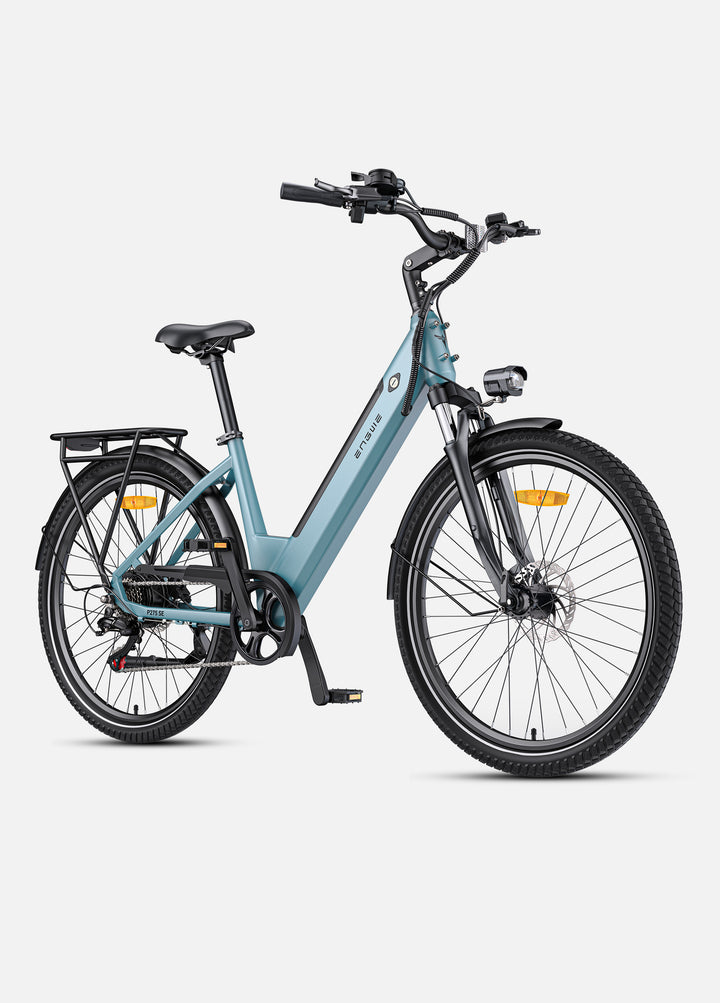
Though Wirecutter’s picks are great stock options if you want reliability and other simple measures of quality, if you’re looking for a more refined ride that makes use of contemporary technology, you may also want to think about some of the options that are truly game-changers in design and performance. One among the best in this niche is the ENGWE P275 SE. This is the electric bike built for the smooth-riding city slicker. The highlight is a high-level smart torque sensor, which takes the ride experience to a completely new level. Unlike simpler sensors, it reads your actual pedaling input, and 50 times per second (or 100 times per second when multiplying with the rear wheel sensor – more on that in a moment), the cranks tell the bike how much power actuation is required in an instantaneous manner that feels totally natural and intuitive, an extension of your own effort. This is driven by ENGWE’s E-SATS system, an AI algorithm that makes dozens of calibrations per second in order to guarantee that the power delivery is perfectly smooth. The effect is an impressively smooth ride, one without any of the jerky takeoffs or pauses prevalent among inferior e-bikes. And all these high-tech capabilities are accompanied by remarkable stamina: when fully powered, the perfect Paris is capable of traveling up to 100 km on a single charge from its detachable 36V 13Ah lithium-ion battery. It is designed for a relaxed Dutch-style upright position and features an ergonomic swallow handlebar and shock absorbers for relaxed rides. Functionality is sophisticated in its DNA; hydraulic disc brakes, a color, full-featured LCD display with app connectivity, and a seven-speed Shimano gear system, where the powerful and compliant 250W motor is a game-changer for city riding. For the cyclist who enjoys a perfect mix of smart tech, handsome design, and fantastic ride feel, the ENGWE P275 SE stands out as a great choice.

Wirecutter Recommended E-Bike Category Side-by-Side by Parameter
| Feature | The Commuter Series | The Utility & Cargo Series | The Folding Series |
|---|---|---|---|
| Best For? | Urban Commuting, Power Efficiency | Cargo & Passenger Carrying Power | Multi-Modal Traversal + Storage |
| Motor Power (Standard) | 250W - 500W Hub Motor | 500W - 750W Geared Hub Motor | 250W - 500W Hub Motor |
| Capacity of Battery | 400Wh – 600Wh | 600Wh – 900Wh+ | 350Wh - 550Wh |
| Top Speed (Assist) | Class 1 (20 mph) or Class 3 (28 mph) | Class 2 (20 mph throttle) or Class 3 | Class 1 or Class 2 |
| Frame Style | Step-through or high-step | Step-through or Moped-style | Low-step, mid-folding mechanism |
| Tire Size & Type | 700c or 27.5 inch road/hybrid tires | 20 or 24 inch fat or semi-fat tires | 16 or 20 inch road/hybrid tires |
| Weight Limit | 275 lbs / 125 kg | 350 - 400 lbs / 158 - 181 kg | ~250 lbs / 113 kg |
| Key Benefit | Agility, speed, professional good looks | High payload, stability, adaptability | Portability, compact storage |
| Integrated features | Fenders, lights, rear rack included, rack integrated, optional front basket | Integrated racks and baskets common | Usually minimal for weight savings |
5 Questions From Prospective E-Bike Buyers
What's the Difference: Torque Sensor vs. Cadence Sensor?
This is one of the most pressing technical questions when it comes to choosing an e-bike, as it will directly affect how the bike feels on the road. A cadence sensor is an on/off affair: it simply sees that you are pedaling and tells the motor to add a fixed amount of power based on one of the assist levels (e.g., Level 3 always gets 300W). This can feel jerky or artificial because the power doesn’t correspond to your effort. A more sophisticated torque sensor measures how hard you are actually pushing on the pedals. If you push lightly, it provides a small amount of power. If you grind up a hill, it provides a lot more help, immediately. So you get a much more natural, intuitive ride quality and feel that your power is being returned to you. It also has the ability to be more efficient and has been shown to enhance battery range.
How much maintenance is actually required on an electric bike?
Electric bikes need all the same maintenance as regular bicycles, as well as a few e-bike-specific checks. You should do routine checks of your tire pressure, maintain a clean, lubricated chain, and check your brake pads for wear. For the electric drive components, good “maintenance” is proper battery care: not letting it sit in a completely discharged state for months, keeping it stored at a moderate temperature, and charging it with the proper charger. It’s a good idea to have this done professionally once per year; as part of that service, a mechanic should check all of the components, reach out to the company for any new firmware updates, and make note of potential issues with the motor or battery.
Can I actually ride my electric bike in the rain?
For the most part, yes. Good electric bikes are built with water resistance in mind; they’re typically rated to a standard like IPX4 or IP54, which means that they’re able to take a splash and some rain from any direction. You can hammer through a downpour without fretting about frying the electronics. But this doesn’t mean they’re waterproof. You should never submerge it or the battery pack and motor, and pressure washing your e-bike is not recommended as the forceful water can push its way behind seals. It is a good idea to give the bike a wipe-down after a wet ride, especially on the electrical connections.
What is an "e-bike Class" and why is it important to know?
It is useful to know the different e-bike classes, so you’ll have a better idea of where you are allowed to ride.
Class 1: The motor only assists when you’re pedaling and it cuts out at 20 mph. These are generally permitted on any bike paths or lanes.
Class 2: Has a motor that can be engaged via a throttle, which stops assisting at 20 mph. Laws may differ, as some bike paths may not allow the use of a throttle.
Class 3: Like Class 1, the motor only assists when you are pedaling, but it will assist you up to a higher speed of 28 mph. They are generally not permitted on multi-use paths and are usually limited to roads and on-street bike lanes.
The right class for you depends on your local laws and what you intend to use the bike for.
How do I pick the right size e-bike for my frame?
On both an e-bike and a regular bike, selecting the proper size is just as important and affects comfort, control, and safety. The most crucial is standover height: the distance from the ground to the top tube of the frame. You should be able to stand over the bike with both feet flat on the ground; ideally, you should have an inch or two of room to spare. The majority of manufacturers will offer a rider height guide for each model's specifications. Pay close attention to this. Also, consider seatpost and handlebar adjustability. A bike that allows you to pedal with a full leg extension and a relaxed reach to the handlebars will minimize stress on your back, neck, and knees on longer rides.
The perfect electric bike for you is the one that feels like it becomes a natural, seamless part of your every day and brings joy while you are sailing around.