Leasing often appears to be a cheaper, more convenient way to have the newest goods — from vehicles to electronic devices. The appeal of a low monthly payment is strong, but in most cases, that convenience disguises a tangle of limitations, hidden costs and long-term financial risks. "Before you outlay (hundreds or thousands) of pounds for something that could be a year, two years or more, it is important to look at what's behind the 'too good to miss' figures and make sure there are no hidden cons which could leave you high and dry with empty pockets and regrets."
The Financial Pitfalls of Leasing
First of all, leasing is a perennial financial morass because you own $0 of the vehicle. You use a lease to... err… rent, and you build no equity in your possession. Unlike financing the purchase of a car, your monthly lease payments don’t help you build up any ownership stake. When the lease is up, you are left with only the option to lease again or leave without anything to show for it. This never-ending cycle of payments can be far pricier in the end. Consider these fundamental financial disadvantages:
No Asset Accretion
As long as you are using a lease, all payments are rent. At the end of the agreement, the product is returned and you have nothing to show for it, no asset to sell or trade in, nor an equity position that can be used towards a next purchase. This is a distinct opportunity cost when compared to owning.
Costs More Over the Long-term
Even though the monthly payment is lower, over time you end up paying more than you would have had you purchased the item initially. By the time you’ve rented three in a row over seven to nine years, your overall outlay may have exceeded what you would have paid for one car that had 'purchased' stamped on its rump and that was then kept throughout.
Down Payments Go Poof
A lot of leases will call for a down payment, which they might refer to as a capitalized cost reduction. This payment is non-refundable. If the item you’re leasing gets stolen or is totaled in an accident early in the term, you’ve forfeited that entire down payment — and potentially even more fees.
The Money Factor
Leases don’t come with a standard interest rate. The calculations are done from this figure instead of an interest rate; they use a "money factor," a complicated decimal number representing the financing charge. This is often less clear and sometimes even pricier than a regular auto loan interest rate.
The Strict Rules and Inflexibility of Lease Agreements
It’s all about rules in the leasing agreements: lots of them, very limiting and with very stiff financial penalties if you don’t stay within those lines. This inflexibility can transform a relationship of convenience into a stressful, costly commitment. You don’t own it, and the leasing company is beholden to some pretty firm guidelines on how you can use their asset. Before signing, make certain that you are familiar with these widespread limitations:
Mileage Limits
This is one of the most infamous cons. Leases include an annual mileage allowance, which ranges between 10,000 and 15,000 miles. Cross that amount, and you’ll face hefty per-mile fees that can tack thousands of dollars onto your final bill. Key Tip: Don’t be afraid to be brutally honest about your driving lifestyle. It is best to agree on a higher mileage allowance up front, even if it pushes your monthly payment a little higher, rather than expose yourself to an enormous penalty at the end.
Excessive Wear and Tear Charges
What constitutes "excessive" is at the sole discretion of the leasing company, not you. Small dents, interior stains, wheel scuffs or windshield chips that you may put up with in a car you own can become enormous repair bills when it’s time to return a lease. Step You Can Take: Always give your car a thorough lookover with a company rep when returning it, and obtain a copy of the report so you can dispute any unfair costs.
No Changes Allowed
You are not allowed to alter or modify any leased item. And that means no performance enhancements, no custom paint or wraps, and no installing permanent accessories. It cannot be altered in any way or a charge will be taken when returning the item. This significantly restricts your ability to customize the product to meet your expectations.

The Psychological and Practical Downsides
In addition to the financial and contract barriers you might face, leasing puts a mental and practical wall between you and something you use every day. The continual reminder that it doesn’t belong to you can take away from the pride and joy of actually owning it. This “renter’s mentality” has a few challenges of its own, and they’re mostly forgotten in the face of the appeal of it not being our problem. Here are a few reasons it can feel like you don't own your vehicle:
Insurance Requirements
The lease will always require higher, more expensive coverage than what you might otherwise carry. That often includes gap insurance, to cover the difference between an insurance payout and the amount left on the lease if the item is stolen or totaled. This is an insidious, recurring cost in your budget.
Restricted Freedom of Use
The terms of the lease may include some categorical restrictions. For instance, some car leases bar taking the vehicle outside the country or using it for a ride-sharing service, constraining how you can use something you pay $300 a month for.
Products Often Leased with Poor Value
Be cautious when leasing products where the economics are particularly bad.
Smartphones: When you lease a phone you end up being held captive in one company’s walled garden, with no easy way to switch services. Over two years, the amount can easily exceed the phone’s retail price.
Furniture: Furniture rental or lease agreements tend to have very high interest rates. For a low-quality item, you can pay three or four times the market rate.
Laptops: Because technology changes so rapidly, you could be left paying for an outdated model throughout your lease term.
Navigating the Complex Lease Contract
The lease itself is complex, and that's a huge con. These contracts are typically riddled with industry-speak and confusing computations that may mask the actual cost of, and commitment to, the agreement. A lease involves several factors that can be played around with in the dealer's favor, which is not true about a "straight" purchase agreement. There is virtually no possibility of getting out of this rigid contract without a financial wallop.
Early Termination Penalties
Shit happens. A job loss, new location or a growing family might mean you have to break the lease early. But it is exorbitantly costly to do this. You're usually on the hook for the remaining monthly payments or a convoluted termination fee that can run into thousands of dollars. Crucial Point: A lease is not a short-term rental; it is an ironclad, multi-year financial obligation.
A Minefield of Fees
Prepare to see a whole host of fees that pop up throughout the lease lifecycle. An acquisition fee at the beginning, a security deposit, and then some kind of disposition fee in the end, which is simply a fee for returning the item.
Understanding the Lingo
If you want to protect yourself, you need to know what the key terms mean.
Capitalized Cost: That’s the negotiated price of the item. The lower the capitalized cost, the lower your monthly payments.
Residual Value: This is the leaser's guesstimate of how much this thing will be worth at the end of the lease. You have no choice in this but it significantly affects how much you pay.
Gross Capitalized Cost: The capitalized cost plus any other fees added to the lease.

An Alternative to Leasing: The Freedom of Ownership
Rather than rent life, consider the freedom and long-term value of ownership. That's how it works. Every single payment goes towards the equity of your high-quality product, which you are given free range to use and do whatever you want with.
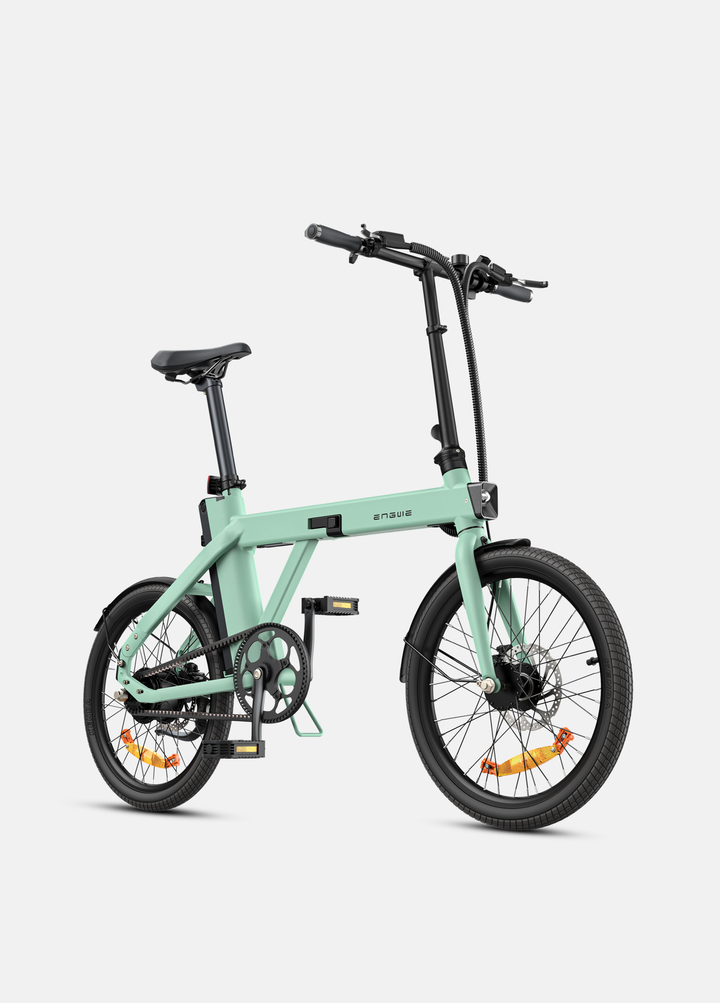
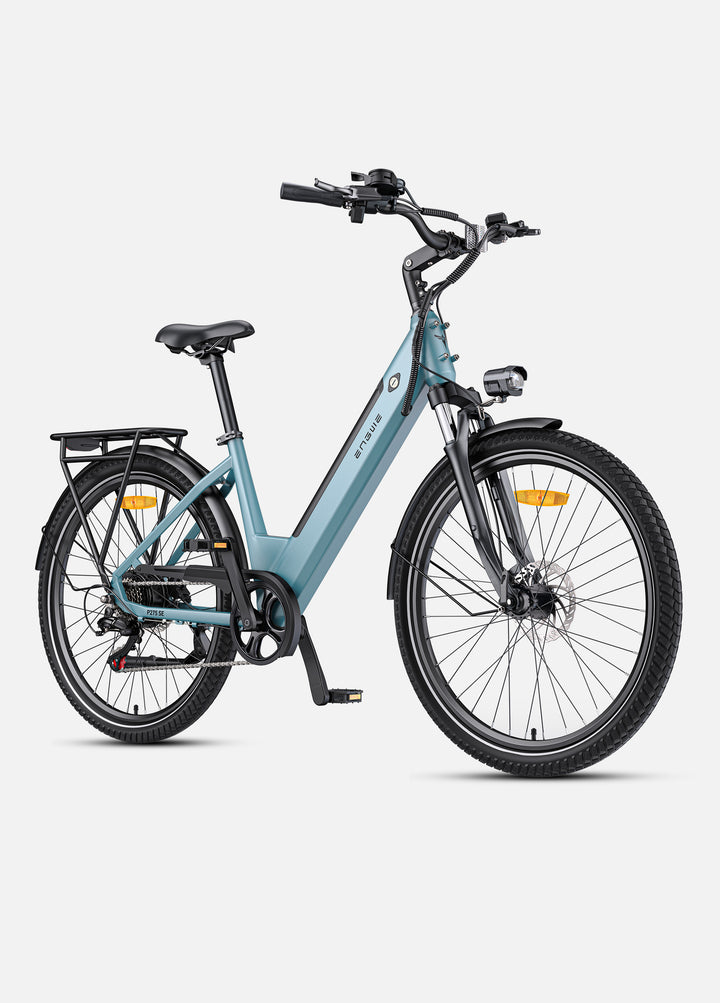
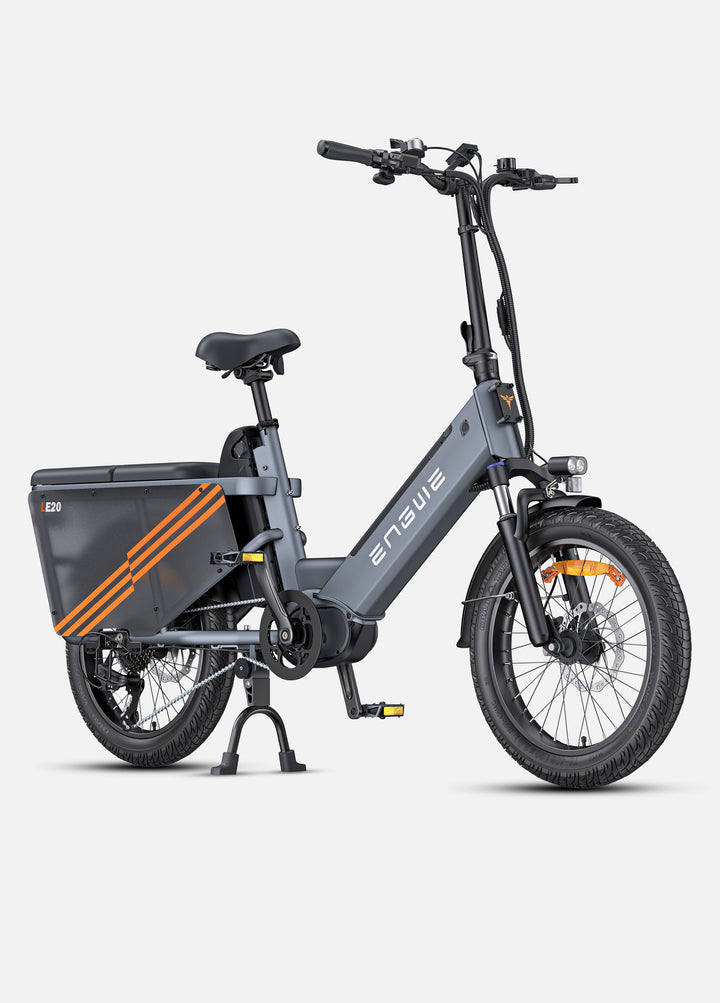
A good example of a smart, empowering buy is the Electric Bike.

Having a personal mode of transportation such as the ENGWE EP-2 Boost gives unrivaled freedom from mileage limitations and wear-and-tear concerns. This fat tire all-terrain electric bike is not only for transportation, it’s also excellent in the wild. Its intelligent torque sensor provides smooth, instantaneous power delivery while a Boost Mode makes it easy to tackle steep hills. It’s not like a leased car — you can take it anywhere, drive on any road or terrain without worry of penalty. This well-made, long-lasting product will serve you for many years, making it a one-time investment in your freedom and safety.

| Specification | Details |
|---|---|
| Model | ENGWE EP-2 Boost Spark – Upgraded electric bike with rear-wheel drive and aluminum chassis. |
| Motor | 250W brushless motor |
| Max Torque | 55 Nm (in Boost mode) |
| Battery | 48V*13Ah Removable Lithium-Ion, Long life with electric protection circuit |
| Max Distance | 120 km (In PAS 1) |
| Brakes | 180mm Disc Brake, Mechanical |
| Tires | 20" x 4.0" All Terrain Fat Tires |
| Drivetrain | Shimano 7 Speed |
| Sensor | Torque Sensor |
| Wheels | Strong one-piece wheels |
| Maximum Load | 150kg (330 lbs) |
| Features | Folding Frame, Front Suspension, LCD Display |
What is the ultimate reason to never lease a new car?
The lack of fairness is the single greatest downside. You pay thousands over that term and you literally get no asset or value for it at the end.
Are you capable of bargaining on a lease agreement?
Absolutely. The capitalized cost (the price), the mileage allowance and the down payment can each be negotiated to help reduce your monthly payment — and, ultimately, lower what you’ll pay overall.
When could it possibly make sense to lease?
It could make sense for businesses that can deduct the cost as a business expense, or for those with a specific, short-term need for a new item and who value low monthly payments above all else.
In the end, these cons will help you decide upon a path to ownership and financial freedom.