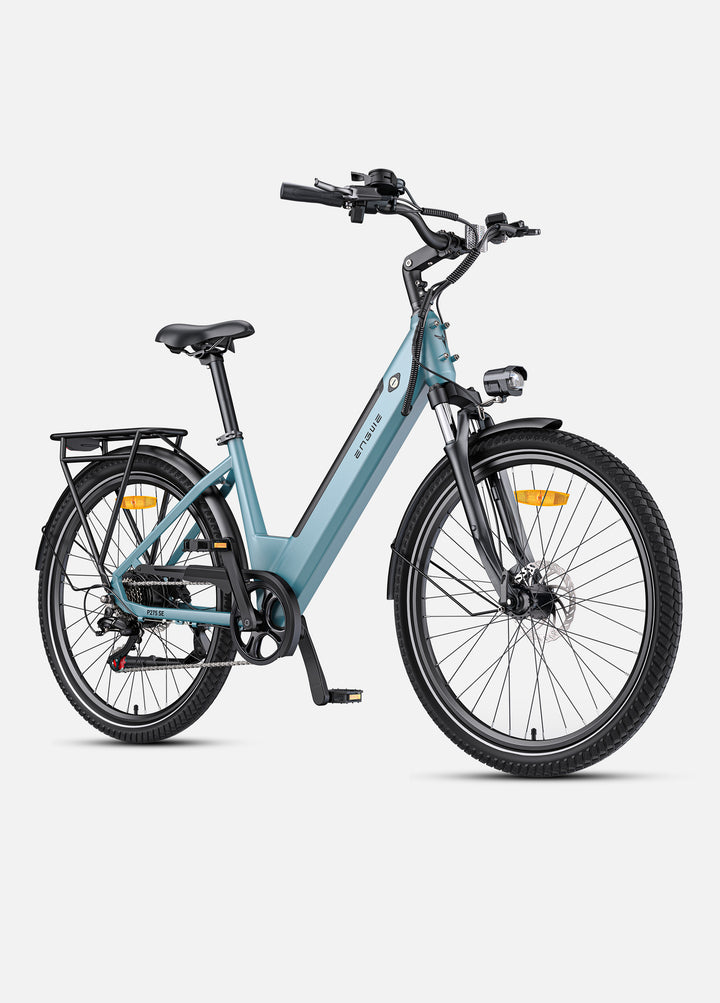
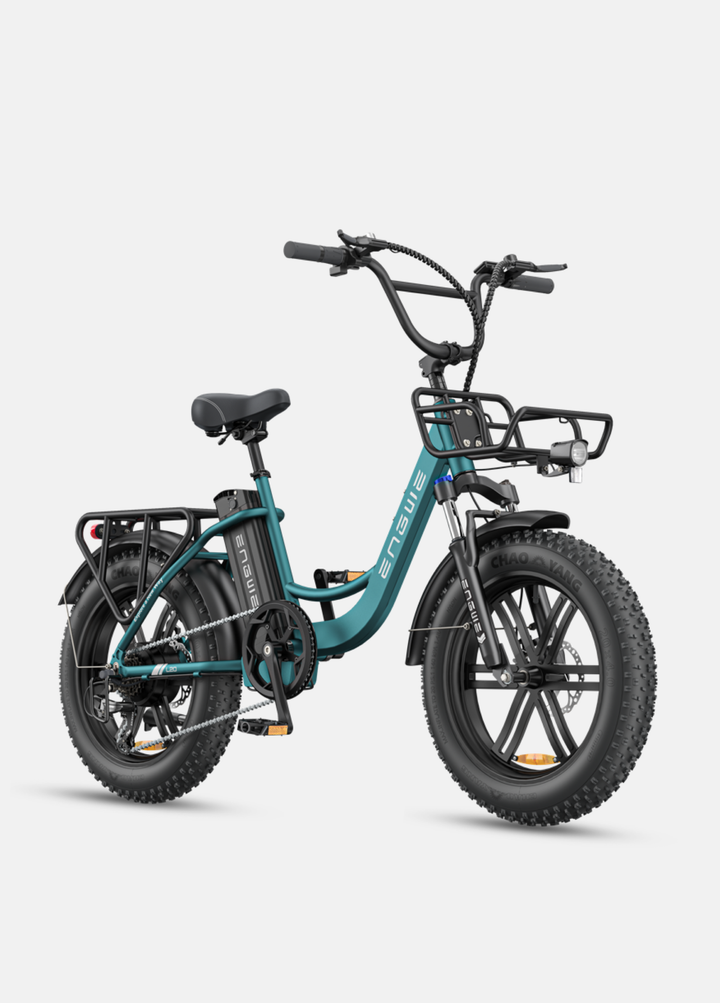
When deciding on an e bike electric bicycle for a trip that lasts for many days, the choice should go beyond its looks and its motor. There are things like battery capacity, riding comfort, mileage, tires, and the types of road conditions that you would be riding on that determine whether it would be enjoyable or not to ride this bike. This article provides information about five electric bicycles that are suitable for a longer trip.
The following five bicycles have been chosen taking into account different types of riding, various aspects of comfort, different types of motors, and battery capacities.

Top 5 Electric Bikes for Long Trips
If you are planning a long ride, then you need a bicycle that is appropriate for your route and allows you to have an ergonomic posture. Here are some bicycles that come in different shapes and functionalities.
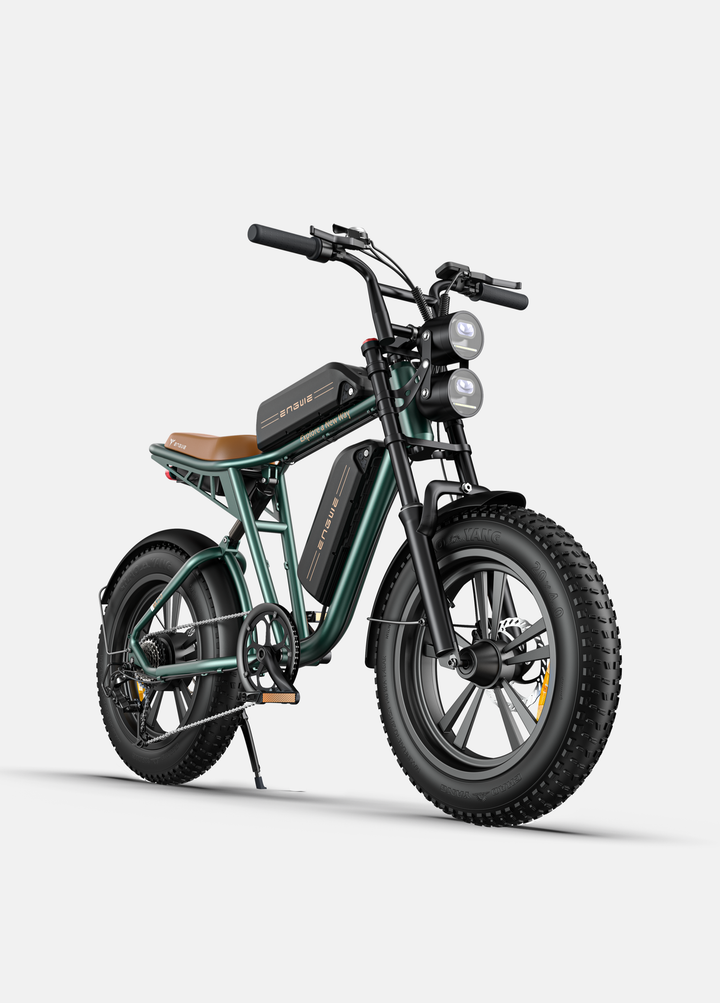
1. ENGWE M1 — Moped-Style Comfort for Longer Journeys
The ENGWE M1 is a bike that resembles a motorcycle and is suitable for people who seek a unique appearance as well as comfort while riding. It comes with a motor system according to the EU standard, which offers 65Nm of torque for hill assistance.
With its moped-style design, it is comfortable and solid, thus being the right choice for leisure rides as well as traveling within the city and countryside. Given that it is built as a long-range bike, the ENGWE M1 should be taken into account among e bike electric bicycle options.


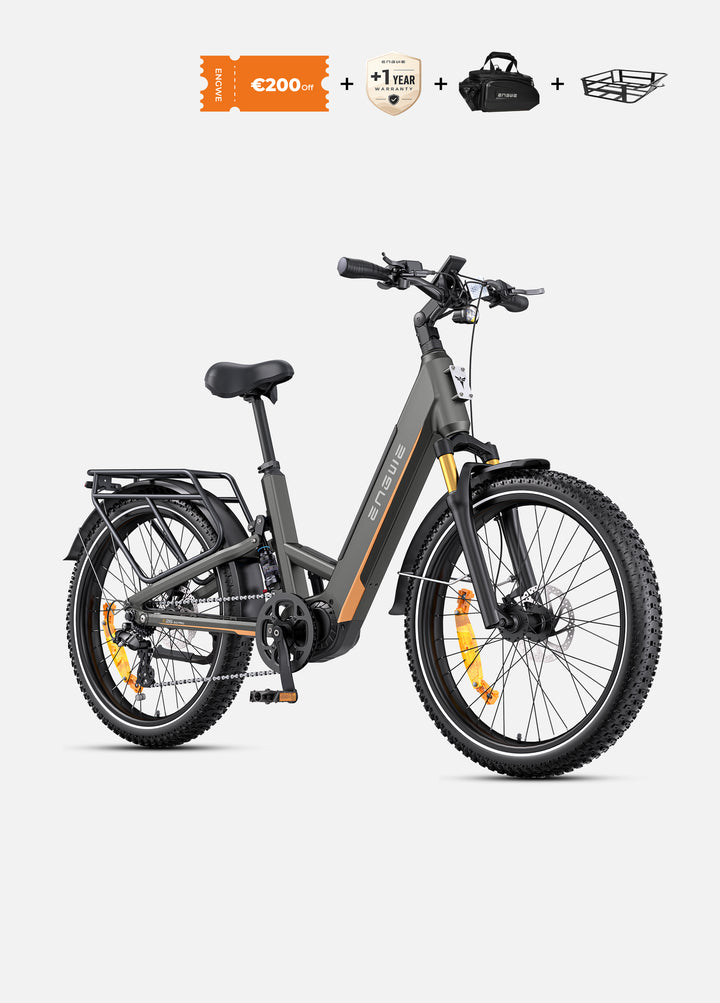
2. ENGWE E26 3.0 Pro — Full-Suspension Power for All-Road Riding
The ENGWE E26 3.0 Pro bike features a mid-drive 100Nm motor equipped with a torque sensor. The full-suspension feature should increase the comfort of the ride on an irregular surface, whereas the 26 x 3.0 all-road tires with reflective sidewalls make a good mix of elements for different types of terrain.
Therefore, the combination of features makes the ENGWE E26 3.0 Pro bike a good choice for riders interested in traveling not only on smooth urban roads but also on mixed tracks.
It seems quite appropriate to pay attention to the mid-drive type of construction and high torque performance for those riders who prefer climbing up hills. It should be interesting for cyclists looking for an electric bike mountain e bike bicycle full suspension.


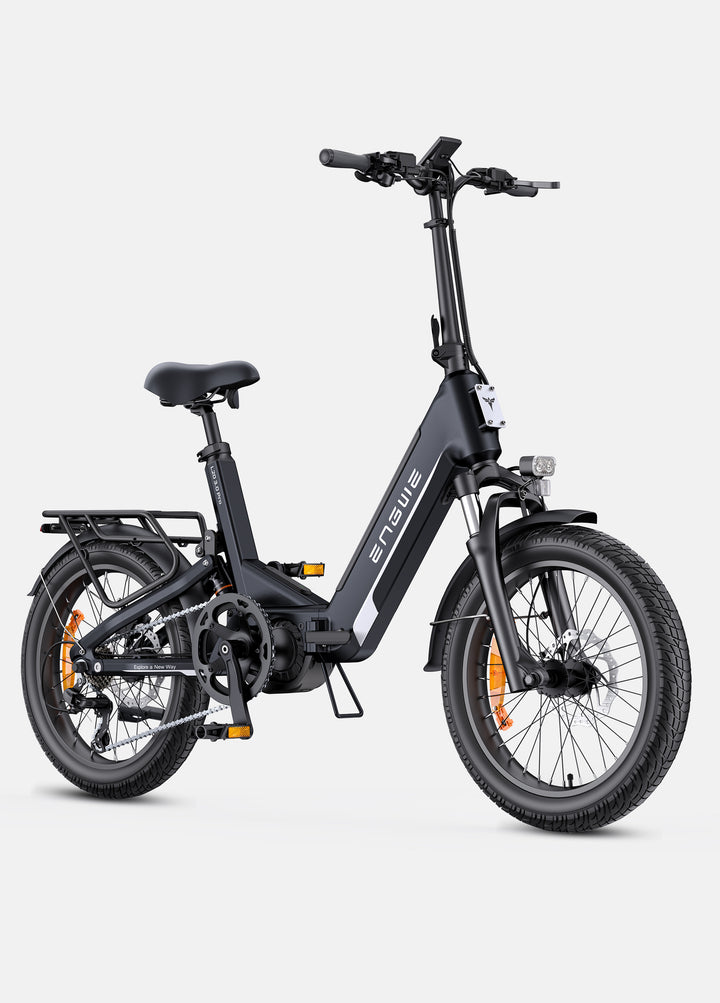
3. ENGWE L20 3.0 Pro — Compact Design with Long-Range Potential
The ENGWE L20 3.0 Pro is an e-bike with a compact design and a 250W 100Nm mid-drive motor. The motor torque is sufficient enough to give good support.
At the same time, the torque-sensing ride system allows adjusting the performance of the motor according to the rider's effort. The presence of a full-suspension system makes this bike comfortable to ride even on bad roads. Thus, this bike may be recommended to those riders who wish to ride a compact bike that can be used not only for short city rides.
Thanks to its 720Wh removable battery, the maximum range of the bike is 160km. It also provides 8A fast charging. In total, the bike is a good choice of an e bike electric bicycle for those riders who plan to use it on longer rides.


4. Amflow TL Carbon — Lightweight Adventure and Touring Versatility
The Amflow TL Carbon model bike is developed in such a way as to provide trail performance and long-distance exploration.
The full-suspension bike design is intended for customers interested in having control and comfort while riding both on forest roads and on challenging trails. The ability to install the batteries with a total capacity of 1,280Wh is quite notable.

5. Optibike R22T Everest — Built for Extreme Long-Distance Exploration
The Optibike R22T Everest is an electric bike meant for extensive touring on challenging terrain. The bike has a dual battery capacity of 3,260 Wh and an impressive range of 300 miles.
The bike's long range can be attributed to its robust mid-drive motor and long-travel suspension, making it ideal for riders who would like to explore different terrains. Out of all the e bike electric bicycles that have been designed for range, the R22T Everest stands out as a unique choice.

What to Consider When Choosing an E-Bike for Long Trips
Whereas an extended journey will require an entirely different approach than a commute, it all comes down to your preferences and needs.
The best decision will be based on the distances that you plan to cover, expected terrains, and the level of comfort and loading capabilities required. When comparing ebike reviews, it is important to move beyond their advertised motor wattage.
- Battery capacity and range: The bigger the battery, the further you will be able to ride, although the real distance depends on your weight, the terrain, weather, speed, and the amount of motor assistance. Compare battery capacity in watt-hours and use maximum range only as guidance.
- Motor assistance and torque: Assistance provided by the motor will help with climbing and longer routes. Torque will assist you on the incline, but the torque sensor will ensure that the motor support is more reactive to the pedals.
- Suspension and tires: Full suspension may help you deal with bumpy terrain. Wide tires provide more comfort, while narrow tires will help you with traction and performance on roads or tracks.
- Removable batteries: Removable batteries will provide more convenience regarding charging your bicycle, especially when you have no parking lot nearby.
- Fit and riding position: A comfortable frame, correct positioning of the handlebar, and a good saddle are very important for long distances.

How to Prepare Your Electric Bike for Longer Journeys
However, one should consider their bike's range and charging stations available along the way before departing. It should be noted that uphill riding, frequent braking, high levels of assistance, as well as rain, snow, and wind, could decrease the distance. Having a battery charger and planning reasonable pauses will simplify the long rides significantly.
Additionally, it might be useful to check components such as tires, brakes, lights, and battery contacts before each journey. One may also take along necessary tools for repair and ensure that their cargo is properly fixed. Irrespective of whether you will buy an electric bicycle e bike or an adventure one, proper care will make your ride easier.

Conclusion
Your ideal e-bike will depend on your preferences and route selection criteria. Some of the aspects that should be considered include the efficiency of the motor and the batteries, as well as suspension and tires. Select an e bike electric bicycle that suits you and allows you to take the rides that you desire.
It is important to consider your frequency of riding as well as the distance that you would like to travel. A good sitting position and good brakes will make long rides comfortable for you. It will also be wise to consider accessibility to charging and maintenance services as well as availability of spare parts.
Frequently Asked Questions
How much battery capacity is suitable for long-distance e-bike rides?
How much battery capacity is suitable for long-distance e-bike rides?
Battery requirements depend on distance, terrain, rider weight, and assistance levels. If you’re traveling for long distances, it is best to look into battery watt-hours.
Is a full-suspension electric bike better for long trips?
Is a full-suspension electric bike better for long trips?
Suspension systems can help make the ride comfortable and improve control when going over rough terrain and roads; however, for smoother rides, tire selection may become more important.
Can I ride an electric bike for 100 miles in one day?
Can I ride an electric bike for 100 miles in one day?
Yes, some riders have the ability to travel 100 miles using their appropriate equipment and preparations. The electric bike's battery capacity, the route, and conditions are among those that may determine its feasibility.
What features should I compare when choosing an electric bike for touring?
What features should I compare when choosing an electric bike for touring?
Make a comparison regarding the battery life, motor assistance, bike frame, tires, suspension system, brakes, and ease of charging. Additionally, look into your luggage space, serviceability, and expected terrain conditions.