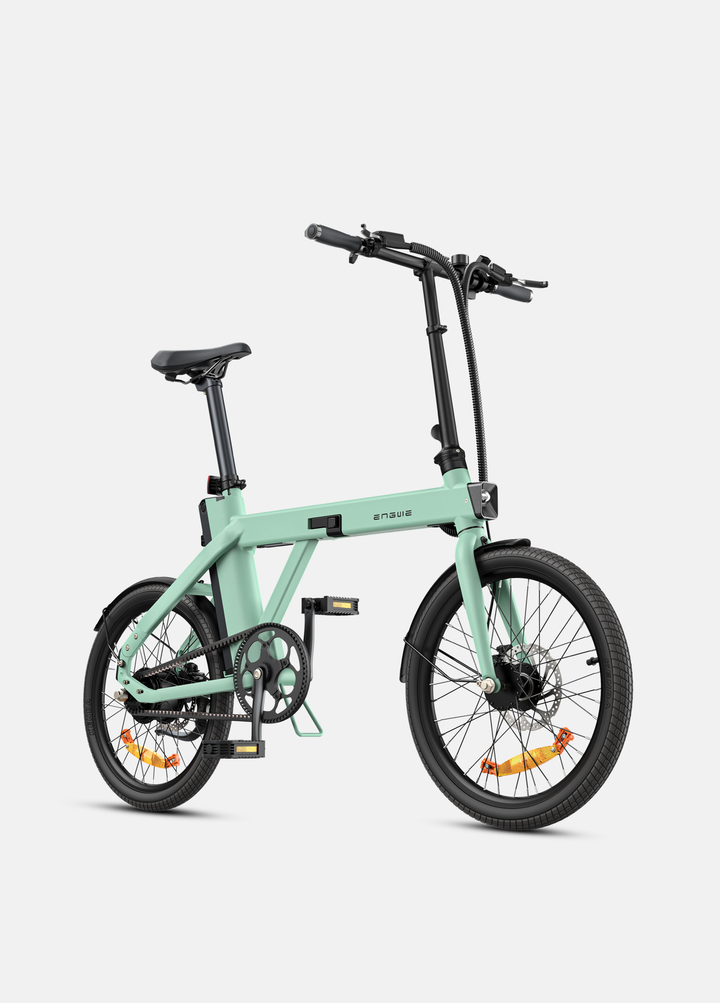
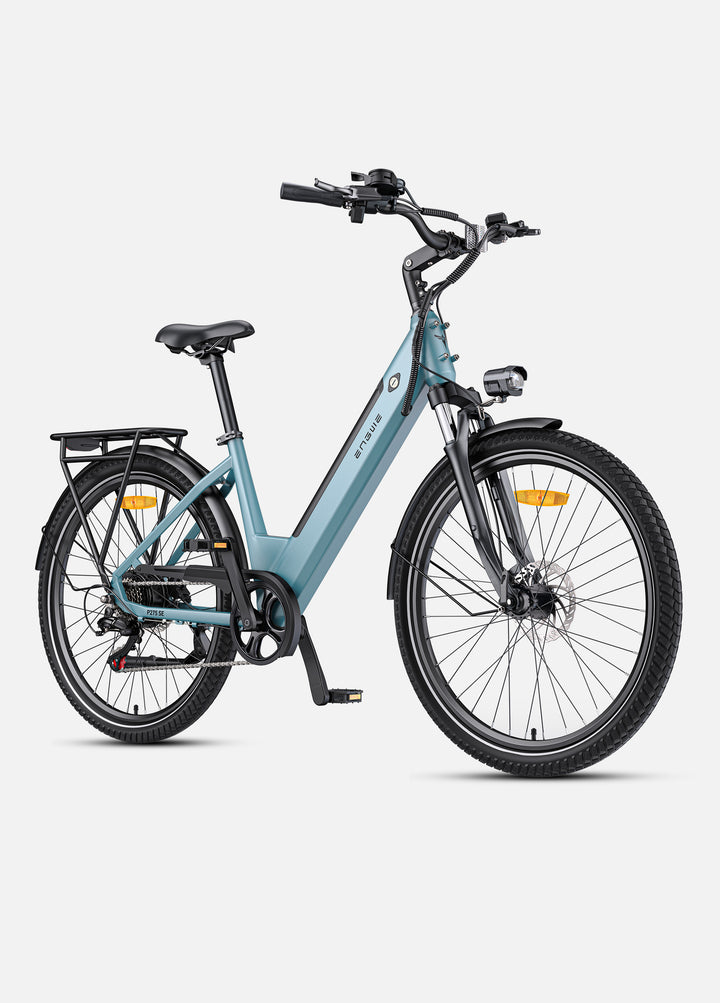
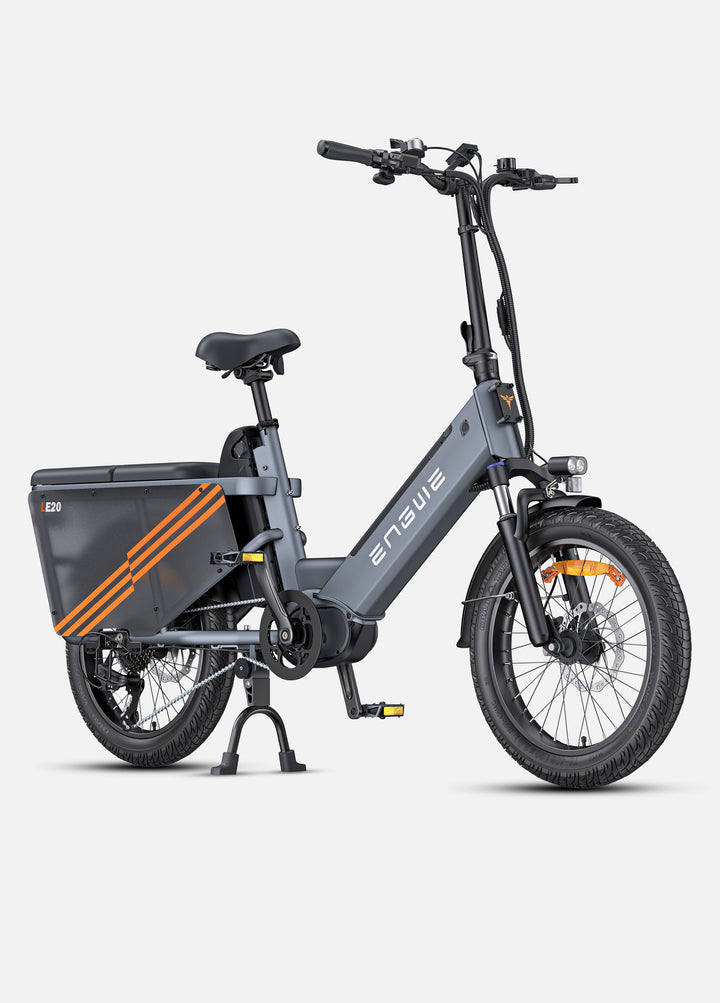
The decision between a Class 2 ebike or a Class 3 ebike is based on the way you ride, where you ride and the speed required. Their pedal assist electric bikes are very similar, yet their throttle choice, maximum speed, and legal eligibility vary greatly. This knowledge of the contemporary ebike classes can assist riders to choose a bike that suits their Commute, recreational style and local regulations.
This paper describes what is a Class 2 ebike, how it differs in Class 3, and where each can be ridden, and which is more sensible to ride on a daily basis.
What Is a Class 2 Ebike?
Class 2 ebike is an electric bicycle which has assistance to peddle up to 20 mph alongside a throttle which may be used to push the bicycle without assistance. This renders it one of the most acceptable choices out of the category of ebike Class 1 2 3.
Based on the Class 2 ebike definition, riders are given a choice of whether to ride on assist or the throttle where they can use it to start at ease, climb hills, or just ride. In case you are asking how fast does a Class 2 ebike go, the motor assistance is limited to 20 mph, either when pedalling or with the throttle.

Class 2 Ebike vs Class 3: Key Differences
The argument between increasing the Class 2 vs Class 3 ebike versus the convenience of throttles is restricted to the nature of the cruise speed in e-bikes.
|
Feature |
Class 2 Ebike |
Class 3 Ebike |
|
Top assisted speed |
20 mph |
28 mph |
|
Throttle |
Yes |
No |
|
Pedal assist |
Yes |
Yes |
|
Trail access |
Often allowed |
Often restricted |
|
Best use |
Casual riding, errands |
Fast commuting |
A rider who compares between Class 1 vs Class 2 ebike may be attracted to Class 2 because of the convenience of throttle, whilst the debates in Class 1 ebike vs Class 2 concerns the accessibility of the trail and control.
Best Class 2 and Class 3 Ebikes to Compare
The five trustworthy electric bikes of both Class 2 and Class 3 are listed below. These models emphasize variations between speed, motor style and purpose of use in that the riders are able to select modes of use, depending on commuting, terrain and local laws.
ENGWE L20 3.0 Pro – Compact Class 3-Style Mid-Drive E-Bike
ENGWE L20 3.0 Pro is a mid-drive, small size, electric bike that is effective in urban consumption and mixed terrain. Its strong mid-drive engine provides the high torque via its drive transmission system and thus, hills and traffic jams commuting become easy and manageable.
This ENGWE electric bike is highly compatible with urban commuters and daily use, it is fully suspended, can fold, and the rider height is wide enough, and it also fits riders who prefer to be comfortable and responsive during rides through a Class 3-style design.
Key Features
- Mid-drive motor with a max of 100 Nm torque (250W)
- Full suspension to enhance ride comfort
- 5 levels of pedal assisted by torque
- Foldable frame so easy to store and carry
- CE certified (EN15194) and 150 kilo load capacity


Rad Power Bikes RadRunner Plus – Class 2 Utility Ebike
The RadRunner Plus is a multifunction Class 2 ebike which can be used in everyday life and in casual commuting. It has a throttle-assisted, erect geometry, and strong framing, thus making it suitable to use in errands, short trips, and leisurely rides.
It is a very popular Class 2 ebike for sale, sold by major sellers, because of its comfortable and convenient use, but not fast speed.
Key Features
- Throttle supported, 750W hub motor
- Pedal assist up to 20 mph
- Sitting, relaxed riding posture
- Cargo rear rack
- Big tires to make it steady on the city streets

Aventon Pace 500.3 – Class 2 Urban Cruiser Ebike
The Aventon Pace 500.3 is a high-end Class 2 ebike meant to be used cruising around the city. It has integrated throttle comfort and pedal assistivity, which is why it is the best fit to the riders who prefer to have the comfort of relaxed acceleration and easy handling.
The torque sensor makes it more efficient, and the cruiser geometry makes it comfortable to ride over a long distance.
Key Features
- Rear throttle-controlled 500W rear hub motor
- Pedal assist basin throttle up to 20mph
- Combined torque sensor to provide smooth power supply
- Frame design of upright cruiser
- Built in lights and cable routing

ENGWE Engine Pro 2.0 – Powerful Class 2 Fat Tire E-Bike
ENGWE Engine Pro 2.0 is a powerful Class 2 ebike designed to suit the needs of riders with the desire to have throttle control and powerful climbing capability. Its powerful motor and large tires assist in climbing up the hills and terrains that lack smoothness.
Although it could be used in Class 2 comfortably in the street, it is most effective with Class 2 speed limit, when used off-road. This ENGWE ebike will be suitable to adventure riders in need of folding freedom and long range given that it is the best Class 2 ebike.
Key Features
- 75 Nm torque with torque sensor
- 16Ah replaceable battery with long range
- Throttle + pedal assist (Class 2 capability)
- Folding frame fat-tire to tackle different terrains
- New higher tech torque sensor to the assist feel


Specialized Turbo Vado – Class 3 Performance Commuter
Specialized Turbo vado is a high-end Class 3 ebike, which is used to commute quickly and efficiently. It also has pedal assist up to 28 mph and a powerful mid-drive motor making it a great road/daily commuter.
In-car convenience items and smooth handling make it one of the best options that riders choose when the need to ride fast and efficiently is considered.
Key Features
- Pedal assist up to 28 mph (Class 3)
- High-performance mid-drive motor
- Combustible lights, fenders and rear rack
- State-of-the-art display and application connectivity
- Created to ride on the road and bike-lane

Where Can You Ride Class 2 vs Class 3 Ebikes?
The location of the legal operation of each type of an e-bike is one of the largest distinctions between a Class 2 ebike and a Class 3 ebike. Since the Class 2 ebikes have a top speed of 20 mph and feature throttle control, in most areas they can be used on a much broader variety of shared and recreational routes, like a regular bicycle.
Class 2 ebikes are usually allowed on cycling trails, greenways, shared-use trails, and park routes. Conversely, Class 3 ebikes are limited in most cases because they have an increased assisted speed. They are usually permitted exclusively in the city streets, in special bike lanes, and in urban or suburban commuter ways. Most of the Class 2 ebike laws, and they may be different in each city or state, are based on these access rules.
Conclusion
The real decision between a Class 2 ebike and a Class 3 ebike would be the way you ride and where you ride. Class 2 ebikes are more flexible and convenient with throttle, and they access a wider range of shared paths, which means they are suited to the casual rider and the mixed-use paths. Class 3 models put a lot of emphasis on speed and efficiency in road commuting.
The knowledge of the local legislation, speed requirements, and access controls will guarantee that you select the appropriate ebike to enjoy a long-term satisfaction.
Frequently Asked Questions
What is a Class 2 ebike?
Class 2 ebike has pedal assist and throttle and is limited to 20 mph of motor assist, which provides versatility and easier acceleration, and is designed to be used every day.
How fast does a Class 2 ebike go?
An ebike of Class 2 offers motor support up to 20 mph with or without a pedal assist or throttle, and then the motor will automatically cease to assist.
Is the Class 2 e-bike superior to a Class 3 e-bike?
Class 2 ebikes can be more appropriate to shared routes and leisurely riding, whereas Class 3 ebikes can be used to commute faster on the road and travel longer distances.
In which places can the use of Class 2 ebikes be expected?
Depending on local laws, Class 2 ebikes are regularly permitted on bike paths, shared-use trails, greenways and park routes.