Dealing with the laws for electric bicycles can be confusing, especially when it comes to Class 2 ebikes, as they are in a category of their own. This guide breaks down the regulations and things to consider when it comes to owning and operating a Class 2 ebike.
What is a Class 2 Ebike
A class 2 ebike combines pedal-assist and throttle control. What makes a class 2 ebike special is that it can work two ways: you can pedal with some help from the motor, or just use the throttle.
A class 2 ebike usually has a motor that is in line with federal regulations for electric bicycles. This limited power means they're still considered bicycles. The throttle can be turned on in different ways, such as twist grips like motorcycle accelerators or thumb levers on the handlebars.
Class 2 ebike speed is capped at 20 miles per hour. As soon as you hit this limit, motor assistance kicks out, and it's up to you. This limit applies whether you're using pedal-assist or throttle-only.

Understanding Ebike Classifications
Ebike class 1 2 3 distinctions shape the rules for modern electric bicycles. Class 1 and 2 ebikes both top out at 20 mph. Class 1 ebikes only have pedal-assist; there's no throttle, so you have to be pedaling for the motor to turn on.
Class 2 vs Class 3 ebike differences are pretty clear when you look at how fast they can go. Class 2 ebikes have a throttle and top out at 20 mph. Whereas, class 3 ebikes ditch the throttle but let you pedal-assist up to 28 mph. This makes them a favorite for longer commutes and road cycling.
Class 1 vs Class 2 ebike distinctions come down to the throttle. Class 1 ebikes only give you motor help when you're pedaling. On the other hand, class 2 ebikes have a throttle, so you can ride without pedaling. This difference affects where you can legally ride each type.
What are class 1 2 3 ebikes used for? It depends on the rider. Class 1 ebikes are perfect for fitness enthusiasts who still want the cycling experience. Class 2 ebikes are more about convenience. They're great for people who need a little extra help getting around. Class 3 ebikes are ideal for commuters who need a fast and efficient way to get to work.
The primary difference between class 1 2 and 3 ebikes goes beyond just speed and throttle. It's also about how they're treated by the law.

Class 2 Ebike Speed and Performance Regulations
How fast does a class 2 ebike go is a key concern for those thinking of buying one. In most states, the class 2 ebike speed limit is 20 miles per hour when they're being powered by the motor. This 20 mph limit is in place whether you're using the throttle or some pedal assistance. It's a straightforward rule that applies across the board.
Class 2 ebike laws on speed enforcement differ by area. In some areas, you can get fined for going over the speed limit on shared paths or bike lanes. So, it's a good idea for riders to learn the local traffic rules and speed limits where they plan to ride their class 2 ebikes. Motor power limits also work alongside speed limits in shaping class 2 ebike performance.
Federal and State Class 2 Ebike Laws
Federal regulations governing class 2 ebikes mainly fall under the Consumer Product Safety Act. The law sets overall guidelines, but states are responsible for deciding the rules and restrictions on how they're used.
Many states with three-class systems use similar definitions for class 2 ebikes. However, there are some key variations. Some states make underage riders wear helmets when using class 2 ebikes, while others require helmets for everyone.
Class 2 ebike laws are often the same as traditional bike rules for traffic and using roads. Riders usually have to follow the same traffic signals and follow safety rules like regular bikes. But having a throttle can mean extra restrictions in some places.
For the most part, riders don't need a driver's license or insurance to ride class 2 ebikes legally. That being said, some states may require a permit.

ENGWE Class 2 Ebike Models
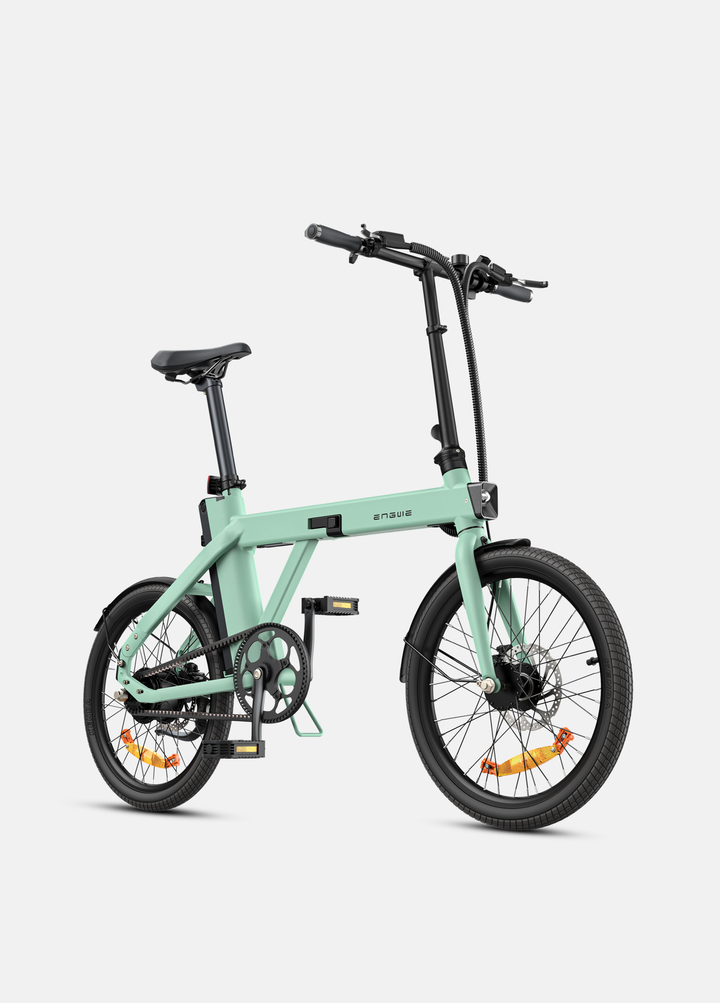
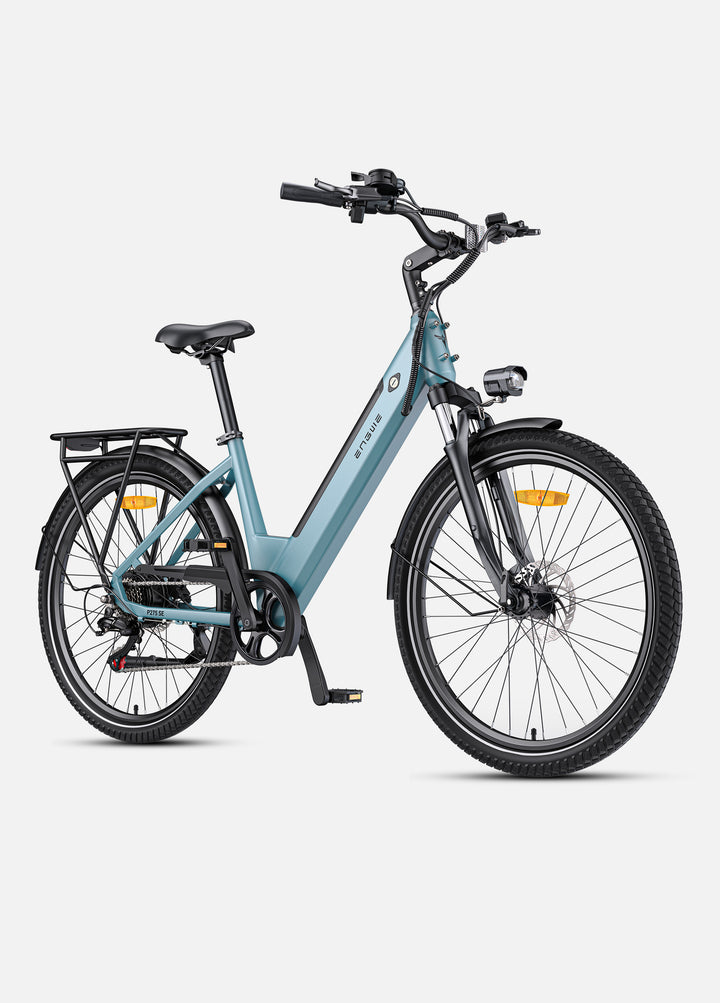
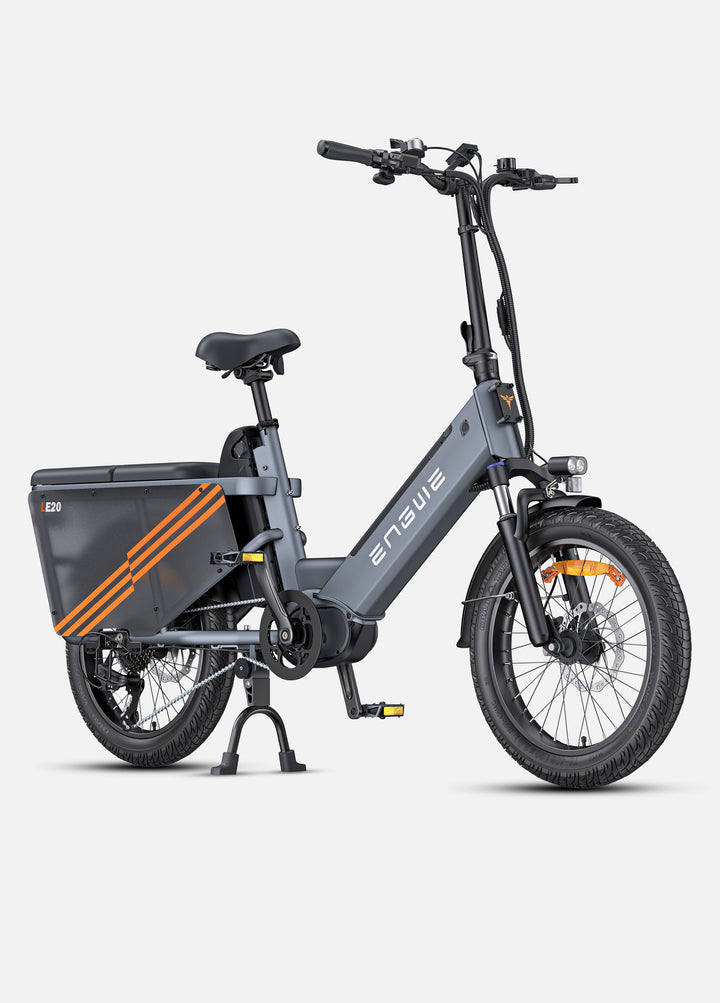
ENGWE has become a well-known name in the class 2 ebike market, offering several models. This approach shows that manufacturers can create bikes with lots of features within the Class 2 guidelines.
The best class 2 ebikes from them include the ENGWE M20, which stands out with its unique look. This model has a dual battery setup for extra range. The ENGWE M20's design also features ebike class 2 fat tire technology, giving it better stability and grip on all types of terrain.
Key specs of the ENGWE M20 include a durable aluminum alloy frame. The bike features an ebike class 2 fat tire with hydraulic brake systems for excellent stopping power. It also has integrated lights for better safety. The full suspension helps soak up bumps and vibrations, making for a more comfortable ride.

The ENGWE Engine Pro 2.0 is designed for outdoor adventures while keeping to class 2 rules. It's built tough and features carefully chosen parts that can handle all sorts of conditions. The model even comes in ebike class 2 fat tire configurations.

ENGWE's class 2 ebikes all come with a range of safety features. These features include reliable braking systems and a solid build quality.
Where Can You Ride Class 2 Ebikes
Knowing where you can ride a class 2 ebike helps you plan your route and be considerate of others on the path. In most places, class 2 ebikes are treated like regular bikes. But in some areas, the throttle might mean they're not allowed.
Multi-use trails and shared pathways often have their own rules for Class 2 ebikes. These rules vary depending on the specific trail. Some trails don't allow ebikes with throttles, but may still permit pedal-assist bikes. Others might let throttle-equipped bikes on, but only if they're going slower.
National and state park systems often develop their own policies regarding class 2 ebike access, with regulations varying significantly between different park units and trail systems. Access to private property on class 2 ebikes is up to the local rules. Lots of private trails and recreation spots allow e-bikes, but they may have certain rules to follow.

Market Options and Performance
The top 5 electric bikes in the class 2 category are built to last, with reliable electrical systems. They offer riders great value for the money. These models focus on practical features that make a difference in everyday riding. Electric bike reviews often rave about class 2 ebikes being great for all sorts of rides. To meet different riders' needs, top brands offer a range of models.
Best e bike considerations in the class 2 group focus on build quality and motor placement. High-end bikes often feature aluminum or carbon fiber frames and accessories that boost durability. Mid-range bikes, on the other hand, might use steel frames or simpler components.
The fastest ebike performance in the class 2 category isn't about reaching high speeds. It's about other key factors like acceleration and hill climbing. That's because all class 2 ebikes have the same 20 mph speed limit. If you're looking for the best performance, focus on things like motor torque and component quality.
Different class 2 ebike models have a wide range of battery technology. Bigger batteries usually mean you can go farther, but they cost more. When thinking about range, consider how you plan to use the bike, how much you weigh, and how much help you want.
Frequently Asked Questions
What is a class 2 ebike, and how does it differ from other classes?
A class 2 ebike has pedal-assist and a throttle. This means you can use the motor without pedaling. Meanwhile, class 3 bikes go faster, but a class 2 ebike keeps things simple with a 20 mph speed limit.
How fast does a class 2 ebike go under motor assistance?
Class 2 ebikes top out at 20 miles per hour when the motor is helping out. This speed limit keeps things safe and compliant with regulations.
Where can I legally ride my class 2 ebike?
Class 2 ebikes can usually ride on public roads and most trails that allow regular bikes. But some places might not let you use the throttle on certain trails or pathways.
Do I need a license or registration for a class 2 ebike?
Many places consider class 2 ebikes to be bicycles, so you don't need a license or insurance to ride one. However, some areas might have specific rules. So, it's a good idea to look into your local and state regulations.
What makes ENGWE bikes good choices for class 2 riders?
ENGWE has a range of models that fit the class 2 category, including the ENGWE M20 and ENGWE Engine Pro 2.0. Their ebikes all meet regulatory requirements.