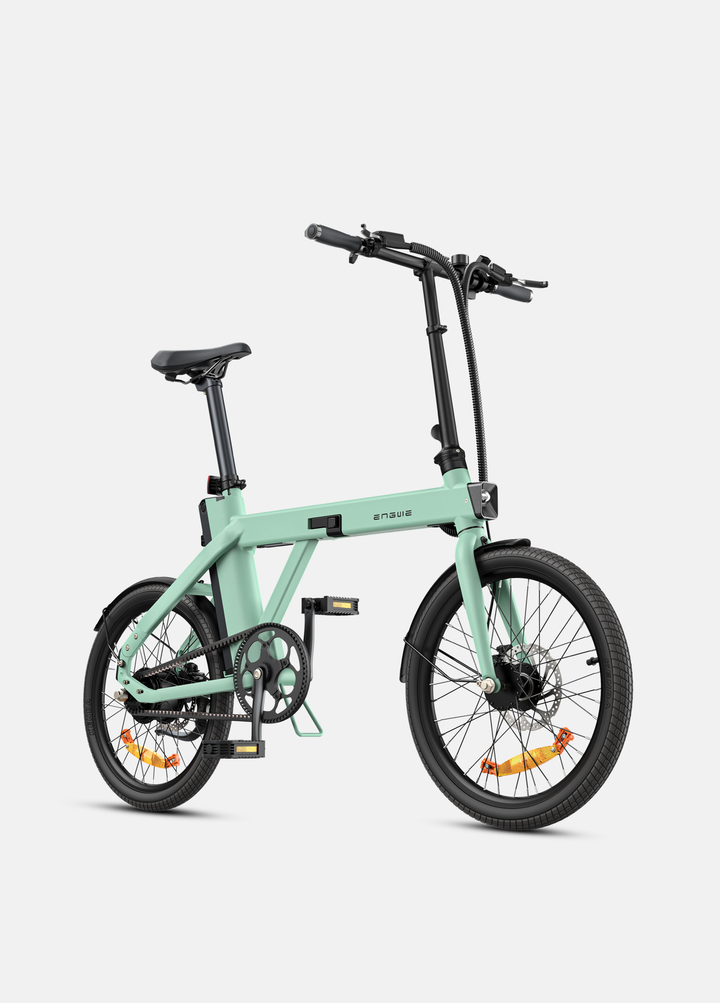
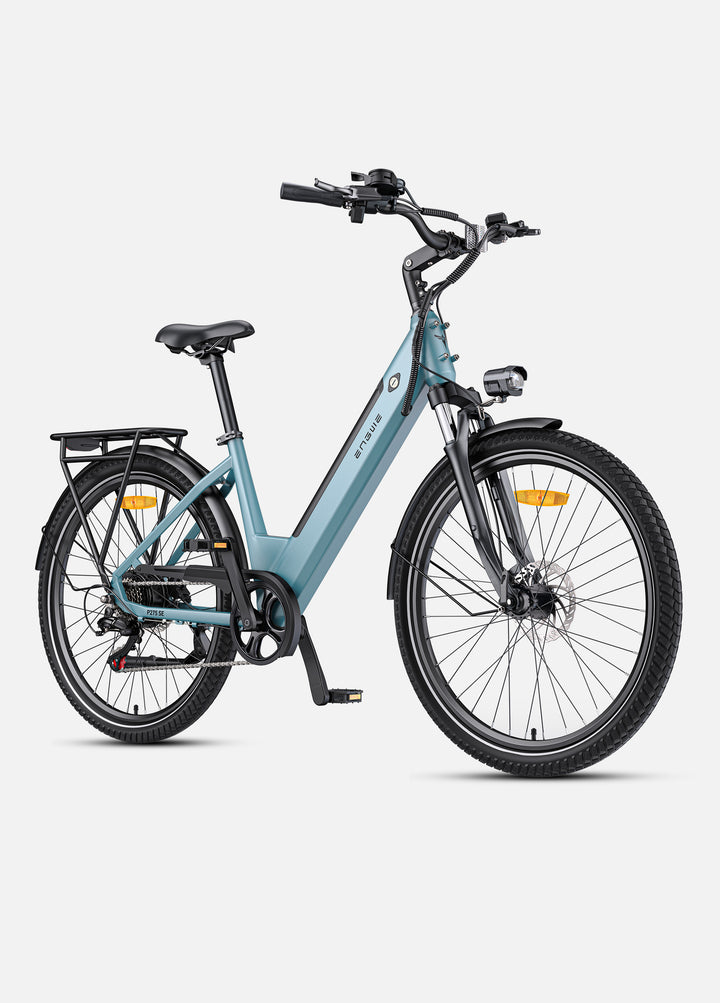
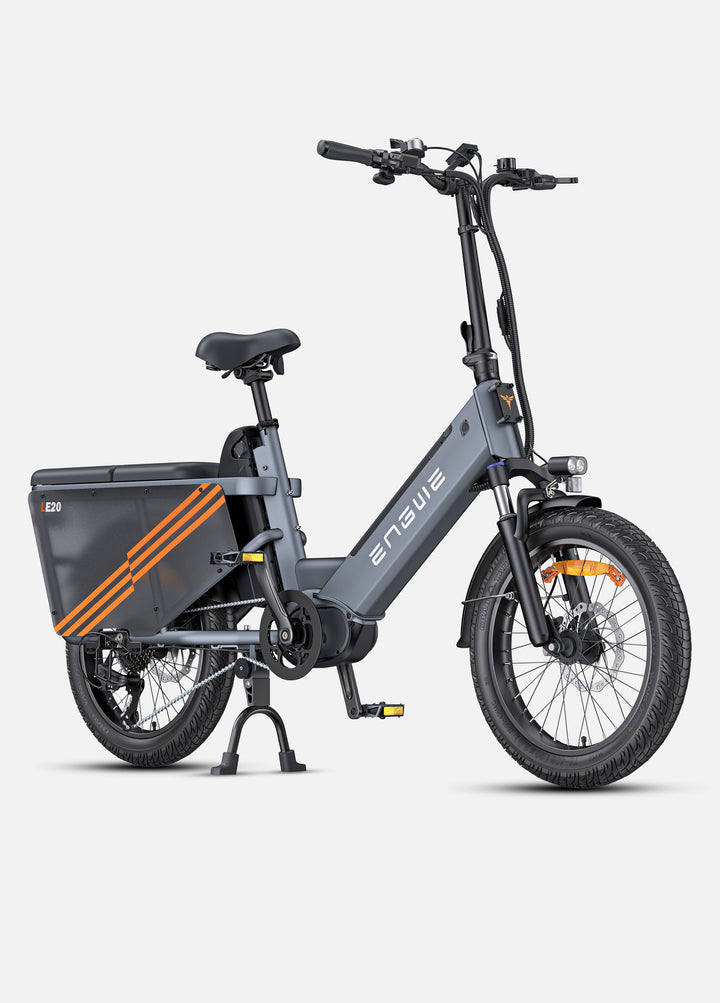
The simple answer is yes, the majority of contemporary electric bikes are built to be sufficiently water-resistant to deal with the persistent drizzle and damp of a British winter. But "water-resistant" is not the equivalent of "waterproof," and misunderstandings can be expensive. We’ll be covering it in five categories: Being knowledgeable about IP ratings, being aware of parts on the ebike that are vulnerable, how to select an ebike best suited for your environment, performing important maintenance on your bike and knowing what features you must-have when riding outdoors.
1. Be in the know: What are Waterproofing Standards (the IP rating)
The most important indicator of how waterproof an ebike is lies with its IP (Ingress Protection) rating. This two-digit system is an international standard that rates the level of protection that electrical appliances (as well as enclosures around such components) provide. The first number refers to protection against solid particles (like dust), and the second number refers to protection against liquids. For winter rides, the second number is all-important. Knowing these ratings allows you to choose a bike that meets the conditions you encounter.
Decoding the Numbers:
An IPX4 rating indicates the component is protected from splashing water from any direction, which is the minimum you should settle for in light rain. IPX5 provides protection against low-pressure water jets so it’s ideal for heavier rain and splashes from puddles. IPX6 is resistant to high-pressure jets, giving you next level security.
Critical Parts:
Find out whether the motor, battery, controller and display are IP-rated. These are the details that trustworthy manufacturers will include. If they do not, be cautious.
Real World:
An electric bicycle such as the Sparta M7 where components are rated at IP65 is a good option for a British winter. The ‘6’ means that it’s totally dust-tight, and the ‘5’ suggests that it should be able to shrug off sustained rain as well as spray from wet roads.
Below is a simplified table to give you an overview of the important liquid protection ratings:
| IP Rating | Protection Against Liquids (ie What it can be used for) | Appropriate Use Example |
|---|---|---|
| IPX4 | Splashing water anywhere | Light rains, occasional pools if you’re jumping in puddles |
| IPX5 | Low pressure water jets from any direction | Riding in constant rain, or on wet roads |
| IPX6 | Strong jets of water from every direction | Heavy seas, extremely wet, jarring conditions |
2. Key Ebike Parts and Their Water Susceptibility
An electric bike runs on a network of connected electronic components, and some are more vulnerable to water than others. When you know where the potential weak links are, you can pre-empt them and also perform a successful post-ride check. Failure to address them can even cause short circuits, corrosion and system failure that transform an enjoyable ride into an expensive fix. Keep these parts in mind to help maximize the lifespan of your ebike during the winter.
Battery and its Dock:
The battery case is well sealed but the docking area where it slides to and from the frame can let water in. Pro Tip: Before the next soaking ride, just make sure these contacts are clean and you may want to add a dab of dielectric grease to help keep it all watertight.
Hub or Mid-Drive Motor:
Motors are typically sealed and robust. But they aren't submergible. Warning: Do not ride through deep standing water that might cover the motor hub or crank arm assembly for an extended period.
The Controller:
This is the bike’s brain, and it’s generally encased within a part of the frame. The main danger is from the many wires and connectors that run into it. Check that no protective rubber seals or boots are bent.
The Display and Handlebar Controls:
This area is all out in the elements. Opt for models with a semi-sealed integrated display. Wipe them down with a dry cloth after a wet ride to keep water from entering button crevices.

3. The Best Choice for Winter Cycling: The ENGWE M20

When choosing an electric bike that you can rely on to take anything the unpredictable British winter can throw at it, you'll want a machine designed for adventure and solid construction. A favorite recommendation is from ENGWE, loved by many because of their solid engineering and craftsmanship, and the M20 model is no exception. With a lean, mean and green streamlined machine-inspired design, it’s not just looks. At just over 10kg of weight, it rides alongside as you glide through challenging terrain and tackle the inclement weather with ease. Its comfort, stability and reliability make it perfect for year-round cyclists.

Unrivaled Stability and Grip:
Outfitted with huge 20x4.0 inch triple-layer fat tires. This wide platform, in turn, gives way to a much greater amount of contact with the ground, and lets the tire offer increased handling over wet leaves, slick tarmac, or light snow. This is a very important safety and performance feature in winter.
Greater Comfort and Controls:
The superior dual suspension creates a safer, smoother ride with an outstanding front hydraulic shock absorber and rear air shock absorber. This configuration absorbs twice as much shock and it cushions you over bumpy winter roads where maintenance is lacking, meaning that you're in control even when dealing with uneven terrain.
Reliable All-Weather Power:
Featuring a Powerful Brushless Motor, the M20 is built for all-weather, helping you to get the job done in any weather condition. Most importantly, it comes with a dual-battery 48V 26Ah option for that enormous maximum range of 75km+75km. This is important in the winter, when freezing temperatures can drastically lower battery performance.
Durable Design:
With an aluminum alloy frame, and front and rear 160 mm Hydraulic Disc Brakes for reliable all-weather stopping power. Its light and strong design helps keep you both safe and helps it last longer.
4. Useful Riding and Maintenance for a British Winter
I have learned that having a winter-ready ebike is only half the challenge; how you ride it and take care of it matters as much, if not more. Good maintenance doesn't just promote safety and reliability, it will save you money in the long run by preventing rust, corrosion and premature wear on costly parts. Incorporate a quick pre-ride and post-ride routine and give your e-bike its best shot to survive the wettest riding months of the year.
Pre-Ride Checklist:
Tire Pressure: You can reduce the tire pressure a bit (but remain in the manufacturer’s recommended range) to increase your tires’ contact patch to promote better grip on wet surfaces.
Brakes: Check your brakes before you go out the door. I don’t want to tell you how to suck eggs but wet weather can impede braking so make sure they are biting well.
Lights: Given that light hours are shorter, check both your front and rear lights for cleanliness and function.
After the Ride - The Basics:
Clean, Don’t Blast: Never blast it with a high-pressure jet wash! This is the best way to quickly drive water past seals and into bearings and electronics.
Chain Care: Wipe the chain down with a good degreaser to get the road grit out, because road grime and salts are killer. Allow it to dry completely and then treat it with a wet-weather chain lube.
Dry The Bike: Dry the entire bike with a microfiber towel, especially focusing on the display, connectors and brake components.
Smart Storage:
Take the Battery Inside: Lithium-ion batteries have their best performance and last longer when they are stored and charged at room temperature. Before you can finish filling your thermos with your post-ride hot drink, always welcome your battery back into the warm house.

5. Top Features and Tips For A Winter-Ready Ebike
Past a certain model, there are general features that will make any electric bike more adequate for the rigors of winter. This approach to shopping will help you in purchasing a machine that is not only safe but also practical and comfortable for use on a daily basis in less than optimal weather. Seek out bikes where these are included as standard, because adding them afterwards is expensive and never as integrated. And if you are considering alternatives, there are a handful of brands that build bikes aiming to fill this niche.
Necessary All-Weather Characteristics:
Full-Length Mudguards - These are a must. Not only do they protect you from the constant spray of water, mud and corrosive road salt, but also ebike components that may not have been built to stand up to extreme conditions.
Integrated Lighting - A frame-powered lighting setup that packs enough punch to ensure you'll never be stranded with a dead battery. It makes you more visible to other people, something that is not unimportant on grey days in November.
Hydraulic Disc Brakes - Mechanical disc brakes are decent, but hydraulics have much better stopping power, modulation, and wet-and-muddy reliability.
Puncture-Proof Tires - Check the inscription across the tires; usually there will be a handsomely defined puncture-protective covering section. Frantically changing a flat in the rain is no one’s idea of fun.
Models to consider as examples:
Commuting Specialists: Companies such as Rad Power Bikes typically make models like the RadRunner, which are designed to be utility workhorses with a wide array of accessory options including mudguards and racks.
Hybrid and Touring Bicycles: Consider offerings from Cube, or the hybrid range at Trek, where you might find models that come fully loaded with lights, mudguards and a hefty frame to withstand some serious miles on rugged roads.
Fat Tire Bikes: Several brands, including Himiway, build fat tire ebikes for ultimate stability and the confidence to grip on the most vicious surfaces.
What’s the most common mistake that ebike owners make in winter?
A: The number one mistake people make is using a pressure washer to clean. It looks good on paper, but drives water deep into electronics and bearings, leading to long term damage that you won’t even see right away.
Does cold weather actually drain the battery?
A: Yes, significantly. Expect a reduction of about 20-30% in temperatures very close to freezing. The solution is to store and charge the battery in your home at room temperature prior to your ride.
Do I need fat tires to ride in winter?
A: You do not strictly need them, but they are a very useful thing to have. Their generous width grips anything from pavement to dirt to snow and knows not the distinction between 'city' and 'trail,' ensuring a superb level of confidence, no matter where you are.
As long as you’ve got the right electric bike and take some precautions, there’s no reason why you should let Britain’s winter weather beat your ebike.