Considering an electric bike? One of the most critical yet overlooked factors is its weight. This single specification influences everything from your ride's handling and battery range to the simple act of carrying it up a flight of stairs. An e-bike's weight is a direct reflection of its purpose, power, and components. This guide will comprehensively explore the five key dimensions of e-bike weight to help you understand what makes them heavy and why it is crucial for your riding experience.
Understanding the Core Components of E-Bike Weight
An electric bike is heavier than a conventional bicycle because of its added electrical components and reinforced construction. Understanding where the weight comes from is the first step in making an informed decision. The final weight is a trade-off between power, range, durability, and cost. When evaluating an e-bike, look at how these elements contribute to its total mass and how that aligns with your personal needs. For example, a rider who lives in a third-floor apartment will have very different weight priorities than someone with a garage who wants to ride on rough trails.
The Battery
This is often the single heaviest component of an electric bike, typically weighing between 3 kg and 5 kg (7-11 lbs). The larger the battery's capacity (measured in Amp-hours or Ah), the longer the range, but also the greater the weight. A key user tip is to check if the battery is removable. A removable battery makes the bike significantly lighter to lift and allows for more convenient indoor charging.
The Motor
Hub motors, located in the center of a wheel, are generally lighter than mid-drive motors, which are positioned in the middle of the frame. However, mid-drive motors often provide more efficient power delivery and a more balanced feel, so the extra weight can be a worthwhile trade-off for performance-oriented riders.
The Frame
The frame material is a major weight determinant.
Steel: Strong and durable but also the heaviest.
Aluminum Alloy: The most common material, offering a great balance of strength, relatively low weight, and affordability. This is often the best choice for saving money without compromising on quality.
Carbon Fiber: Extremely lightweight and strong, but it comes at a premium cost.
Tires and Wheels
Fat tires, designed for all-terrain stability, are substantially heavier than standard commuter or road tires. The reinforced wheels needed to support them also add to the overall weight.
Suspension and Accessories
Suspension forks and rear shocks add significant weight but provide crucial comfort on uneven surfaces. Similarly, built-in racks, fenders, and lights all contribute a few extra pounds to the final tally.
A Breakdown of E-Bike Weights by Category
Electric bikes are not one-size-fits-all, and their weights vary dramatically based on their intended use. Knowing the typical weight range for each category helps set realistic expectations and narrow down your search. Lighter isn't always better; for instance, the added weight of a fat tire bike contributes to its incredible stability and planted feel on loose terrain. The key is to match the bike's weight class to your primary riding style and physical requirements.
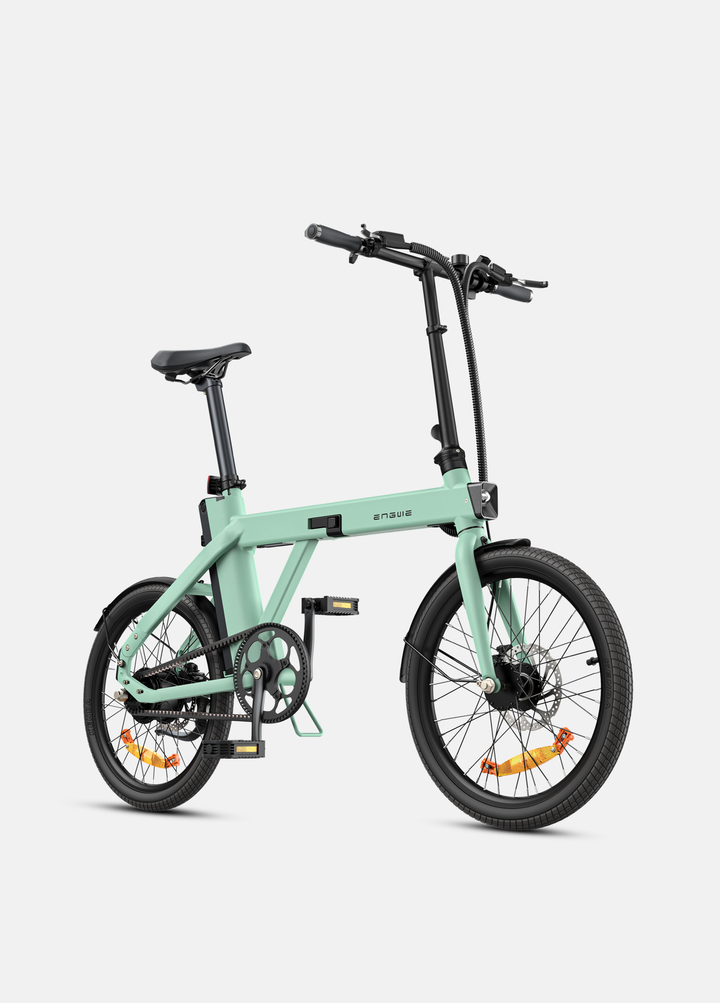
Lightweight & Folding E-Bikes (15-20 kg / 35-45 lbs)
These are designed for ultimate portability. Their lower weight makes them ideal for commuters who need to combine cycling with public transport or carry their bike into an office or apartment. They typically have smaller motors and batteries to keep the weight down, prioritizing convenience over long range or high power.
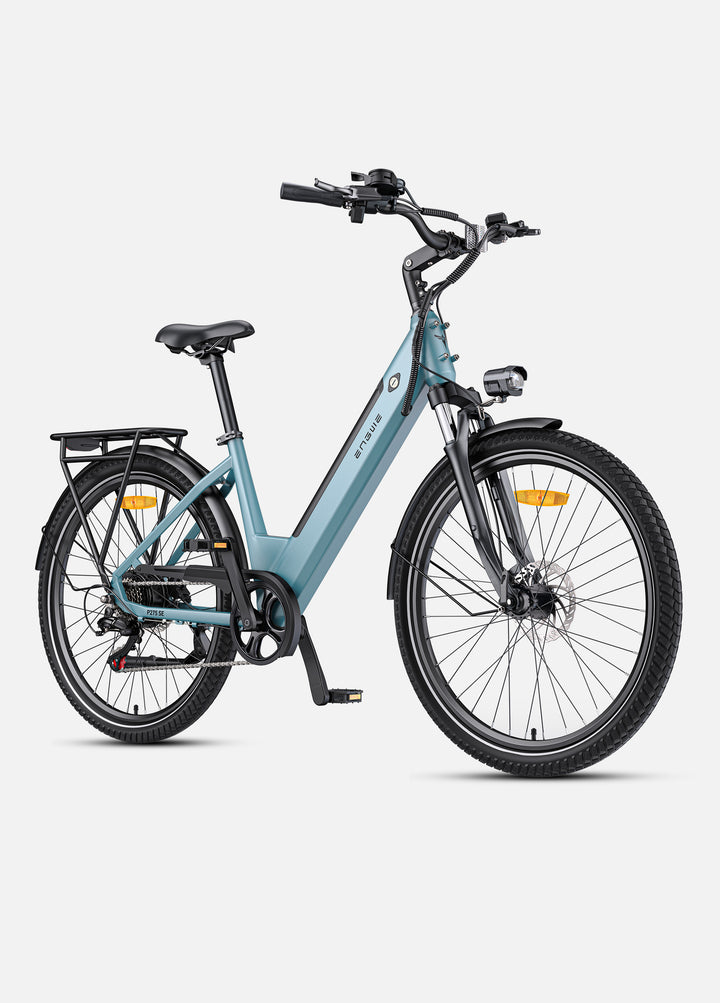
Commuter & Hybrid E-Bikes (20-25 kg / 45-55 lbs)
This is the most common category. These bikes offer a balance of features, with moderate-sized batteries for decent range, comfortable riding positions, and often include racks and fenders for utility. Their weight is manageable for most people to maneuver in a garage or on a ground floor.
Electric Mountain Bikes (eMTBs) (22-28 kg / 50-62 lbs)
Built for durability on rugged trails, eMTBs feature robust frames, powerful mid-drive motors, and complex suspension systems. The weight is a necessary consequence of their heavy-duty construction, designed to withstand the stresses of off-road riding.
Fat Tire & Adventure E-Bikes (28-40+ kg / 62-90+ lbs)
These heavyweights are built for conquering any terrain, from sand and snow to mud and trails. Their mass, combined with wide tires, provides unparalleled stability and traction. The weight is a core part of their design philosophy, ensuring a secure and confidence-inspiring ride.
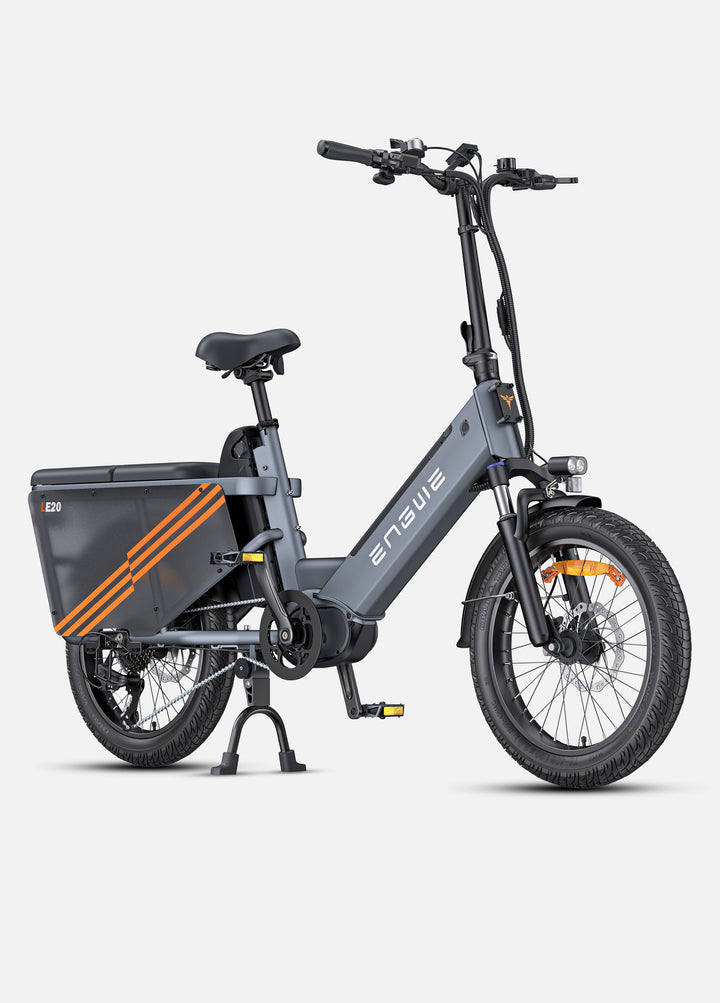
Cargo E-Bikes (30-45+ kg / 65-100+ lbs)
The utility vehicles of the e-bike world. Their extended, heavily reinforced frames are designed to carry children or heavy loads. Weight is secondary to their immense practicality and load-bearing capacity.

The Premier Choice for Adventure: ENGWE Fat Tire E-Bikes

For riders who refuse to be limited by pavement and seek adventure on any terrain, the fat tire e-bike category stands out. These machines prioritize stability, comfort, and all-terrain capability. A standout leader delivering an exceptional experience in this class is the ENGWE M20. Inspired by the freedom of a motorcycle, the M20 is engineered for adventurers who demand performance and resilience. Its design philosophy centers on providing a powerful, comfortable, and thrilling ride, no matter the path. The weight of the M20 is a testament to its robust build, ensuring it can handle the demands of off-road exploration with ease.

Unmatched Comfort and Control
The M20 features a sophisticated dual suspension system, combining a front hydraulic shock with a rear air shock absorber. This setup provides double the shock absorption of typical e-bikes, smoothing out bumps and delivering superior control on challenging terrain.
Eliminate Range Anxiety
A major consideration for adventurers is range. The ENGWE M20 addresses this with an innovative optional dual-battery configuration. With two 48V 13Ah batteries, it boasts a massive potential max range of 75km+75km, allowing you to explore further without worry.
All-Terrain Dominance
The bike is equipped with massive 20x4.0 inch triple-layer fat tires. These tires create a large contact patch with the ground, providing incredible traction and stability on loose surfaces like sand, gravel, and snow.
Reliable Power and Braking
A powerful brushless motor with 55 N.m of torque provides the muscle needed to tackle steep hills, while the 160mm front and rear disc brakes ensure reliable stopping power in all conditions. The Shimano 7-speed drivetrain offers smooth and dependable shifting.
Below is a table outlining the key specifications of the impressive ENGWE M20:
| Feature | Specification |
|---|---|
| Motor Type | Brushless Motor |
| Max Torque | 55 N.m |
| Battery Options | 48V 13Ah (Single) / 48V 26Ah (Dual) |
| Max Range (PAS Mode 1) | 75KM (13Ah) / 75km+75km (26Ah) |
| Suspension System | Dual (Front Hydraulic & Rear Air Shock) |
| Brakes | 160mm Front & Rear Disc Machine Brake |
| Tires | 20" x 4.0" Triple-Layer Fat Tires |
| Frame | Lightweight Aluminum Alloy Frame |
| Max Load | 120 kg (264lbs) |
The ENGWE M20 proves that with intentional design, weight translates directly into capability, stability, and boundless adventure.
Exploring Other E-Bike Segments for Specific Needs
While a robust adventure bike like the ENGWE M20 is perfect for all-terrain exploration, other riders may have different priorities where lower weight is a primary advantage. Understanding these alternatives ensures you select an electric bike that truly fits your lifestyle. For urban dwellers and multi-modal commuters, every kilogram matters when navigating stairs, crowded trains, or compact living spaces. These categories focus on shedding weight by using smaller components and more streamlined designs, trading some power and range for ultimate convenience and portability.
The Urban Commuter
For riders focused on navigating city streets, lightweight commuter models offer an excellent solution. These bikes often feature slimmer tires, rigid forks (no suspension), and smaller batteries sufficient for daily round trips. Their lighter frames make them more nimble in traffic and easier to manage in bike parking areas. Brands like Specialized with their Turbo Vado SL series or Rad Power Bikes' RadMission focus on this balance of utility and lower weight.
The Ultimate Portable Solution
Folding e-bikes are in a class of their own for portability. Designed to be folded down into a compact size, their light weight is a primary design goal. This makes them the perfect choice for "last-mile" commuting, where a rider might drive or take a train for part of their journey and cycle the rest. Brands like Brompton Electric and Gocycle are renowned for their innovative, lightweight folding designs that can be easily stored under a desk or in a small closet.

Smart Buyer's Guide: How to Choose and Manage Your E-Bike's Weight
Choosing the right e-bike involves more than just comparing specs; it requires a practical assessment of your own physical abilities, storage space, and transportation needs. A bike that looks perfect online might be a daily struggle if it's too heavy for your routine. Using smart evaluation techniques before you buy can save you from a costly mistake and ensure your new electric bike is a joy, not a burden. Focusing on a few key checkpoints can help you find the perfect balance between features and manageable weight.
Actionable Pre-Purchase Checks:
a) The Lift Test: Before buying, find the bike's weight and try lifting a similar object. If you plan to use a car rack, can you comfortably lift the bike to that height? If you live on an upper floor, can you carry it up the stairs? Don't underestimate this simple test.
b) Assess Your Storage: Where will the bike be stored? A heavy bike is no problem for a roll-in garage, but it's a major hassle for a narrow hallway or a wall-mounted hook.
c) Consider Your Entire Journey: Think about your typical ride. Does it involve lifting the bike over obstacles or onto a train platform? The weight will be a factor in these moments.
Tips for Finding the Right Balance:
a) Prioritize a Removable Battery: This is a top tip for managing weight. Removing the battery can reduce the lifting weight by 3-5 kg, making it much easier to carry the frame up stairs in one trip and the battery in another.
b) Balance Range vs. Weight: Don't automatically buy the bike with the biggest battery. Calculate your average daily mileage. You might find a bike with a smaller, lighter battery has more than enough range for your needs. This can save you weight and money.
c) Material Matters for Budget: For most users, an aluminum alloy frame provides the best intersection of reasonable weight, high strength, and affordability. It's the practical choice for a high-quality, long-lasting e-bike.
Frequently Asked Questions:
Q1: Does a heavier e-bike mean it is better quality?
Not necessarily. While heavy-duty bikes like fat tire or cargo models are heavy due to their robust construction, a high-quality lightweight bike made from carbon fiber can be stronger and more expensive than a heavier steel one. Quality is in the components and frame engineering, not just the weight.
Q2: How can I make my electric bike lighter?
Options are limited, but you can shed some weight by removing non-essential accessories like heavy racks or fenders. If your bike has a modular battery system, opting for a smaller capacity battery for daily rides is the most effective way to reduce weight.
Q3: Is a heavier e-bike harder to pedal without assistance?
Yes. With the motor turned off, you are pedaling a heavy bicycle. The increased weight and rolling resistance (especially from fat tires) require more effort to accelerate and maintain speed compared to a lightweight conventional bike.
Ultimately, the right weight is the one that perfectly fits your lifestyle and riding adventures.