Looking to sell or seeking a deal on a pre-owned bike? It’s a much bigger challenge to accurately price a used e-bike. The price doesn’t boil down to a simple formula reliant only on age and original ticket price. It's a combination of overall state, brand name, component level, and what the market is demanding as of right now. This guide gives you a solid template by outlining five main dimensions that should be taken into account when it comes time to assess your used e-bike's real and fair market value.
The Initial Step: Establishing a Baseline
The initial step in determining the value of your used Electric Bike is construction – essentially establishing a rough figure for depreciation based on core figures. Like any other vehicle, an e-bike is worth a lot less the first time you use it. The rule of thumb is about 20 to 30 percent depreciation in the first year, and over time, every year averages out to just under an additional 10 to 15 percent off. But this is just a beginning, and many other things can affect the number. There are a number of main data points that you need to consider as well in order to find a better starting point. Take these behind-the-scenes factors into consideration as you do your math.
Original Purchase Price:
This is your baseline value. As depreciation is based on this price, you should always start with the manufacturer’s suggested retail price (MSRP) — or what was paid.
Age of the E-Bike:
The model year is one of the most significant factors in determining depreciation. The e-bike technology landscape moves fast, so a newer model will simply be worth more in resale value.
Overall Mileage:
A great way to validate the use of any vehicle. A lightly used e-bike is much more appealing. A 5-year-old used e-bike with over 5,000 miles logged will have a dramatically different perceived value compared to one that has simply passed the 1,000-mile mark — foreshadowing more wear on the motor, battery, and drivetrain.
Brand value:
Respectable, well-established brands with good customer service and reliability records are almost always going to lose their value slower than no-name brands directly from the factory.
Physical and Mechanical Condition: The In-Hand Vetting
Barring the numbers seen on a monitor is what one can touch and feel: Physical and mechanical condition appears to be the most important aspect in relation to value. A 3-year-old e-bike maintained in great condition might be worth more than a 1-year-old one that has been neglected. A hard, in-hand vetting is a must for both buyers and sellers to rationalize the price. It is advised that a check like this should be made by every seller to sort out the small problems and present the bike honestly. If you are a buyer, it's a great point to argue. An e-bike’s real tale and its life left in it can be determined with an intensive examination. Carefully inspect each of the following to gain a better understanding of its health.
Frame and Fork Condition:
Run the frame and fork through your paces and look for dents, deep scratches, or cracks around weld points. A broken frame is like a terminal illness for a bicycle; it's dangerous and not worth anything.
Battery Health and Cycles:
The battery is the most expensive single part. Ask the seller about its charging habit and how far it goes. A good benchmark is to ask for a full charge test; does it reach 100% and what’s the practical range? Any evidence of swelling or damage to the casing is a major red flag.
Motor Performance:
Take a test ride and hear whether the motor sounds weird, like it’s grinding or whirring. Test out each level of Pedal Assist to make sure you're getting smooth, consistent power.
Brakes:
Inspect the brake pads for any wear and feel how responsive the levers are. Hydraulic brakes should feel solid, rather than spongy. Worn pads or rotors are a cost to consider in the quote.
Drivetrain and Gears:
Span the range of gears. Gear changes should be sharp and immediate. Skipped gears or chain jump are clues that the cassette, chain, or derailleur may need to be replaced.
Wheels, Tires, And Electronics:
Turn the wheels to see if they are true (inline and not wobbly). Check the tread of the tire. And lastly, make sure the LCD display and all lights are working properly and all wiring is in good condition.

Component Quality: What's It Made Of?
All electric bikes aren’t created equal, and their actual components make a huge difference when it comes to the resale value. A bike outfitted with high-end, name-brand components will inevitably be more expensive than a generic one built with entry-level parts, even if they are the same age. Upgrades that the owner makes can sometimes add value, but generally they will only recoup a fraction of what they spent on them. Knowing the hierarchy among parts will enable you to better fine-tune the depreciable value. If you are testing an e-bike, it is important to look at all the parts that make up a bike and scrutinize their make and model as these directly reflect on original quality and future upkeep.
Motor Type:
You can choose between mid-drive motors (from Bosch, Shimano, Brose), which are typically more desirable than simpler hub motors because they’re more efficient and offer a natural ride feel.
Battery capacity and cell manufacturer:
A higher-capacity battery (in Wh) leads to a better range and is more expensive. Batteries that feature cells from established manufacturers like Samsung, LG, or Panasonic are a big quality sign.
Brake System:
A higher-end e-bike features hydraulic disc brakes to stop you on a dime, a feature not available on most electric bikes under $3,000.
Suspension System:
A mountain e-bike with an air-adjustable suspension fork, or, better yet, a full dual-suspension system is going to be considered superior to one without (a basic coil spring fork or none at all).
| Component | Common Tier (Low Value) | Uncommon (Average Value) | Rare (High Value) |
|---|---|---|---|
| Brakes | Mechanical Disc or V-Brakes | Budget Hydraulic Disc | Performance Hydraulic Disc |
| Motor | Generic Hub motor <50Nm | Branded hub motor 50-70Nm | Branded mid-drive >70Nm |
| Battery | Low (<400Wh) | Standard (400-600Wh) | High (above 600Wh) |
| Suspension | Hard Tail or Front Coil | Hydraulic Suspension Fork | Dual Suspension (Front & Rear Air) |
Brand Cachet and Model Appeal

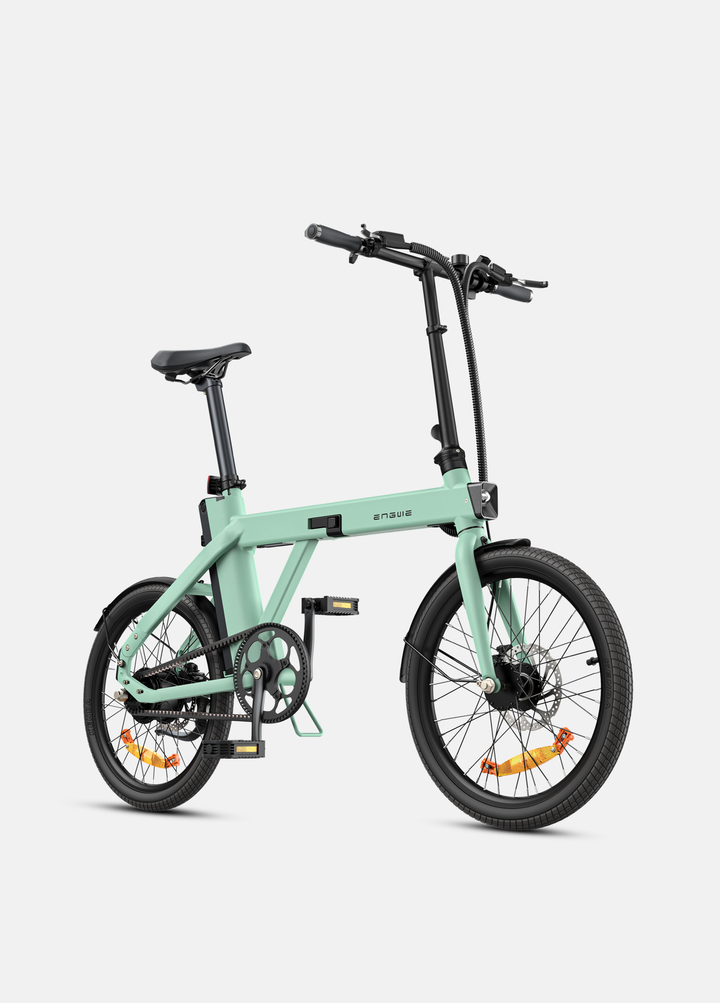
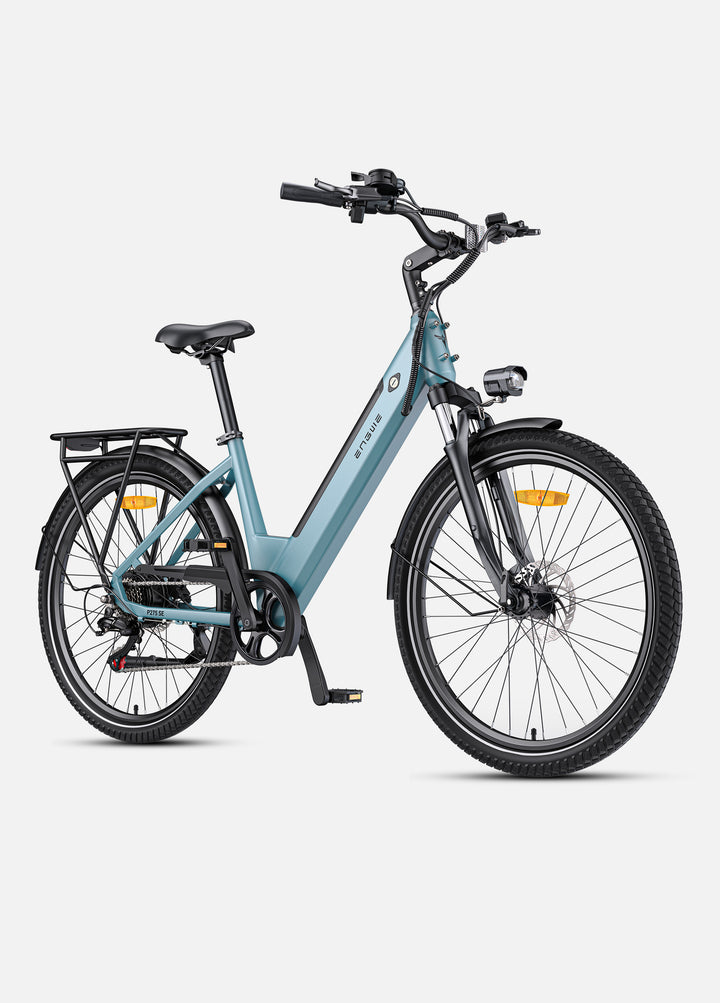
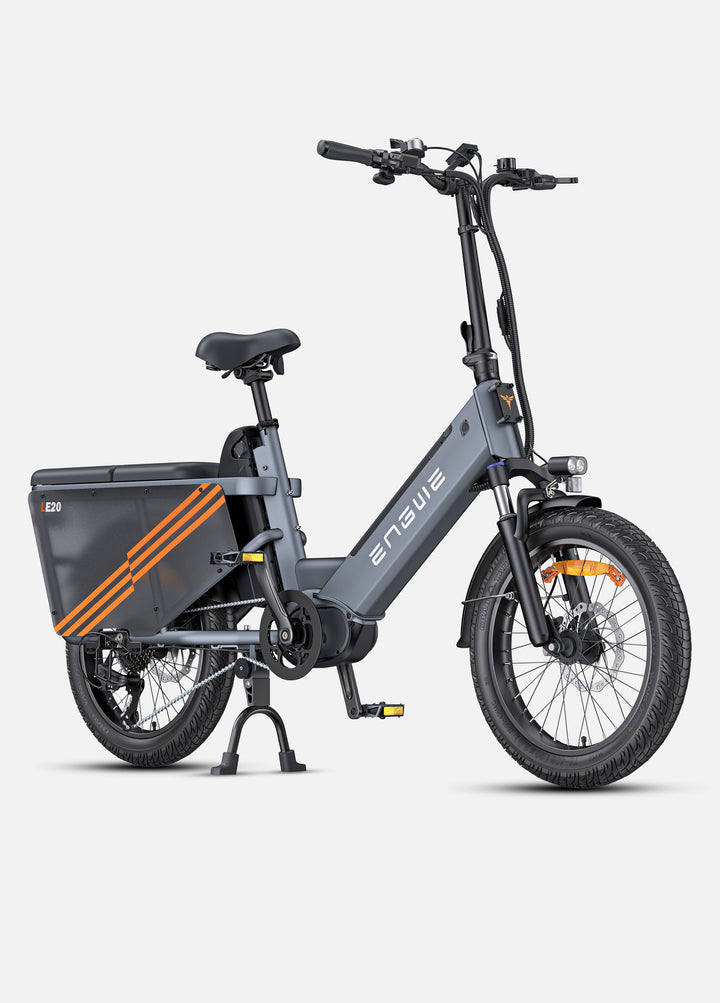
Brand cachet and model lust exert a powerful influence in the pre-owned market. Some brands become known for offering a great balance of features, longevity, and performance that transcends their new out-of-the-box appeal as used items. ENGWE is a great example of a brand that offers on e-bikes, and they also hold their value quite well. When you buy a well-spec’d model from a brand like ENGWE, what you end up with is technology and build quality that won't soon become outdated. Their bikes are often packed with features and strengths commonly seen on much more expensive bicycles, which explains why they have so many followers. Examples would be the ENGWE E26, which is a masterclass in all-terrain ability and rugged engineering.

Powerful Performance:
ENGWE E26 adopts a 250W brushless motor with strong power and explosion-proof valve to make it easy work of steep hillsides and future terrain.
Superior All-Terrain Comfort:
It features a 2X dual suspension system with front and rear shock absorption along with huge 26 x 4.0 fat tires that absorb anything in your path - perfect for the trail or city street!
Exceptional Range:
With a bigger frame and an extended long-range 48V16Ah removable lithium-ion battery, the E26 has the highest range of up to 140 km with the pedal-assist feature, ideal for all-day or all-night cruising.
Greater Safety and More Control:
It is equipped with 180mm hydraulic disc brakes front and rear as standard, which provides more safety for your riding, because it has strong stopping power no matter the weather or road conditions.
Utility Built-In:
With features including a comfort-tuned back rack, robust 25kg carrying capacity, and large bright LED lighting, the E26 is one of the most versatile bikes available for anything.

Market Factors and Presentation: The "Soft" Variables
And last, but not least: External market factors and how the e-bike is presented can have a significant impact on the final sale price. So evaluating how much this bike is really worth is just half the battle— you also need a good sense of where the market is at when it comes to selling or buying. A killer e-bike listed poorly at the wrong time of year will sell for less than a slightly lesser bike marketed brilliantly at the right point in the season. These “soft factors” are easy to miss, but could represent a 10-20% delta in value. To get the most as a seller, or to make off with the best deal if you’re a buyer, you have to think about what’s happening in the world at your moment of trade. These last variables are of particular importance.
Seasonality:
The demand for e-bikes hits its high point in the spring and summer. You’ll get the highest price selling during these months. On the flip side, late fall and winter may be the peak bargain-hunting time for buyers.
Where You Live:
Prices may differ depending on where you are. E-bikes may be more useful for high-density metropolitan areas where cycling is popular or regions with huge stretches of trails.
Presentation and Listing Quality:
For sellers, a bike should be clean. Take multiple well-lit, high-quality pictures from different angles. Write a description – tell the reader as much as possible about the good, the bad, and the ugly, along with all service details.
Wanted E-Bike Categories:
Specific types of e-bikes are currently in high demand on the used market and that hold their value strongly. These include:
- All Terrain Fat Tire E-Bikes
- Folding Commuter E-Bikes
- E-bikes designed for Cargo and Utility over long distances
- Comfortable Step-Thru Cruiser Bikes
What one thing depreciates the value of a used e-bike more than anything even if everything else is in perfect shape?
The health of the battery. A battery that no longer holds a 100% charge or has a greatly diminished range can be hundreds of dollars to replace and is thus the single most important point of failure.
Would you recommend upgrading parts before sale in order to maximize the value?
No, not really. Minor but crucial replacements are fine, like new brake pads or a chain. But you are unlikely to recover the full cost of big upgrades like a new motor or suspension system.
How much should a buyer aim to negotiate off the asking price?
A reasonable negotiation is expected. Here, a good place to start is by offering 10-15% less than the asking price—though not without mentioning the particular wear and tear you noticed during your inspection.
So, armed with this simple guide, you are now prepared to know exactly what you should be paying for your ride.