The impulse to squeeze additional speed and power out of your electric bicycle is a natural one, but the line between a modification that’s worth making and one that keeps you up at night worried about whether it will void your motor or suspension warranty or even cause damage to the bike is thinner than ever. Let's take a closer look at the complicated path of e-bike laws, manufacturer warranties, and tuning methods. This guide will get into everything you need to know about how to upgrade your ride without putting your warranty, legality, or safety at risk.
1. The Law: Deconstructing E-Bike Classes and Laws
Before you even think about tuning, you have to understand the rules around electric bikes, which are dramatically different depending on where you live. These laws are also more stringently enforced in 2025, and ignorance is no excuse. If you modify your e-bike beyond these legal limits, then essentially what you have is an unregistered motor vehicle, which can come with very significant legal consequences. The most widespread framework, especially in the United States, splits e-bikes into three classes. Learning what kind of bike you have is the first step toward compliance. European and UK standards simply require the use of a "Pedelec" or a more general "electric bike".
-
Class 1 E-Bike:
Motor assists the rider only when the rider is pedaling (pedal assist) and stops assisting when the bicycle reaches 20 mph. They are commonly allowed wherever bicycles are permitted.
-
Class 2 E-Bike:
This also has a throttle that can move the bike without pedaling, but the motor tops out at 20 mph. Requirements for Class 2 bikes may be even more limiting.
-
Class 3 E-Bike:
An e-bike that provides pedal assist and has a maximum assisted speed of 28 miles per hour. These are frequently banned from multi-use paths and bike lanes.
-
EU and UK Legislation (Pedelecs):
The conventional e-bike (L1e-A) must have a 250W continuous rated motor and an assisted speed up to 25 km/h (15.5 mph). Assist needs to drop off when you stop pedaling. Anything faster, the so-called Speed Pedelec (L1e-B), is subject to registration, insurance, and a license plate.
2. Tuning Techniques and The Guaranteed Void Of Warranty
OEMs dump a lot of time and money into finely tuning systems in which the motor, battery, and controller all play along nicely together. Any non-authorized modification disturbs this equilibrium and exerts stress on the parts that was not planned for. That’s the main reason why almost any kind of electronic tuning will immediately invalidate your warranty. Manufacturers have become sophisticated at identifying tampering, with any alterations being recorded. Your warranty is a “contract” based on the bike’s intended use; you’re voiding that contract when you tune.
-
Speed Unlock Dongles:
These are physical devices you insert into your motor or sensor that trick the system into believing your speed is lower than it really is, effectively turning off the speed limiter. This is apparent during servicing.
-
Software Hacking:
Implementing changes with third-party software apps or custom firmware that changes the parameters of the controller (e.g., wheel size, speed limit). E-bike systems record these changes, which can be noted as unauthorized alterations.
-
Throttle Installation:
Changing a Class 1 or Class 3 e-bike by adding a throttle is in clear violation of its classification and an obvious physical modification that will void the entire electronic system's warranty.
-
Battery Voltage Changes:
You cannot simply use a higher-voltage battery for more power because it will destroy your motor and controller, as well as create a substantial fire hazard. This is one of the oldest and most dangerously simple hacks to spot.

3. Picking the Perfect E-Bike: Performance Right Now

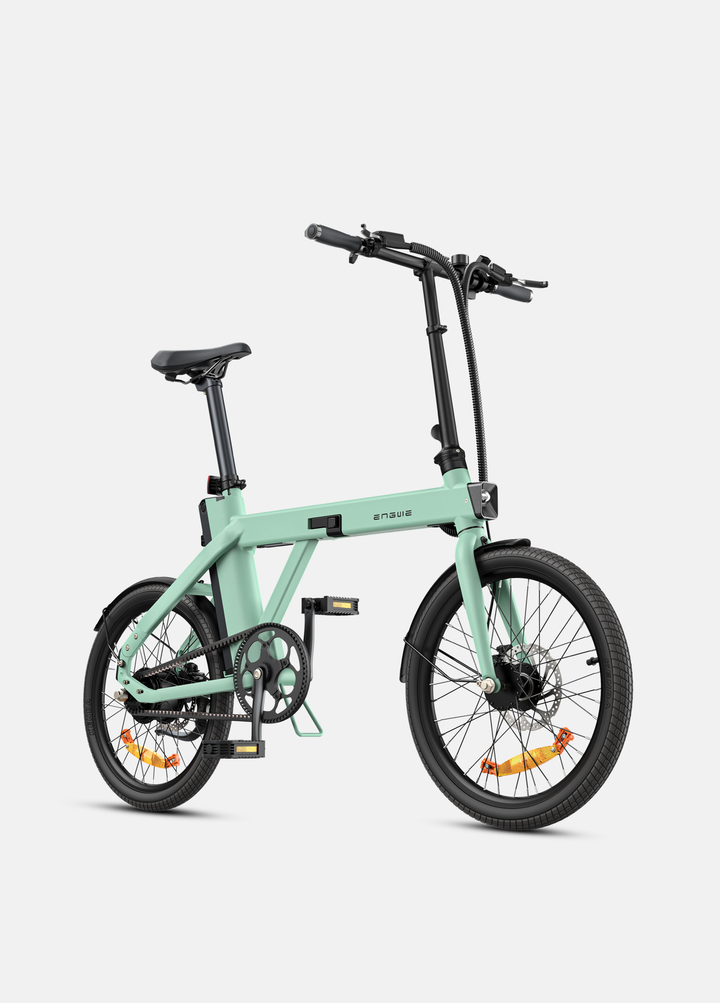
The cleverest way to enjoy thrilling performance without breaking those two things is to buy an electric bike engineered for capability from the beginning. For riders who want it all—power, distance, and a smooth ride across challenging terrain—there's ENGWE. Instead of taking risks with after-market tuning, ENGWE delivers legal power out of the box! The ENGWE EP-2 Boost is a perfect example. This is the model for those who enter cycling with high expectations. It uses a smart torque sensor, which provides more power and agility to feel as if you're directly connected to the bike. So, whether you need an extra push up a hill or just want to cruise up and down the coastline, our exclusive Boost Mode allows riders to unleash an astonishing 55Nm of torque from the powerful Talon motor whenever they demand it.

-
No-Warranty Interference:
The EP-2 Boost's *Boost Mode* is a manufacturer-built feature, so it’s 100% warranty-friendly and gives our motor and battery peak performance.
-
All-Terrain Confidence:
The 20x4.0 fat tire and single-piece wheels provide stability and consistent traction over all types of terrain, from city streets to off-road environments.
-
Great Range:
The 48V 13Ah high-strength lithium battery provides a strong power source for a range of up to 120 km.
-
Advanced Design:
Unlike inexpensive pedelecs, this bike comes with a torque sensor pedal assist which makes you feel like a god as you accelerate up climbs. Combined with powerful 180mm mechanical disc brakes and a lightweight folding frame, the EP-2 Boost is the perfect option straight out of the package, so no illegal tuning is required!
4. Warranty-Safe Upgrades that Boost Performance
Today, you can dramatically improve your e-bike experience without relying on illegal electronic tuning. By concentrating on the mechanical side and maintenance, you can keep your bike under its warranty while also ensuring safer and more efficient operation. These investments are all about working smarter, not harder, and they'll help you to tailor the bike for your riding style. Buying quality parts now ensures a better ride in the future. Many of these upgrades can be performed at home using simple tools and provide an opportunity to better get to know your machine, not to mention save a little money on labor.
| Upgrade Type | Primary Benefit | Warranty Impact |
|---|---|---|
| High-Performance Tires | Enhances grip, lowers rolling resistance, guards against flats | Safe to use (if size is correct) |
| Hydraulic Disc Brakes | Vastly superior stopping power and modulation | Most likely OK (professional installation recommended) |
| Drivetrain Components | Better shifting and improved power transfer | Generally safe if compatible parts are used |
| Ergonomic Grips | Improved comfort and control | Completely safe to install |
Recommended Upgrades:
- Tire Modifications: Swap out your stock tires for an aftermarket pair specific to your primary riding surface. Opt for models with enhanced puncture protection and grippier compounds.
- Brakes: You'll want to make the switch from mechanical to hydraulic disc brakes for superior stopping power, a must-have if you're traveling faster (within legal limits).
- Drivetrain Maintenance: Keep your chain clean and well-lubricated. Think of investing in a higher-quality chain and cassette for crisper, more reliable shift performance under power.
- Weight Reduction: Replacing heavy parts like the seat post or handlebars with lighter alloy or carbon fiber versions can make your bike easier to handle.

5. The Hidden Dangers of Security and Insurance Liability
The talk around e-bike tuning generally revolves around legality and warranties, but the most important thing is personal safety. E-bike frames, brakes, and forks are engineered for the speeds and stresses within legal e-bike limits. Moving a bike at 35 mph when its brakes are intended to stop it at 20 mph is a recipe for disaster. The implications are not only about the bike; they also create financial and legal liability for the rider. Insurers are seeing more of these claims occurring with altered e-bikes in 2025.
Immediate Hazards to Health or Life:
- Inadequate Brakes: Your stock brakes may not be able to dissipate the heat generated from high-speed stops, which can cause them to fade or fail completely, especially on long descents.
- Frame and Fork Strain: Greater velocity on rough roads exponentially strains the weld points of your bicycle’s frame and its fork—a failure that could be catastrophic.
- Battery Overheating: Forcing the motor to run at a higher power output than designed can cause the battery to overheat and become a serious fire hazard.
Insurance and Liability Considerations:
- Voided Insurance: In the event of an accident on a tuned e-bike, your homeowner's or renter's insurance could deny any liability coverage.
- Personal Liability: You might be found at fault in an accident and held personally liable for damages or injuries to another party. That bill could range into the hundreds of thousands of dollars, or higher.
- Legal Categorization: As a result of a serious incident, the bike will be examined by law enforcement agencies. If it is deemed illegally modified, you could be charged with operating an unregistered motor vehicle.
Frequently Asked Questions
Q1: Can they tell if I take my e-bike for service after removing a tuning chip?
A: Almost certainly. Peak speed and motor output are recorded by modern e-bike systems. Technicians will notice any discrepancies or error codes from the previous readings, which are stored in the controller's memory—a surefire way to void your warranty!
Q2: What’s the single best warranty-safe upgrade I can do for more performance?
A: High-quality tires. They are your only contact with the ground, and optimizing them can dramatically enhance your e-bike’s speed, efficiency, handling, and braking safety without altering the electronic system.
Q3: Will activating a factory-supplied "Boost" or "Turbo" mode void my warranty?
A: Absolutely not. Manufacturer-programmed modes, such as the Boost Mode on an ENGWE, are intended to be used within the bike's designed safety limits. They are a great, warranty-safe way to get even more power when you need it!
In the end, it's about making your e-bike more fun within the constraints of legality and safety.