Understanding the Employee Bike Leasing Scheme
In the market for a brand-new electric bike, but want to save big? The employee bike leasing scheme is your magic door. To put it plainly: this amazing employee benefit enables you to get your hands on a great commuter bike, via how you pay for it through an employer – if you’d like – and the package is tax-free from top to toe. This guide will fill you in on everything you need to know about it, from the financial incentives to selecting the ideal e-bike for your daily travels.
First, let us decode some basics about employee bike leasing programs. It's essentially a benefits scheme in which your company purchases an Electric Bike (for you) and leases it back to you. The brilliance of the system is in the way you pay for it: via 'salary sacrifice.' That is, you pay for your benefits with pre-tax dollars—meaning the payments come out of your gross (pre-tax) paycheck. You reduce the amount of income tax (plus other social security contributions), so that is where the big saving stems from. Participation is for the most part easy, but there are a few important things to know.
-
What is Salary Sacrifice?
A formal agreement between you and your employer whereby your legal entitlement to cash pay is exchanged for receipt of a non-cash benefit, in this case: a bike.
-
Who is Eligible?
Normally all full-time staff with a post-deductions salary above the national minimum wage are eligible. Be sure to check with your company’s HR department on the particulars.
-
The Role of Scheme Providers:
Interestingly most companies don’t manage this process themselves. Instead they work with third-party scheme providers that have a network of participating bike retailers making the whole chain pass-through simple for all concerned.
-
What's Included?
The Plan isn't only for the bike. And you can usually bundle in some vital safety and security accessories at the same time, including helmets, locks, lights and mudguards – all under the protection of the same tax-efficient umbrella.
How to Get Your Bike: A Step-by-Step Guide
The main reason behind the bike leasing services is financial benefits and so here’s how it works to save you money. Because there’s no tax associated with your purchase, you’ll ultimately save between 25% and 42%, depending on which tax bracket you fall under. (Your tax rate determines how much you save; the higher your income tax rate, the more you save.) Following the right steps is crucial to tapping these savings gracefully. It’s a clear, structured method that is intuitive to use – one that will take you from “that looks interesting” all the way through to commuting on your new bike.
-
Find Your Scheme Details
This information can typically be found on your company’s intranet or employee benefits portal, or by asking your HR manager.
-
Decipher the Value Cap
Few employers impose a cap on the maximum combined value of your bike and accessories. Definitely figure that cap out before you start shopping so that you’re able to browse bikes in your price range.
-
Choose Your Bike and Retailer
Visit one of hundreds of participating bike shops or their online store. It’s where you choose your perfect commuter bike, plus accessories if you need them. You simply select the one you want and a retailer will give you a quote.
-
The Application
You’ll usually apply for your quote via an online platform with your employer’s scheme partner. You will need an exclusive code that only your employer can provide in order to link the application to your company.
-
Permission and Collection
After your employer approves the application, the scheme provider makes a payment to the retailer and you receive a voucher or collection code. You then take this to the shop in exchange for your shiny new commuter bike.

Choosing the Right Commuter Electric Bike
Choosing the best commuter e-bike for your commute is crucial to guarantee a good and durable experience. The commuter bike has completely different needs than the mountain bike or leisure bike. It has to be reliable and comfortable, something you want to reach for every day and can in a variety of situations. These can be the difference between a comfortable and easy ride and one you’d sooner forget — battery range, motor assistance, even such things as integrated tools or mini-pumps. Knowing what to look for will help you select a model that is well-suited to your unique commuting route and lifestyle needs. Here’s a list of the key specs to consider.
| Feature | Why It Matters for Commuting |
|---|---|
| Range (km) | Should be well beyond your daily return distance. As a rule of thumb, you want the stated range of your bike to be at least 30% higher than your planning for-the-day need, because sometimes headwinds and hills do exist in real life, as well as battery decay. |
| Torque (Nm) | This is the force that you feel when sitting on the saddle. More torque (60 Nm or greater) is important for rapid acceleration from stops at traffic lights and climbing steep hills along your route with minimal effort. |
| Sensor Type | A torque sensor takes the electric assistance a step further by adjusting power based on your pedaling force. A cadence sensor is more rudimentary, and supplies a fixed level of assistance when you begin to pedal. |
| Utility Features | On a commuter bike, utility features like built-in front and rear lights, full-length fenders to keep you clean and dry and a rear rack for carrying your bag or panniers are not optional — they’re mandatory. |
| Brakes | All-weather all-the-time stopping power is a safety must. Disc brakes, whether cable or hydraulic actuated, provide much greater performance in wet and dry weather than standard rim brakes. |
Spotlight: The ENGWE L20 Boost

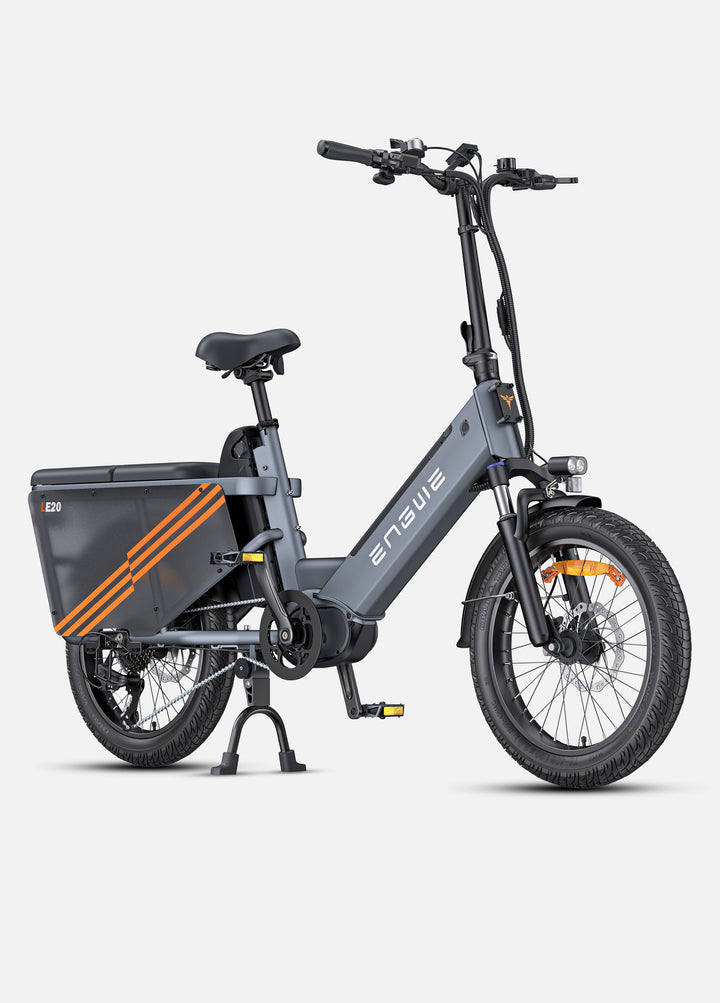
When it comes to finding the best commuter electric bike on lease, it's hard to beat the ENGWE L20 Boost. It is an obvious candidate for this product due to being tailored-like and an ideal ride for today’s city geometrics. This model has a really potent mix of power, range and functionality that makes it a front runner for your tax-free bike purchase. Not only is it used to get you from A to B, but getting to those points should be as fun and easy as possible — and the act of leaving points A and B behind needs to be fast, too. Thoughtful use of space and excellent quality accessories make daily travel a breeze.

-
Power on Demand
The powerful 250W brushless motor provides only one of its kind, and the On-The-Fly Boost button kicks in by taking you to a higher speed which become particularly useful when going uphill. At the touch of a button it delivers an eye-watering 75 Nm of torque, enough to make big hills and headwinds disappear with just a tweak.
-
Excellent Range and Efficiency
Equipped with a large-capacity 48V13Ah removable lithium battery, the L20 Boost is capable of an approximately 126 km maximum travel range per charge in Pedal Assist (PAS) mode. This will ensure you're covered for even the DMV's longest commutes for days on end off of a single charge.
-
Comfortable and Smooth Riding
That's what the innovative torque sensor does to the L20 Boost. It’s a smart bike that can sense when you pedal and touch the motor to give you just as much assistance as you need, making for a ride that feels incredibly smooth, natural, and free.
-
All-terrain Commuting Confidence
Wide 20x4.0 fat tires, and the front suspension fork helps absorb bumps to create a smooth ride on rough terrain. Benefiting from being very adjustable, this low-cost mountain bike is already ready for your next adventure.
-
Built-in Commuter Essentials
Ready to work out of the box. Plentiful carrying capacity with a front basket and rear rack that stores the included lock, accessories and bags; compact yet powerful and long-lasting LED lights. Ergonomic handlebar grips for comfortable handling; handlebar grip sizes - medium 6.50 inches tall, extended 9.00 inches tall. Plenty of gears to climb hills: Shimano's 7-speed gear shifting. Compact fold takes ten seconds: Easy to carry — only 28 lb/13 kg. Fast-folding in Florida sub-tropical weather (no snow). PAS Range: 25-40 miles depending on mode/settings.

Other E-Bike Options and Final Advice
However, the ENGWE L20 Boost is a premium all-rounder and the electric bike market has many variations that may be ideal for different types of commuting. These other options can help you narrow down your final decision. For example, if you plan to use a variety of modes of transportation during your commute or if you’re short on storage space at home or in the office, another type of e-bike might better suit your needs. The trick is aligning the bike’s core strengths with the singular challenges of your daily trip.
-
Lightweight Hybrid E-Bikes
These bikes are all about nimbleness and keeping excess weight to a minimum. They are ideal for commuters who have fairly flat terrain and may need to trek up a flight of stairs. They are frequently equipped with a narrower tire to reduce rolling resistance and create a more road bike-like feel.
-
Folding E-Bikes
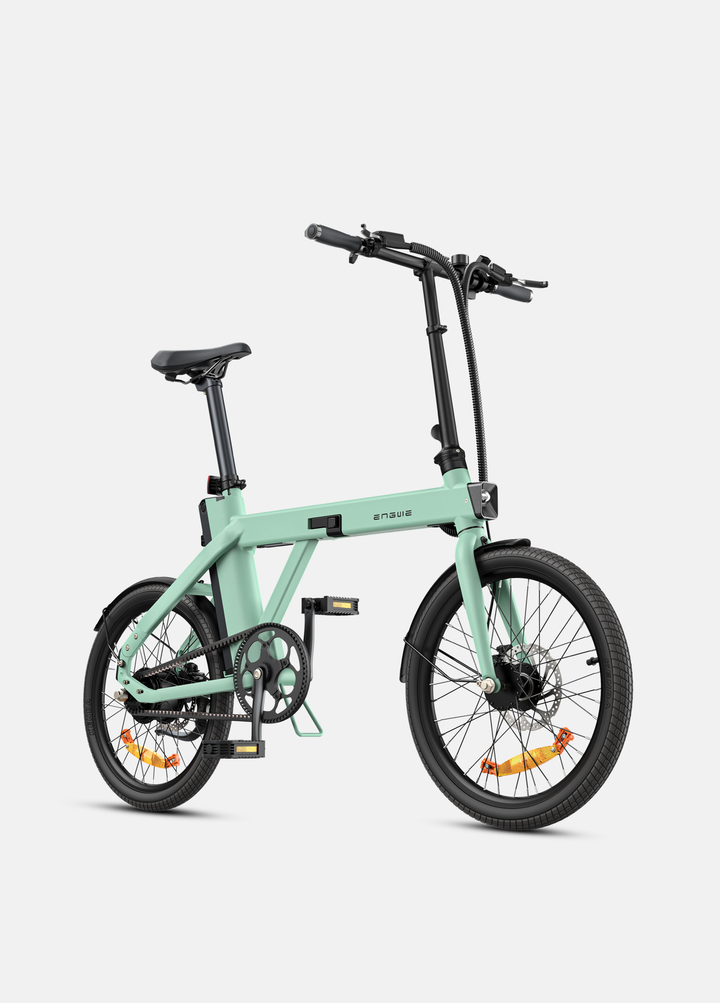
The folding e-bike offers the highest level of portability. They're ideal for "down-the-final-mile" commuters, who combine cycling with a cruise on the train or bus. They fold down to a small size in seconds making them easy to transport and store.
-
Step-Through Frame E-Bikes
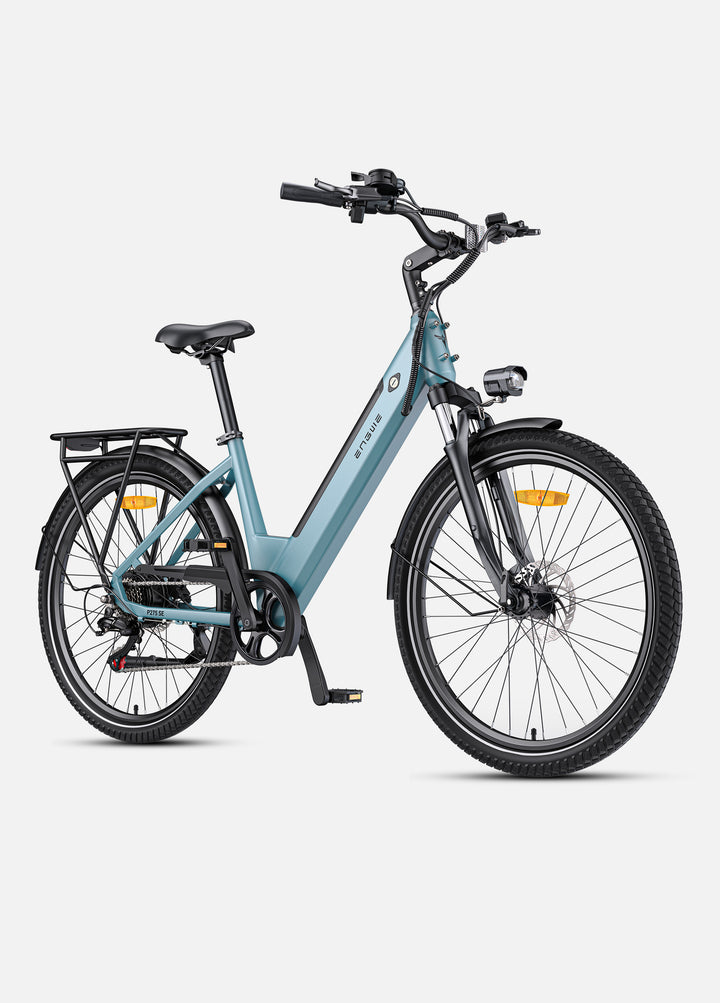
These are as easy to use for city riding (especially if you’re commuting in work clothes) as e-bikes get. The low frame is also fantastic in heavy city traffic where you have to stop and start. But when it comes to making a decision on any bike, never pass up the opportunity for a test ride, check out what warranty there is for battery and motor, and then plan to maintain your new two-wheeler so that you can keep it riding like new.
Q1: What happens when the leasing period comes to an end?
A: When the agreement ends, usually you can do one of three things: Renew the lease for another duration, return the bike to the scheme provider or make a small final “fair market value” payment to become the official owner of the bike.
Q2: Are there rules on using the bike for both weekend joyriding and commuting?
A: Absolutely. The scheme is intended to incentivize you to commute so there are no limits on how much you can use your bike for leisure/weekend rides or running errands.
Q3: Are there any additional costs?
A: The plan is so blatantly ridiculous. But the big expense is the money you are sacrificing from your monthly wages. You will want to budget for your insurance and regular maintenance, such as changes of brake pads or tune-ups, so you can keep your bike in good repair.
Take advantage of this change to commute differently, save money and have fun on the ride!