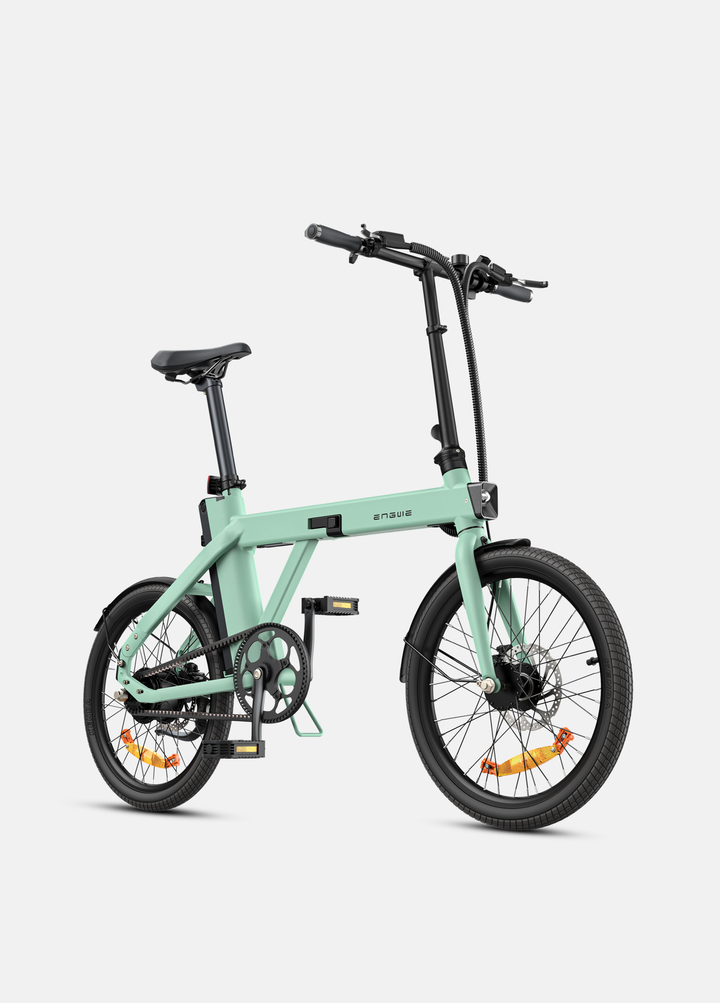
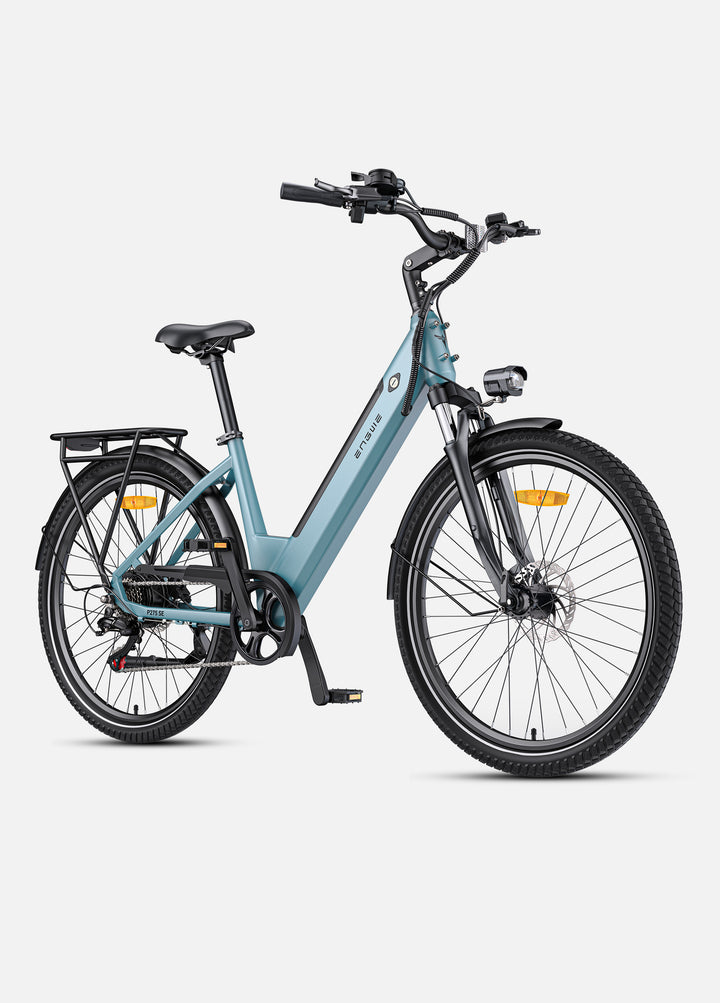
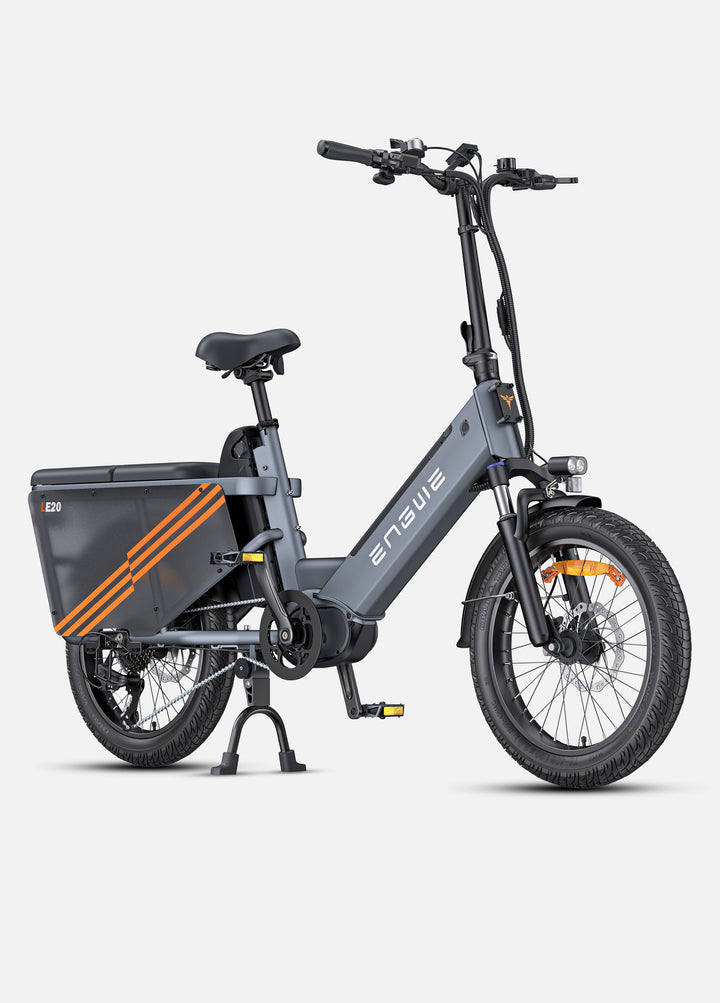
A custom fat tire electric bike is a great project that will let you construct something just the way you like. This detailed guide is especially made to lead you, step-by-step from choosing the right parts and staying on budget, right through your build's final paint. In addition to covering essentials and the most important money-saving tips, we’ll be going over step-by-step build instructions and even a few direct pre-built comparisons you may find suit your needs best. Now go start designing your all-terrain pal.
Sourcing Core Components
The ability of your DIY fat tire e-bike to perform well depends on the parts you use. Broadly speaking, your project falls into two categories: the electrical side that brings the power and the mechanical platform which creates the ride. It’s also good to know each component, as it is important if you're looking to have a successful and safe build. It’s all about sourcing from trusted online marketplaces or niche e-bike component retailers. Please make sure you're purchasing the correct voltage and connectors.
Minimum Electrics:
- Motor: A hub motor (either front or rear) is going to be the most economical, predictable motor for a fat bike. Rear hub drive. Typical advantages: Better traction, usually out back. A 750W or 1000W motor is the most common option if you want top speed on all terrains.
- Battery: This is generally the priciest single part. Get a 13Ah battery at minimum; the more, the better if you want to cover some range. Make sure it includes a decent Battery Management System (BMS) for safety.
- Controller: The brain of your electric bike. It needs to be appropriate for the number of watts your motor uses and the voltage of your battery.
- Display: The basics are there for you to read — speed, battery level, assist level — all glowing on an easy-to-read LCD screen.
- Throttle & Pedal Assist Sensor (PAS): Throttle on demand, or keep powered with PAS. Most kits include both.
Key Mechanical Parts:
- Donor Bike: You need a robust fat bike frame that can be made of steel or aluminum. Crucially, though, it needs to feature tight dropouts that can resist the power produced by the motor and disc brake mounts for some stopping power.
- Brakes: Don't skimp here. You must have mechanical or hydraulic disc brakes for the weight and speed of an e-bike. Make sure your brake levers have motor cutoff switches for safety.
- Torque Arms: A tiny but essential piece for hub motor creations, it helps to stop the motor's axle from spinning out of the frame dropouts.
DIY Budgeting Mastery
Building on a budget does not have to mean skimping on quality, but it does require intelligent planning and sourcing. The overall price can fluctuate greatly depending on what motor and, especially, battery you choose. Establish a budget in the beginning to help you make your component choices and reduce the chance that you’ll spend more than needed. A good budget build can offer huge returns and a bike that both performs well and feels like it’s your unique ride.
Typical Budget Tiers:
- Low Pricepoint: A basic hub motor conversion kit and a smaller battery are used for this tier. This is all about finding a serviceable fat tire e-bike without breaking the bank. You will probably have a used donor bike.
- Mid-Range Budget: You get to budget for a motor with more power, better range from a battery by a known manufacturer, and can optionally upgrade to hydraulic brakes. That’s a performance-and-value sweet spot.
- Performance Budget: This includes top-of-the-line components such as powerful mid-drive motors, big long-range batteries, and high-quality parts including upgraded suspension and drivetrain components.
Top Money-Saving Tips:
- Shop Sales: I am a big fan of sales. Always look for clearance and buy basics at the end of each season or bulk items when they are on sale.
- Buy a Kit That Includes Everything: It’s almost always cheaper and guarantees component compatibility if you go for one of those all-in-one conversion kits where the motor, controller, display, and throttle are combined.
- Track Down a Used Donor Bike: First, scour local marketplaces for a high-quality used fat bike. Check for cracks in the frame and make sure it's got disc brakes. This can save you hundreds.
- Invest in the Battery: It’s very tempting to skimp here, but a cheap, uncertified battery is a safety risk and will degrade quickly. Do not cheap out on your battery; it’s the lifeblood of your e-bike.
- Pick a Hub Motor: With the right controller and battery, geared hub motors are cheap, easy to install (or remove if need be), and balanced in performance for most do-it-yourself builders compared with more intricate mid-drive systems.

Step-by-Step Build Guide
The assembly: With your components and donor bike in place, it’s time to build. This is the most tactile aspect of the project. Work through them purposefully in a clean, well-lighted space and don’t rush. Rushing leads to mistakes. For anything that will not be found on a pre-built bike, such as the aforementioned electricals or safety features (torque arms and brake sensors), reliability is only had by proper installation.
Setup/Breakdown:
- Tool Check: Make sure you have all the necessary tools: Allen keys, wrench set, crank puller, tire levers, and wire cutters/strippers.
- Bike Prep: Give your donor bike a good cleaning. Note: You will need to remove the wheel that you are wanting to install the hub motor on (front or rear), and remove the crankset for installation of the PAS sensor.
Core Installation Procedures:
- Attach the Motor: Put your hub motor in the wheel dropouts. Make sure it is firmly and properly seated. IMPORTANT: Install the torque arms at this time. This is the key feature to prevent spin-out of the axle.
- Install Battery: Attach the battery cradle to the frame (typically mounted on the downtube). Make sure it doesn't inhibit pedaling.
- Mounting Parts: Easily attach the display and throttle/control pad to your handlebars. Install the PAS sensor on the bottom bracket.
- Attach the Controller: Secure the controller (usually in a bag on the frame). Now it's time to start hooking things up: motor, battery, display, throttle, and brake sensors. The connections are typically color-coded or shaped to eliminate improper connections.
- Cable Management: It's all about cable management to help you have that professional-looking build. Bundle and neatly secure all your wires along the frame with zip ties or spiral wrap. Make sure there are no wires that can be caught in the wheels, chain, or pedals.
- Final Checks: Give it a good once-over prior to your first ride. Raise the powered wheel off the ground and try the throttle. Test whether the brake sensors shut off motor power. Verify the PAS is working.
Pre-Built vs. DIY & Q&A
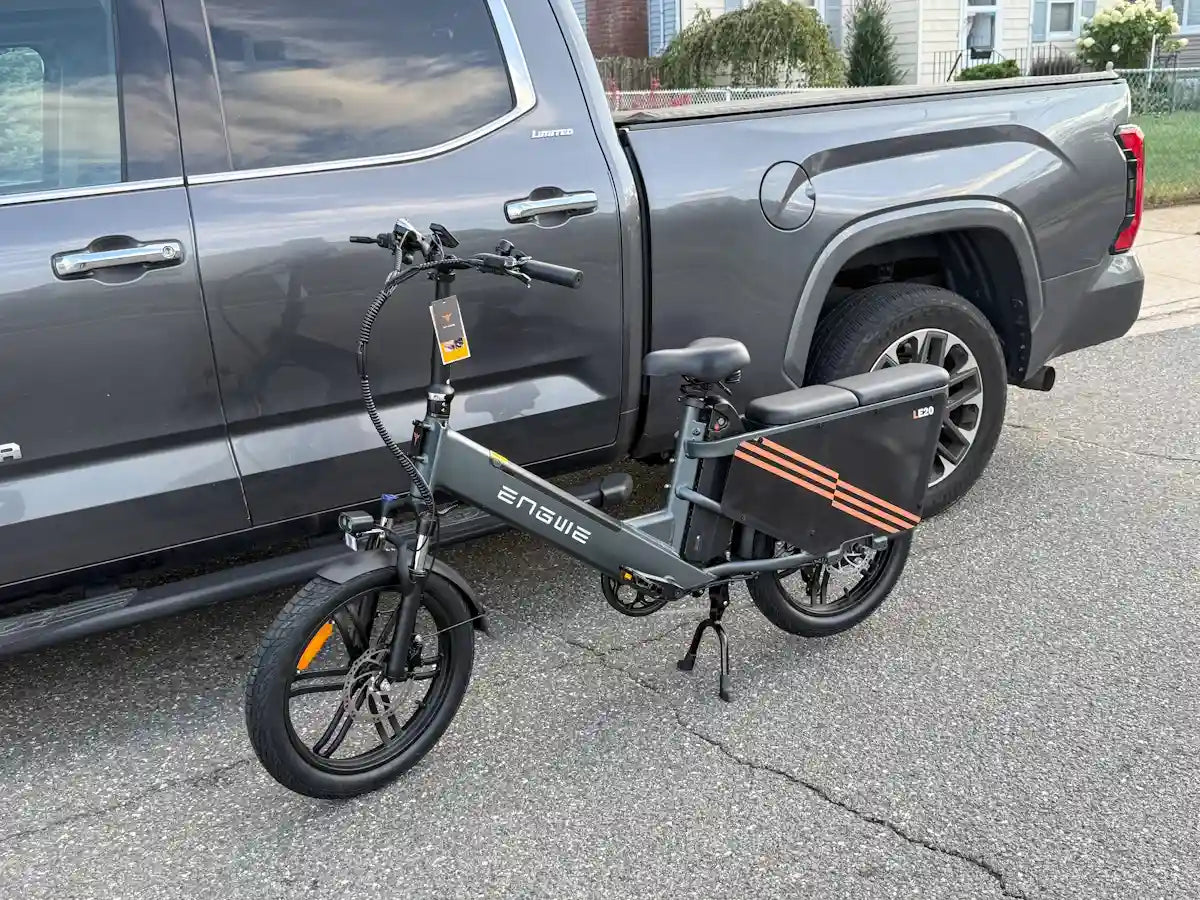
Although it’s rewarding to do things yourself, it’s time-consuming and requires technical expertise and troubleshooting. For individuals who appreciate peace of mind and a professional finish out of the gate, perhaps even for a greater financial investment, looking into a purpose-built fat tire e-bike is certainly one option you should consider. ENGWE is well known for producing affordable, powerful, and feature-rich fat tire electric bikes that end up being difficult to replicate in a DIY build for a similar cost when you consider the warranty and integrated design. The ENGWE EP-2 Boost is a good example of why you might want to go for a pre-built model. It is designed from the ground up as a complete system, so you can avoid any potential guesswork regarding whether or not your components are compatible and safe.
The ENGWE Advantage:
- Warranty and Tech Support: Get a full warranty and tech support, which is something that you would otherwise not have with a DIY build.
- Built with Integration: Every part is designed to work seamlessly together, from the drive system to the frame.
- Certified Safety: ENGWE bikes all pass the safety and high energy conversion efficiency tests established under CE and EN standards; their quality is trustworthy.
- Ready-Made: You could be out riding in minutes rather than spending hours or days trying to build and debug.
Spotlight on the ENGWE EP-2 Boost:

- Smart Torque Sensor: The smart torque sensor provides a cooler and longer ride which feels like a smooth, natural riding experience, unlike the jerky engagement of a basic DIY PAS.
- High-Powered Boost Mode: Take on sudden inclines and never shy away from steep hills for fear of running out of battery power by using the Boost Mode, which offers an immediate 55Nm of torque from the 250W motor.
- All-Terrain Domination: Tough 20x4.0 fat tires and robust construction build them super strong while the one-piece wheels provide excellent traction against any surface, from pavement to sand.
- Superior Range & Convenience: A 48V 13Ah removable Lithium battery boosts the travel range of up to 120km; it's easy to take on and off.

Choosing a Donor Bike & Kit
If you're in it for the DIY long haul, choosing the right foundation is key. You are seeing the donor bike as more than a frame; this is your chassis for the entirety of your project. Choosing the right conversion kit for your build will also dictate how your bike feels and how easy or hard it is to put all the parts together. Fat bikes are not all created equal when it comes to being converted, nor are conversion kits a blessing for every rider. Taking your time to make the right selections here can save you plenty of headaches and money in the long run.
What to Look for in a Donor Fat Bike:
- Frame Material: Steel is long-lasting and strong, which makes it a perfect material for the frame. Aluminum will be lighter but be certain it’s a high-quality frame with strong welds.
- Brake Mounts: The frame and fork must have mounts for disc brakes. There is no way that V-brakes will do an e-bike with fat tires justice.
- Frame Space: Make sure there is adequate space in the main triangle to mount your battery, which will be the largest part.
- Dropout Width: Make sure the frame's rear dropout width is compatible with the hub motor kit you want (usually 175mm or 190mm and sometimes wider for fat bikes).
Factors to Consider When Buying Conversion Kits:
| Kit Type | Power & Best Use Case | Installation Complexity |
|---|---|---|
| Front Hub Motor | 500W – 1000W. Best for flat/paved terrain, low-cost builds. | Low |
| Rear Hub Motor | 750W – 1500W. All-purpose, more traction on hills. | Medium |
| Mid-Drive Motor | 750W - 1500W. Best for steep hill climbs, technical off-roading. | High |
Here are some reputable brands that offer DIY kits which you can consider for your own project:
- Bafang
- Voilamart
- AW
Key Questions and Final Thoughts
-
Are DIY e-bikes actually cheaper?
At first, the cost of components may be less. But once you factor in the cost of tools you’ll also have to buy, the chance that you might damage a part, and add some mess on top, along with voiding a warranty, well-priced pre-built electric bikes will frequently provide better value and reliability in the long run. -
What's the hardest part about a DIY build?
The most time-consuming part, even for a beginner, is that of creating a neat wiring harness and ensuring your electronics are all hooked up correctly and fastened down without being loose or having “spaghetti” everywhere. -
A hub motor or a mid-drive for my first build?
For a first-time project of a DIY fat tire e-bike, the geared hub motor is an ideal choice. It is far simpler, cheaper, and just as good in most riding scenarios.
You are now prepared to build your dream ride or select an ideal pre-built companion for your adventures.