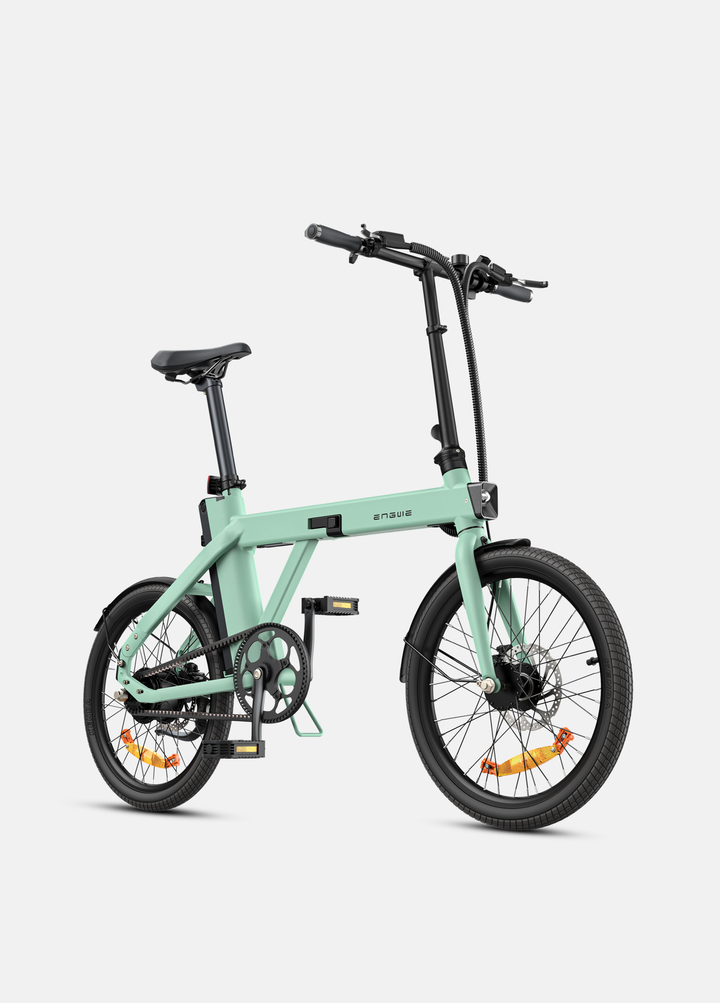
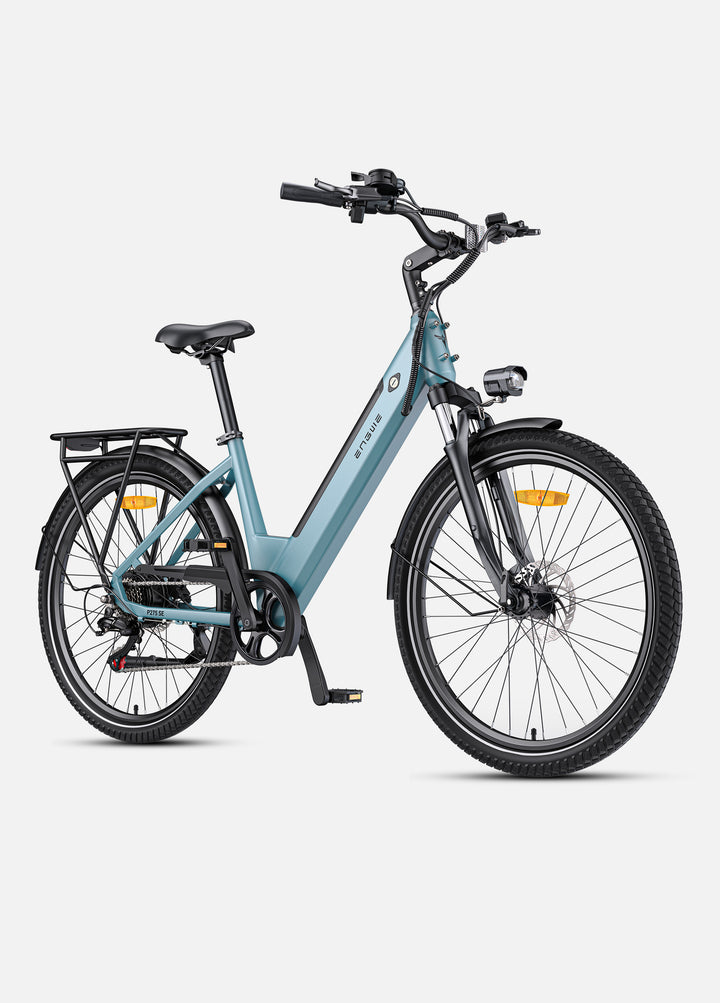
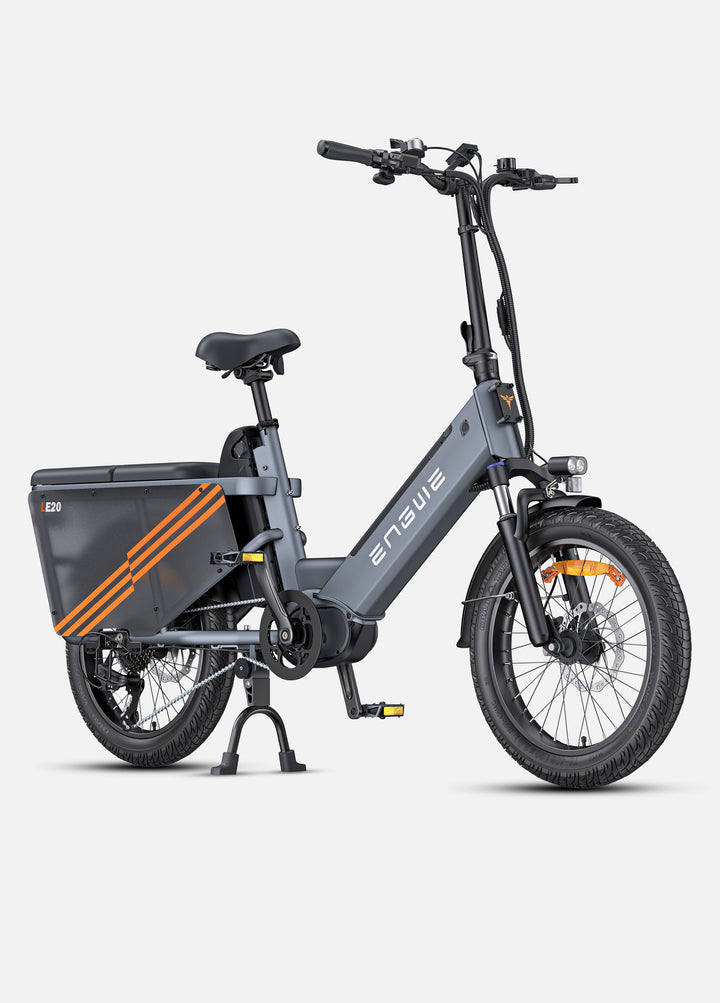
1. The Forces and Technology of Extreme Speeds
Yes, there are fat tire e-bikes that can go 40-50 mph, but they’re a niche product and the line between one of them and an electric motorcycle is hazy. So to reach such velocities really will be a mammoth feat with some very big legal and safety considerations. But before you run out and buy yourself an answer of a machine, what is the technology that enables said machine, the laws around using one, and how to ride it safely?
Knocking out 25-28 mph on a fat tire e-bike is easy; it’s as simple as switching the pedal to “go”. However, going for 40+ mph? That’s gonna take a powerful system of components working together at levels you won’t find on just any old e-fatty. It's not enough with the traditional 250W or 750W motor. These are high-speed machines constructed around the utmost in strength with all components selected to run at higher levels of pressure, speed and power. Knowing these elements is the first step in identifying sentries between a regular e-bike and a high-speed speedster. A big learning here for prospective buyers is not to fixate on peak motor wattage alone — a high-output system is only as strong as its weakest point, and in this case both the controller and battery need to be that capable too.
Key technological components include:
- High-Wattage Motors: You need motors that are 3,000W, 5,000W or greater to reach these speeds. These are typically monster direct-drive hub motors, or specialty high-torque mid-drive systems that aren’t really built to assist normal climbing as much as they are for making power.
- High-Voltage Battery Systems: Power is equal to voltage multiplied by amperage. Most often these e-bikes are using 72V (or more) systems. The larger the voltage, the faster the motor will turn, which is necessary in order to achieve those top speeds. Additionally, the battery has to be capable of a high continuous discharge rate to provide the current needed without heating or damage.
- Advanced Controllers: The controller is essentially the e-bike’s brain. A high-speed e-bike relies on a sophisticated controller like a good Sine Wave or Field-Oriented Control (FOC) to safely and smoothly handle the massive amount of current flowing from the battery to the motor which helps enable smooth acceleration, prevents damage to your components, etc.
- Solid Frame and Components: The amount of force at 50 mph is massive. The bikes need overbuilt, motorcycle-quality frames — essentially steel or high-grade aluminum. Normal bicycle parts would disintegrate under the load, so they have very strong shock absorbers, wheels and brakes.
2. INTRODUCING ENGWE! : BIG POWER

Electric bikes help reduce your carbon footprint and slash the commuting time, you know that traveling by bike is just plain easier.
It’s tempting to push for more and more speed, but the most fun (especially on UK trails) will be had with an ebike that gets the power-to-control-to-ability ratio exactly right. For riders that want something a little more adventurous, but without the legal headaches and hazards of a 50 mph machine, the ENGWE EP-2 Boost is one of our top recommendations. It's carefully designed to tackle all kinds of trails you can throw at it, from city streets to rough back country paths by giving the power you need when you want it in a smart, responsive way. The EP-2 Boost is all about a great riding experience rather than just raw top speed that’s not useful most of the time.
The ENGWE EP-2 Boost: Great value for the buck for what you get:
- Smart Torque Sensor: This is a revolutionary feature. In contrast to a simple cadence sensor, the torque sensor reads your pedaling force and gives you more oomph from the motor as a proportional response. The end result is an incredibly smooth, natural and intuitive ride that feels like you are simply combining your pedaling input with the motor.
- On-Demand Power with Boost Mode: Pinpoint acceleration at the touch of a button, so no matter if you are on hills or headwinds or just want to power through with little effort; the 55Nm motor will cover it all.
- All-Terrain Domination: The mammoth 20x4.0" fat tires—Large contact area with the ground for better traction, stability and comfortable ride; prevent slipping or skidding on wet surfaces. High Stopping Power: double disc braking system gives you more control of riding. Alloy front and rear disc brake helps keep you safe in all conditions. Customized Hydraulic Suspension Fork for Smooth Riding Experience—Offroad dirt mountain ebike add comfort to your travel. Engineering mechanics design alloy frame compensate lower standover height; A high-end SHIMANO 7-speed drivetrain that includes a professional SHIMANO RD-TY300 derailleur. Shorten your commute to downtown campus or theater and back. This bike has always been my hard-working-duty-fun-going-cycle that’s all for the taking thanks to its indestructible one-piece wheels!
- Real Transporter: The EP-2 Boost boasts a long max range of 120km, a folding frame for easy storage with the ability to support up to 150kg rider, making it a practical and no hassle solution for most of your adventures.


3. Traveling Through the Legal Jungle: E-bike vs. Unlicensed Motorcycle
Here are a few key things to keep in mind: It’s worth noting that a 40 or 50 mph electric bike is not legally considered a “bicycle” in most jurisdictions. Most regulations for e-bikes employ a class system to maintain safety on public roads and bike paths. These high-speed machines far surpass those limits, and really belong in a separate legal category. If you are caught riding one, fines and impoundment could take effect, as well as being held liable in the case of an accident.
Key Tip: Always check your local and state laws *before* buying a high-power e-bike. Look up your state’s “electric bicycle laws” or its “moped regulations” to find out the exact limits on speed, power, licensing and registration.
Here are some of the legal designations you should understand:
-
Traditional E-bike Classes (USA Example):
- Class 1: Pedal-assist only, with a maximum assisted speed of 20 miles per hour.
- Class 2: Throttle-assisted, up to a maximum motor-powered speed of 20 mph.
- Class 3: Pedal-assist only, with assistance that cuts out at a maximum speed of 28 mph.
- The 40-50 MPH E-bike Conundrum: Any vehicle that can go these speeds by motor exceeds all three classes. In many legal jurisdictions, the term moped/mopeds is only applied to the lowest tier (often under 50 cc) of motorized bicycles.
-
Legal Requirements: Due to the reclassification of this product, it may need:
- Applicant must have a valid driver's license with motorcycle endorsement.
- Vehicle registration and a license plate.
- Compulsory liability insurance.
- Restriction: For use on roads only, not suitable for bike lanes or multi-use paths.
- Off-Road Use: The only one-hundred percent legal use of these ultra-fast e-bikes is on private property or in specially designated off-road vehicle (ORV) parks.
4. Ultimate-SIPC-Validated Performance At Extreme Speeds
If you have access to private land or live in areas with liberal laws, there are a number of manufacturers that make high-power electric bikes capable of the sorts of 40-50 mph speeds you desire. It’s not about the commute- these bikes are hard core machines for serious enthusiasts who want raw power and adrenaline! They have huge batteries, strong motors (frequently dual), and motorcycle-quality components to deal with the strain. Worth noting: Buying one of these is a big commitment to safety and responsible riding. They are expensive, and demand great skill from the rider.
Here are some examples of the brands that you might recognize for producing high-speed e-bikes:
- Delfast: Makes long-range and high-speed models that, for better or worse, make you look like a cross between a bike and dirt bike rider.
- HPC (Hi-Power Cycles): Sells high-powered e-bikes, including the downright extreme “Revolution” series models that go up to super-car speeds.
- Stealth Electric Bikes: An Australian company that produces high-performance, premium e-bikes such as the B-52 Bomber, which combines pedaling with a high-output motor.
Here are some of the e-bike specifications categories that you can find for this type of bike.
| Feature | Standard for 40-50 MPH E-bikes |
|---|---|
| Motor Power | 3000W - 8000W + Peak Power |
| Top Speed | 40 - 60+ mph (unlocked) |
| Voltage | 72V or more |
| Brakes | 4-piston hydraulic disc brakes, 203mm or larger rotors |
| Suspension | Long-travel, motorcycle-style fork and rear shock |
| Registration / License | Motorcycle registration/license usually necessary |

5. Safety and High Speed Riding Maintenance
Fifty miles per hour on anything with wheels is no joke. It’s also EXTREMELY dangerous (even more so than on a normal bike) on a vehicle with the form of a bicycle without the proper equipment, as well as mental preparation. The chances for catastrophic failure or a life-altering crash are exponentially greater than on your average e-bike. Maintenance is not a recommended, occasional matter; it’s absolutely necessary and must be done regularly. You can’t brush it off. One way to minimize the costs of major repairs and keep yourself safe is to learn how to verify your machine’s vital signs yourself. That means making sure brake pad wear is good, tire pressure right and all bolts are tight, so that a minor failure can't develop into a catastrophic one at speed.
Your safety checklist must include:
-
Personal Protective Equipment (PPE):
- Helmet: Do not think a basic bicycle helmet will do the trick. You must have a DOT or ECE-approved full-face helmet.
- Gear: You should be wearing an armored motorcycle jacket; riding pants with protection at the knees, gloves and over-the-ankle boots are non-negotiable.
- Eye Safety: Must wear helmet visor or riding goggles to protect from debris and wind.
-
Critical Bike Components:
- Brakes: Riders require strong, 4-piston hydraulic disc brakes with oversized (203mm or 220mm) rotors to stop effectively on these bikes.
- Suspension: This has to be a top-level, long travel front fork and rear shock and it is needed to hold the bike steady with traction at speed over rough bumps.
- Tires: Fit your bike with some quality fat tires that are made to last at high speed and make sure they are properly inflated.
-
Routine Maintenance:
- Prior to each ride: Inspect brake function, tire pressure & chain tension.
- Weekly: Check brake pads and rotors for wear, inspect all crucial bolts (axles, handlebars, cranks) to make sure they’re torqued properly.
- Monthly: Deep clean and check the frame for stress or cracks.
What's the difference between a high-speed ebike and an electric motorcycle?
The distinction is blurry but often comes down to whether it has working pedals and its legal classification. But once you’ve beefed up a bike’s motor so its speeds can reach 40 to 50 mph, most jurisdictions will legally consider and regulate it as an electric motorcycle.
So is it hard to ride these high-speed e-bikes?
Yes. The high center of gravity combined with the overwhelming torque are perhaps not ideal for novice riders. Speed amplifies each bump and steering movement, which takes a huge amount of skill to control safely.
How much maintenance is required for these bikes?
They still need a lot more maintenance of a standard bike. The large amount of power and speed inflicted puts an extreme punishment on all parts, particularly the brakes, drivetrain and tires so regular attention is required.
At the end of the day, choosing an electric bike can be boiled down to its power and how closely it matches your riding environment and legal requirements.