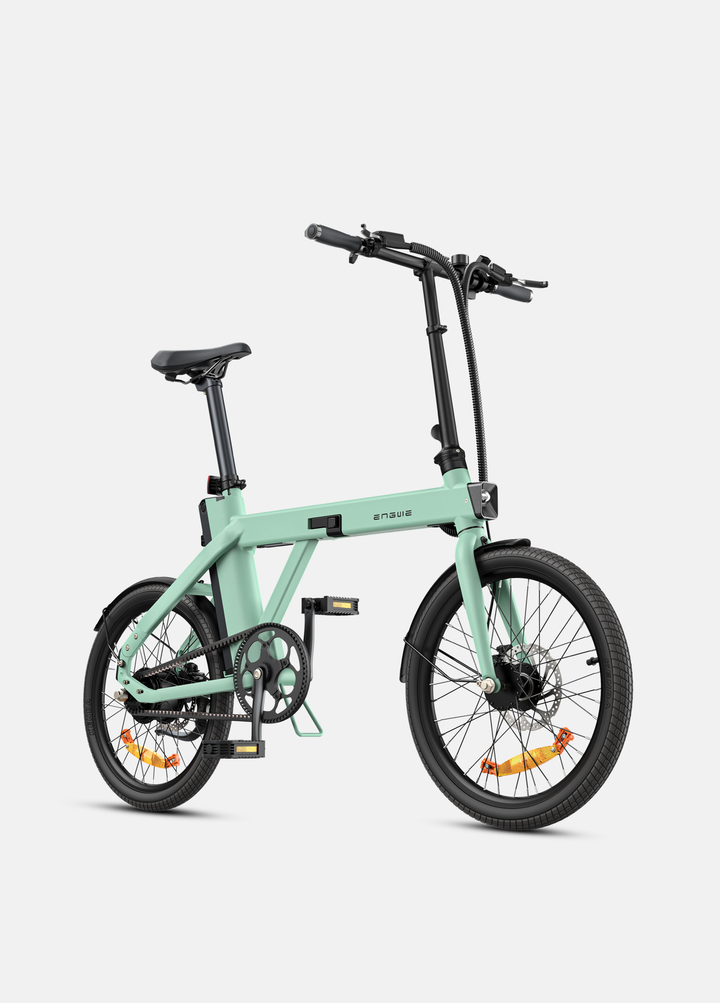
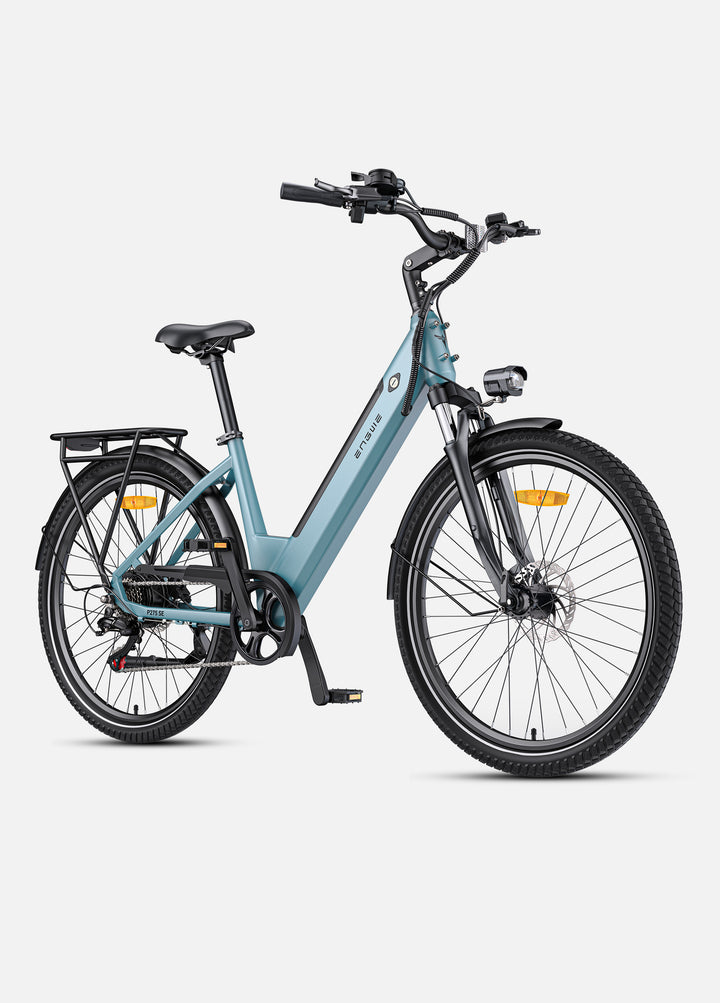
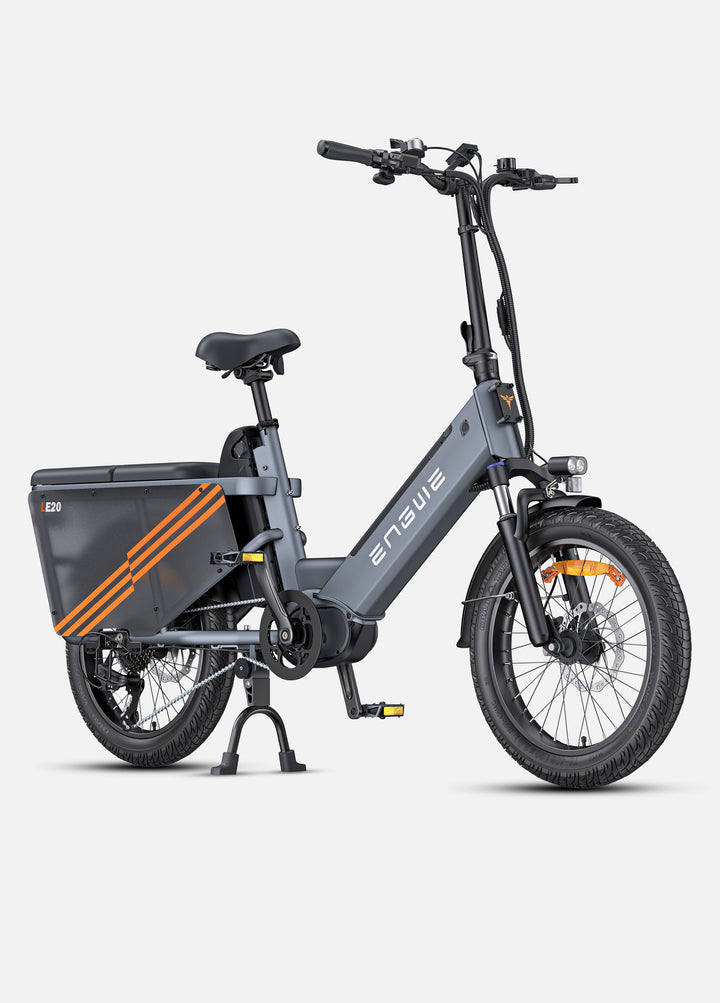
Electric bikes are getting more popular worldwide, but choosing the right one can be confusing. That’s where electric bicycle classes come in. They help categorize e-bikes by speed, motor assistance and throttle use. In this guide, we’ll break down the differences between class 3 e bikes and other types (Class 1 and Class 2).
Whether you’re a new rider or just curious, this article will help you understand what is a class 3 ebike, its pros and cons, and why many riders are leaning towards it, especially in areas where speed and performance matter.
Important Note for EU Readers: European Union regulations differ from U.S. classifications. EU-compliant bikes must not exceed 25km/h speed, 250W motor power and a 48V battery. ENGWE ensures its EU models meet these standards.

What Is a Class 3 E Bike?
Let’s start with the big question: What is a class 3 ebike?
A class 3 e bike is a pedal-assist electric bicycle that can reach speeds up to 28mph (about 45km/h) with no throttle assistance. However, in many regions (especially in Europe), class 3 features are restricted due to legal speed and motor limits.
Key Features:
-
Pedal-assist only (no throttle in most cases)
-
Speed: Up to 28mph (U.S.)
-
Often comes with a speedometer
-
Suitable for roads, not allowed on bike paths in some cities
Note: Class 3 e bikes with higher speeds and motor outputs are not compliant with EU regulations, which limit motor power to 250W and speed to 25km/h. ENGWE offers compliant alternatives specifically for European markets.
Overview of Class 1, 2, and 3 E-Bikes
Understanding class 1, 2, 3 ebikes is key when comparing options.
|
Class |
Pedal Assist |
Throttle |
Max Speed |
Legal in EU? |
|
Class 1 |
Yes |
No |
20mph (≈25km/h) |
Yes |
|
Class 2 |
Yes |
Yes |
20mph (≈25km/h) |
No |
|
Class 3 |
Yes |
Often No |
28mph (≈45km/h) |
No |
By focusing on class 3 e bike specifics—its speed capabilities, where you can ride it, and how it compares—you’ll be able to decide if this high‑performance category is right for you. Whether you’re hunting for the best class 3 e bikes in a non‑EU market or want to understand how electric bicycle classes affect your legal riding zones, knowing ‘what is a class 3 ebike’ is the first step toward a faster, more thrilling ride.
Class 3 E Bikes Pros and Cons
Pros
-
Good for long-distance commuting
-
Faster travel times
-
Good for traffic zones
-
Often comes with more premium components
Cons
-
Not allowed in many European countries
-
Restricted from bike paths or trails
-
May require licensing or registration in some areas
-
More expensive than Class 1 or 2
Best Class 3 E Bikes (For Non-EU Riders)
If you’re in a region where Class 3 bikes are allowed, here are some top models to consider.
1. Specialized Turbo Vado 4.0
A performance commuter with a clean design and easy to use.
2. Cannondale Tesoro Neo X 3
Good for long-distance touring, designed for safety and comfort.
3. Rad Power RadCity 5 Plus
Though classified as Class 2, it can be upgraded to Class 3 in some markets.
Note for EU Riders: These models may not meet EU standards. Always check with local laws before buying.
Why ENGWE focuses on EU-compliant Models
While class 3 e bikes are popular in the US, they don’t fit in the EU’s electric bike framework. That’s why ENGWE prioritizes smart, stylish, and legal options.
ENGWE Highlights:
-
Fully compliant with EU regulations
-
250W motors for safe and legal riding
-
Speed capped at 25km/h
-
Durable frames and urban design
-
Affordable for entry-level riders
If you’re in Europe, an ENGWE LE20 model gives you a reliable and stylish e-bike without breaking local laws.

Which E-Bike Class Is For You?
Here’s a quick summary:
Class 1 if:
-
You want to be fully compliant in Europe
-
You like a natural ride feel
-
You’ll be using bike lanes or shared paths
Class 2 (where available) if:
-
You like the option of throttle
-
You’re in a region that allows throttles
-
You want a simpler ride
Class 3 if:
-
You’re in the US or another non-EU region
-
You want faster commutes and better hill climbing
-
You can ride above 25km/h
Electric Bicycle Classes and Legality & Safety
Before you buy any e-bike, you need to know your local laws. In many countries, electric bicycle classes determine where and how you can ride:
-
Some cities ban Class 3 e bikes on bike trails
-
Licensing may be required
-
Insurance rules can vary
-
Helmets may be mandatory
In the EU, your e-bike must be Class 1 (≤250W motor, 25km/h speed). That’s why ENGWE’s EU range is designed for these rules.
ENGWE in the Electric Bike Market
As a top brand in affordable urban e-bikes, ENGWE keeps developing bikes that balance performance and compliance.
Why riders choose ENGWE:
-
Built with European law in mind
-
Sleek designs that look like high-end
-
Reliable motor for daily commuting
-
Available in multiple EU countries
Looking for a fast, legal and stylish e-bike? Choose ENGWE.
Final Thoughts: Class 3 E Bikes Before You Buy
Class 3 e bikes are a beast of a ride, perfect for commuters and long-distance cyclists. But in many regions, especially Europe, they’re not legal without special classification. Always check your local regulations before buying.
If you’re in Europe, skip the Class 3 models and go with something smart, compliant and reliable. ENGWE has some of the best class 3 e bikes alternatives that keep you on the right side of the law without compromising on style or performance.
Key Points:
-
A class 3 e bike is fast, powerful and for road riding where legal.
-
The best class 3 e bikes are not allowed in EU countries.
-
Know your local electric bicycle classes before you buy.
-
ENGWE has compliant, stylish options for the European market.
-
Match your bike to your city, lifestyle and legal requirements.