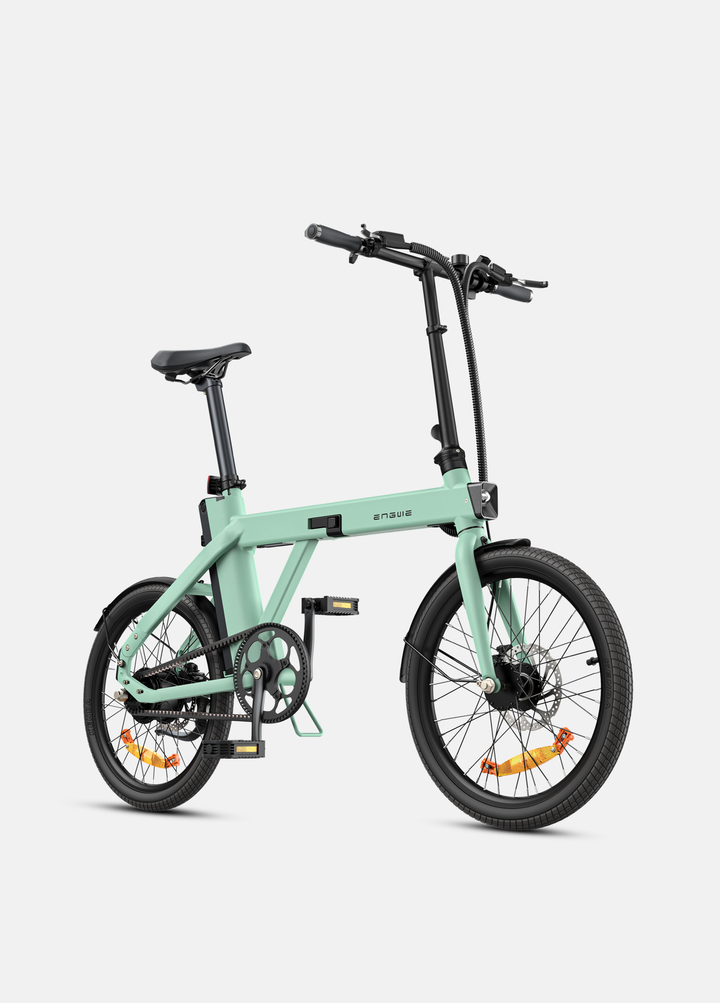
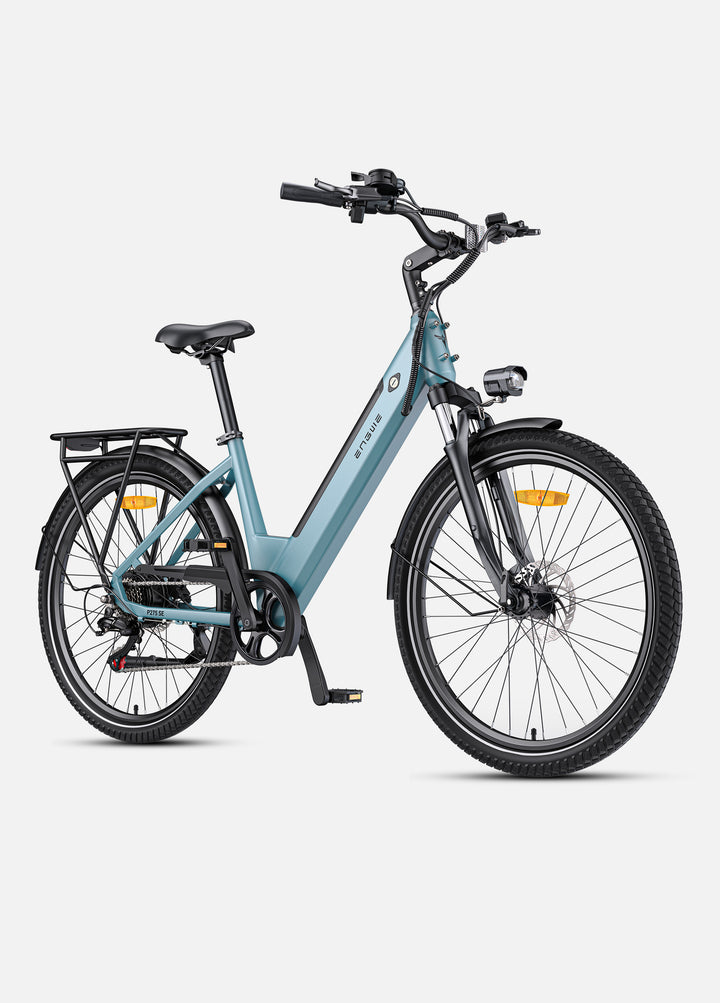
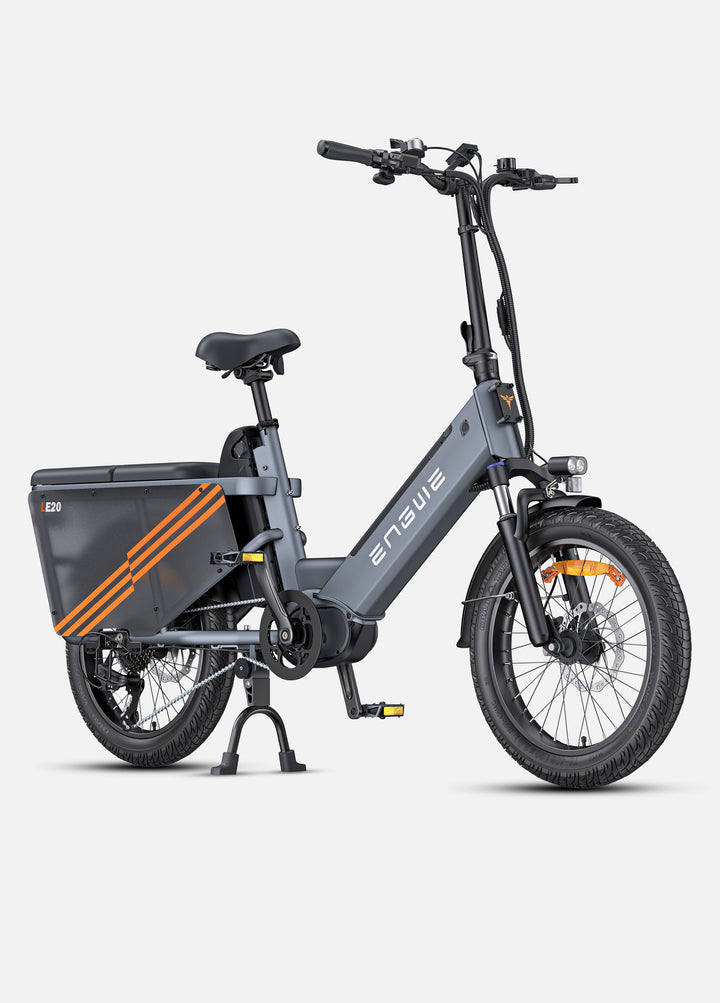
Trying to dive deep into different electric bicycle classes? It sounds a bit technical at first. But it is not as complicated. The electric bicycles have 3 categories: Class 1, Class 2, and Class 3. The classes matter a lot for legality, how the bike feels, where you can ride it, and whether it fits your day-to-day.
We have tested all three classes in all kinds of situations, in traffic-heavy cities, up mountain trails, and hauling gear across town. There is no single “best” class, only what’s right for the way you ride. Let’s walk through what each class of e-bikes really is and what most guides won’t tell you.
Understanding Electric Bicycle Classes
There are three electronic bike classes depending on their power system and speed. The following are the details of the three classes:
Class 1 E-Bike
A Class 1 electric bike is pedal-assist only. But what does it mean?
So the motor won’t kick in unless you’re pedaling. It’ll help you out, give you a boost, but you’re still in control. It tops out at 20 mph with assistance, then the motor cuts off.
For a lot of people, especially new riders, Class 1 is the sweet spot. You get a natural riding experience, no surprise jerks from a throttle, and you can legally ride them in most bike lanes.
This is the class we would recommend to riders who care about fitness, or those who don’t want to feel like they’re “cheating” (not that you are). It’s also more socially acceptable in places where people side-eye e-bikes.
Class 2 E-Bike
Class 2 is where you get a throttle, which means you don’t have to pedal at all if you don’t want to. It still tops out at 20 mph, but that throttle changes things. It gives you freedom, especially in stop-and-go traffic or when you’re carrying weight.
These are great for utility. For delivery riders, people hauling kids, and older folks with mobility limitations. You can still pedal if you want to, but you’ve got backup. We have tested Class 2s for errands and cargo runs. When you're loaded down, having that throttle is a game-changer.
Class 3 E-Bike
Class 3 electric bikes are pedal-assist like Class 1, but they’ll assist you up to 28 mph. No throttle (usually), and that extra speed puts them in a different category legally.
These are built for commuters. That extra boost helps you keep up with urban traffic, especially on longer routes. They feel fast – and they actually are. But speed comes with trade-offs. They’re often heavier and not allowed on shared-use paths.
Differences Between Class 1, Class 2, and Class 3 Electric Bicycles
The core difference between these 3 electric bicycle classes comes down to two things: how the motor is activated and how fast it goes.
|
Class |
Motor Activation |
Top Speed |
Throttle |
Legal Access |
|
1 |
Pedal Assist |
20 mph |
No |
Widely accepted: paths, trails, bike lanes |
|
2 |
Pedal or Throttle |
20 mph |
Yes |
Mostly accepted: roads, some trails (varies) |
|
3 |
Pedal Assist |
28 mph |
Sometimes |
Restricted: roads, bike lanes (not trails) |
But these numbers don’t paint the complete picture. In practice, a throttle plays a crucial role in the overall control. And higher speed isn’t always better. It changes the dynamics of braking, cornering, and how much attention you have to give to safety.
Recommended Electric Bikes by Class
Choosing the best e-bike for your needs, understanding these classes is the first step. class is one thing, but finding a model that actually performs well in that category is an entirely different game.
After riding and testing dozens over the years, we would recommend these three bikes. They stand out not just for their specs but for how well they deliver in real-world conditions.
Best Class 1 E-Bike: Aventon Ramblas
If you’re serious about mountain biking or want a true Class 1 experience that still feels modern, the Aventon Ramblas is worth looking at. With 100 Nm of torque, it climbs like a beast. It has got 3 levels of pedal assist, and the Ride Tune customization lets you dial in how hard or soft the motor helps. We have tested this on both trail and street, and it transitions well. At 54 lbs, it’s light enough to feel nimble, and it supports up to 300 lbs of total load.
You don’t get a throttle, and that’s the point. It keeps the riding feel pure, closer to analog cycling, just with legs that don’t quit.

Best Class 2 E-Bike: Aventon Abound
This one is a cargo hauler, but don’t let that fool you. It is one of the best-built Class 2s out there. 750W motor (1200W peak), integrated turn signals, and 440 lbs of payload capacity – this thing was made for utility.
The 4 pedal assist levels give you flexibility, and when you need to just cruise without pedaling, that throttle makes a huge difference, especially when loaded. It is no doubt heavy (82 lbs), but that weight gives it stability. This matters a lot when you’re carrying precious cargo.

Best Class 3 E-Bike: ENGWE EP-2 Boost
Technically, this one is a bit of a hybrid. The ENGWE EP-2 Boost pushes up to 15.5 mph, but depending on your local tuning settings or regional laws, it can fall under Class 3 if unlocked.
This electric fat tire bike comes equipped with 20 x 4.0 fat tires. 55 Nm of torque, and a 250W motor, which doesn’t sound like much until you realize how efficiently it’s tuned. A LCD display, a SHIMANO 7-speed drivetrain, and a 120 km range make it extremely versatile.
It rides like a mini tank but feels nimble once you get used to the size. Great for fast commuting over rougher urban terrain, especially with its rugged design and 10° climbing ability.

Laws and Regulations for Electric Bicycle Classes
Electric bike laws are always changing. They vary widely by state, city, and even park system.
Class 1 and 2 bikes are generally allowed on most multi-use trails/bike lanes.
Class 3 bikes are often restricted to roadways and bike lanes. They are not allowed on shared-use paths.
Helmet laws may kick in differently depending on the class and the rider’s age.
You should always check your local Department of Transportation rules to be on the safe side.
Final Thoughts
The one thing we have learned from years of testing all three is: Pick the class that suits how you live, not just how you ride. Speed and range mean nothing if the bike doesn’t fit your day-to-day.
Class 1 is trail-friendly and great for riders who want a mix of effort and ease. Class 2 opens the door to throttle use and utility. Class 3 adds serious speed, but demands more from the rider and comes with more restrictions.
Still in doubt about choosing electric bicycle classes? Test ride. Those first 15 minutes on the saddle will tell you more than specs ever will.
FAQs
What is the highest class e-bike?
Technically, Class 3 is the highest legal class under most U.S. frameworks. Some bikes go beyond – often called “unclassified” or “Class 4”, but they’re legally considered motor vehicles in many places and subject to motorcycle laws.
How to determine the class of an e-bike?
Manufacturers usually label the class clearly, on the frame, manual, or website. If not, look at:
- Top assisted speed
- Whether it has a throttle
- How the motor activates
You can also ask the seller or dealer directly. It’s better than assuming, especially if local laws come into play.
Do all Class 3 e-bikes have a throttle?
No. In fact, most Class 3 bikes don’t include a throttle. Some do, but they operate in a legal gray area. A Class 3 with a throttle can be illegal in certain jurisdictions or treated as a different vehicle class altogether. Know before you buy.
Read more
Electric Bike Vs Regular Bike: What's the Difference?