Electric bikes are used everywhere in everyday life. Whether it's busy streets or quiet areas across the U.S. and Europe, more people are choosing electric rides because they’re practical, quick, and often cheaper. But as more riders take to the streets, especially with more ebikes for sale than ever, the rules around using these bikes are getting more attention. One big question is does your ebike license need license to ride legally. Knowing what’s required before you head out can save you from unforeseen problems.
The truth is, not all electric bikes fall under the same laws. Local rules can vary, and that creates a lot of confusion. This guide aims to clear things up — from the speed and motor limits allowed to the basic traffic laws that apply.

Do You Need a License to Ride an Ebike?
In most places, you don’t need any license if your ebike stays within the basic limits. That means a motor of 250 watts or less and a top speed of 25 kilometres per hour. If your bike sticks to that, it’s handled just like a regular cycle.
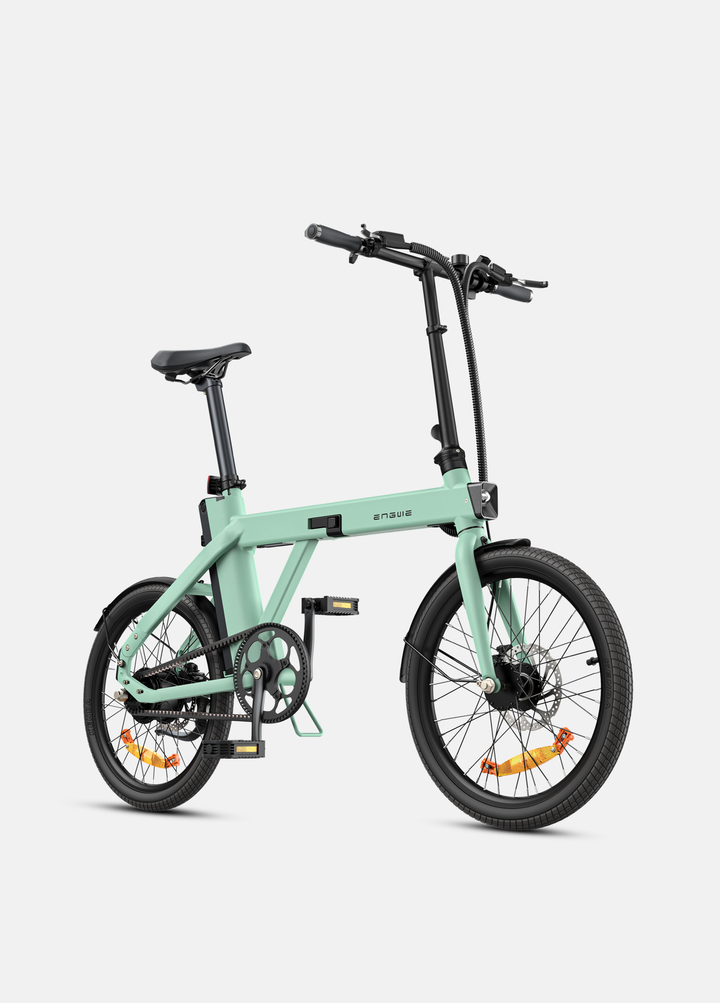
For example, the ENGWE Engine Pro stays within these limits in its EU mode, making it street-legal in most regions without a license. No ebike license, no paperwork, nothing extra. You can just hop on and go.
But it gets tricky when bikes go too fast or have strong motors. That’s where the rules change. If the bike exceeds 25 km/h or uses a throttle (so you don’t need to pedal), it might count as a different type of ride. That’s what some places call a licensed bicycle, and it might need insurance or even registration.
Also, not all electric rides are the same. E-scooters and choppers might look like ebikes, but the rules are usually stricter. Many of them need a license. So it’s important to know what you’re riding — it can save you trouble later.

Ebike Classifications and Licensing Requirements
Rules about licenses change depending on the bike you’re riding. Some are simple, others come with strings attached. To keep things straight, many places break e-bikes into classes based on how fast they go and how their motors kick in.
Class 1, 2, and 3 – What They Mean
In the U.S., electric bikes are sorted into three simple groups. Class 1 bikes only help you when you pedal, and they stop helping once you reach 25 kilometres per hour. These are the most common types and don’t usually need any ebike license.
Class 2 bikes also stop at the same speed, but they have a throttle—so you can ride without rolling. Some places may treat Class 2 bikes differently. Class 3 bikes can go even faster, up to 45 kilometres per hour in some areas. These often come with extra rules like wearing helmets or being over a fixed age.
In Europe, most adult electric bikes are like Class 1, with basic features that make them legal without extra steps. They stick to low speeds and motor power, which makes riding easier and safer for everyone.
Speed and Power Limit Rules
To ride without trouble, your ebike needs you to follow the law. In most places, that means the motor is 250W or less, and the top speed should stay under 25km/h. If your bike goes faster or has more power, it might fall under different rules.
That could mean needing a license or even getting it registered. These limits are not just regulations; they help keep streets safer and bikes easier for anyone to use. Staying within these numbers means you won’t need special papers or permission to ride.
EU Ebike License Rules
All across the EU, the law is clear: if your electric bike has a 250 W motor or less and doesn’t go over 25 km/h, you don’t need a license. That makes it simple for most people to ride legally. However, some countries add their own rules.
You may need to wear a helmet, especially if you’re young. In a few places, basic insurance is required, or there’s a minimum age to ride. Still, the main rule across Europe is the same—as long as you follow the power and speed limits, no license is needed.
Common Misconceptions About Ebike Licensing
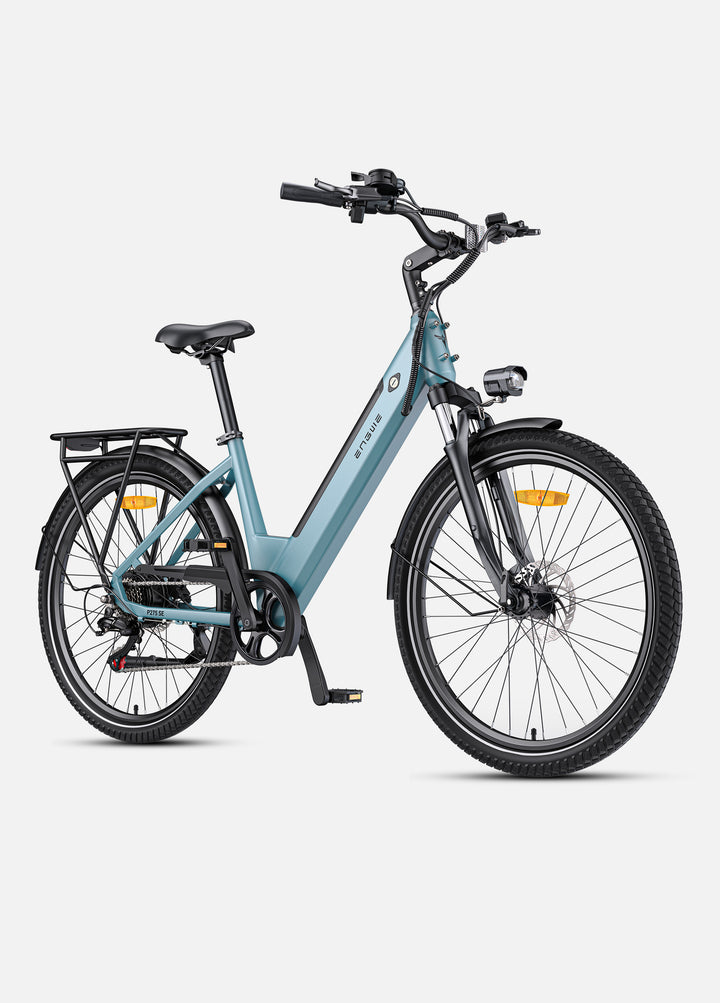
Many people still believe that every electric bike requires a license, but that’s not the case. If your bike has a motor no more powerful than 250 watts and doesn’t go faster than 25 kilometres per hour, you can usually ride it without a license or registration. These bikes are often handled the same as regular pedal bikes.
Some folks also assume that foldable electric bikes or bigger adult ebikes require a license. In most cases, they don’t — again, as long as they stay within the legal speed and power rules.
Another common misunderstanding happens when people confuse different types of electric rides. For instance, an e-mountain bike is still just an ebike if it keeps to the legal speed and motor limits. But electric scooters and motorcycles are a different story.
They often call for a license, insurance, and can’t be used on regular bike lanes. Understanding these differences can help you ride safely and without risk of unnecessary problems.

What Happens If You Ride Without a Required License?
Sometimes people don’t know they need a license for their ebike. But if your bike is too fast or strong and the law says you need one, riding it without a license can be a problem. Police might stop you. They can give you a fine or even take your bike away. That’s not something anyone wants.
Also, if you crash or hurt someone, and you do not follow the rules, your insurance might not help you. That means you could pay all the costs yourself. It’s better to look up the rules in your country or city and follow them. A little check before riding saves a lot later.
Conclusion
Most electric bikes out there don’t need any ebike license—as long as they stay within the usual limits. That means the motor doesn't have more than 250 watts, and the speed has to stay under 25 km/h. If your bike follows this, you’re good to ride—no papers, no permit.
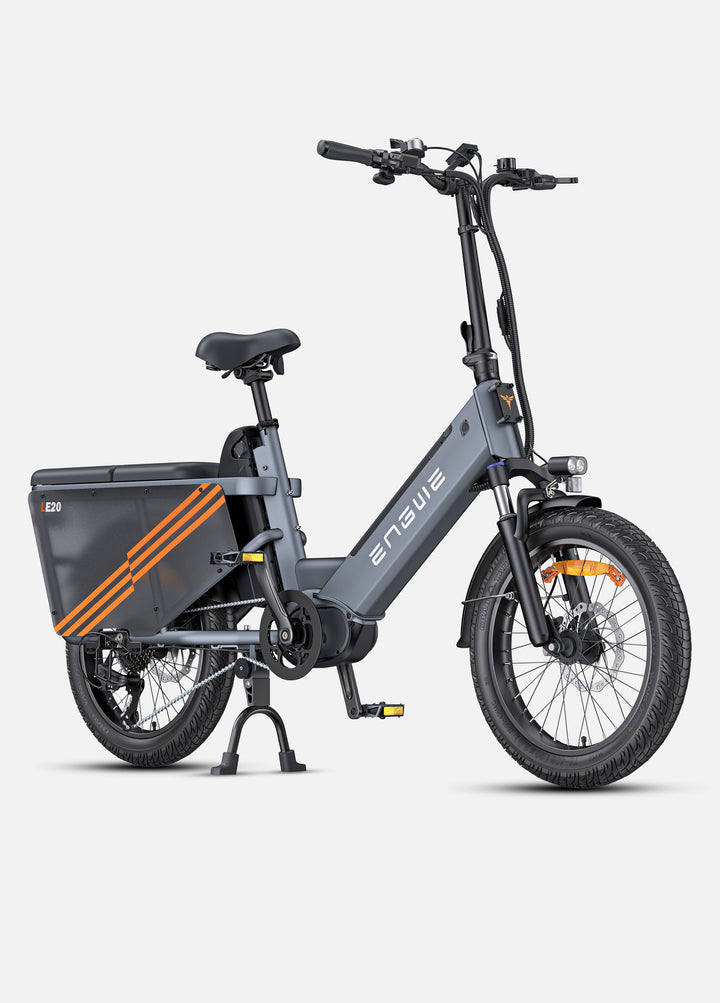
When shopping, try sticking with bikes that already meet the rules. Brands like ENGWE and Fiido usually sell models that fit just right. They’re made with the laws in mind, so you won’t have to worry too much.
Every place has its own rules. What’s fine in one place might not be in another, so it’s a good plan to check your area’s rules before heading out.
Frequently Asked Questions
Do I need a license to ride an electric bike in Europe?
Nope, not if it’s under 250 W and doesn’t go quicker than 25 km/h. That type is usually seen as a regular bike in most countries.
Is insurance needed for ebikes?
Most of the time, no. If your bike meets the basic limits, insurance isn’t a must. But a few places might ask for it, so it’s good to double-check.
Which ebikes need a license?
Only the fast or powerful ones. If it speeds past 25 km/h or runs on throttle alone, then yeah—you might need one.
Are folding ebikes street legal?
They are, as long as they follow the same rules. So if the motor is 250 watts or less and it’s not super fast, you’re good.