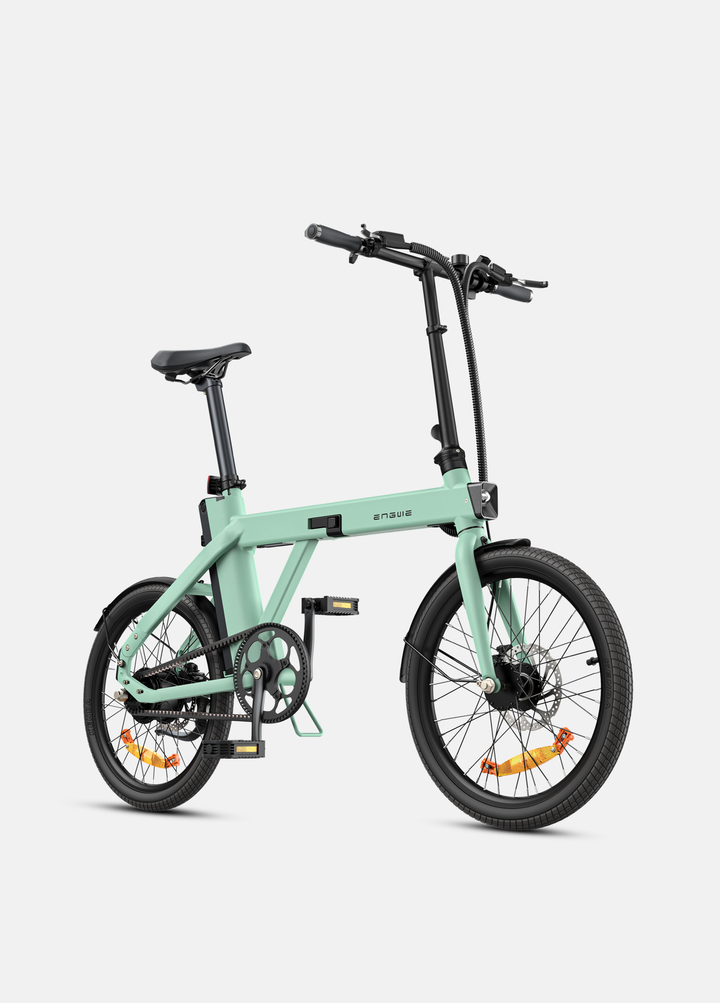
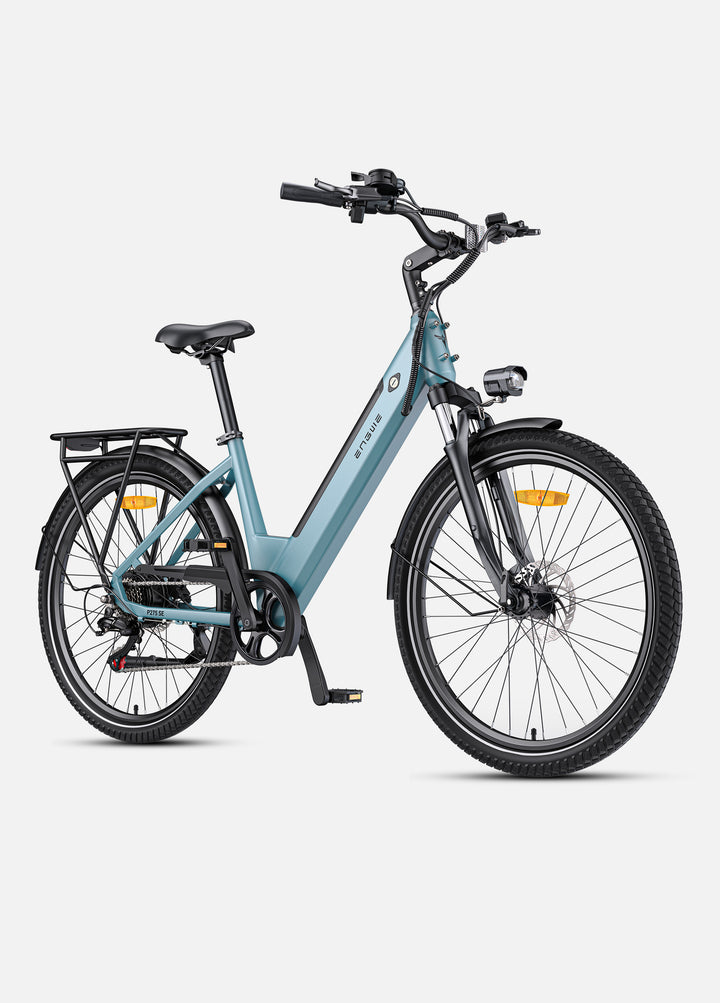
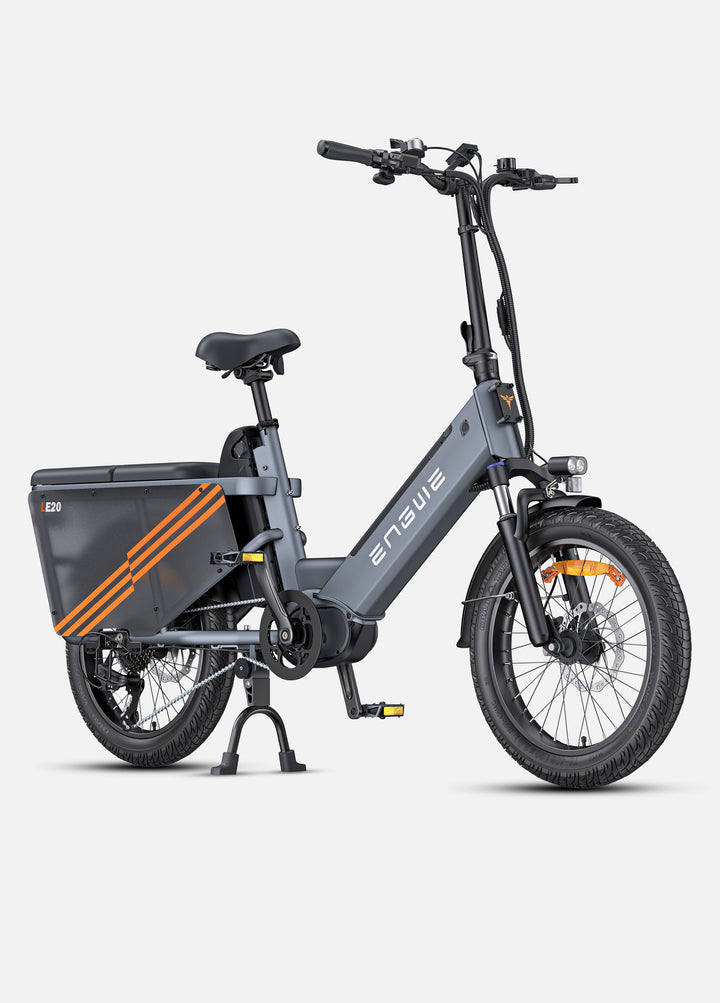
As demand for electric bicycles grows in Europe, there are many questions about legal use and how to get a license. Queries from bikers are, "Do I need license for electric bike?" and "What is the regulation regarding ebike speed in my country?"
In this article, we will discuss the ebike license laws in the major European markets of Italy, Germany, France, Poland, Spain, the Netherlands, and Ireland. We will also examine registration and legal restrictions that may affect ENGEW's favorable market image.

What Is A Legal Electric Bike?
To begin with, we must explain what constitutes a legal e bike according to EU legislation. In the EU's view, a legal electric bike should be designed to:
-
Possess a motor with a top power output of 250W
-
Provide power only when pedaled (no throttle, pedal-powered)
-
Cut off power after 25 km/h
-
Set some areas to the minimum rider age limit of 14 years and above
Though these four conditions are accepted, each country can surprise with any one of these rules in some measure. Anything above these measures may be necessary: ebike license, insurance, and registration.
Do Electric Bikes Require Licenses in Europe?
Typically, if your ebike is under 250W motor power with below 25 km/h speeds, no license is needed by law for an ebike. Any ebike with higher working parameters can be subject to a license because it may be considered as comparable to a moped or motorbike.
For Example:
Germany:
Pedelecs (up to 250W, 25 km/h) don't have any ebike license. S-pedelecs (up to 45 km/h), however, will.
France:
Same law as Germany, with a clear distinction between road-legal e-bikes and speed pedelecs.
Italy:
No ebike license for 250W and 25km/h, but anything higher is classified and dealt with as scooters.
So when asking "licensing for electric bikes," the answer will be different depending on if your bike falls within normal EU legal boundaries or not.
Legal Ebike Speed Limits by Country
Many riders ask, do electric bikes require license in Europe? The answer depends on motor power and top speed. Standard 250W e-bikes with 25 km/h assist usually don’t need one.
The ebike legal speed in most European countries is capped at 25 km/h with the assistance of the motor. Over this legal ebike speed , it will probably be an S-pedelec or a moped. This is a brief overview:
|
Country |
Legal Speed Limit |
Notes |
|
Italy |
25 km/h |
No throttle allowed |
|
Germany |
25 km/h |
S-pedelecs allowed with license |
|
France |
25 km/h |
Speed e-bikes need helmet, insurance |
|
Poland |
25 km/h |
Standard limit, throttle-based bikes restricted |
|
Spain |
25 km/h |
Mirrors and lights needed for faster bikes |
|
Netherlands |
25 km/h |
Helmet mandatory for speed pedelecs |
|
Ireland |
25 km/h |
Throttle use restricted |
If you are considering moving to a high-speed model, ensure it is a street legal electric bike and meets all registration, insurance, and helmet legislation.
Do I Require License for Electric Bike in My Nation?
Short answer: If your e-bike stays below EU limits (250W motor, 25 km/h limit), then no, you don't require a license in most European countries. However, if you modify your bike or purchase one that exceeds these levels, the bike will be considered a light moped or scooter. That will imply that you will require:
-
Driving license (at least AM or A1 category)
-
Motorcycle insurance
-
Number plate/registration
-
Helmet and protective equipment
So, if you're wondering, "do I need license for electric bike?", look at the specs. Normal pedelecs are license-free. Speed pedelecs are not. Also, you must be aware of the legal ebike speed.
Registration and Insurance for Street Legal Electric Bike
For a street legal electric bike that exceeds the 25 km/h limit or uses throttle without pedal assist, most countries in Europe treat it like a moped. You’ll need:
- Registration: Apply at the local vehicle office (like KBA in Germany)
- License Plate: Mini-size for electric mopeds
- Insurance: Third-party liability at minimum
- Helmet: Certified helmet often mandatory
- Lights, Horn, Mirrors: Required equipment for road use
If you desire a road-legal e-bike without the legal inconvenience, be sure to select models that adhere to the 250W/25 km/h regulation.
Featured Model: ENGWE L20 Boost– A Legal E Bike for City Riders
One such standout model of legal e bikes is the ENGWE L20 Boost, which is made to meet European requirements. Featuring a 250W motor and pedal-assist that tapers off at 25 km/h, this bike is completely ebike license-free across the entire EU.
The bike contains a robust step-through design, functional rear rack, and fat tires for both city and semi-offroad riding, perfect for everyday commuters who value comfort and legality in one.


What to Avoid: Illegal Modifications
Altering your electric bicycle to go beyond legal speeds or power exposes you to danger. Enforcement agencies throughout Europe are clamping down on non-standard bikes. Should your bike become non-standard:
-
You could lose your insurance
-
You might be fined or have it confiscated
-
In the event of accidents, you become legally more responsible
If you desire high performance within the law, it's preferable to purchase a street legal electric bike pre-certified for higher speed classes instead of modifying a standard one.
Deconstructing the Term: Legal Electric Bike vs Street Legal
A legal electric bike is often taken to mean a 250W pedal-assist with a 25 km/h cut-off, no licensing required. A street legal electric bike would imply high-performance ones that are road-legal on conditions with the added requirements of licensing, insurance, and registration. Well before all, you must know the basic question: Do i need license for electric bike?
For instance, the ENGWE Engine X qualifies as street legal electric bike in most countries by virtue of the built-in safety features and S-pedelec compliance, when registered accordingly.


Country-Specific Advice
Germany: Helmets are required for S-pedelec riders while riding on the road and they are not allowed on bike lanes.
France: Speed bikes need to be insured and registered even though they look like regular e-bikes.
Netherlands: Helmets are compulsory for speed pedelec riders and they have to obey moped traffic laws.
Poland: Throttle-only bikes are banned on public roads.
Ireland: Recently enacted legislation prohibits use of high-power without an ebike license.
Spain: E-bikes must comply with the 250W/25 km/h rule to avoid classification as mopeds. Speed e-bikes require registration, insurance, and helmet use.
So wherever you ride, staying up to date keeps you legal and safe.
Final Thoughts
In most European countries, the answer to do electric bikes require license is no, if they meet standard legal specifications. Knowing the ebike license laws in Europe makes you a more intelligent buyer and keeps you in line with the law.
Whether cruising through Parisian streets or bike riding through the Irish countryside, being aware of ebike speed under law and whether license for electric bike is required gives you peace of mind.
If you want a stylish, comfortable, and legal e bike, explore compliant models from trusted names like ENGWE. From urban commutes to weekend getaways, ENGWE offers options designed with European laws in mind, no licensing required.