These days, electric bicycles have become a popular choice for personal transportation. But what makes them tick? It all starts with the ebike motor. To get the most out of your electric bike, it's helpful to understand how ebike motors and their controllers work together. Simply put, knowing the basics can make a big difference.
The ebike motor is basically what makes the bike go, converting electrical energy from the battery into mechanical energy. In this guide, we'll break down the different kinds of electric motors out there and how motor controllers keep everything running smoothly.

Types of Ebike Motors
Hub Motors: The Traditional Choice
Hub motors are the most common types of electric motor for ebike applications. They're built into the wheel hub itself and can deliver power directly to the wheel. The ebike hub motor design has its perks, including a simpler installation process and lower costs. There are two main types of such motors: brushed and brushless designs.
- Brushed motors work by using physical brushes to pass on electrical current.
- On the other hand, brushless motors don't need brushes, which means they're more efficient, last longer, and are quieter.
Hub motors work well on flat ground, but they can have trouble with steep hills. Their weight can also affect the bike's handling because it's concentrated in the wheel.
Mid-Drive Motors: The Performance Standard
Mid-drive motors are found at the bottom bracket area of the bike. These motors are different from hub motors because they power the cranks directly, which means they can make use of the bike's existing gears. This mid drive ebike motor configuration has a lot of benefits.
The main advantage of mid-drive motors is that they work well with the bike's gears. This integration allows riders to keep the motor running at the right speed in all kinds of terrain. Mid-drive motors really shine when climbing steep hills.
Weight distribution is another key benefit. They put the motor near the bike's center of gravity, giving you better balance. This means the weight is centered, which makes for a ride that feels more like a regular bike.
Bosch Ebike Motors: Premium Performance
Bosch ebike motor systems have become the go-to choice for top-end electric bikes. They offer a range of motor options, each suited to specific types of rides. Their Performance Line CX is the cream of the crop for mountain biking, kicking out 85 Nm of torque.
The new Bosch Gen 5 motors now include six-dimensional inertial sensors. These sensors detect things like gradient and surface conditions. This allows for features like Hill Start Assist and Enhanced Extended Boost.
Bafang Ebike Motors: Value and Power
Bafang ebike motor systems offer a great mix of performance and affordability. They make a wide range of motors, from entry-level models to high-end ones. Their M400 and M600 models can handle tough hills with ease.
The Bafang M600's raw power rivals many other competing systems. This kind of torque output makes Bafang motors a top choice for riders who want to have plenty of power at their disposal. Unlike some proprietary setups, Bafang motors usually let users adjust various settings. This flexibility, paired with competitive pricing, has made Bafang Motors a popular choice.
Dual Motor Systems: Maximum Power
The idea behind dual motor ebike systems is to provide more power and better performance than ever before. A dual motor dual battery ebike usually has one motor in the front wheel and another in the rear.
Dual motor ebike systems have a few key advantages over single-motor setups. A major plus is more power, with dual motors giving you roughly double the torque and acceleration. This extra power is really helpful when you're tackling steep hills.
The best dual motor ebike setups really deliver when it comes to traction and stability. By sending power to both wheels, these dual motor systems minimize wheel slip. That's why they're perfect for riding off-road.
But there are downsides to ebike dual motor systems. One major issue is that dual motors eat up more battery power. Plus, they're also a lot pricier, with a price tag that's often 30-50% higher than similar bikes with just one motor.
Understanding Ebike Motor Controllers
The ebike motor controller is essentially the brain of the electric bicycle system. It's a highly advanced component that reads rider commands and environmental conditions to provide the best motor performance.
Modern ebike controllers manage the power coming from the battery to the motor. The controller also controls the speed of the bike based on the throttle position. To keep things safe, controllers have features like protecting against too much current and keeping the temperature under control.
The small computer (MCU) inside the ebike motor controller takes in data in real-time and instantly adjusts how much power to send. It looks at info from speed sensors and the throttle, and they all work together to give electric bikes that smooth feel people expect.
Algorithms for signal processing and control are the core of a controller's functionality. These advanced software programs look at sensor data and user input to make quick calculations.

2000w dual motor ebike and 5000w ebike motor Considerations
While this guide focuses on compliant electric bicycle motors, it's worth mentioning that other markets offer more powerful options. Some examples include 2000w dual motor ebike systems and 5000w ebike motor systems. Just keep in mind that these kinds of systems often don't follow standard bike regulations.
If you're thinking of upgrading to one of these high-power systems, you'll want to research local regulations carefully and think about the practical implications.
ENGWE Ebike Motor Options
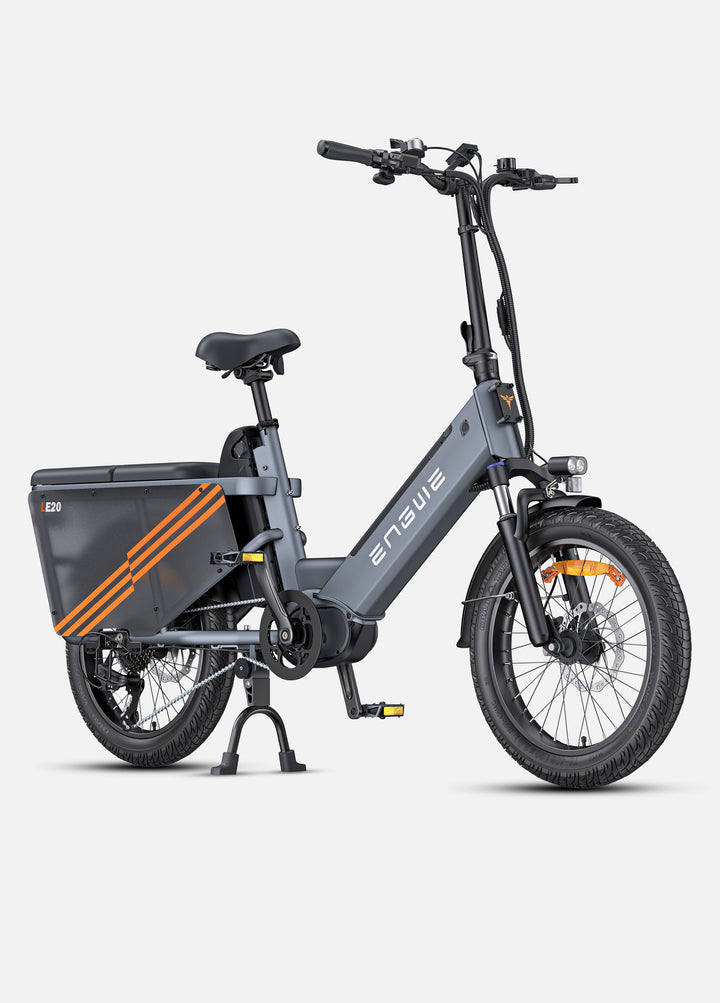
ENGWE has some fantastic e-bikes that slip into different niches. The ENGWE EP-2 Boost stands out with its 250-watt motor. It's great for going off the beaten path, and its specs stay within EU guidelines. One of the things that sets this model apart is its torque sensor technology.

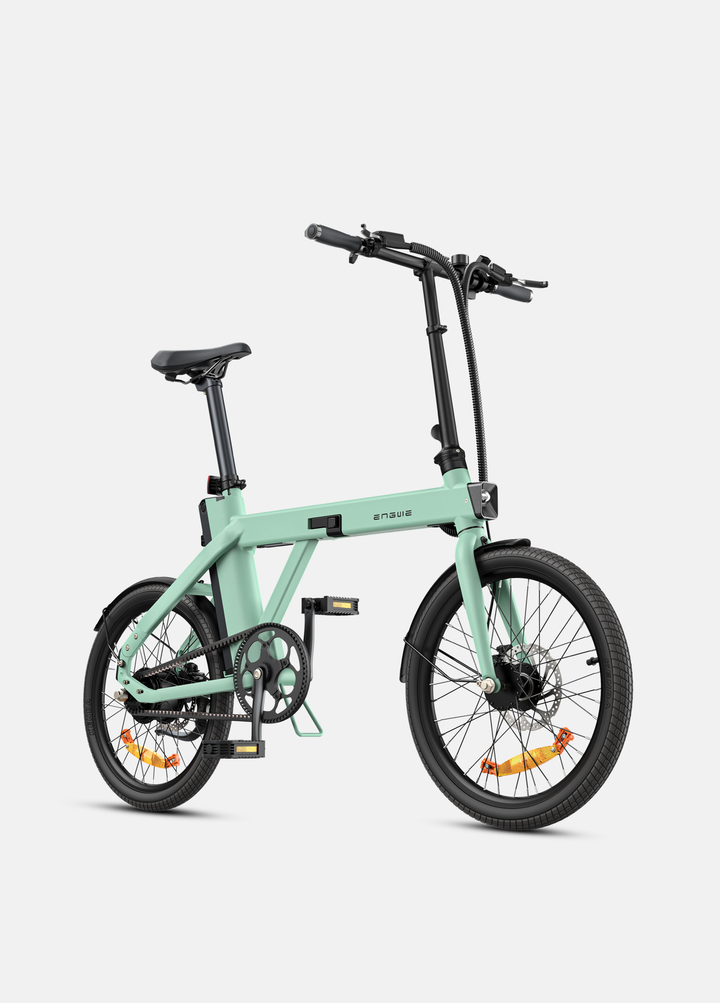
The ENGWE Engine Pro 2.0 packs a punch with 75Nm of high torque, all in a folding design. Its compact motor still manages to deliver impressive climbing power.

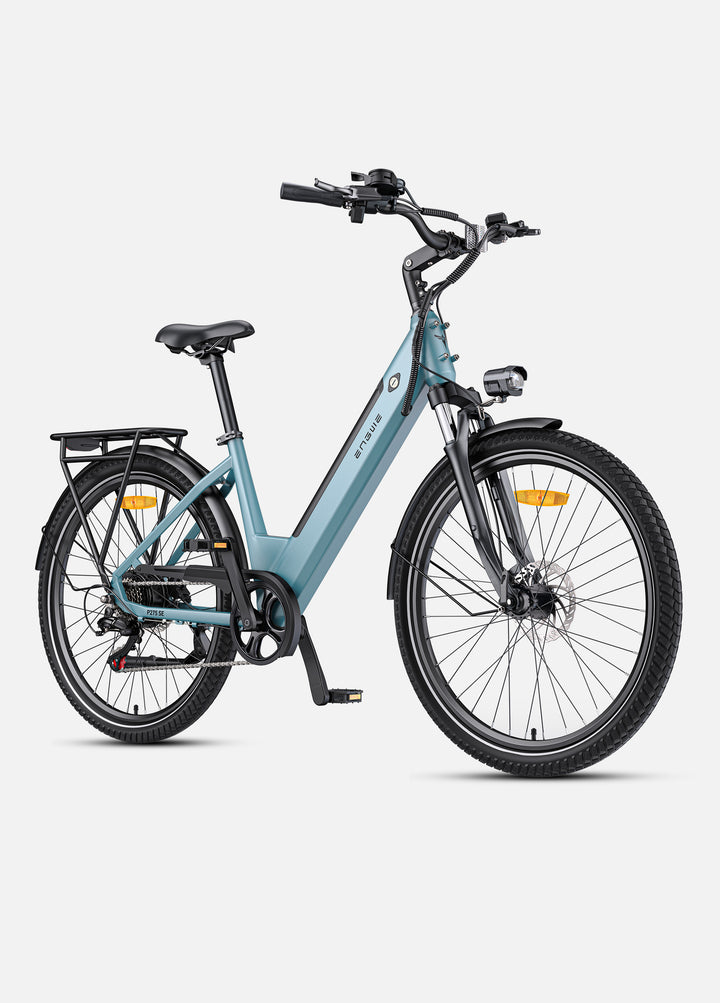
The ENGWE P275 Pro is great for commuting in the city thanks to its 250W Bafang mid-drive motor. This bike's design combines the best of mid-drive tech with practical stuff you need for daily rides. The Bafang motor delivers solid performance with good hill-climbing power.

Key Takeaway
Ultimately, electric bicycle motors and controllers are getting better fast. Knowing how these systems work helps riders get the most out of their electric bikes. If you're picking a basic hub motor or a powerful mid-drive system, the motor you choose makes a big difference in how much fun you have.
Technology is moving fast, and electric bikes are getting better. Now they're a more viable option for getting around, and they can handle just about any kind of ride.
Frequently Asked Questions
What is the difference between hub and mid-drive ebike motors?
Hub motors are right in the wheel hub, giving it direct power. Mid-drive motors, on the other hand, sit at the bike's crank and power. The mid-drive setup tends to handle climbs better and gives a more natural feel.
How long do ebike motors typically last?
A good quality brushless ebike motor can easily last 10-15 years, or even longer. Brushed motors don't last as long without some upkeep - you'll typically need to replace the brushes every 1-2 years. How long a motor lasts really comes down to how well you take care of it and how well it was made.
Can I upgrade my ebike motor?
Upgrading your motor is doable, but it can be a complex process. You'll need to make sure the new motor is compatible with your controller and mounting system. However, it's a good idea to get a professional's opinion before making any changes.
What motor power is best for hill climbing?
When tackling steep hills, what matters most is the motor's torque spec. Motors with 80+ Nm of torque, like those from Bosch or Bafang, really deliver on climbing.
Do dual motor ebikes provide better performance?
Dual motor systems pack a punch with more power and traction, but they also gobble up more battery life. They're a great fit for tough terrain, but for casual commuting, a single motor might be all you need.