The thought of zipping down a street ebike 50 mph is truly thrilling now. Is it doable? With a certain public necessity and regulations restricting almost all commuter e-bikes to a speed range of 20-28 mph, high-performance-type e-bikes are something above that. These bicycles are outfitted with heavy-duty motors, big battery packs, and shock absorbers to stand the test of a maximum speed.
If your question is just related to "what are the best ebikes" speed-wise, then not every model is designed to have 50 mph. Only top-level performance bikes usually embrace value-oriented designs, either for the enthusiast or for controlled tracks, where one can truly hit those speeds.
ENGWE-type companies innovate in this area, building e-bikes that try to find the perfect balance between speed, safety, and rider control in an extreme situation of performance.

Understanding the Risks of a 50 MPH Ebike
Traveling on an ebike at 50 mph poses serious dangers. At these high velocities, the braking distance becomes greater, stability is compromised, and minor road irregularities become much more pronounced. Protective attire is essential, and helmets, gloves, and padded garments should be worn by riders.
The quickest ebike models also need robust disc brakes, long-lasting tires, and dependable suspension systems. Even veterans need to be careful. Although there are 50 mph ebikes, they are mainly for controlled situations or specialty tracks, not on your daily commute.
Attributes of Ebikes Capable of 50 MPH
So, what makes an ebike capable of traveling 50 mph? The major attributes are:
High-power motors: Usually 1000–3000W to sustain maximum speed.
Large batteries: To deliver long-term power without overheating.
Strong frames: To endure the stress of high-speed riding.
Sophisticated braking systems: Hydraulic disc brakes or dual brakes for rapid stopping.
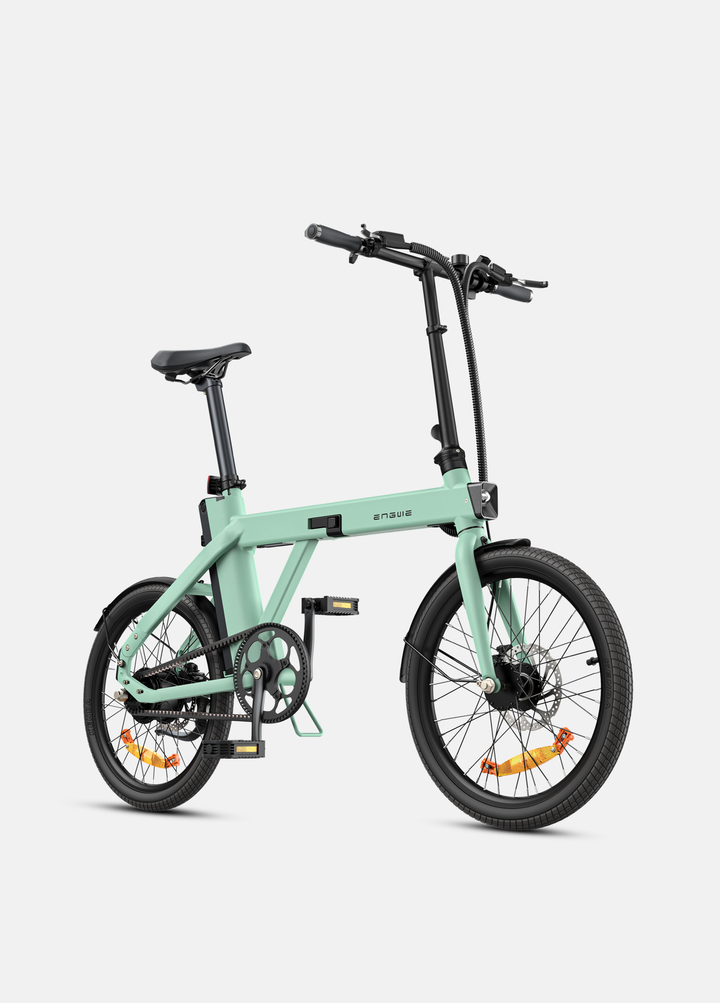
For instance, the ENGWE Engine Pro 2.0 is designed for high performance with an efficient motor that allows one to ride faster while keeping the bike stable. The model is a fine example of a bike that can safely move toward extreme speeds under controlled conditions.

Legal Implications for 50 MPH Ebikes
Just because a bike is up to 50 mph doesn't necessarily mean it's legal to ride on public roads. The vast majority of jurisdictions restrict ebikes to 20–28 mph for use on the streets. High-speed ebikes are commonly defined as motorcycles or subject to special permits, registration, and safety gear.
Prior to trying to ride an ebike 50 mph, one should verify local laws. In most instances, that sort of speed will only be safe and legal on private tracks or closed circuits.

Other Excellent Electric Bikes for High-Speed Riders
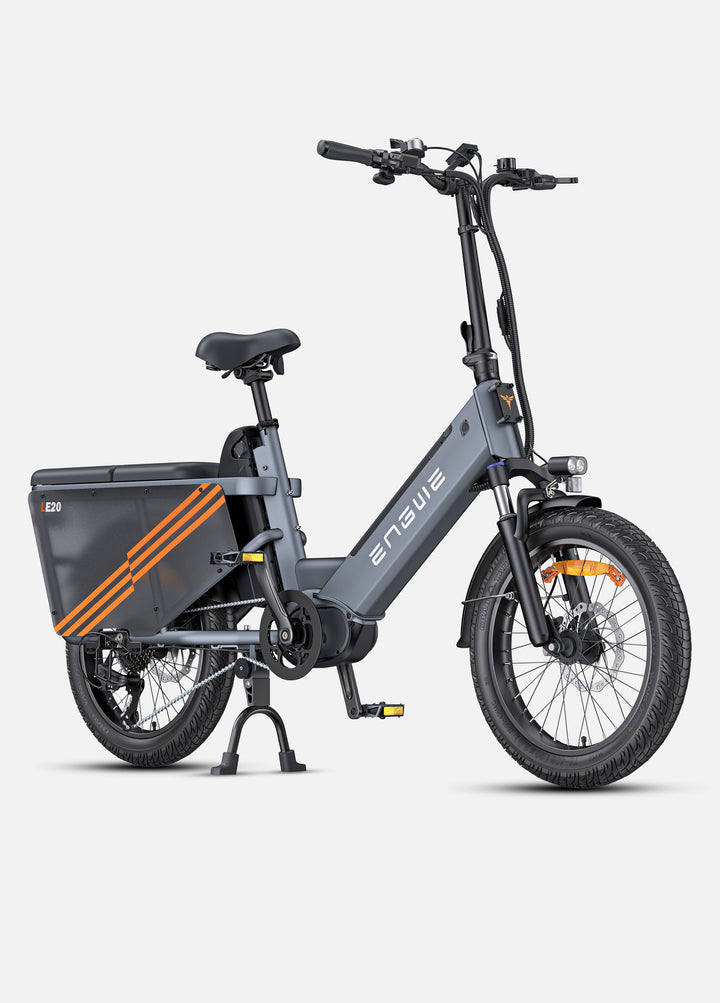
Other than the ENGWE Engine Pro 2.0, the riders in search of great performance tend to opt for other good electric bikes meant for speed. The ENGWE M20 is a great model, it mixes reliability, high-tech battery management, and a powerful motor to deliver premium-class performance without compromising on rider safety.
Models such as these show that 50 mph ebikes are not only concepts on paper, there are individuals out there who use them for thrills who can maintain high speeds responsibly.
Why Safety Gear Matters
Speeding on a 50 mph ebike with no protective gear is very unsafe. Helmets are essential, but extra padding, gloves, and reflective wear can be a huge help. High speeds also magnify hazards from bumps, potholes, or hard braking, so safety gear is as critical as the bike itself.
In addition, protective eyewear can prevent debris from hitting your eyes, and sturdy shoes help maintain control during sudden stops. Investing in quality gear not only reduces injury risk but also boosts confidence, allowing riders to enjoy the thrill of high-speed ebiking with greater peace of mind.

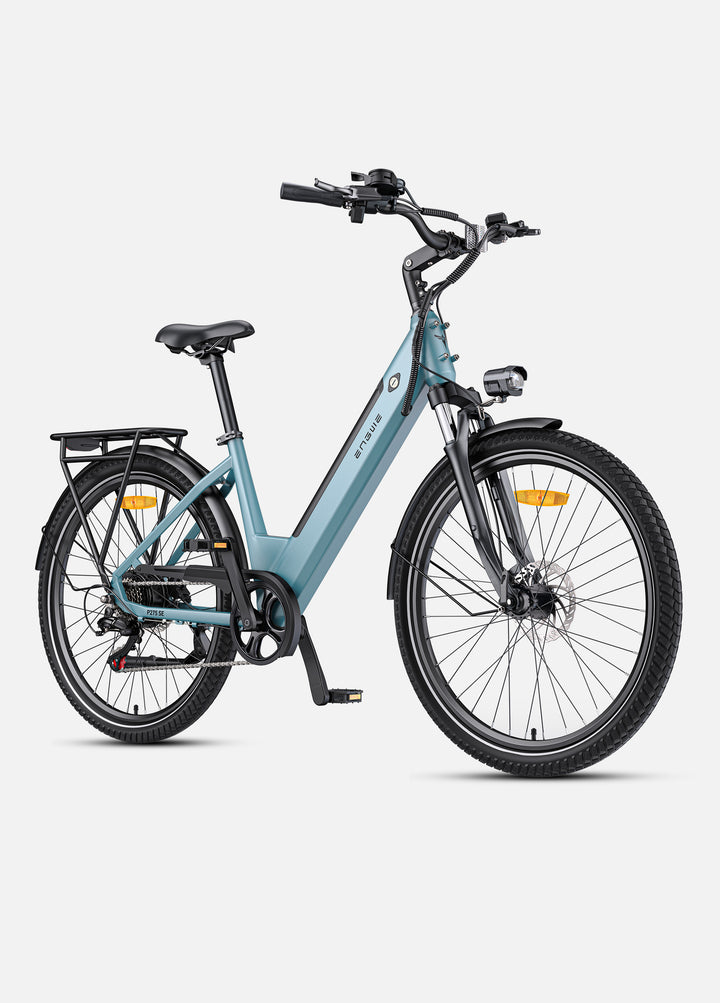
The ENGWE EP-2 Pro illustrates how engineering and design enable comfort and performance. Although not always reaching ebike on 50 mph under normal conditions, it proves the potential of 50 mph ebikes on a high-capacity motor and heavy-duty frame. This is ideal for riders who desire a fast, dependable ebike with off-road capability and heavy-duty construction.

Are 50 MPH Ebikes Practical?
It is feasible to reach ebike 50 mph but perhaps unrealistic for all but the most avid riders. Commuting daily to work does not necessitate such high velocities, and faster-velocity ebikes draw more battery energy and demand expert handling competencies. But for the enthusiast or in a regulated environment, 50 mph ebikes yield an unparalleled experience and evidence the promise of electric bicycle engineering.
Conclusion
In summary, an ebike 50 mph is possible with high-performance models like the ENGWE Engine Pro 2.0, ENGWE M20, and ENGWE EP-2 Pro. However, riders must understand the legal restrictions, wear proper protective gear, and choose controlled environments for safety.These models showcase the future of electric biking, offering speed, reliability, and innovation.

If you’re ready to explore extreme performance while staying safe, consider investing in one of these fastest ebike models from ENGWE and experience what high-speed electric biking can truly offer.
FAQs
Q1. How long is the chain on the ENGWE M20?
The ENGWE M20 usually has 112 chain links, although this will vary by a tiny amount depending on the set-up. Always consult the official supplier when making adjustments or replacing the chain for the best performance.
Q2. Is it safe to travel on an ebike at 50 mph?
Traveling on an ebike that goes 50 mph calls for experienced handling techniques, appropriate protective equipment, and a controlled environment. Helmets, gloves, and padded apparel are necessary, and such speeds are usually not advisable on public roads.
Q3. Are 50 mph ebikes street legal?
Most areas restrict street-legal ebikes to 20–28 mph. 50 mph ebikes are typically considered motorcycles and can have registration requirements, special permits, or restricted zones for legal operation. Always check local regulations before trying high-speed riding.
Q4. How much time can go on for a 50 mph ebike when being driven at full speed?
High-speed ebikes that go 50 mph, usually do not have extended ranges operating at maximum speeds. Battery capacities vary with models, with power of varying motors, terrains, and of course, the weight of riders; yet mostly, high-performance ebikes run top speeds for about 20-40 miles before they charge. Therefore, riders should plan their trips around this, or even consider upgrading their batteries for longer rides.