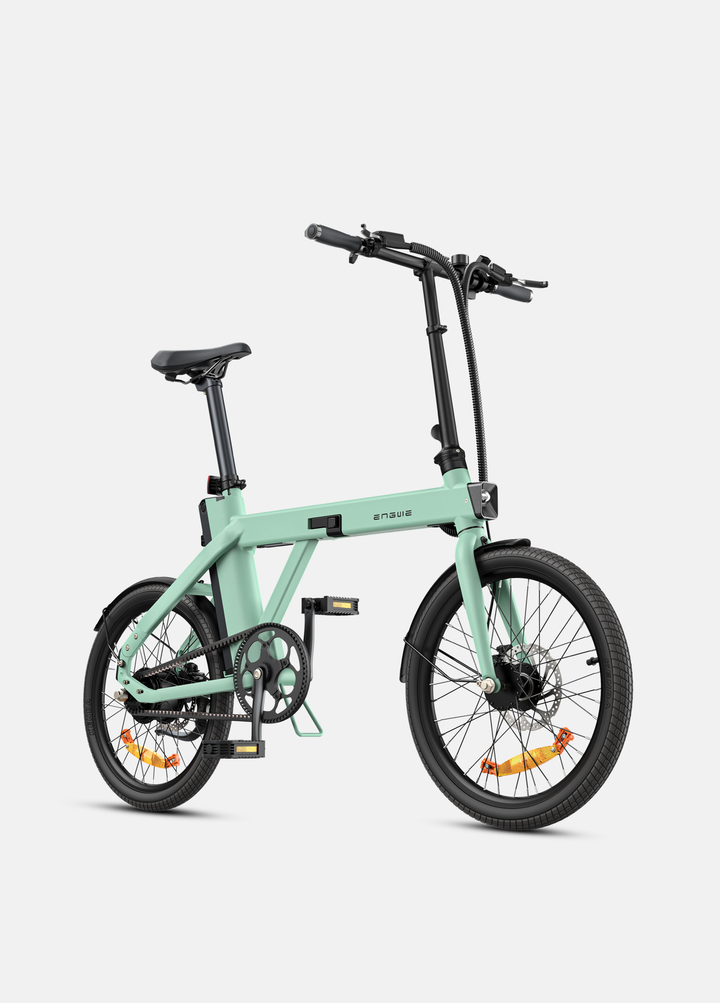
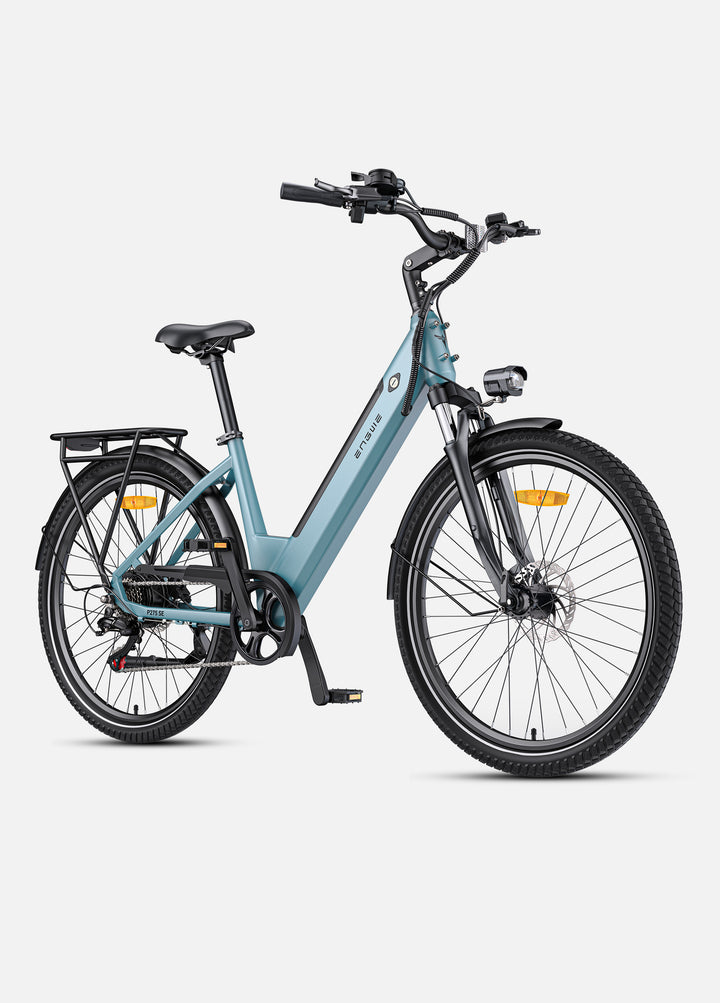
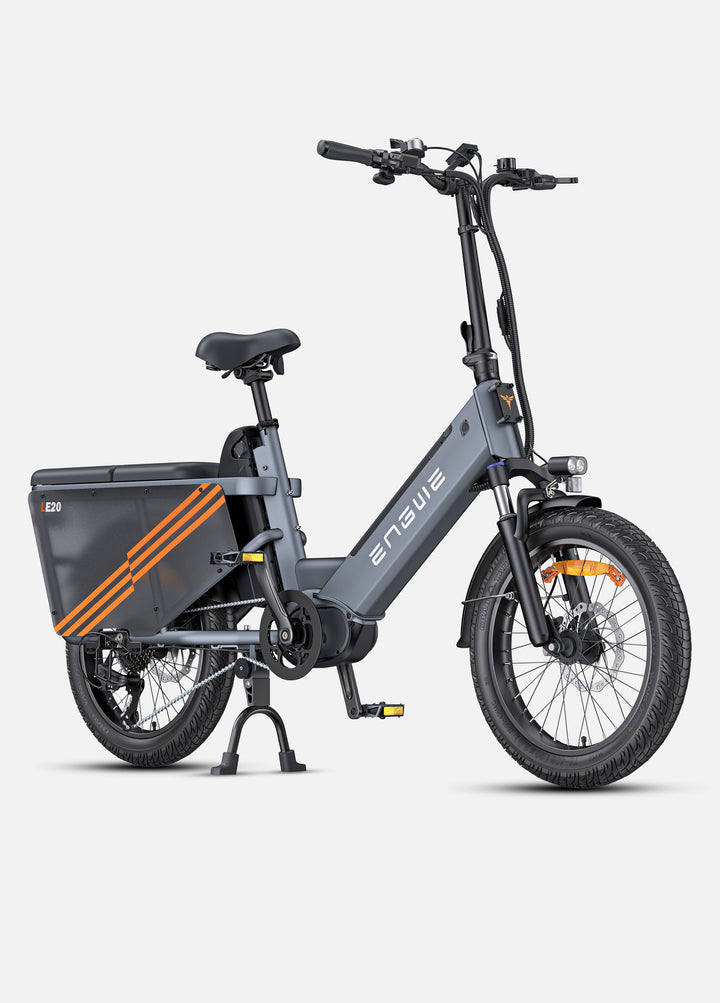
You just got your new adult electric bike. It’s clean, smooth, and ready to ride. But now you’re asking—does an electric bike need an ebike license in your country?
This is something many riders want to know. Laws are not the same everywhere. In some places, electric bikes are treated like regular bicycles. In others, they follow rules like scooters or mopeds.
This guide will help you understand how things work across Europe in 2025. We’ll show you what makes a bike "legal." You'll also learn when it needs a license and how to follow the rules—especially if you ride a trusted brand like ENGWE.

European E-Bike Licensing Rules: What to Know First
In Europe, a legal e bike must follow three simple rules. The motor should be 250 watts or less, the speed must stay under 25 kilometres per hour, and you must pedal for the motor to work. If your bike has a throttle that moves it without pedalling, it doesn’t count as a regular bicycle.
ENGWE bikes follow all these rules. They are designed to match the allowed motor size, speed, and bike movement. That means you can ride them on roads and bike paths without problems.
But if your bike is more powerful, or goes faster than allowed, the rules change. It might be called a license bicycle. This happens when the motor is stronger than 250 watts, the speed goes past 25 km/h, or it runs by throttle only.
These bikes often need special papers or may not be allowed in public areas. Some e mountain bike or off-road bikes fall into this group if they are not made for street use.
Country-by-Country License Guide for Electric Bikes
Italy
If you use a legal e-bike in Italy, you don’t need a license. Just make sure the motor is 250 watts or less and the bike doesn’t go over 25 kilometers an hour. The motor must only help when you pedal. Follow normal road rules. Ride where bikes are allowed. Keep right, and stay aware. Adults don’t have to wear helmets, but many people still choose to.
In cities like Rome and Milan, people love ENGWE folding bikes. They’re easy to carry and fit well in small places. These bikes follow the rules and work great for short everyday trips.
Germany
In Germany, you don’t need a license if your ebike has pedal assist and stays under 25 kilometres per hour. The motor must be 250 watts or lower, and it should only help when you’re pedalling.
But if your bike is faster or stronger, the law changes. These are called speed-pedelecs. They need a license, insurance, and a plate number. You may also need a helmet and be over a certain age.
The ENGWE Engine Pro 2.0 fits the legal rules and is good for city roads. It has power for hills but still stays within the safe range. If you're asking “does an electric bike need a license” in Germany, the answer depends on how your bike is made.

France
In France, most electric bikes do not need a license. If your bike has a motor under 250 watts and stops helping you at 25 kilometres per hour, it’s treated like a normal bicycle. You must pedal for the motor to work.
Children under 12 must wear a helmet. For others, it’s not required—but still a safe choice on busy streets. Many people in France ride bikes to work, school, or nearby towns. The ENGWE lineup works well for this. These bikes are stylish, easy to handle, and follow all the rules.
Spain
In Spain, you can ride a legal e-bike without a license. To be legal, your bike must have a motor of 250 watts or less and should not go faster than 25 kilometres per hour. The motor must help only when you pedal.
If your bike has a throttle that moves without pedalling or goes too fast, it may be seen as a moped. Mopeds need a license, insurance, and sometimes extra checks.
For city riders, the ENGWE P20 is a great match. It’s small, strong, and easy to ride in traffic. It also follows Spain’s rules, so you don’t need to worry about legal problems.
Netherlands
In the Netherlands, you do not need a license if your ebike meets the basic rules. The motor must be 250 watts or less, and the speed must stop at 25 kilometres per hour. The motor should only work when you pedal.
If your bike is faster or runs on throttle alone, it may be called a speed bike. These bikes need an AM license, number plate, and insurance. You also need to wear a helmet.
A lot of people in Dutch cities ride bikes to work, school, or shops. ENGWE folding bikes are a smart pick here. They are easy to fold and carry, perfect for short trips and public transport.
Ireland
In Ireland, you do not need a license if your ebike follows the rules. That means the motor is 250W or less, and it does not go faster than 25km/h. The motor must help only when you are pedalling.
If the bike uses only throttle and moves without pedalling, it may be seen as a moped. In that case, you might need a license and insurance.
To stay safe from legal trouble, many people choose ENGWE bikes. They follow the EU rules, so you won’t face problems with the police or road checks.
Poland
In Poland, electric bikes that follow the rules are treated like normal bicycles. You don’t need a license, insurance, or registration. Just make sure the motor is 250 watts or less and the speed stays under 25 kilometres per hour. The bike must also use pedal assist only.
If you're wondering, does an electric bike need a license in Poland? The answer is no, as long as your bike meets these limits.
ENGWE bikes are popular here for both short city trips and longer rides. They are strong, easy to use, and follow the law, so you can ride without any stress.

Ebike Classes and Common Misunderstandings
Some people get confused about e-bikes. Not all of them are the same, and the rules change depending on how the bike works. There’s one type that helps you when you pedal. This is the kind most people use. It won’t push you on its own. These are usually fine across Europe.
Then there’s another kind with a throttle. That one can move without pedaling. This type often causes problems with the law. And then you’ve got fast ones that go quicker than allowed.
These might need a license or plate. People think anything with a motor is a moped, but that’s not true. If it stays within the limit and only helps when you pedal, it’s still a bicycle.
Some folks also think they need insurance or a helmet for all e-bikes. That’s not always right either. It depends on the bike. If you're using a good brand like ENGWE, you’re usually in the clear without extra stress.

How to Ride Legally Across Europe With ENGWE
If you want to ride your bike across different countries, it’s smart to keep things simple. Go with a model that’s legal everywhere—one with a small motor and no throttle. That way, you won’t get stopped or fined.
You should also look up the rules for where you’re going. Some places want you to wear a helmet. Others might ask for ID or a sticker on the bike. It’s better to check than guess.
ENGWE makes bikes that work well for this kind of trip. The ENGWE P20 folds up fast if you need to hop on a train. The ENGWE P20 is great if you’re biking a lot every day. The Engine Pro can handle tough roads but still follows the rules.
So if you’re traveling or just want a bike you don’t have to think twice about, ENGWE has your back.

Final Thoughts
There are plenty of e bikes for adults that follow the rules. You just need to make sure the motor is not too strong, and that it uses pedal assist. That’s where ENGWE stands out.
If you’re looking for trusted ebikes for sale that are strong, safe, and legal across Europe, ENGWE has you covered. Their bikes are made for real riders—no stress, no surprises.
Frequently Asked Questions
Where can I find legal ebikes for sale in Europe?
You can check trusted sites like ENGWE. Their bikes follow EU rules, so you don’t need to worry about license problems.
Are there e bikes for adults that work for both city and hills?
Yes. Brands like ENGWE offer strong but legal models. They’re built for everyday use—whether you're riding to work or heading uphill.
Do electric bikes need insurance in all countries?
No. Most don’t—unless the bike is very fast or uses a throttle. For legal pedal-assist models, insurance is usually not required.