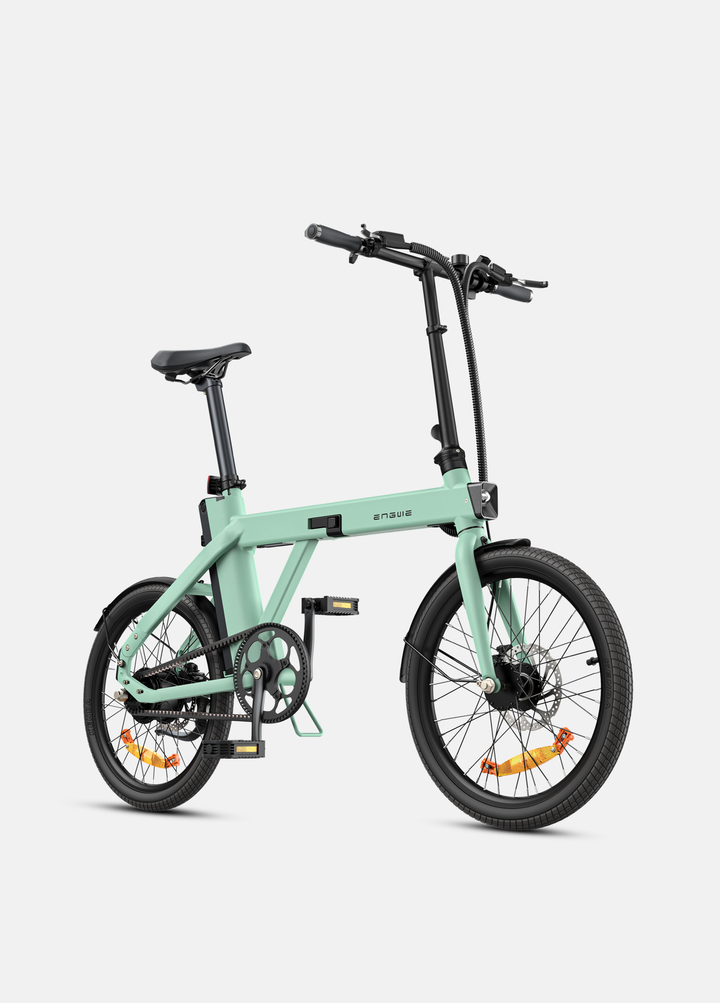
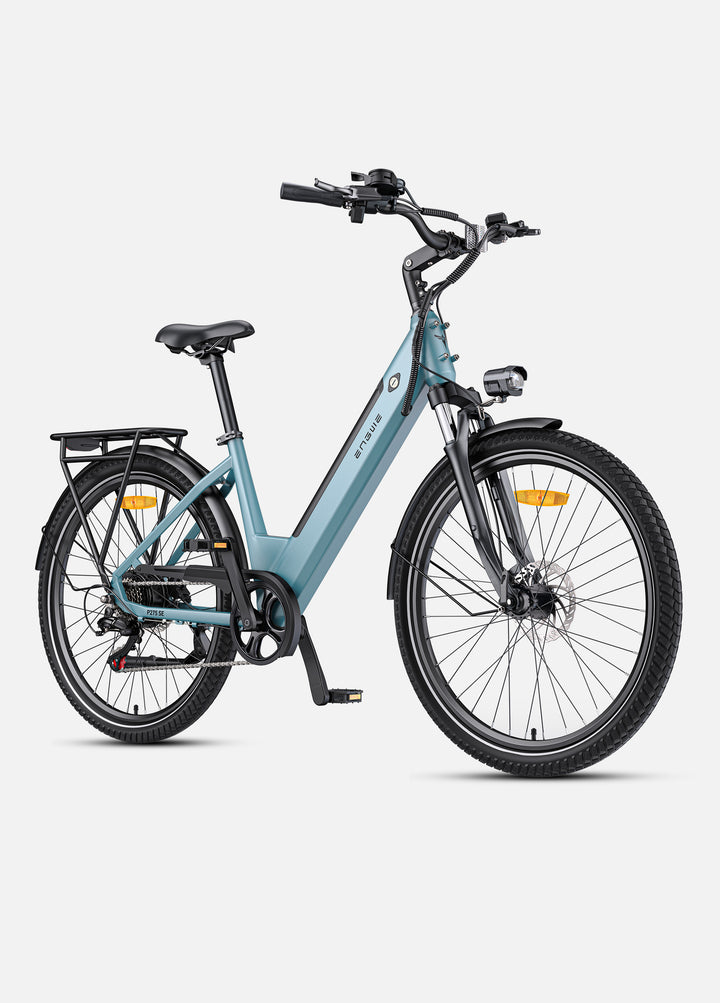
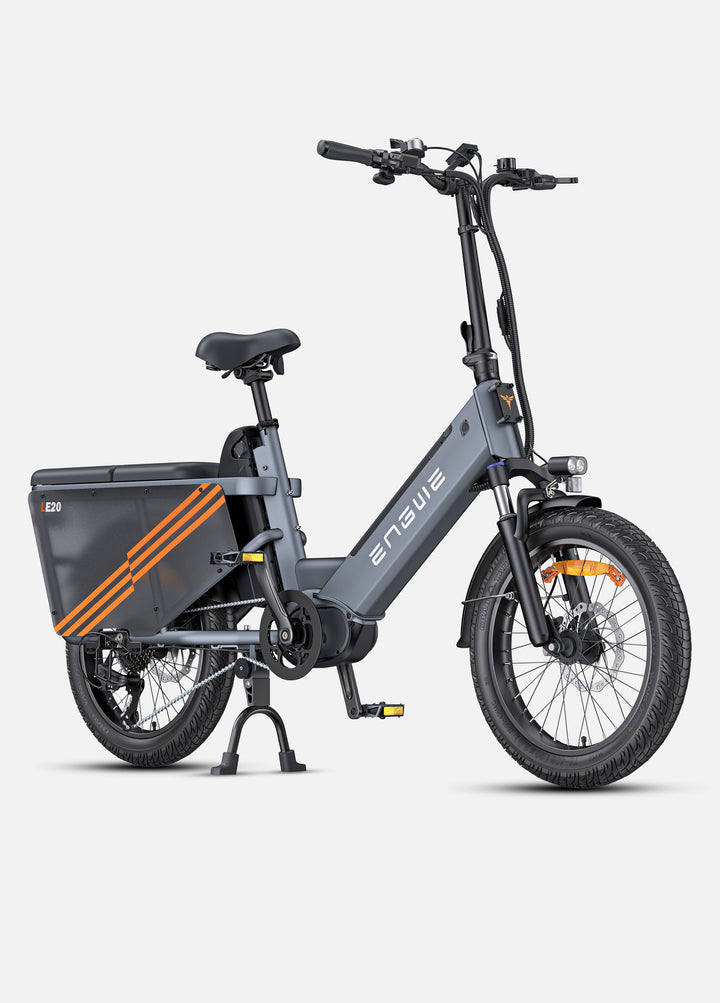
At first glance, an ebike looks a lot like a regular bicycle, but the small motor that gives you an extra push makes all the difference. Across Europe, these rides are catching on fast, people use them to beat traffic, cut travel costs, or simply make the daily ride less tiring. Many say electric bikes are the perfect mix of exercise and convenience.
Before you set off, it’s worth checking the ebike license rules where you live. While the EU offers general guidelines for speed and motor size, specific laws can vary from country to country. Knowing the difference could mean the gap between a smooth trip and a fine you didn’t see coming.

General EU Rules for Ebike License Requirement
In Europe, the rules for a standard license bicycle are pretty simple. The motor can’t go over 250 watts, it should only kick in when you pedal, and it has to stop helping once you reach 25 km/h. If your bike fits that description, you don’t need an e-bike license.
Most adult electric bike models on the market fall into this category. They’re fine for everyday riding and won’t land you in trouble. But once you start looking at electric bikes with more power or higher speeds, like S‑Pedelecs or heavily tuned versions, you’re moving into a different set of rules. That can mean getting a license, sorting out insurance, and even wearing a helmet in some countries.

Country-by-Country Ebike License Rules
There are EU‑wide rules, but the moment you cross a border, you might find the details are different. It’s worth checking how your own country handles an e-bike license before you ride.
Italy
-
No license if the motor is 250 W or less.
-
Pedal‑assist only, stops at 25 km/h.
-
Helmets optional for adults.
-
ENGWE folding ebikes are popular in Rome and Milan for easy storage.
Germany
-
No license for ≤ 250 W, 25 km/h pedal‑assist bikes.
-
Speed‑pedelecs require a license, insurance plate, helmet, and minimum age compliance.
France
-
No license for ≤ 250 W, 25 km/h pedal‑assist bikes.
-
Helmets mandatory for riders under age 12.
-
ENGWE commuter ebikes are common for work and short‑distance travel.
Spain
-
No license if ≤ 250 W, 25 km/h pedal‑assist only.
-
Throttle or higher speeds = moped rules with license and insurance.
-
ENGWE P20 is ideal for urban traffic while staying within limits.
Netherlands
-
No license for ≤ 250 W, 25 km/h pedal‑assist bikes.
-
Speed bikes need an AM license, plate, insurance, and helmet.
-
Folding ENGWE models are popular for train commutes.
Ireland
-
No license for ≤ 250 W, 25 km/h pedal‑assist bikes.
-
Throttle‑only bikes need a license and insurance.
-
ENGWE bikes meet EU limits for worry‑free riding.
Poland
-
Compliant bikes are treated as bicycles.
-
No license, registration, or insurance required.
-
ENGWE models suit e bikes for adults mixing city and countryside rides.

Special Rules for Different Types of Electric Bikes
Different types of electric bikes don’t always have the same access on the road. Most commuter models meet standard EU limits, so you can use them freely on bike lanes and around the city. Cargo bikes, while often built to carry more weight, can face extra checks in some areas due to size and load capacity.
Folding models are popular for people who mix cycling with public transport, but certain stations or buses may have restrictions during peak hours.An e mountain bike is often allowed on off‑road trails, but some parks or nature reserves still limit motorized access to protect the terrain.
If you’re browsing electric bikes for sale, it’s worth checking not just the specs, but also where you’ll actually be allowed to ride, especially if you plan to use it in both city and off‑road settings.
Why It’s Important to Check Local Laws Before Riding
It sounds simple, buy a bike, ride it, but with ebike license rules, it’s not always that easy. Some riders find out the hard way: the wrong setup can lead to fines, insurance issues, or even having your bike confiscated. In one town, you might be fine without a helmet just a few miles away, it could be required by law. Paths you rode yesterday could be off‑limits tomorrow.
Before spending money on electric bikes or choosing from the latest e bikes for adults, do a little digging. Ask the guy at the local bike shop, check your country’s transport site, or scroll through a local riders’ group online. It’s quicker than dealing with trouble later, and it keeps your rides stress‑free.
Common Misunderstandings About E-bike License Rules
Plenty of first‑time riders get caught out by how ebike license rules change once you cross a border. You might think that meeting EU standards means your bike is fine anywhere, but that’s not always the case. A model sold as a standard license bicycle at home could suddenly need registration and insurance just a few kilometres away.
It gets trickier when you’re browsing e bikes for sale online. The descriptions don’t always spell out exactly what you’re getting or whether it’s legal where you plan to ride. Swap pedal assist for a throttle, or fit a motor rated over 250 watts, and you’ve stepped into a different legal category. Spending a couple of minutes checking your own country’s rules before buying is a small step that can save time, money, and a lot of stress later.

Tips for Staying Legal and Safe
Keeping within the rules isn’t only about paperwork, what you do before and after you ride matters just as much:
Know your bike – If you ride an adult electric bike, pay attention to how it feels on the road, not just what the label says. Make sure the speed and motor output stay within your country’s limits.
Watch the trails – On a mountain bike? Some parks, tracks, and nature reserves don’t allow motor‑assisted rides. It’s worth checking before you set off.
Check before you buy – When looking at electric bikes for sale, don’t just skim the advert. Check the motor size, the top speed, and how the assist works.
Wear the helmet – Nobody loves it, but it’s one habit that can save you from serious trouble if you fall.
Stay in the loop – Laws change. Ask at your local shop, keep an ear on cycling groups, or glance at your transport office’s website now and then.

Conclusion
If you know the ins and outs of your ebike license rules, you’re already ahead of the game. It’s the easiest way to avoid fines, hassles, or being told you can’t ride where you planned. The EU sets the basics, but once you cross into another country, the details can shift, sometimes a lot.
So before you jump on one of the many e bikes for sale, take a few minutes to check what’s legal in your area. That quick check can save you a pile of headaches later.
Ready to ride? Take a look around, find the one that feels right for you, and head out knowing you’re within the rules.