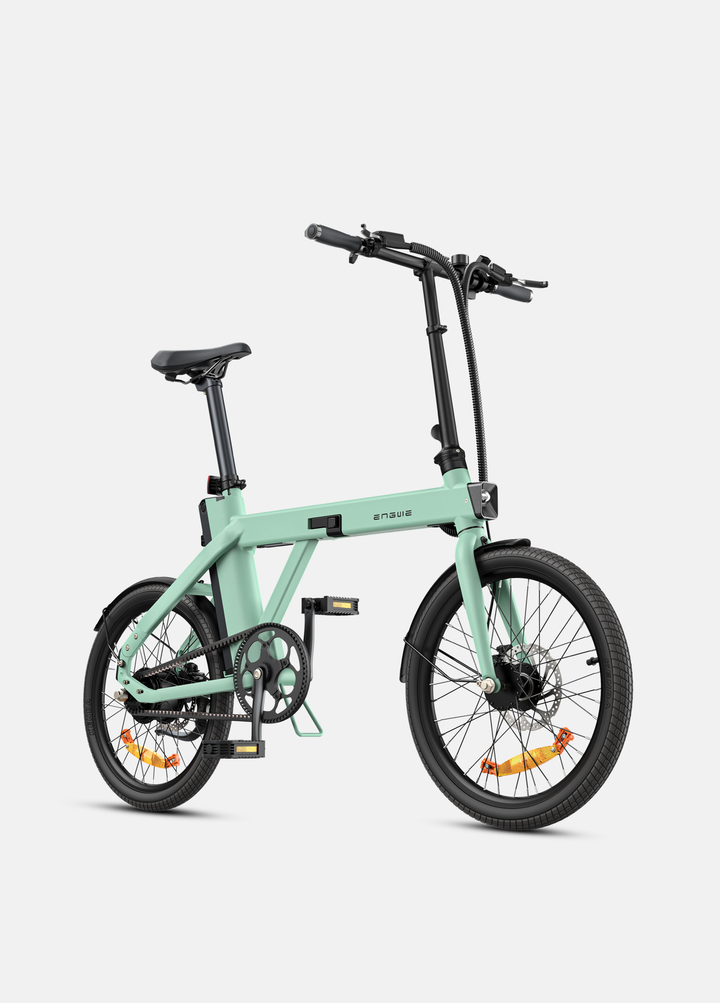
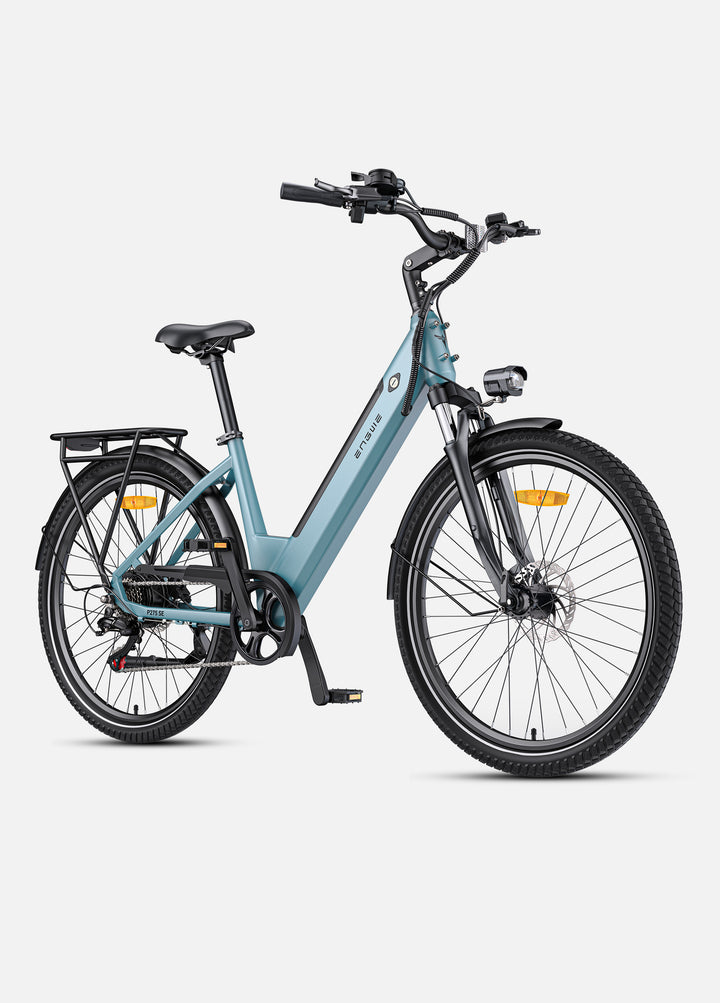
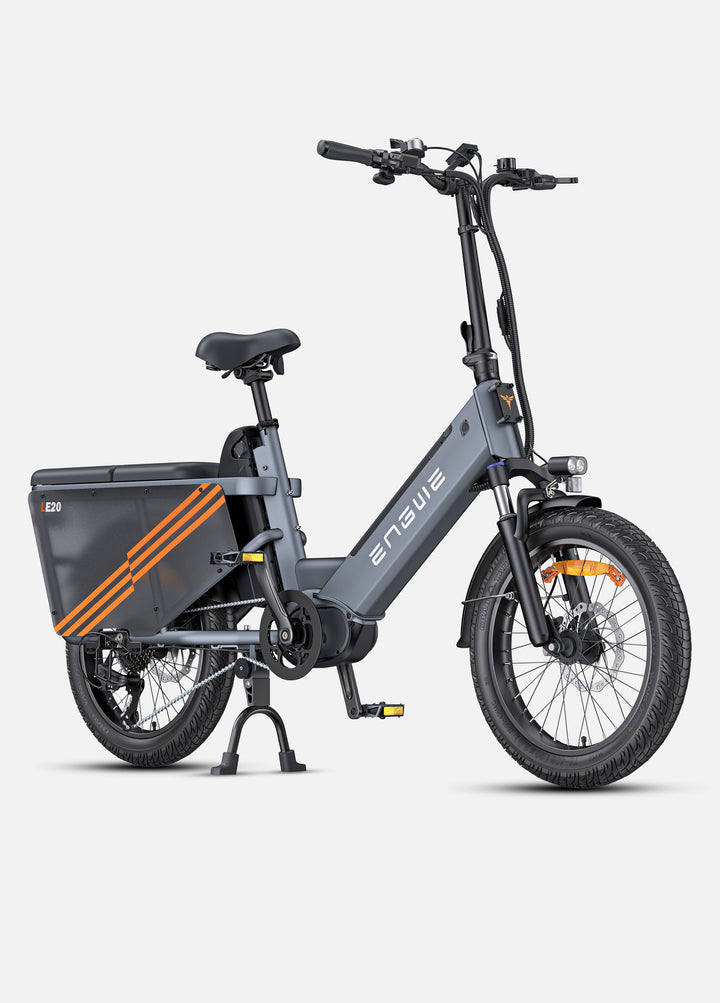
The world of electric cycling has grown fast, offering two main types: electric trail bikes and electric mountain bikes. Even though people often use these terms to mean the same thing, there are differences you should know when you're deciding what to buy.
These two types of bikes do different things and work better in specific places, so your choice depends on how you like to ride and what kind of terrain you prefer.

Understanding Electric Trail Bikes
An electric trail bike is a versatile option that's designed for adventures on mixed terrain. It's like a middle ground between road and mountain biking. Trail bikes usually have suspension travel that's around 130-160mm in the front and up to 150mm in the back. This makes them perfect for riders who want to explore without going all out on extreme terrain.
The electric trail bike scene has come a long way. Many brands have created bikes that are stable on the way down, but still climb efficiently. These e-bikes often have longer wheelbases and slack head angles than traditional bikes.
Electric Mountain Bike Specifications and Features
E-mtb models are built for aggressive off-road riding. These bikes typically have more powerful motors with high torque. That's what you need for steep climbs and tough terrain. The construction is solid, with full suspension systems.
The electric mountain bike design focuses on durability and performance. Studies show these bikes are much faster compared to regular mountain bikes, and they cut the physical workload nearly in half. This motor assistance makes tough climbs feel a whole lot easier.

Key Differences in Design and Performance
Motor Power and Torque
The biggest difference is in the motor specifications. Electric trail bikes usually have moderate power that works well for mixed terrain, while electric mountain bikes go for high-torque motors. These high-torque motors in mountain bikes give you consistent power at low speeds.
Suspension and Geometry
Electric trail bikes usually have more moderate suspension, while electric mountain bikes have a more aggressive setup. Trail bikes typically have 130-160mm front suspension. In contrast, mountain bikes have 160-180mm or more. This makes a big difference.
Battery Capacity and Range
Electric mountain bikes usually need bigger battery systems, from around 700Wh, to keep their power-hungry motors. Trail bikes might have more efficient batteries that work better for longer rides. An off road ebike requires a lot of power to handle technical sections.
Are Electric Bikes Allowed on Bike Trails?
Understanding where electric bikes are allowed on bike trails is crucial for both categories. Federal land management agencies have updated their rules to make room for electric bicycles. The National Park Service led the way in 2020 by allowing e-bikes on roads and trails where regular bikes are allowed. But the rules still vary a lot depending on where you are.
Electric bikes usually fall into three categories:
-
Class 1, which tops out at 20 mph.
-
Class 2, which has a throttle and also goes up to 20 mph
-
And Class 3, which assists pedalling up to 28 mph.
Since Class 1 bikes are most like traditional bikes, they're often allowed on the widest range of trails.
Lots of trail systems, like the popular Pacific Electric Bike Trail in California, allow electric bicycles. This trail stretches from Rialto to Claremont, giving a great example of how infrastructure can work for different types of cyclists.
Choosing Between Trail and Mountain Electric Bikes
When deciding between an electric trail bike and an electric mountain bike, think about how you plan to use it.
Trail bikes can handle different terrains with ease and are perfect for riders who want to explore a mix of trails and enjoy casual cycling without facing super tough obstacles.
Electric mountain bikes are for riders who want to tackle tough trails. If you spend most of your time riding steep hills and rough off-road terrain, an e-mountain bike's extra power and high-end suspension make it worth the investment.
Think about the local trails you want to ride and where you see your cycling hobby headed. If you're just starting out, a trail bike is a good bet. But if you know you'll be spending most of your time on tough off-road trails, a mountain bike is the way to go.

Accessories and Additional Considerations
You can add ebike accessories like an electric bike trailer to either category for carrying gear or kids. However, the mounting system might be different depending on the frame and axle type. When you're picking a trailer attachment system, make sure it's compatible with your bike's axle.
Safety equipment is a must. You'll need the right protective gear, like helmets and sturdy footwear, no matter the type of bike you're riding. Studies show that wearing a helmet makes a big difference for e-bike riders.
ENGWE Electric Bike Options
ENGWE has some great electric bike options for riders. Their ENGWE EP-2 Boost model has a 250W motor that can take you 120km on a single charge. If you're looking for something a bit more powerful, the ENGWE Engine Pro 2.0 delivers 75Nm of high torque. For a more laid-back ride, the ENGWE P275 Pro uses a Bafang mid-drive motor with 65Nm torque, making it ideal for casual rides around town.
These modern electric bikes show just how versatile they can be, catering to different ride needs and terrain preferences while keeping up the quality.
Key Takeaway
Ultimately, both electric trail bikes and electric mountain bikes are great; they just cater to different needs. Trail bikes are versatile and comfortable, while mountain bikes are all about tackling tough terrain. See what ENGWE ebikes have to offer and choose the one that's perfect for you.
Essentially, both electric trail bikes and electric mountain bikes bring something unique to the table. Knowing the distinction helps you pick the perfect ride for your next adventure.
Frequently Asked Questions
Q: What is the main difference between an electric trail bike and an electric mountain bike?
Electric trail bikes are all about handling different types of terrain, while electric mountain bikes are built for serious off-road riding.
Q: Can I use an electric mountain bike for commuting?
Yes, but electric mountain bikes are heavier and less efficient for commuting. Plus, their heavy-duty features often go to waste in urban environments.
Q: Are electric trail bikes allowed on all bike paths?
Trail access can vary, depending on local rules. Class 1 e-bikes usually get the green light on standard bike paths.
Q: How much battery capacity do I need for off-road riding?
Off-road riding usually needs a battery with a capacity of around 700 Wh for longer trips. A few things really affect how far you can go: how tough the terrain is and what level of assist you're using.
Q: What motor torque is best for steep climbs?
For serious off-road climbing, go for motors with at least 80Nm of torque. That's the kind of power you'll need to handle steep hills and tough terrain.