A child’s first bike is more than a toy, it’s a tool for freedom, health, and confidence. But getting the wrong size can make riding unsafe. A bike that’s too small cramps the legs and slows progress, while one that’s too big makes it hard to balance or stop. This is why parents rely on a childrens bike size guide before making a purchase decision.
Unlike adults, kids’ bikes are measured mostly by wheel size, not by frame length. This guide will help you understand every stage, from push bikes for toddlers to mountain bikes for older kids, and even how to transition into ebike models for teens.

Step 1: How Bike Sizing Works for Kids
When choosing a bike for a child, the first thing parents should know is that children’s bike size charts are based on wheel size, not the frame. A bike with 12-inch wheels is for very young riders, while 16-inch, 20-inch, or 24-inch wheels are for older and taller kids. As the wheel grows, the frame grows too, giving more reach and height.
Unlike adult bikes, which use measurements like centimeters or inches for the frame, kids’ bikes are simpler because the wheel diameter is an easier guide. Still, relying on the wheel alone is not enough. You must check the child’s height, inseam, and standover clearance to confirm safety.
A good way to test is the bike length for height match: when the child sits on the saddle, both feet should touch the ground comfortably. This gives them confidence to start, stop, and balance without fear of falling.
Golden rule for parents: If your child can place both feet flat on the ground while seated, the bike is the right size to start with.
Step 2: Push Bikes and First Rides (Ages 2–3)
For toddlers, cycling starts without pedals. A push bike, also called a balance bike, helps children practice balance and steering before moving to a real pedal cycle. These bikes are light, safe, and easy to handle.
- Wheel size: usually 10–12 inches.
- Height fit: works best for kids around 85–100 cm tall.
- Inseam fit: 30–40 cm inseam length.
- Fit rule: the lowest saddle setting should be equal to the inseam so the child’s feet stay flat on the ground.
Parents often ask: “What size push bike do I need?” In most cases, a 12-inch model fits well. If the child is shorter than average, look for a bike with a lower saddle adjustment.
A bike size chart childrens, or a size chart for childrens bike, will always start with these smallest sizes. Using a kids bike sizes chart makes it easier to avoid mistakes and ensures the child feels safe right from the first ride.

Step 3: Early Pedal Bikes (Ages 4–7)
Once a child feels steady on a balance bike, the next step is a small pedal bike. At this stage, parents should check height and inseam together to avoid mistakes.
- For ages 4–5 years: Most kids between 105–115 cm tall with an inseam of 45–50 cm fit a 14–16 inch wheel. Many still prefer training wheels for extra support.
-
For ages 6–7 years: Riders around 115–125 cm tall with an inseam of 50–55 cm usually fit a 16–18 inch wheel. By this time, most are ready to pedal on their own.
Tip for parents: If your child’s numbers fall between two options, choose the smaller wheel first. Smaller bikes are easier to start, stop, and control, which means safer rides and quicker learning.
Using a childrens bike size guide or a bike size chart for kids can make this decision clearer. A bike size chart kids or a bike size chart by height kids helps you confirm the right wheel size before you buy.
Step 4: Middle Childhood (Ages 7–11)
At this stage, children are stronger riders who can handle longer rides and start using gears. Parents often ask what is the right 8 year old bike size, and the answer usually depends on both height and inseam.
- A typical 8-year-old fits a 20-inch wheel bike, especially if they are between 125–140 cm tall with an inseam of 55–65 cm.
- For cautious riders, staying on a 20-inch bike is best. It keeps the bike light, easy to handle, and safe when stopping.
- For taller or more confident riders, moving up to 24-inch wheels gives smoother pedaling and more room to grow.
Here’s a quick reference:
|
Age |
Height (cm) |
Wheel Size |
|
7–9 yrs |
125–140 |
20” |
|
9–11 yrs |
135–150 |
24” |
A kids bike size chart by age and height is a useful starting point, but a kids bike size chart by height gives a more accurate match. Always check inseam to confirm that your child can reach the ground comfortably.
Choosing a new bike is exciting, but getting the right size is crucial. The wrong fit not only affects comfort but can also be a safety hazard. Use this simple calculator below—just enter your height and inseam to get a quick estimate of the right frame size for you, making your choice easier.
Step 5: Teen Bike Size Transition (11–14 Years)
When kids hit the 11–14 age range, their bikes start looking more like adult models. At this stage, parents can’t just look at the wheel size anymore. A bike frame size chart becomes useful, because growth spurts are common and small changes in height or leg length make a big difference.
-
A 24-inch bike usually works for riders between 135 and 150 cm tall. Bikes in this size often come with proper gears, which help teens ride further and handle hills without struggling.
-
A 26-inch bike is better for riders around 145 to 160 cm. This size overlaps with smaller adult frames, so it’s a good time to compare both wheel size and frame size together before buying.
Parents should also check standover height carefully. Teenagers often ride with backpacks or sports bags, and extra weight can throw off their balance. Making sure there’s space between the rider and the top tube helps them stop quickly and safely.
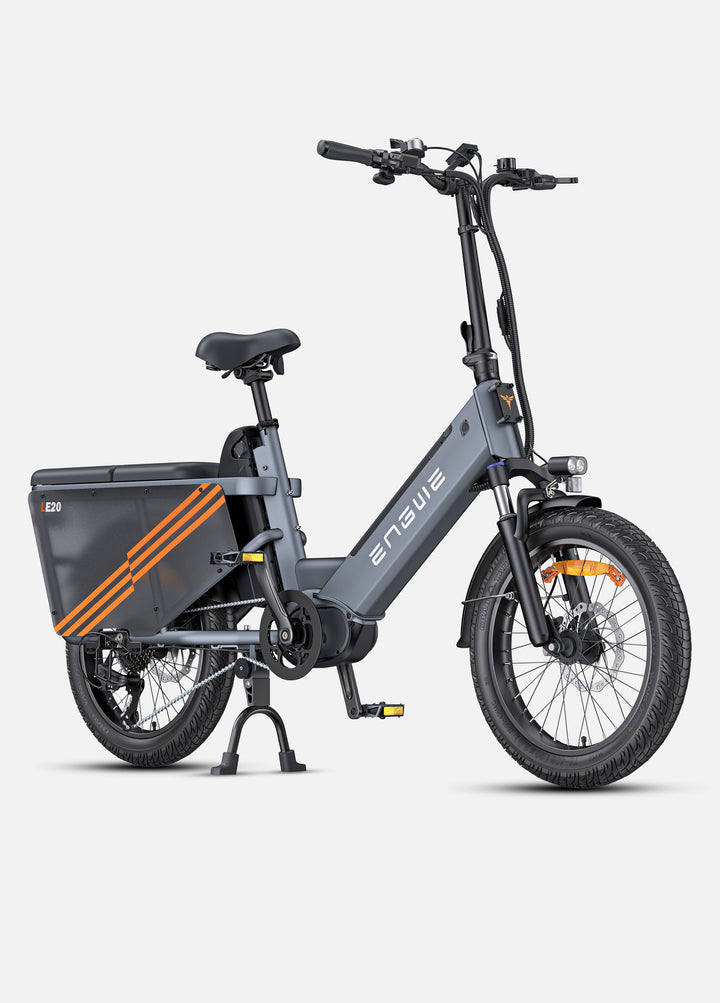
Around this age, many families also start looking at ebikes. An ENGWE ebike or other engwe electric bike can be a good next step, but correct sizing is even more important because these bikes are heavier than standard cycles. Always match the inseam and overall height with the model’s published fit range.
Some popular teen-friendly options include:
-
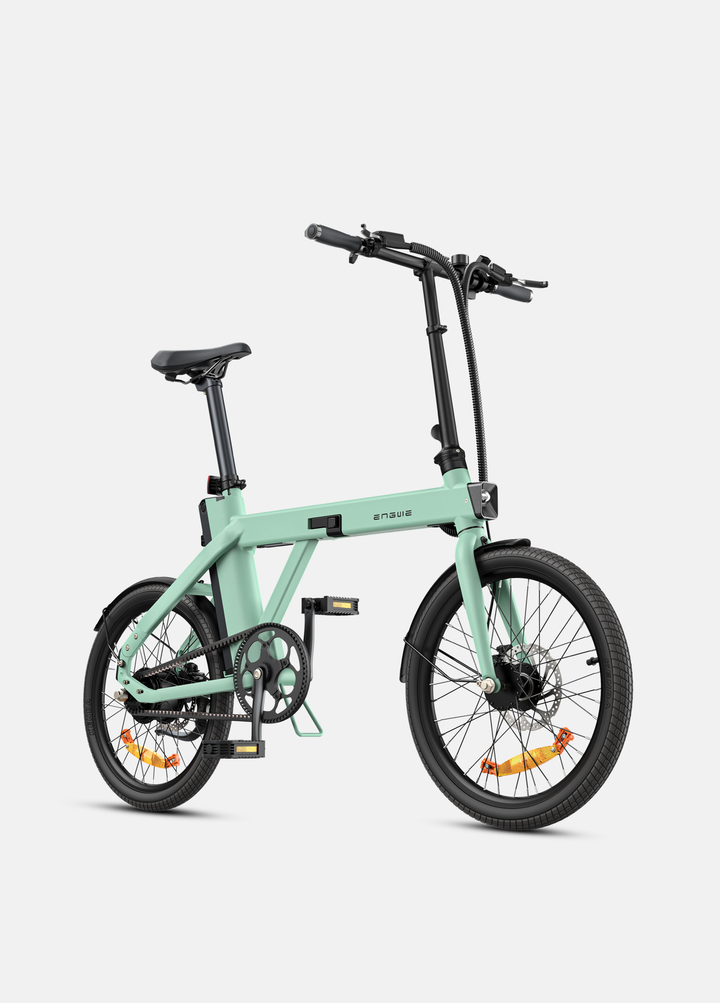
ENGWE T14 – A folding compact model made for riders between 4.5 and 5.5 ft. It’s small, light, and simple to store, making it a good first ebike for younger teens.

-
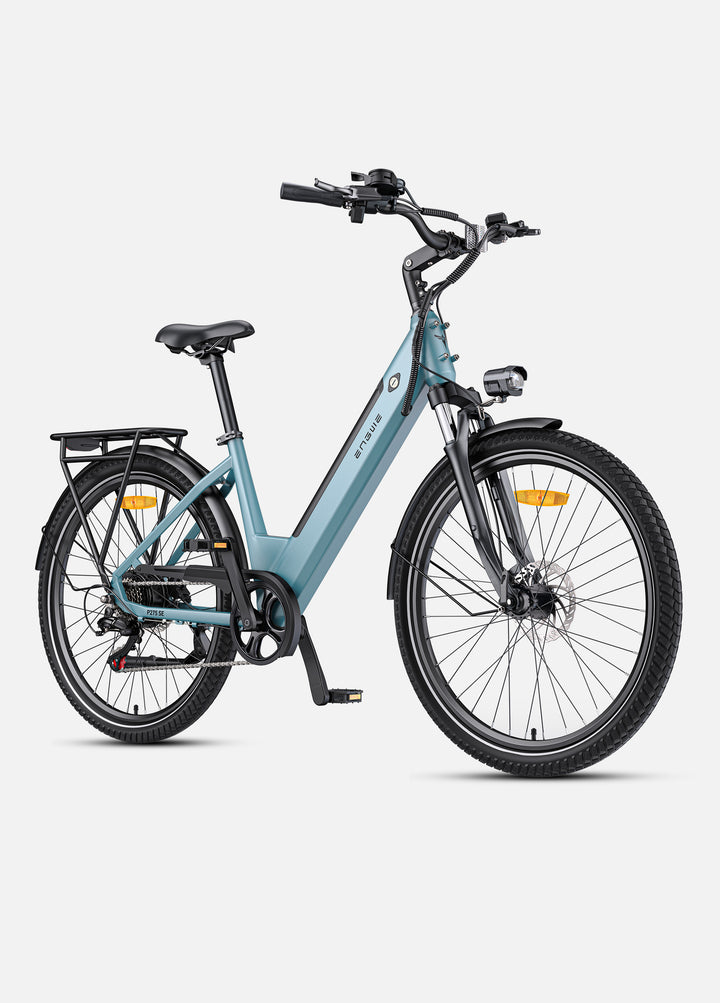
ENGWE L20 Boost – A step-through commuter design that suits 5.0 to 6.0 ft riders. Its upright position and easy mounting make daily use less tiring.

-
ENGWE E26 – A trekking bike fitted with 26-inch fat tires, built for taller teens who need extra grip and stability on longer rides or uneven ground.

By combining wheel size, inseam checks, and a bike frame size chart, parents can guide teens smoothly from kids’ bikes into adult or electric models.
At this stage, using a childrens bike frame size guide can also help confirm the right fit, especially for teens moving between youth and adult bikes. Getting this right means safer rides, better control, and more confidence as they grow.
Step 6: Children’s Mountain Bike Size Guide
Mountain bikes for children need special attention because off-road riding is tougher than street cycling. A regular childrens bike size chart may not be enough here, so parents should use a clear childrens mountain bike size chart before choosing.
|
Height (cm) |
Wheel Size |
Fit Note |
|
115–130 |
20” |
Compact size, light frame, helps kids learn handling on short trails |
|
125–140 |
20–24” |
Decide based on rider confidence and the type of ground they ride |
|
135–150 |
24” |
More stable, usually includes gears for hills and longer paths |
|
145–160 |
26” |
Close to small adult MTBs, better for teens who ride often |
- 20-inch wheels are good for young riders who need easy control.
- 24-inch wheels suit growing kids who want gears for hills.
-
26-inch wheels are best for teens ready for bigger rides.
A kids mountain bike size chart makes sure the bike matches both height and skill. Small wheels help on tight paths, while larger wheels roll smoother over gravel, roots, and bumps.
Step 7: Growth & Safety Tips for Parents
Avoid buying too big too early – A large bike might look like it will last longer, but it can be unsafe. If a child cannot touch the ground easily, they lose balance and risk falling. Always check a bike size chart childrens before upgrading.
Measure again every few months – Children can grow several centimeters in half a year. A quick recheck with a bike size chart by height or a size chart for childrens bike keeps the fit correct and the ride safe.
Fine-tune the bike instead of replacing right away – Small changes like raising the saddle or adjusting the handlebar angle can extend the bike’s life without moving to a bigger frame too soon.
Choose the right style for the job – A school bike may need racks or gears for daily trips, while a trail or mountain bike should prioritize clearance, wider tires, and better brakes for control on uneven paths.
Conclusion
Choosing the right bike size for children isn’t only about age. Height, inseam, and riding style all play a role in finding the safest fit. Start with a childrens bike size guide, adjust as they grow, and recheck with simple home measurements. A well-fitted bike means smoother rides, more confidence, and fewer risks for young riders.
Frequently Asked Questions
What size push bike do I need for a 3-year-old?
A 3-year-old usually needs a 12-inch push bike. The saddle should be low enough to match the inseam so both feet can touch the ground flat.
What size bike should an 8 year old ride?
An 8 year old bike size is normally a 20-inch wheel. If the child is taller than 135 cm, you may consider 24-inch wheels, but always confirm with a childrens bike size chart.
How do I use a childrens bike size chart correctly?
To use a bike size chart childrens, measure both height and inseam. Match these numbers with the wheel size shown in the chart. Pick the smaller option if the child is between two sizes.
Is a kids bike size chart by age and height better than inseam?
A kids bike size chart by age and height gives a general guide, but inseam is more precise. Inseam ensures the child can stand over the bike safely and pedal comfortably.