Buying a bike for a child might look easy at first. Walk into any shop and you’ll see rows of bright frames and different wheel sizes lined up, but choosing the right one quickly gets confusing. Most parents end up asking the same question: Which of these will actually fit my kid?
This is where a kids bike size chart makes life simpler. Instead of taking a guess, you compare your child’s height, inseam, and age to the chart. In a few moments, you’ll know the right size and can avoid the trial-and-error approach.
Getting the right fit matters more than most people realize. When the bike matches a child’s body, riding feels easy. Balance improves, confidence grows, and every trip is safer. A bike size chart for kids works a lot like shoe sizing: if the bike is too small or too big, it feels wrong, and the fun quickly disappears.
This guide will walk you through how a bike size chart for kids works, why it’s important, and how parents can use it to make smarter decisions.

Why the Right Size Bike Matters
The first thing to understand is that bike size isn’t about looks, it’s about control. If the bike is too tall, a child might struggle to reach the ground with their feet. That can be scary and unsafe, especially for beginners. A bike that’s too small isn’t much better; kids feel cramped, their knees hit the handlebars, and they tire quickly.
A properly sized bike means balance comes naturally. Children can place both feet down when needed, sit comfortably, and pedal without strain. That’s why so many parents rely on a kids bike size chart by height of kids instead of just looking at age.
Adults face the same issue. They use a bike frame size chart to match their inseam with the frame length. Kids just follow a slightly different system that focuses on wheel size. Either way, the principle is the same: the right size equals safer, happier rides.

How Kids' Bike Sizes Are Measured
Children’s bikes are measured differently from adult bikes. Grown-ups usually choose frames based on centimeters, but for kids, the number that matters most is wheel size. Wheels start as small as 12 inches for toddlers and go up to 26 inches for older teenagers who are almost ready for full adult bikes.
Parents often ask about bike length for height, but that’s not the best measure for younger riders. In reality, inseam length and wheel size give a much clearer answer. Two kids who are the same age can need very different bikes. For example, one seven-year-old might still ride a 16-inch bike comfortably, while another child of the same age, but taller, may already be using a 20-inch model.
That’s why it’s better not to guess. A bike size chart kids shows the general ranges for age, height, and inseam, giving parents a reliable starting point. Every child grows at their own pace, but the chart helps narrow down the options and avoid buying the wrong size.
Kids Bike Size Chart by Age and Height
The following chart shows the typical match between age, height, inseam, and bike wheel size. Use it as a quick reference whenever you shop.
|
Child’s Age |
Height Range (cm) |
Inseam (cm) |
Wheel Size |
|
2–3 years |
85–100 cm |
30–40 cm |
12-inch |
|
3–4 years |
95–110 cm |
35–45 cm |
14-inch |
|
4–6 years |
105–120 cm |
40–50 cm |
16-inch |
|
6–8 years |
115–130 cm |
50–60 cm |
18–20 inch |
|
8–10 years |
125–140 cm |
55–65 cm |
20–24 inch |
|
10–12 years |
135–150 cm |
60–70 cm |
24-inch |
|
12+ years |
145+ cm |
65+ cm |
26-inch |
This kids bike sizes chart works for most brands. Still, always check the manufacturer’s guide because some models vary slightly.
Choosing a new bike is exciting, but getting the right size is crucial. The wrong fit not only affects comfort but can also be a safety hazard. Use this simple calculator below—just enter your height and inseam to get a quick estimate of the right frame size for you, making your choice easier.
8 Year Old Bike Size: What’s the Right Fit?
Most eight-year-olds fit best on a bike with 20-inch wheels, but height and inseam are what really confirm the choice. A child who’s taller than average may already feel more comfortable moving up to a 24-inch bike.
A smaller rider, though, will usually stay safer and more confident on a 20-inch model. Checking a what size bike for kid chart helps parents make the call without second-guessing. At this age, comfort and balance are more important than simply following age numbers.

Push Bikes for Beginners
For very young riders, balance bikes—often called push bikes—are the safest way to start. These bikes don’t have pedals. Instead, kids push with their feet, learning to balance naturally before they ever try pedaling. The design builds confidence without the fear of falling from a taller frame.
Parents often search online asking, “what size push bike do I need?” In most cases, toddlers between the ages of two and three begin with a 12-inch push bike. By the time they’re three or four, some children are ready for 14-inch wheels, depending on inseam.
The rule of thumb is simple: the child should be able to sit on the seat with both feet flat on the ground. If they can do that, the bike size is right.
From Kids' Bikes to Teen & Family Ebikes
As children grow into their teenage years, parents sometimes think about whether an ENGWE ebike could be suitable. These bikes are not meant for small kids, but older teens can often handle them safely if the frame fits. Adjustable components make the transition easier, especially for riders who are still growing but need something more than a standard kids’ bike.
Ebikes also make family rides more enjoyable. Parents who struggle to keep up with energetic teens on hills or long paths often find the extra assistance helpful. The important thing is to wait until the child is tall and mature enough to manage the added weight and speed.
Just as adults use a bike frame size chart to check fit, parents should compare ebike dimensions with their teen’s height before making a choice.
Examples of Kids Ebikes for Growing Riders
As children get older and start outgrowing regular bikes, parents often look for something sturdier that can last into their teenage years.
That’s usually the point when ebikes enter the conversation. ENGWE bikes has a few models that families often consider, each with a slightly different purpose.
ENGWE LE20
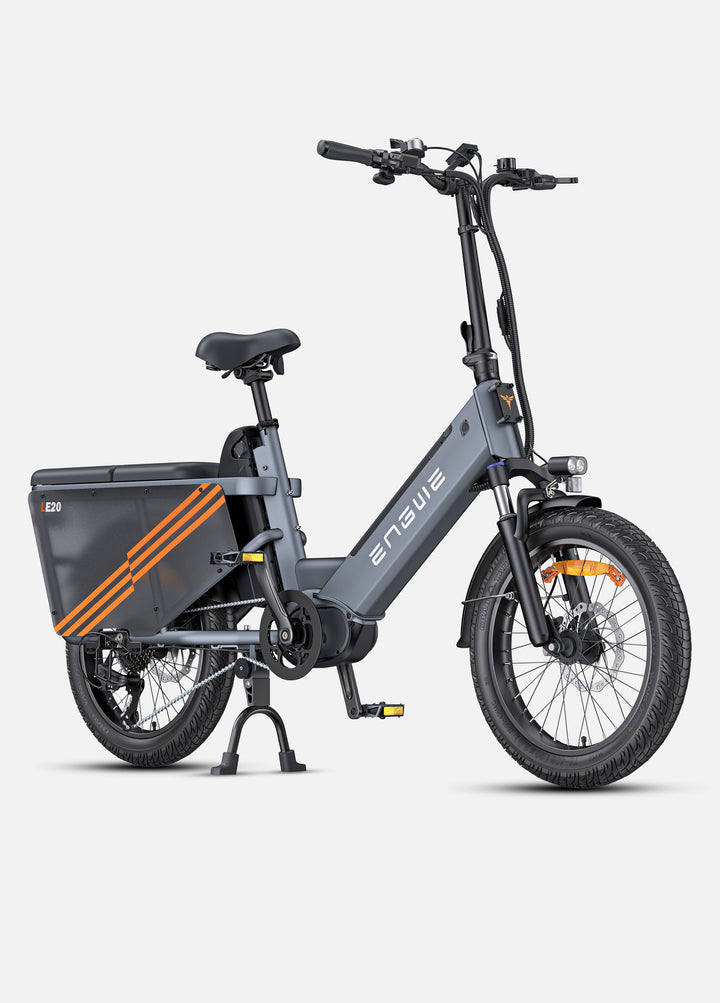
The ENGWE LE20 is often called a cargo-friendly e-bike because it does more than just carry one rider. Families use it for school bags, groceries, and in some cases even pets. It’s strong enough to roll over rougher paths thanks to its suspension and solid tires, yet still handles well in town.
Parents like it because it feels dependable, and teens appreciate that the frame is lower and easier to get on and off. In daily use, it’s the kind of bike that can switch between weekend trips and short errands without any trouble.

ENGWE P275 ST
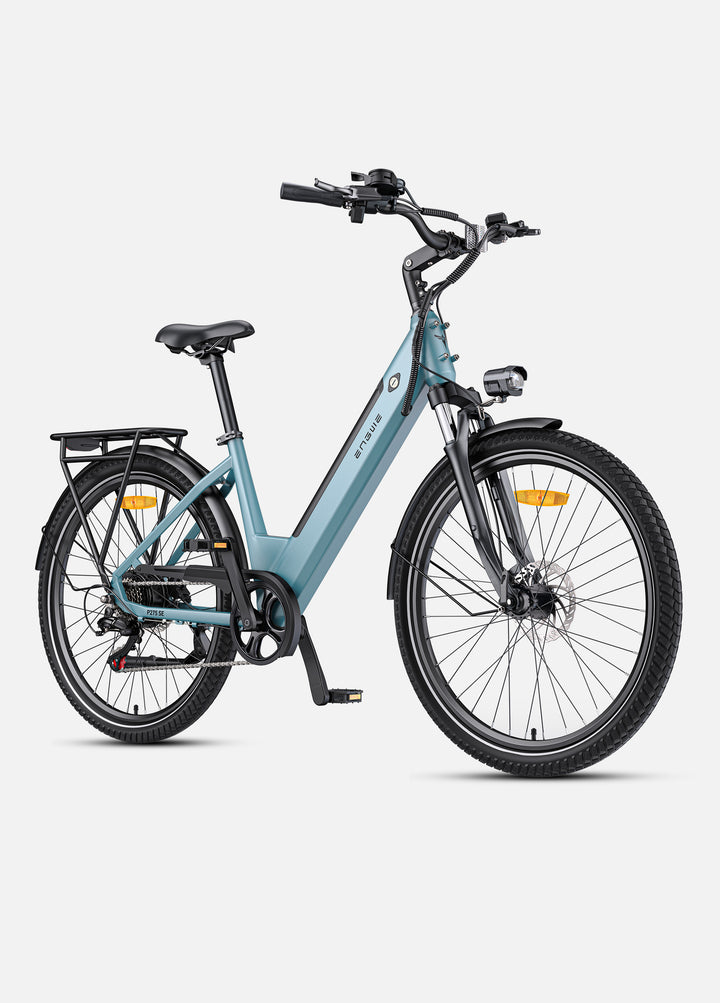
This ENGWE P275 ST leans more toward city life. It’s a step-through model, which means no awkward swinging a leg over a high frame. Inside, it runs on a 250W mid-drive motor that gives just enough push for commutes without breaking EU rules.
What makes it practical is the range: up to around 260km on a full charge. That’s enough for several days of use before recharging. Growing teens who are learning to ride longer distances often find it a smoother step up from kids’ bikes because it feels stable and comfortable rather than heavy.

ENGWE EP-2 Boost
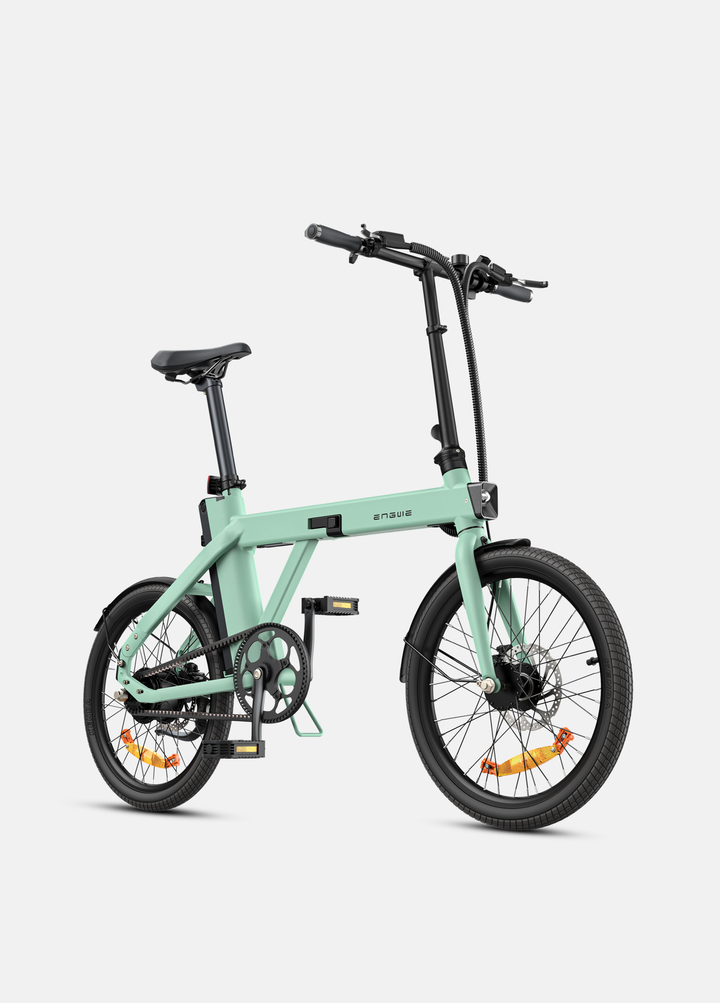
The ENGWE EP-2 Boost is the flexible one of the group. Families living in apartments or those who travel often tend to choose it because it folds down small enough to store or transport. On the road, it carries a 250W EU-legal motor paired with a torque sensor, which makes pedaling feel natural.
Riders can also tap the Boost mode, giving up to 55Nm torque instantly. That little surge makes hills far less of a problem. With a range of about 120km, it works well for both daily use and weekend trips.
These bikes are not for small children, but once teenagers are tall enough, they give families a way to ride together more easily. Each has a different strength: one focused on carrying loads, one built for city life, and one for flexibility.

Conclusion
Choosing the right bike size is one of the simplest ways to make riding safe and enjoyable for kids. A kids bike size chart by age and height gives parents a clear reference, reducing guesswork and preventing costly mistakes. When the size is right, children ride more confidently, learn faster, and enjoy their time on two wheels.
As they grow, families can begin looking at bigger options. Standard adult bikes or even beginner-friendly ebikes for teens become the next step.
If you’re planning ahead, visit ENGWE’s ebike collection to see what comes after kids’ bikes.
Frequently Asked Questions
What size bike for kid chart is most accurate?
The most reliable option is height-based. A bike size chart for kids that lists both inseam and age gives parents the clearest match.
What size push bike do I need for a 4-year-old?
At this age, most children fit well on a 14-inch balance or small pedal bike. To be sure, check a kids bike size chart by height kids and compare inseam measurements.
Is a kids bike size chart different from an adult bike frame size chart?
Yes. Children’s bikes are sized by wheel diameter, while adults rely on frame measurements. Both systems aim to ensure the rider feels comfortable and in control.
Can kids ride ENGWE ebikes?
An ENGWE ebike is built for adults and older teenagers. Younger children should stay with traditional bikes until they are tall and mature enough to manage the added weight and speed safely.