If your bike doesn’t match your body, riding quickly turns uncomfortable. Too small, and your knees feel cramped. Too big, and you stretch awkwardly just to reach the bars. The question of what size bike do I need matters more than most riders realize. Choosing the right fit improves comfort, keeps you safer, and helps you ride longer without fatigue.
This guide walks you through everything: sizing charts for adults and kids, differences between road and mountain bikes, and practical advice for finding your match. Toward the end, you’ll also see how certain ebikes make fitting easier with adjustable and flexible designs.

What Size Bike Do I Need?
Most people hope for a quick answer when they ask this question, but sizing isn’t that simple. Your height, inseam length, and the way you ride all influence the right choice. Two riders who stand the same height can still need different frames if one has longer legs while the other has a longer torso.
A well-fitted bike makes a big difference. You sit with better posture, your shoulders and back feel less pressure, and pedaling takes less effort. It also gives you more control when cornering or braking. Charts are a helpful starting point, but ultimately, the best size is the one that feels comfortable to you.
What Size Push Bike Do I Need?
For children, sizing is based on wheel size rather than frame size. A smaller bike makes it easier to balance and control, which builds confidence.
Kids’ Bike Size Chart
|
Age |
Height (cm) |
Wheel Size (inches) |
Best Fit |
|
2–4 years |
85–100 cm |
12” |
Balance bikes |
|
4–6 years |
100–115 cm |
14”–16” |
Starter pedal bikes |
|
6–8 years |
115–130 cm |
18”–20” |
Common 8 year old bike size |
|
9–11 years |
130–145 cm |
24” |
Pre-teen bikes |
|
11+ years |
145+ cm |
26”+ |
Transition to adult bikes |
So if you’re searching what size push bike do I need, remember: pick a bike your child can handle right now. Getting a size too large, hoping they’ll “grow into it,” makes riding harder and less safe.

What Size Road Bike Do I Need?
Road bikes are sized in centimeters, with geometry that emphasizes speed. Here’s a breakdown:
-
47–52 cm (small): fits riders 5’2”–5’6”
-
53–56 cm (medium): fits 5’7”–5’10”
-
57–60 cm (large): fits 5’11”–6’2”
-
61+ cm (XL): fits 6’2”+
When thinking what size road bike do I need, focus on reach (distance from saddle to handlebars). If the reach is too long, your back and arms tire quickly. Too short, and you’ll feel cramped. A test ride usually makes the difference clear.
What Size Mountain Bike Do I Need?
Mountain bikes are tougher and sized in inches. Here’s a guide:
-
13–14” (XS): 4’10”–5’2”
-
15–16” (S): 5’3”–5’6”
-
17–18” (M): 5’7”–5’10”
-
19–20” (L): 5’11”–6’1”
-
21–22” (XL): 6’2”–6’4”
-
23–24” (XXL): 6’4”+
When thinking about mountain bike sizing, also check stand-over height.. You should have 2–3 inches of clearance over the top tube, so you can dismount safely on uneven trails.
Ebike Fit and Adjustability
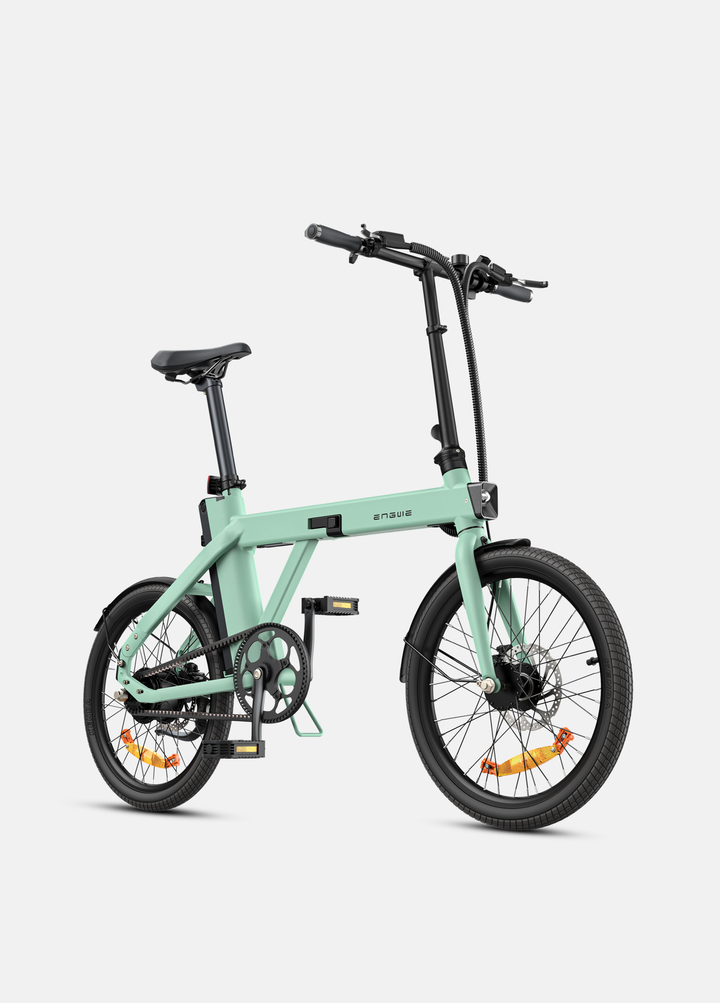
When it comes to sizing, ebikes follow the same rules as regular bicycles, but they often give riders more room to adjust. Many models are built with:
-
Adjustable seats that can be raised or lowered to match different heights.
-
Folding frames that make it easier to tuck the bike into a car trunk or a small apartment.
-
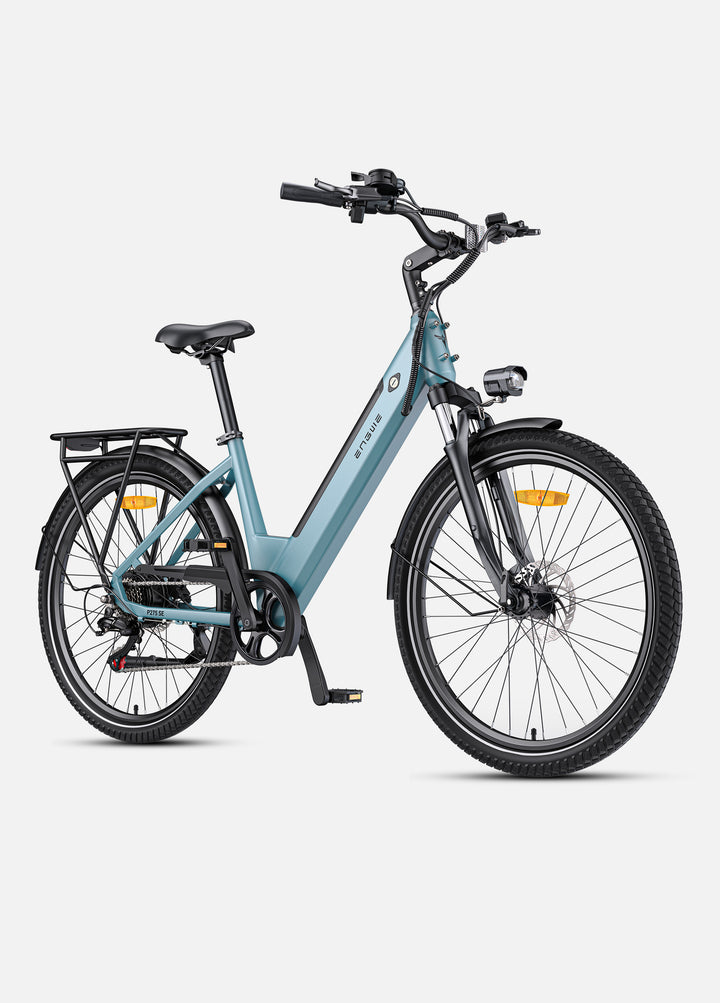
Step-through frames that let riders hop on and off without lifting a leg high, a feature especially helpful for shorter cyclists.
Because of these features, a single ebike can comfortably serve multiple family members or make daily commuting less of a hassle while still feeling practical.
Choosing a new bike is exciting, but getting the right size is crucial. The wrong fit not only affects comfort but can also be a safety hazard. Use this simple calculator below—just enter your height and inseam to get a quick estimate of the right frame size for you, making your choice easier.
ENGWE Ebikes That Fit Different Riders
ENGWE EP-2 Boost
The ENGWE EP-2 Boost combines folding convenience with all-terrain performance. Its 20 x 4.0 fat tires, adjustable seat height, and compact folded size make it suitable for riders between 5’4” and 6’2”. If you’ve been wondering what size bike frame do I need for city commuting and weekend trails, this model adapts to both with ease.

ENGWE P275 ST
Built with a step-through frame, the ENGWE P275 ST focuses on comfort and accessibility. Designed for riders from 5’7” to 6’5”, it features a 250W mid-drive motor, Shimano 9-speed gears, and hydraulic disc brakes for smooth control. Its adjustable saddle height and upright geometry make it ideal for commuters who want a relaxed fit without sacrificing performance.

ENGWE M20
The ENGWE M20 stands out with its motorcycle-inspired frame and fat tires, offering a sporty ride for users between 5’2” and 6’2”. It supports different battery options for extended mileage and includes a Shimano 7-gear system. To keep the bike running efficiently, ensuring the correct chain length is set is essential.

Tips for Choosing the Right Bike Size
Check stand-over height: Aim for about one to two inches of clearance on a road bike and a little more, around two to three inches, on a mountain bike.
Look at reach and bar height: Your posture should feel natural. If your back feels tight or stretched, the fit isn’t right.
Always try before you buy: Charts are a good start, but nothing replaces the feel of actually sitting on the bike.
Consider step-through frames: They’re easier to mount, and some ENGWE ebikes use this style to make sizing flexible for different riders.
Common Mistakes When Picking Bike Size
Choosing based only on wheel size: Frame size matters more.
Buying too large for kids: Bigger bikes can discourage learning.
Ignoring adjustments: Seat and handlebar tweaks can improve fit, but they can’t correct a completely wrong frame.
Final Thoughts
A well-sized bike transforms the riding experience. Instead of aches or awkward posture, you get comfort, efficiency, and more control. While charts and guides give you the numbers, only trying the bike shows if it feels right.
For riders who want versatility, ENGWE ebikes provide designs with folding frames, step-through access, and adjustable parts that make sizing less stressful. To explore these models, visit ENGWE, where you’ll find EU-compliant bikes built for everyday use.
Frequently Asked Questions
What size bike frame do I need for my height?
A bike size chart by height gives a solid starting point. For instance, if you’re 5’7”–5’10”, a 17–18 inch frame usually works.
What size mountain bike do I need?
Riders under 5’6” often fit a 15–16 inch frame, while taller riders (over 6 feet) may need 21–24 inches. Always check stand-over clearance.
What size road bike do I need?
At 5’7”–5’10”, most riders feel comfortable on a 53–56 cm frame. Road bikes require careful attention to reach and saddle position.
What size bike is good for an 8 year old?
Most 8-year-olds ride bikes with 18–20 inch wheels. The right 8 year old bike size depends on height, usually between 115–130 cm.
How many chain links on ENGWE M20 ebike?
The ENGWE M20 generally comes with 112 links, but it’s always best to confirm with the user manual. Proper chain length makes pedaling smoother and prolongs drivetrain life.