When buying a bike or an e-bike, the first step is finding the right frame size. A correct fit makes every ride safe and comfortable. If the frame is too small, your knees may ache, and pedaling feels heavy. If it’s too large, your back and shoulders strain, and balance becomes harder.
Choosing the right bike frame sizes gives smoother rides, better control, and more power with less effort. This guide explains how to measure frame sizes, use a bike frame size chart, and pick the best option for road, mountain, or folding electric cycles.

Why Bike Frame Sizes Matter
Getting the right frame size makes riding more comfortable and reduces pain in your back, knees, or wrists. A bike that fits properly is easier to control and lets you pedal with better power and less effort.
Comfort
The frame size has a big impact on how your body feels while riding. If the frame is too small, you sit cramped and your knees hit awkward angles. If it’s too big, you stretch too far, which can cause pain in your back, shoulders, or wrists.
Control
A bike that fits is much easier to handle. With the right mountain bike sizing, you feel steady on rough trails. On a city bike, proper sizing helps you stop, start, and turn safely in traffic.
Efficiency
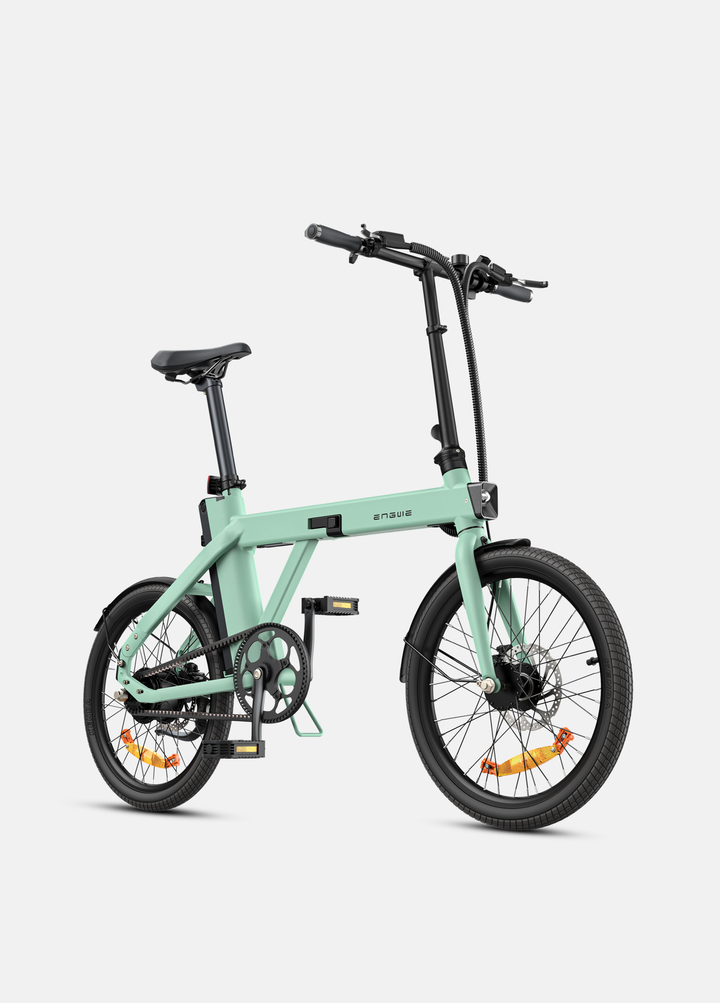
When the frame matches your height and inseam, every pedal stroke uses less effort but gives more speed. Research shows riders can generate noticeably more power with the correct fit. Modern e-bikes, such as the ENGWE P20 and ENGWE E26, follow the same size rules but include adjustable seatposts and handlebars so one bike can fit more people.

How to Measure Bike Frame Sizes
There are two main approaches to measuring bike frame size:
1. Rider-based method
This involves measuring your body inseam (the length of the inside of your leg). This method is considered the most accurate way to determine the appropriate bike frame size.
2. Bike-based method
This involves measuring the frame of an existing bike you already have or one that fits you well.
Inseam Method (Most Accurate)
For a precise fit based on your inseam measurement, different formulas are used for road bikes and mountain bikes:
-
Road bike formula: Frame size (cm)=Inseam (cm)×0.67
-
Mountain bike formula: Frame size (cm)=Inseam (cm)×0.59
Example
If a rider's inseam is 80 cm:
-
Road bike frame size = 80×0.67≈54 cm
-
Mountain bike frame size = 80×0.59≈47 cm
These formulas are widely accepted across the cycling industry and are used by professional bike fitting experts.
This rider-based inseam method helps you approximate the correct frame size before trying the bike for comfort, reach, and clearance. The bike-based method serves as a secondary confirmation when you have access to a bike that fits well.
This forms a solid foundation before progressing to detailed step-by-step sizing questions and fit adjustments.

How Do You Measure a Bike Frame for Size?
This is the rider-based method, a step-by-step process:
1. Remove your shoes to get an accurate inseam measurement.
2. Stand straight with your back against a wall.
3. Place a book between your legs, snugly against your crotch, mimicking the position of a bike seat.
4. Measure the distance from the floor to the top edge of the book, this gives you your inseam length.
5. Multiply this inseam measurement by the appropriate factor for your bike type:
Road bike: multiply by 0.67
Mountain bike (MTB): multiply by 0.59
This resulting number is your recommended bike frame sizes in centimeters.
Bike shops use this same process as part of their bike frame size guides to ensure you get a properly fitting bike frame.
How Do You Measure the Frame Size on a Bike?
This is the bike-based method and is especially useful when buying a second-hand bike or comparing different models.
Steps:
1. Locate the bottom bracket, the point where the pedals join the crank.
2. This measurement is the frame size: usually in centimeters for road/hybrid bikes and in inches for mountain bikes.
3. For road and hybrid bikes, frame size is usually expressed in centimeters (cm).
4. For mountain bikes (MTB), it is often measured in inches.
Example:
If the seat tube measures 19 inches on a mountain bike, it typically fits riders who are 175–185 cm tall, corresponding to a medium-large frame size.
This standardized method helps provide a quick size reference for bike frame comparisons across brands and models.

How to Measure for Bike Size Frame
To get the best bike fit, it’s important to consider both your inseam and your overall height. Combining these measurements with a bike size chart by height helps fine-tune the frame size you need.
Here’s a general bike size chart by rider height (with frame sizes for road and mountain bikes):
-
150–160 cm height → XS frame (47–49 cm road, 13–15" MTB)
-
160–170 cm height → Small frame (50–53 cm road, 15–17" MTB)
-
170–180 cm height → Medium frame (54–56 cm road, 17–19" MTB)
-
180–190 cm height → Large frame (57–60 cm road, 19–21" MTB)
-
190+ cm height → XL frame (61–63 cm road, 21–23" MTB)
Use your inseam measurement for an initial frame size estimate, then cross-reference with your height on this chart for a final size guide tailored to your proportions and riding style.
This combined approach balances the two key physical dimensions that influence bike fit to help you select the most comfortable and performance-oriented frame size.
What Size Bike Frame Do I Need?
The right frame size depends on three simple things: your height, your inseam length, and the type of bike you plan to ride. Taller riders usually need bigger frames, while shorter riders need smaller ones.
Road bikes, mountain bikes, and folding electric cycles all use the same basic sizing rules, but each has its own fit style. Using a bike frame size chart by height makes it easier to find the right match before you buy.
Bike Frame Size Charts by Height
To help choose the right bike frame sizes, consider both your height and the type of bike. Below are standard size charts for road/hybrid and mountain bikes based on rider height.
Road / Hybrid Bike Frame Size Chart (centimeters)
-
Height 150–160 cm → Frame size 47–49 cm (XS)
-
Height 160–170 cm → Frame size 50–53 cm (Small)
-
Height 170–180 cm → Frame size 54–56 cm (Medium)
-
Height 180–190 cm → Frame size 57–60 cm (Large)
-
Height 190 cm and above → Frame size 61–63 cm (XL)
Mountain Bike Frame Size Chart (inches)
-
Height 150–160 cm → Frame size 13–15” (XS)
-
Height 160–170 cm → Frame size 15–17” (Small)
-
Height 170–180 cm → Frame size 17–19” (Medium)
-
Height 180–190 cm → Frame size 19–21” (Large)
-
Height 190+ cm → Frame size 21–23” (XL)
These charts provide a helpful starting point for frame selection by matching your height with the typical frame size ranges for each bike type. For the best fit, combine this with inseam measurements and a test ride.
Choosing a new bike is exciting, but getting the right size is crucial. The wrong fit not only affects comfort but can also be a safety hazard. Use this simple calculator below—just enter your height and inseam to get a quick estimate of the right frame size for you, making your choice easier.
Road vs Mountain Bike Frame Sizing
Not all bikes fit the same way. Road bikes and mountain bikes use different frame shapes, and that changes how you ride.
-
Road bikes usually have longer frames. This puts the rider in a lower, more stretched-out position. It’s good for speed and smooth pedaling on city streets or long-distance rides.
-
Mountain bikes have shorter and taller frames. The upright position gives you more balance and control, especially on rough trails or steep paths.
Best Examples of Road vs Mountain ENGWE Bike Frame
ENGWE Engine X
A foldable mountain-style e-bike with fat tires and suspension. Riders 155–190 cm tall can adjust it comfortably. This model complies with EU regulations (250W motor, 25 km/h cap), making it suitable for public roads as well as weekend trails.
Riders between 155–190 cm tall can use it comfortably because of the wide adjustment range on the seat and handlebars. It’s also EU-legal at 25 km/h, making it safe for both daily rides and weekend trail fun.

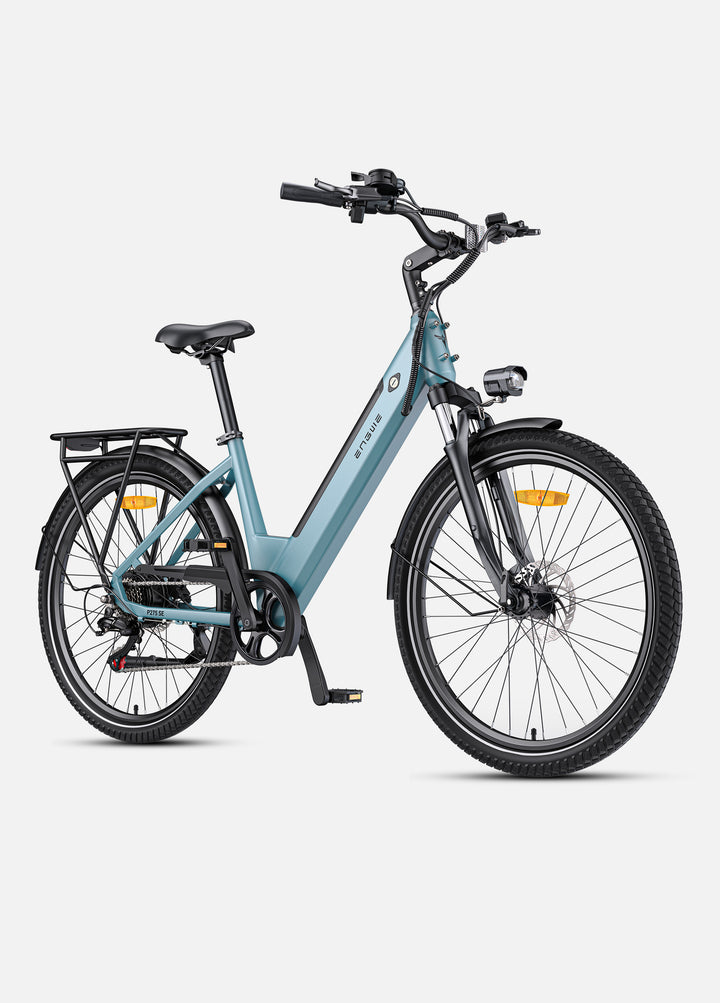
ENGWE P275 ST
The ENGWE P275 ST is designed more like a road or commuter bike. It has a step-through frame that makes getting on and off very easy, especially in city traffic. With its 27.5-inch wheels, mid-drive motor, and Shimano 9-speed gears, it feels smooth and efficient on longer road rides.
The seatpost and handlebar height can be changed, so different riders can set it up for comfort. This makes it ideal for everyday commuting, fitness riding, or relaxed cruising.

Final Thoughts – Getting the Perfect Bike Fit
Choosing the right bike frame sizes is more than numbers; it’s about comfort, safety, and enjoying every ride. A frame that fits well reduces pain, improves balance, and makes pedaling smoother.
The easiest way to find your size is by measuring your inseam and matching it to a reliable bike frame size chart. This works for standard bikes and e-bikes alike.
If you’re unsure, remember: measure carefully, use a reliable chart, and look for bikes that allow adjustments. With the right fit, every journey becomes safer, more relaxed, and more fun. Explore ENGWE’s flexible ebike options and find the model that matches your style and size.
Frequently Asked Questions
What is the best folding e bike for commuting?
The best folding e bike for commuting is one that folds fast, is light to carry, and adjusts for different riders. Compact models like the ENGWE P20 folding ebike quickly and suit many rider heights.
How heavy is the lightest folding ebike?
The lightest folding ebike is usually between 12–13 kg. For example, the ADO Air Carbon is one of the lightest options, making it very easy to lift onto trains or carry upstairs.
Are foldable e-bikes allowed on trains?
Yes, foldable e-bikes are allowed on trains when folded. Most European train operators accept them as normal luggage, but always check your country’s rail policy for exact size or bag requirements.
What size bike frame do I need for my height?
The right bike frame size depends on both your height and inseam length. Always use a bike size chart by height and inseam for the most accurate fit. Use a bike size chart by height and inseam for the most accurate fit.