When you buy a bike, the first thing to check is the size. If the bike is too big, you will struggle to control it. If it’s too small, you will feel cramped and uncomfortable. That’s why a bike frame size chart is so important.
Every type of bike, whether it’s a mountain, road, or e-bike frame, follows basic rules for sizing. Getting the right size helps you ride longer, avoid pain, and stay safe on the road or trail.
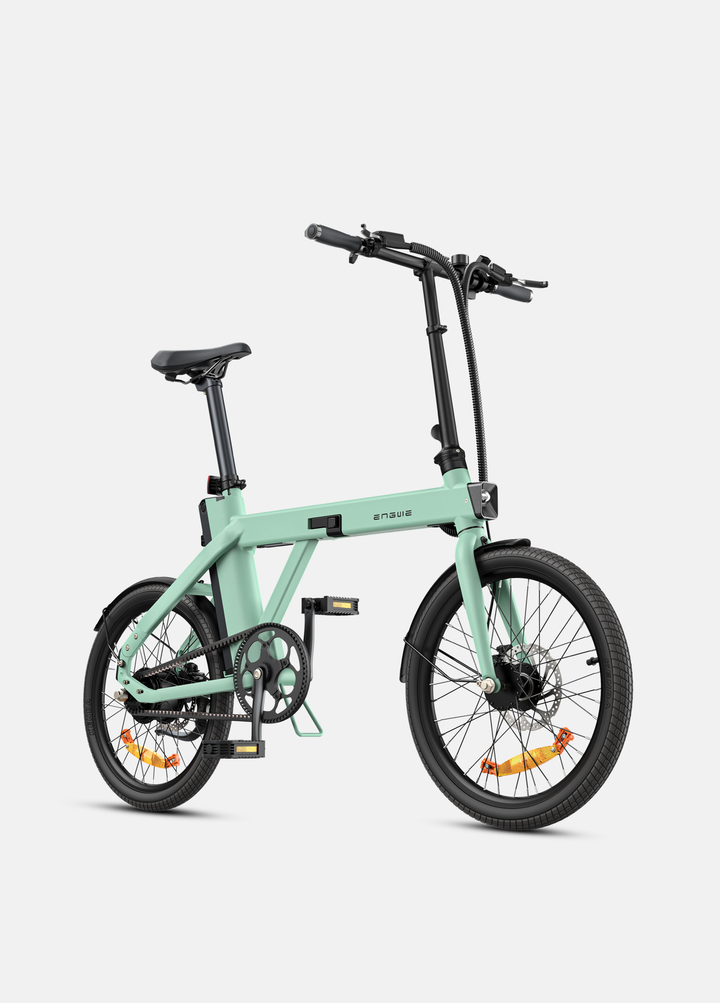
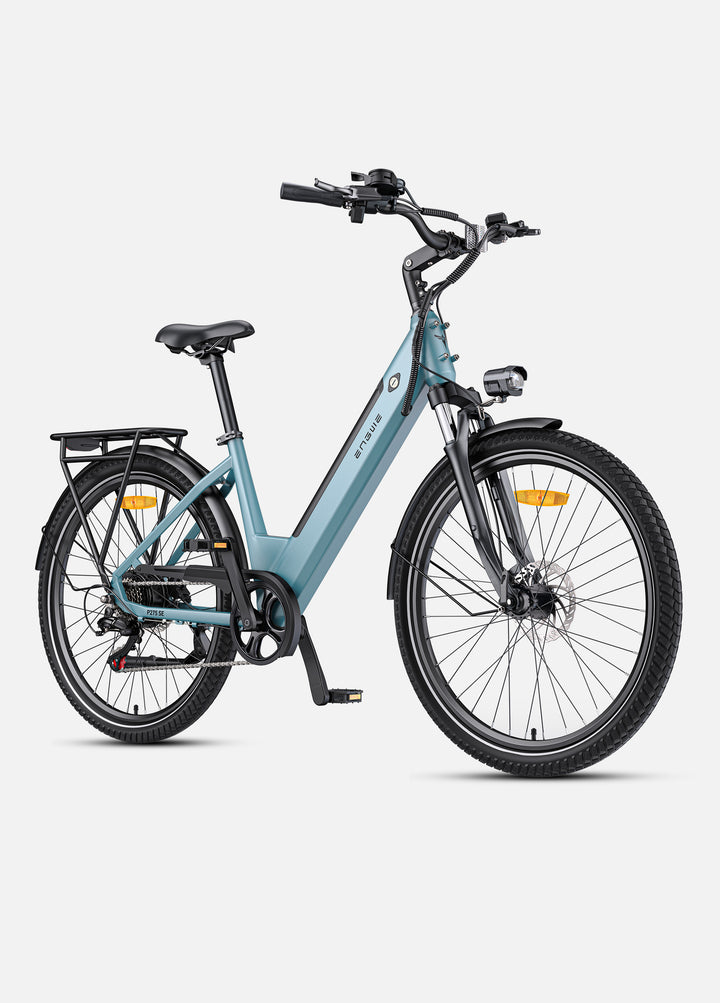
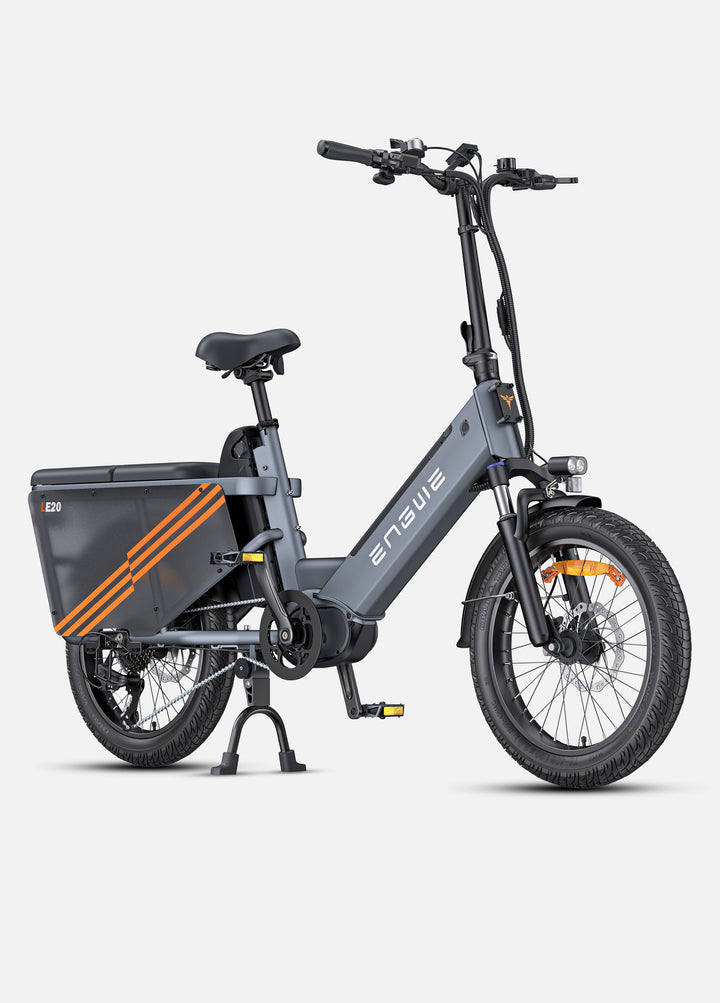
Even modern electric bikes, like an ENGWE ebike, provide clear frame size guides so riders know which option will fit them best. In this guide, you will know how to read a size chart, how to measure yourself, and how to find the perfect fit for your next ride.

Why the Right Frame Size Matters
Choosing the correct bike frame size is one of the most important steps before buying a bicycle or e-bike. The frame size directly affects how safe, comfortable, and efficient your ride will be.
If the frame is too big, you may struggle to place your feet flat on the ground, which makes starting and stopping unsafe. On the other hand, if the frame is too small, your knees and back can feel cramped, often leading to pain or discomfort while pedaling.
Using a frame size chart helps match your height and inseam (leg length) with the correct size. A proper fit gives smoother pedaling, better posture, and less strain on your back, knees, and hands.
Whether you’re checking a mountain bike frame size chart, a road bike frame size chart, or choosing an e bike frame, getting the right size improves balance, control, and power with every pedal stroke.
In the end, the correct frame size makes cycling easier, safer, and more enjoyable, whether you ride daily for commuting or just for fun on weekends.
Understanding a Bike Frame Size Chart
A bike frame size chart is a simple tool that helps riders find the right bike size for their body. The chart usually matches two main measurements: your overall height and your inseam (the length from the ground to the top of your inner leg). These numbers are compared with the bike’s frame size to see what will fit best.
The frame size itself is measured from the center of the bottom bracket (where the pedals connect) up to the top of the seat tube. Charts normally list this measurement in centimeters or inches.
It’s also important to note that different bikes have different sizing systems. A mountain bike frame size chart is built for off-road handling and will not match a road bike frame size chart, which focuses on speed and a stretched-out riding posture. This is why checking the correct chart for your bike type is always the first step before buying.

Mountain Bike Frame Size Chart
Mountain bikes are built for control on trails, dirt, and uneven ground. Their frames are shorter to give quick handling and stability.
Example Mountain Bike Frame Size Chart
|
Rider Height |
MTB Frame Size (inches) |
MTB Frame Size (cm) |
|
150–160 cm |
14–15" (Small) |
35–38 cm |
|
161–170 cm |
16–17" (Medium) |
40–43 cm |
|
171–180 cm |
17–18" (Medium-Large) |
43–46 cm |
|
181–190 cm |
19–20" (Large) |
48–50 cm |
|
191–200 cm |
21–22" (Extra Large) |
53–56 cm |
For example, a rider who is 175 cm tall will typically fit a 17-inch mountain bike frame. This size ensures enough leg extension for efficient pedaling while maintaining maneuverability on trails.
Many e-MTBs, like the ENGWE Engine X, come with adjustable seatposts. This allows riders in the middle of two sizes to fine-tune their fit. Always check a mountain bike frame size chart if you plan to ride off-road.

Road Bike Frame Size Chart
Road bikes are designed for speed and efficiency, featuring longer and slimmer frames that allow riders to lean forward into an aerodynamic position.
Example Road Bike Frame Size Chart
|
Rider Height |
Road Bike Frame Size (cm) |
Road Bike Frame Size (inches) |
|
150–160 cm |
48–50 cm |
18–19" |
|
161–170 cm |
52–54 cm |
20–21" |
|
171–180 cm |
54–56 cm |
21–22" |
|
181–190 cm |
56–58 cm |
22–23" |
|
191–200 cm |
60–62 cm |
24–25" |
For instance, a rider who is 180 cm tall will usually fit a 56 cm road bike frame. This size enables a comfortable reach, helping the rider stretch forward without straining their back.
Some modern electric bikes, such as lightweight city ebikes with carbon frames, follow similar road bike frame sizing principles. This makes them a great choice for riders seeking both comfort and speed.
When selecting a racing bike, keep in mind that the racing bike's frame size chart closely resembles the road bike chart but focuses more on lightweight frames and an aggressive riding position.
Choosing a new bike is exciting, but getting the right size is crucial. The wrong fit not only affects comfort but can also be a safety hazard. Use this simple calculator below—just enter your height and inseam to get a quick estimate of the right frame size for you, making your choice easier.
How to Measure a Bike Frame (Step-by-Step)
Before consulting a size chart, you can measure your bike frame size at home with these simple steps:
1. Measure your inseam
-
Stand barefoot with your back against a wall.
-
Place a book or similar flat object between your legs, pressing it firmly up against your crotch.
-
Measure the distance from the floor to the top edge of the book. This measurement is your inseam length.
2. Check standover clearance
-
When standing over a bike, there should be about 2 to 3 cm of clearance between your body and the top tube for comfort and safety.
3. Use simple sizing formulas
-
For a road bike, multiply your inseam by 0.65 to get the ideal frame size in centimeters.
-
For a mountain bike, multiply your inseam by 0.57 to find the appropriate frame size in centimeters.
4. Confirm with a bike frame size chart
-
Finally, cross-check your calculated size with a detailed bike frame size chart to find the best fit.
That’s the straightforward answer to the question: how to measure a bike frame size using a chart: measure your inseam, apply the formula, and verify the size using a chart.

Frame Size Made Simple: Choose the Right Ebike for Your Height
A bike frame size chart matches your height to the right frame, making rides safer and more comfortable. With adjustable parts, today’s ebikes fit many riders easily. Let’s look at a few examples to see how different frames fit real riders.
ENGWE N1 AIR – Lightweight City and Road Hybrid
The ENGWE N1 Air is built with a strong yet light carbon e bike frame, making it one of the easiest bikes to lift and handle. It feels like a road bike but has the comfort of an electric city model. This makes it great for commuting, longer city rides, or anyone who values speed with comfort.
Features:
-
15.6 kg ultra-light frame
-
100 km range on pedal assist
-
250W rear hub motor (EU legal)
-
Shimano 7-speed gears
-
Reliable disc brakes
-
Removable Samsung battery with GPS tracking
Best Fit: Suits riders from 160 to 190 cm. The adjustable seat and handlebars make it flexible for both shorter and taller riders.
In a road bike frame size chart, a rider around 170 cm tall will typically fit a 17-inch mountain bike frame or a 54 cm road bike frame. This ebike covers this range with easy adjustments.


ENGWE T14 – Compact Folding Electric Mini Bike
The ENGWE T14 is a small electric bike designed for quick city trips and short daily rides. It is part of what many call folding electric cycles, practical for people with limited storage. Despite its small frame, it rides smoothly thanks to multiple shock absorbers.
Features:
-
250W hub motor, EU compliant
-
22.7 kg weight, easy to fold and store
-
Range: 25 km in electric mode, up to 42 km with pedal assist
-
Fold size: 79×47×73 cm, compact enough for car trunks or small flats
-
Multi-suspension for smoother rides
-
14-inch wheels for stability on city streets
Best Fit: Works well for riders from 145 to 175 cm, which includes teenagers, students, and shorter adults.
In a frame size bike chart, a rider around 160 cm tall usually needs a small frame. This makes this simple with its fold-up design and adjustable seat height.

Conclusion
Choosing the right bike frame size is one of the most important steps before buying. A proper fit improves comfort, keeps your posture safe, and helps you ride longer without pain. Always start by measuring your inseam and matching it with a bike frame size chart.
Stand over the bike to check clearance and adjust the seat and handlebars if needed. Whether you’re checking a mountain bike frame size chart, a road bike frame size chart, or choosing an ENGWE ebike with a fold-up design, the correct frame size ensures every ride is smoother, safer, and more enjoyable.
Frequently Asked Questions
What is the best way to use a bike frame size chart?
The best way to use a bike frame size chart is to measure your height and inseam, match them with the chart, and if possible, test ride to confirm the fit.
What’s the difference between MTB and road bike charts?
The difference between a mountain bike frame size chart and a road bike frame size chart is that MTB frames are smaller for control, while road bike frames are longer for speed and posture.
Do e-bikes use the same frame size charts?
Yes, e bike frames use the same frame size charts as normal bicycles. You can match your inseam and height to the chart to find the right fit.
What if I’m between two sizes?
If you are between two sizes on a frame size bike chart, choose the smaller size for better control or the larger size for relaxed comfort.