The Confidence Quest: A Deep Dive into Rad Power Bikes
When you Google “RadRover e-bike review,” you’re not just looking for a list of specs. You are on a confidence quest. You are wondering if Rad Power Bikes, a giant of the direct-to-consumer electric bike industry, makes a machine that’s right for your life, your commute, your adventures. You’re asking: Is this a reliable brand? Does this particular one, the RadRover, live up to its billing? And, is it a good investment for my money? That very question is what this extensive review aims to address. We will go deep into the Rad Power Bikes world of bike riding, look at their most popular models through the eyes of a ‘non-big brand' real-world experience, and give you the information you need to make a choice that feels like the beginning of the journey, not just another purchase.
Before we concentrate on a single model, let’s take an overview of what Rad Power Bikes has to offer. There is a different model for every kind of rider, and viewing the full lineup helps put the RadRover in perspective. The brand has a bike tailored for every need, whether summiting the biggest peak or running the smallest errand. Here they are, the current family:
RadRover Series
(Our flagship fat tire all-terrain e-bike)
RadRunner Series
(The all-in-one versatile and custom utility e-bike)
RadCity Series
(The comfortable and capable commuter)
RadWagon Series
(The ultimate electric cargo bike for carrying)
RadExpand Series
(The folding fat tire e-bike that fits in the car)
RadTrike
(The stable & accessible electric tricycle)
The Ride: A Real-World Review of Rad's Most Popular Models
Anyway, let’s cut to the chase: the ride. You can only learn so much from a spec sheet; the real proof is how an electric bike feels beneath you. We take a closer look at three of the most popular Rad models and emphasize the experience — the sights, sounds, and sensations — of ownership.
The RadRover 6 Plus: The Two-Wheeled SUV
The bike that probably got you here, the RadRover 6 Plus, sure doesn't disappoint. It makes its presence known from the time you throw your leg over it. This is a substantial machine. Immediately, those four-inch fat tires stabilize you and make you feel invincible. When you ride on pavement, you feel like you’re hovering, the tires sucking up small bumps and cracks amid a damped hum. But it really comes into its own when you get off the tarmac. The RadRover sings on gravel paths or packed dirt trails. Its front suspension fork takes the edge off light bumps, so you can take the path less traveled and still stay comfortable along the way.
The 750W gear hub gives an adrenaline rush of power which is truly exciting. Opening the throttle from a dead stop sends a satisfying straight-line shove to get the bike’s tremendous weight in motion. When you're going up hills, you can sense the motor is matching and working with you, and it makes uphill struggles a doddle – and sometimes even fun. The seating position is bolt upright and the rider's command view of everything around manages to fill you up with pride. It moves less like a bicycle and more like a sporty, two-wheeled SUV. The plus model’s hydraulic disc brakes are a big step up, delivering powerful and confident stops for minimal hand effort, especially important for a bike that’s at once this large and this fast.
The RadRunner 3 Plus: The Pickup Truck
And then there’s the RadRunner 3 Plus, the brand’s king of utility. While the RadRover is an SUV, the RadRunner is a pickup truck. What really sets it apart is how much it can be customized. Riding solo, its peanut tank, deep front fender, low-slung frame, and moped-style bench seat offer a sweet piece of the urban street; a motorcycle pairing, pure and simple. The smaller 20-inch wheels make it feel nippy and ready to dart off at the slightest push of the accelerator around town, ideal for nipping in and out of traffic or around tight corners.
But it is adding accessories where you really make some magic. With the passenger package equipped, taking a friend for a ride feels surprisingly good and stable. Equipped with a front and rear rack, it turns into a grocery-hauling beast. It’s possible to tell how solid the frame is, even when it is weighed down. The motor feels as powerful as the RadRover’s, with more than enough torque to start a fully loaded bike from a standstill without hard effort. It is a bike that makes you want to find a reason to ride, whether it’s to grab a cup of coffee, pick something up at the hardware store, or just take a leisurely spin to the farmers’ market. It’s a utilitarian device that so happens to be a ton of fun to ride.
The RadCity 5 Plus: The Refined Commuter
Last of all, here is the RadCity 5 Plus, the true commuter. This bike feels honed and fit for urban life. It’s a smoother, quieter ride than its fat-tire siblings. The thinner, quicker-rolling tires move with less resistance, and the swept-back handlebars and ergonomic grips encourage an upright, comfortable position that’s perfect for long rides. From the saddle, these facts don’t register: what you see is a package done right. It’s included here with all the commuter essentials: heavy-duty full-coverage fenders that keep you dry, a strong rear rack for your panniers or work bag, and built-in front and rear lights that are powered off the main battery.
The motor delivery is slick and smooth, feeling like it’s tuned for urban commuting first and foremost, and this is also its best asset for tackling clogged arteries. The semi-integrated battery design allows it to maintain a clean, modern profile that doesn't immediately say "electric bike" when looking at the frame. Riding this bicycle feels efficient and smart; it’s a bike built to efficiently replace a car on your daily commute, saving you the hassle in traffic and making the morning ride to work the best part of your day.

Before You Buy: Key Considerations for a Rad Power Bike
Picking the perfect e-bike model is more than just choosing the one with the best motor or the fattest tires. It’s how the bike fits into your life. But before you break open your wallet, there’s more to owning a Rad Power Bike than what we’ve discussed above.
1. Consider Your Primary Purpose
First, consider your most common use case. Are you an adventurous cyclist, yearning for trails and dirt roads? The RadRover is the obvious choice. Does your lifestyle revolve around town, errands, and require a flexible hauler? The RadRunner is your workhorse. Do you need a convenient and solid way to commute to work? The RadCity is built for you. Be real with how you will use the bike 90% of the time.
2. Assembly and Maintenance
Second, let’s talk about the mechanics of a direct-to-consumer brand. The bike will come in a big box, and you have to put the thing together. Although Rad provides clear directions and video tutorials, it helps if you know your way around tools and equipment. And do consider maintenance too. Are you capable of doing a simple tune-up yourself, or do you know a nearby bike shop that will work on DTC e-bikes?
3. The Weight Factor
Third and most important of all, these bikes are heavy. A RadRover 6 Plus alone tips the scale at more than 70 pounds. If you live in a third-floor walk-up apartment with no elevator, this is a huge thing to consider. Consider where you’ll be stashing it and if you ever need to lift it onto a car rack.
4. The Rad Ecosystem
Finally, explore the Rad ecosystem. One of the brand’s best qualities is its enormous selection of first-party accessories that are meant to fit their bikes perfectly, including everything from racks and bags to a passenger seat to a phone mount. This gives you the chance to really tailor your bike for your requirements – something lacking in a lot of other brands.
A Look at the Competition: ENGWE
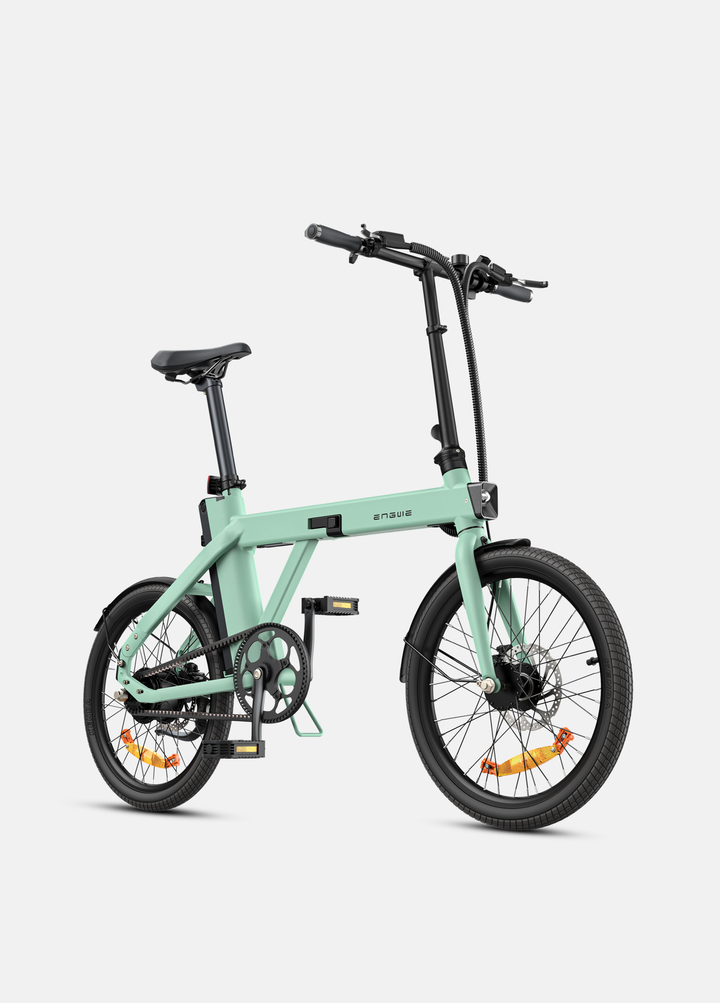
And while you look at all the fine ones from Rad, it’s also smart for a smart shopper to know about the competition, especially when other brands are really upping the ante in tech and style. One of those brands is ENGWE, which has been widely recognized for manufacturing high-end, powerful, feature-rich, and extremely adaptable electric bikes. One of the top models that you need to look at is the ENGWE EP-2 Boost. This foldable e-bike is a master of meeting the needs of today's rider. Its specifications include a 250W brushless EU-legal motor, but the real star of the show is the Boost button, which enables you to engage an extra 55 N.m of torque when you really need it, turning hill climbs into child’s play. What really elevates it, however, is its high-performance torque sensor, a component that delivers one of the smoothest and most effective pedal-assist experiences I’ve ever encountered and gives the bike the feel of reacting to your own superhuman power. The EP-2 Boost is designed for all conditions with its tough 20 x 4.0 fat tires on maintenance-free one-piece wheels, providing fantastic stability on the asphalt or loose terrain. Powering it is a big and powerful 48V 13Ah lithium-ion battery that comes in a relatively lightweight package and has an impressive travel distance of 120 km per charge, helping you forget about range anxiety. Safety is not an afterthought; stopping power is provided by powerful 180mm dual disc brakes. Its genius is practicality; the whole bike collapses into a compact form that’s ideal for anyone with limited storage space or who wants to take their bike on public transportation or in the boot of a car. For the rider that wants a combination of power, portability, advanced sensor technology, and insane range, the ENGWE EP-2 Boost is an extremely compelling and inventive choice.

So you can better see how Rad's own bikes line up on paper, here are all of their most popular models in a table, compared for your convenience. You’ll be able to see at a glance how they compare to one another on the metrics that are most meaningful:
| Feature | RadRover 6 Plus | RadRunner 3 Plus | RadCity 5 Plus |
|---|---|---|---|
| Primary Use | All-Terrain Adventure | Utility & Versatility | On-Road Versatility |
| Motor | 750W Geared Hub Motor | 750W Geared Hub Motor | 750W Geared Hub Motor |
| Battery | 48V 14Ah (672Wh) | 48V 14Ah (672Wh) | 48V 14Ah (672Wh) |
| Estimated Min Range | 25 Miles (40 km) | 25 Miles (40 km) | 28 Miles (45 km) |
| Top Speed | 20 mph (32 km/h) | 20 mph (32 km/h) | 20 mph (32 km/h) |
| Tires | 26" x 4" | 20" x 3.3" Multi-Terrain | 27.5" x 2.0" Commuter Tires |
| Brakes | Hydraulic Disc Brakes | Hydraulic Disc Brakes | Hydraulic Disc Brakes |
| Bike Weight | 73.4 lb (33.3 kg) | 75 lb (34 kg) | ~65 lb (29.5 kg) |
| Key Feature | Fat tires for any surface | Insane level of customization | Fully equipped for commuting |

Frequently Asked Questions
And last but not least, we’ll tackle the questions you, the prospective buyers, are asking. These are the questions that are asked over and over again, and getting definitive answers to them can be the last hurdle you need to clear before you feel comfortable with your decision.
How hard is it to put together a Rad Power Bike at home?
That's a very typical fear. Rad Power Bikes come around 85% assembled. The biggest elements of the bike, including the frame, rear wheel, motor, and drivetrain, are already there. Your task is to install the handlebars, front wheel, pedals, and saddle. Rad provides a toolkit with the essentials, and the provided printed instructions and online tutorials are super (I'm a complete klutz) friendly. For the relatively confident and the able to follow instructions, it’s generally a process that requires between 60 and 90 minutes. However, if you are not mechanically-minded, it can be an exasperating process. In that event, it’s best to budget for a local bike shop or mobile mechanic to do the assembly for you, to ensure everything is safe and tuned properly.
What sort of range can I expect in real life?
The advertised range (for example, 25-45 miles) is an estimate that is based on perfect conditions: a flat surface, a 180-pound rider, and riding with a low level of pedal assist. Your mileage will vary massively, depending on a few factors. Riding on hilly terrain, using the throttle a lot, using a higher level of pedal assist, carrying heavy cargo, or riding into the wind — all those things will cut your range. On the other hand, you can make it last longer if you skip the high pedal-assist level and pedal a little bit yourself. The majority of owners claim to attain a dependable 25-30 miles from a full charge on mixed-use, and this is comfortably sufficient for those commuting around town on a daily basis or for casual riding. You should regard the advertised range as the maximum rather than the average distance you’ll be able to travel.
Are Rad Power Bikes heavy, and does it matter?
Yes, they’re heavy; there’s no question compared to non-electric bikes. Both the RadRover and the RadRunner models are up to about 75 pounds. This heft comes from the strong frame, big battery, and substantial motor. On the road, the weight isn't a disadvantage; in fact, it gives you a sense of groundedness and stability. Where that weight counts is off the bike. This could be a dealbreaker if, say, you have to lug your e-bike up a flight of stairs to your apartment each day. If you intend to carry it on a car rack, you need to make sure you have a rack that is rated for the e-bike’s weight and one you can lift safely. The weight is not necessarily a problem for anyone who keeps their bike in a garage on the first floor.
Can I ride my Rad Power Bike in the rain?
Rad Power Bikes are water-resistant, not waterproof. This means that these bikes can handle being ridden in light to moderate rain without any issues. The electrical parts, including the battery and the controller, are sealed to prevent splashes and rain. However, you must not immerse the bike in water, leave it in heavy rain showers for long periods, or directly spray it with a high-pressure washer. You’ll want to clean the bike with a dry cloth after riding in the rain. Use a soft brush for dirty parts, especially the chain, and wipe the electrical connection points to prevent corrosion.
Rad Hub Motor vs. Mid-Drive Motor?
This is a great technical query. Rad Power Bikes only use geared hub motors, which are located in the hub of the rear wheel. Hub motors are known for their efficiency, performance, and affordability. They give a sensation of “pushing” and operate independently of your pedaling, which is why throttles are so powerful. A mid-drive motor, on the other hand, is mounted at the center of the bike, in line with the pedals. It transmits power directly to the drivetrain (chain and gears). This allows for a more realistic-feeling ride, better weight distribution, and better climbing ability as it can make use of the bike's gears. Mid-drive systems, however, are more complicated, more expensive, and can create more wear and tear on the chain and the cassette. For the cost and kind of riding Rad bikes are geared toward — power and utility — the hub motor is a durable and efficient choice.
In the end, selecting the proper Rad Power Bike model comes down to identifying the tool that best unlocks the freedom and fun you’re in pursuit of.