Choosing the right bike for your child can feel tricky. If the bike is too big, they cannot control it safely. If it is too small, they will quickly outgrow it and feel uncomfortable. That’s why many parents search for a kids bike size chart by age and height before buying.
This guide provides a clear breakdown of kids' bike size chart options, explains how to measure your child, and demonstrates how to use both bike size chart kids tables and bike size chart by height kids references. You’ll also see examples for kids mountain bike size chart and even guidance for 8 year old bike size.

What Is A Kids Bike Size Chart?
A kids bike size chart maps rider height and inseam to a recommended wheel size. Kids’ bikes are sized by wheel diameter (12", 14", 16", 18", 20", 24", 26"). As wheels grow, frames and reach grow too.
Age can help, but height is better. Children grow at different rates. That’s why a bike size chart by height kids gives more accurate picks than age alone. Use height first, then confirm with inseam. And also use this kids bike sizes chart together with our kids bike size chart by age and height to confirm the best wheel choice.
How to Measure Your Child
Before you look at a kids bike size chart, you need two quick measurements. This makes sure the bike is safe and comfortable for your child. All you need is a flat wall, a sturdy book, and a tape measure.
Measuring Height
Ask your child to stand straight against a wall without shoes. Mark the highest point of the head with a pencil or a piece of tape. Now measure from the floor up to the mark. This height number will help you match the right wheel size in a bike size chart for kids.
Measuring Inseam
The inseam shows how long the legs are, which is just as important as height. Place a book gently between your child’s legs so it rests against the crotch like a bike seat. Measure from the floor up to the top edge of the book.
This inseam length tells you if your child can touch the ground while seated and confirms the right bike length for height.
With these two numbers, height and inseam, you can check any bike size chart by height kids and know exactly which wheel size will fit best.
Kids Bike Size Chart by Age and Height
Picking the right bike for your child starts with body size, not just age. The chart below matches age, height, and inseam to the correct wheel size. Use it as a safe guide before buying. With height and inseam ready, the bike size chart kids table becomes simple to read and apply at the store or online.
|
Age (yrs) |
Height (cm) |
Inseam (cm) |
Wheel Size |
Notes |
|
2–3 |
85–100 |
30–40 |
12" |
Best for balance bikes or very first pedal bikes. Kids should easily touch the ground. |
|
3–4 |
95–110 |
40–45 |
14" |
Suits early riders. Training wheels are often used at this stage. |
|
4–5 |
105–120 |
45–50 |
16" |
Common first “big kid” bike size. Provides more stability and control. |
|
5–7 |
115–130 |
50–55 |
18–20" |
Choose based on height and riding confidence. |
|
7–9 |
125–140 |
55–65 |
20" |
Great fit for most 8 year old bike size needs. |
|
9–11 |
135–150 |
60–70 |
24" |
Larger wheels with gears for longer rides. |
|
11–14 |
145–160 |
65–75 |
26" |
Transition size for teens; close to small adult bikes. |
This bike size chart for kids is only a starting point. Brands may differ slightly, so always check your child’s inseam and standover height before choosing.
Between sizes?
-
Pick the smaller wheel size for easier handling and quicker learning.
- Pick the larger wheel size if your child already rides confidently and you want extra growing room.
Push Bikes and Balance Bikes: What Size Push Bike Do I Need?
A push bike, also called a balance bike, is the first step before learning pedals. It helps children practice balance and steering without the distraction of pedaling. The most important thing is that your child can sit comfortably on the saddle and place both feet flat on the ground.
For most toddlers, a 12-inch wheel bike is the best starting point. This size is small, light, and easy to control. If your child is smaller than average, check the lowest saddle height carefully the saddle should still match their inseam so they can push with confidence.
If your child is taller for their age or ready to move faster, you can look at a 14-inch balance bike. Some of these bikes can also be fitted with simple pedals later, giving you more value and longer use.
When asking what size push bike do I need, always measure the inseam first. The saddle at its lowest point should be equal to or slightly less than the inseam. This guarantees that your child can stop safely, learn faster, and ride with confidence.

8 Year Old Bike Size
At around eight years old, most children ride well enough for a 20-inch wheel bike. This size usually offers good control while still being light enough to handle.
If your child measures 125–140 cm in height, a 20" wheel is almost always the right choice. Children who are a bit taller, closer to 135–150 cm, may benefit from a 24-inch bike, especially if they are growing quickly or already confident riders.
For kids who are still cautious, sticking with a 20" bike makes learning easier. The smaller wheel keeps the bike lighter, helps with balance, and gives better stopping control.
Looking at both age and height together keeps 8 year old bike size choices simple and avoids trial-and-error guessing.

Kids Mountain Bike Size Chart
Mountain bikes for children are built for rougher ground, so they usually have wider tires, stronger brakes, and sometimes suspension in the fork. Even with these extras, the most important part of fit is still the child’s height and inseam.
Here is a clear kids mountain bike size chart you can use:
|
Height (cm) |
Wheel Size |
MTB Fit Note |
|
115–130 |
20" |
Compact and easy to control. Good for early trail practice. |
|
125–140 |
20"–24" |
Decide based on rider skill and the type of trails. |
|
135–150 |
24" |
Larger wheels handle bumps better and usually include gears. |
|
145–160 |
26" |
Suitable for teens; these sizes are close to small adult MTBs. |
When using this kids bike size chart by height, think about where your child will ride. A smaller wheel is better for narrow paths, sharp turns, and younger riders who need extra balance. Larger wheels are more stable for gravel tracks or longer off-road rides.
This way, you can match the kids mountain bike size chart to both your child’s body size and the type of riding they will do.
Choosing a new bike is exciting, but getting the right size is crucial. The wrong fit not only affects comfort but can also be a safety hazard. Use this simple calculator below—just enter your height and inseam to get a quick estimate of the right frame size for you, making your choice easier.
How Kids’ Sizing Differs from Adult Sizing
Children’s bikes are sized by wheel diameter (12", 14", 16", up to 26"). This makes it easier for parents to match a bike quickly using a kids bike size chart by age and height.
Adult bikes, on the other hand, are sized by the frame length, usually shown in centimeters or inches. That’s why you’ll often see a bike frame size chart for adults instead of wheel charts.
When a child grows tall enough to ride a 26-inch wheel bike, they are close to small adult frames. At that stage, you should look not only at wheel size but also at standover height, reach, and handlebar position.
In simple terms:
- Kids’ bikes = wheel size first
- Adult bikes = frame size and full geometry
Using wheel size works until your child moves to 26". After that, treat them like an adult rider and compare numbers with a bike frame size chart for accuracy.
Teen Riders and Ebikes: 3 Best Options
For taller kids stepping into their first engwe electric bike, sizing still follows the same rules, match height and inseam to the model’s fit range.
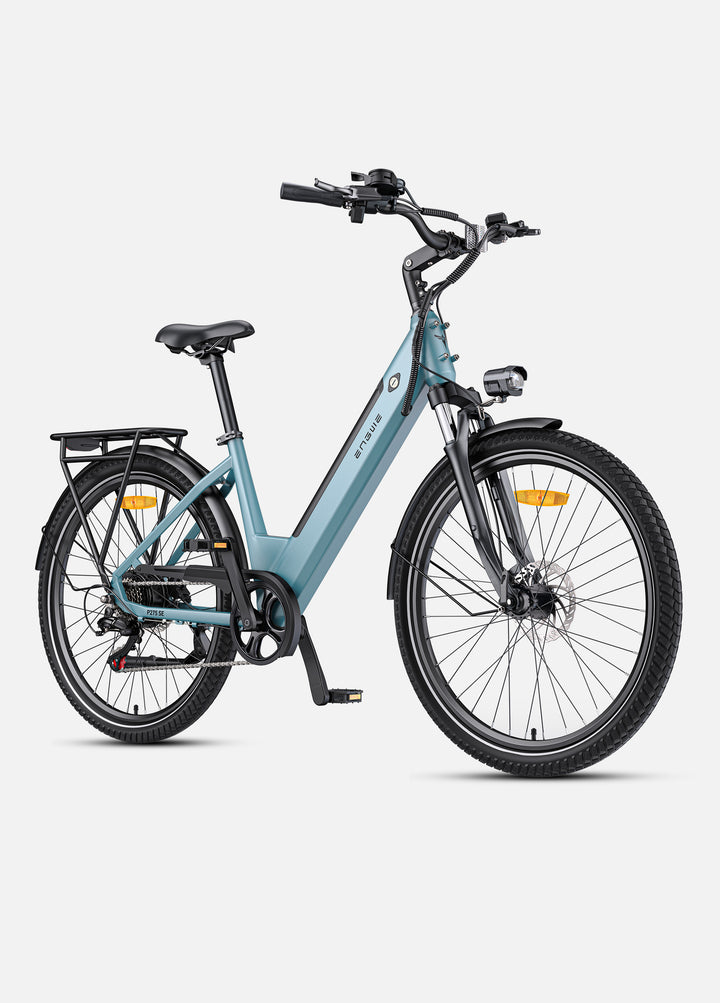
The ENGWE P275 SE is a light commuter bike built for teens between 5.1 and 6.1 ft tall. It uses a smart torque sensor for smooth pedal assist and offers up to 100 km on one charge, making it ideal for daily school rides or short trips in the city.

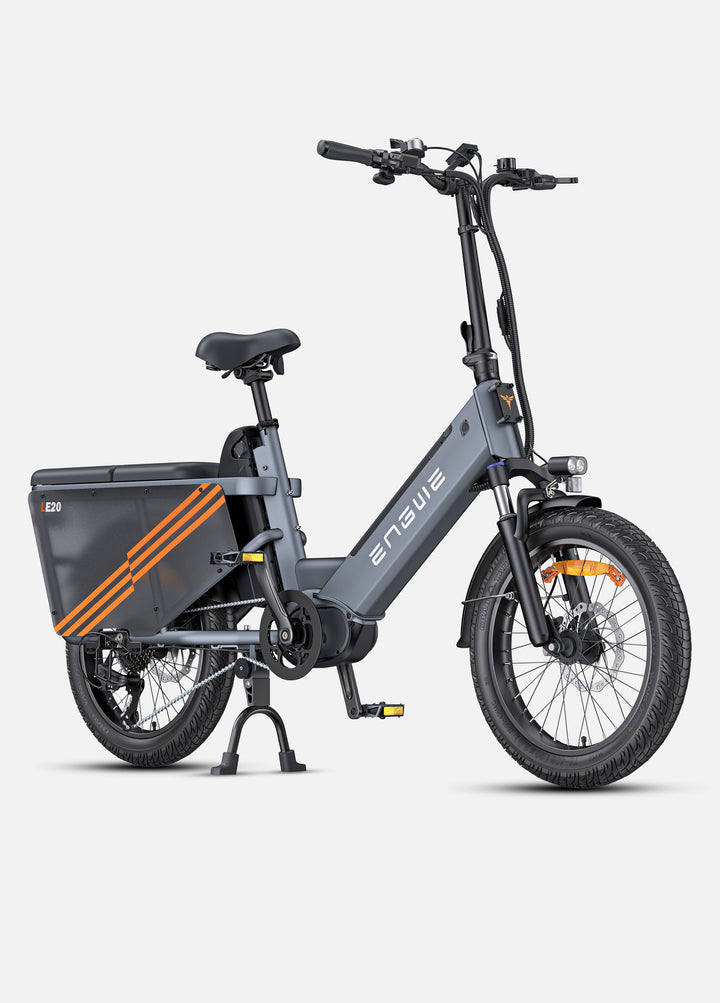
The ENGWE L20 3.0 Pro is a compact full-suspension model for riders 5.1 to 6.3 ft. With a strong mid-drive motor and a 160 km range, it absorbs bumps easily and suits both city streets and weekend paths.

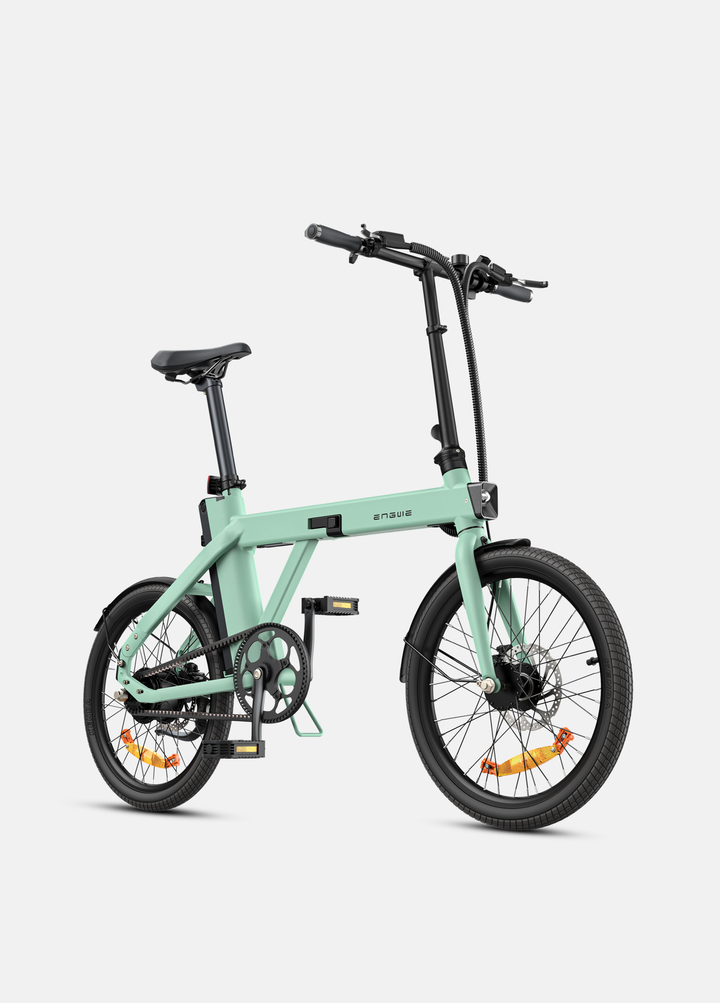
The ENGWE T14 iscompact and foldable with a 250W motor and 48V 10Ah removable battery. Suitable for short to medium rides, supports up to 100 kg, and includes multiple shock absorbers for smoother travel.

Maintenance That Keeps Kids Riding
Regular care makes a big difference in how long a child’s bike lasts and how safe it feels. Parents don’t need special tools — just a few easy checks each month.
Tires: Keep them firm. Soft tires make it harder to ride and wear kids out quickly. Use a pump to keep the right pressure.
Chain: Wipe off dirt and add a little oil. A clean chain pedals smoother and prevents rust.
Brakes: Look at the pads to be sure they are not worn down. Adjust the levers so small hands can squeeze them without struggle.
Bolts and seat: Give the seat, wheels, and handlebar a quick tighten. This prevents wobbles and keeps the bike steady.
Final Thoughts
The easiest way to choose a kids’ bike is by checking both height and inseam with a kids bike size chart. Smaller sizes help new riders gain confidence, while larger ones suit children who are growing quickly.
A few home adjustments to saddle or handlebars keep the fit safe as they get taller. For teens, a lightweight ENGWE ebike can be a good step forward, but the same rule applies, the bike must fit the rider.
Frequently Asked Questions
What are bike sizes for kids?
Kids’ bikes are measured by wheel size, not frame size. Common options are 12", 14", 16", 18", 20", 24", and 26". A kids bike size chart by age and height helps parents choose the correct fit based on both height and inseam.
What age is a 24-inch bike for kids?
A 24-inch bike usually fits children aged 9 to 11, or those between 135–150 cm tall. This size often includes gears, making it suitable for longer rides. Always confirm with a bike size chart for kids and check the inseam for comfort.
What inch bike for a 7 year old?
Most 7-year-olds fit a 20-inch bike. If the child is shorter, an 18" wheel may feel easier to control. Taller kids close to 135 cm might move up to 24". Checking a bike size chart for kids is the safest way to decide.