Kick off every ride with confidence by getting your tire pressure just right. It's a simple way to make your bike more comfortable and fun to ride. This bicycle tire pressure guide covers everything you need to know about getting the perfect tire pressure.
Whether you're a seasoned pro or just starting out, you'll learn why the right PSI matters and which accessories make taking care of your tires easy.
Understanding Bicycle Tire Pressure
Bicycle tire pressure is often ignored, but it plays a key role. Whether you're cruising through city streets or just riding around, keeping the right tire pressure for a bicycle makes a big difference. Lots of riders don’t know that tire pressure for a bicycle can affect rolling resistance and even how likely you are to get a flat tire.
The tire pressure for bicycle is in PSI (pounds per square inch). This number shows how much air is packed into your tire. Every bicycle tire has a recommended PSI range on its sidewall. This range exists because various riding conditions need different pressure levels.
The link between tire pressure and how your bike performs is all about finding the right balance, which can change depending on your bike type, weight, and what you like. Knowing what is the normal tire pressure for a bicycle and figuring out the ideal bicycle tire pressure can totally change your ride.

Tire Pressure Ranges by Bicycle Type
Bikes are designed for different uses, so tire pressure can vary a lot. Figuring out what should bicycle tire pressure be for your bike is the first step to getting it just right.
Road Bicycles and High-Pressure Tires
Road bicycles need the highest tire pressure levels among common bike types. The recommended bicycle tire pressure for road bikes usually ranges from 80 to 130 PSI, with some racers going up to around 160 PSI.
Higher pressure in the road bicycle tire pressure lets those narrow tires glide effortlessly over pavement. This extra pressure means you don’t have to pedal as hard per mile. When you hit about 100 PSI in a road bike tire, it feels super firm and nearly impossible to squeeze.

Mountain Bikes and Lower-Pressure Requirements
Mountain bikes are built for rough trails where too much tire pressure isn’t a good idea. The bicycle tire pressure chart for mountain bikes recommends 30 to 50 PSI. You’ll want lower pressures for off-road trails. Lower pressure lets the tire squish around obstacles, giving better shock absorption. This helps with stability and control, but watch out, as too little pressure can cause pinch flats.

Hybrid and Commuter Bikes
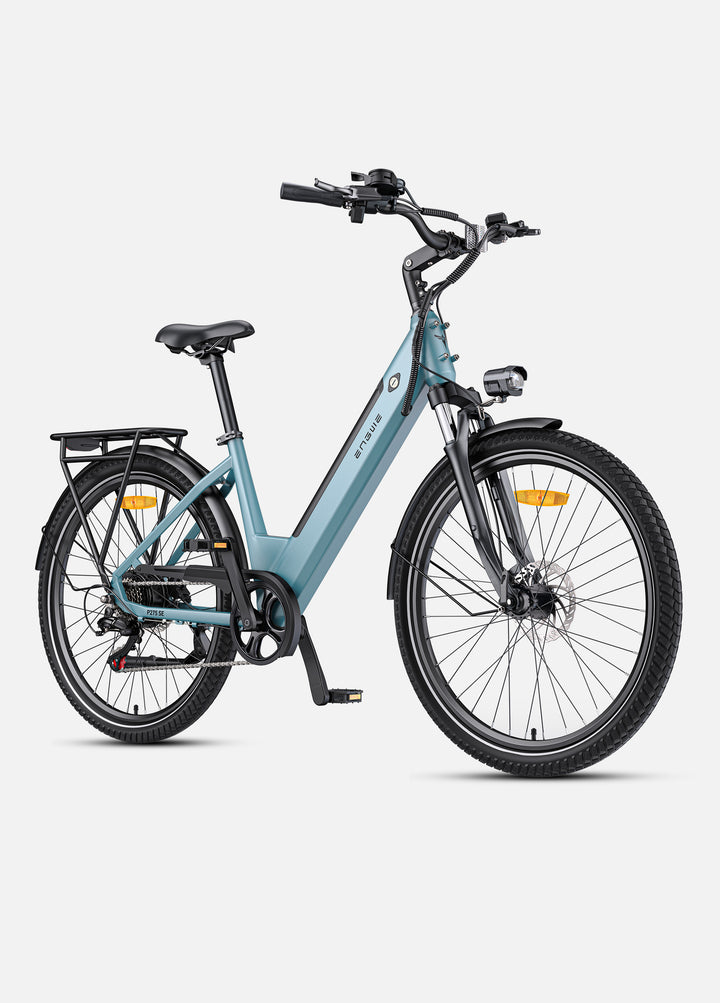
Hybrid bikes are made for versatility on different surfaces. The typical bicycle tire pressure for these rides is between 50 and 70 PSI. This makes hybrid bikes great for those who enjoy both paved paths and light trail rides.

Kids' bikes need way less air pressure - usually between 20 and 40 PSI. The lower pressure gives young riders a more comfortable ride.
How to Measure and Check Bicycle Tire Air Pressure
Getting the theoretical tire pressure for a bicycle doesn’t help much if you can’t measure it. Therefore, a bicycle tire pressure gauge is a must-have for every bike owner. There are different types of these gauges, each with its own pros and cons.
Digital pressure gauges are usually the way to go for cyclists. They make it easy to get your target pressure just right. For most riders, analog gauges with a needle are simple to use and are built to last.
When you're looking for the right tool, think about a bicycle tire pressure calculator. It helps you find your perfect PSI based on your weight and the type of terrain. To use your bicycle tire pressure gauge properly, just attach it to the valve stem and check the reading.
Your target pressure range is just a few checks away. The reading shows the current PSI, and from there, you can inflate or deflate. Some modern pumps make it even easier with built-in gauges.

The Role of Electric Bike Pumps in Modern Cycling
An electric bike pump has some great perks over the old manual pumps. These pumps are super popular with e-bike riders who love the ease of fast tire inflation. An electric air pump for bike use is especially handy if you often need to tweak tire pressure.
Electric bike pump reviews often point out how fast and simple they are to use. Most decent electric pumps can fill a tire from flat to target pressure in just a few minutes. How to use electric bike pump gear is easy. Most models have preset pressure settings for various bike types and come with simple valve attachments.
How to pump bike tires with electric pump involves picking your pressure and letting it do its thing. When checking out electric bike tire pump choices, go for ones with precise gauges and sturdy build. Spending a bit more on good gear really pays off over time.
The ENGWE Portable Smart Air Pump with LCD Display is a great pick in electric bike pump tech. This gadget mixes digital accuracy with easy-to-use features, including an LCD display that shows precise pressure readings.

Building Your Complete Bicycle Maintenance Arsenal
Besides a quality electric bike pump, there are some accessories to help you keep your bicycle tire pressure just right. A solid maintenance kit usually has tire levers for taking off tires, a bicycle tire pressure calculator app, and patch kits.
These accessories team up with your main pumping gear to form a full setup for tire care. Think about a portable tool kit that goes well with your electric air pump for bike use.
A lot of cyclists find it handy to have a main home pump and a lightweight portable one. Compact electric bike pump reviews usually point out portability as a big plus. Some riders also use pressure monitoring accessories that let them know when tire pressure drops below recommended levels.

ENGWE's Commitment to Cyclist Excellence
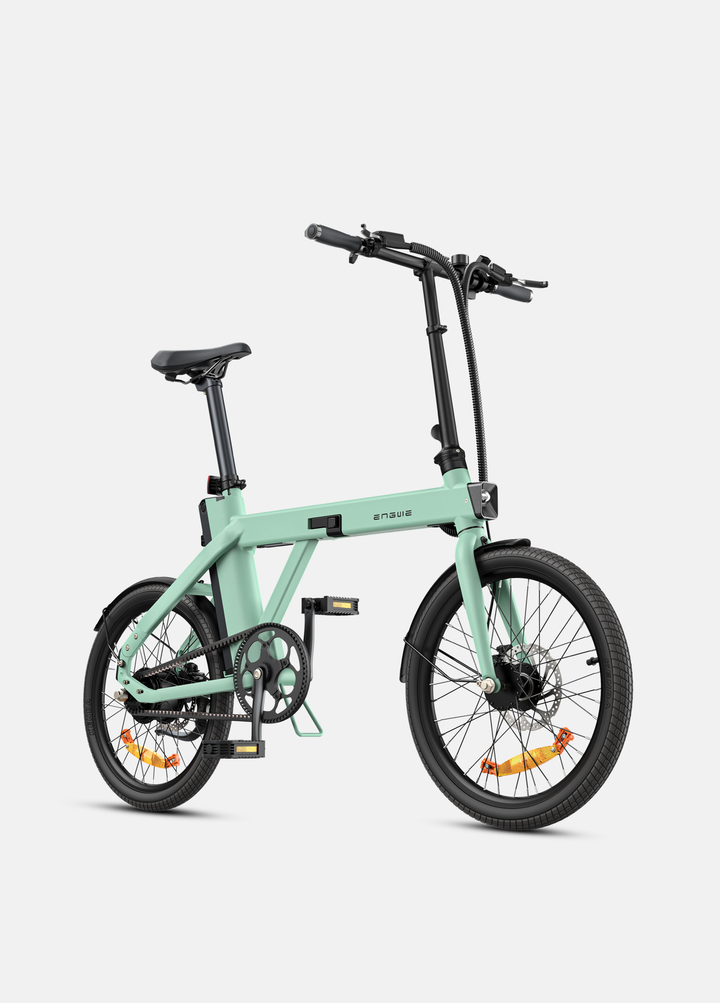
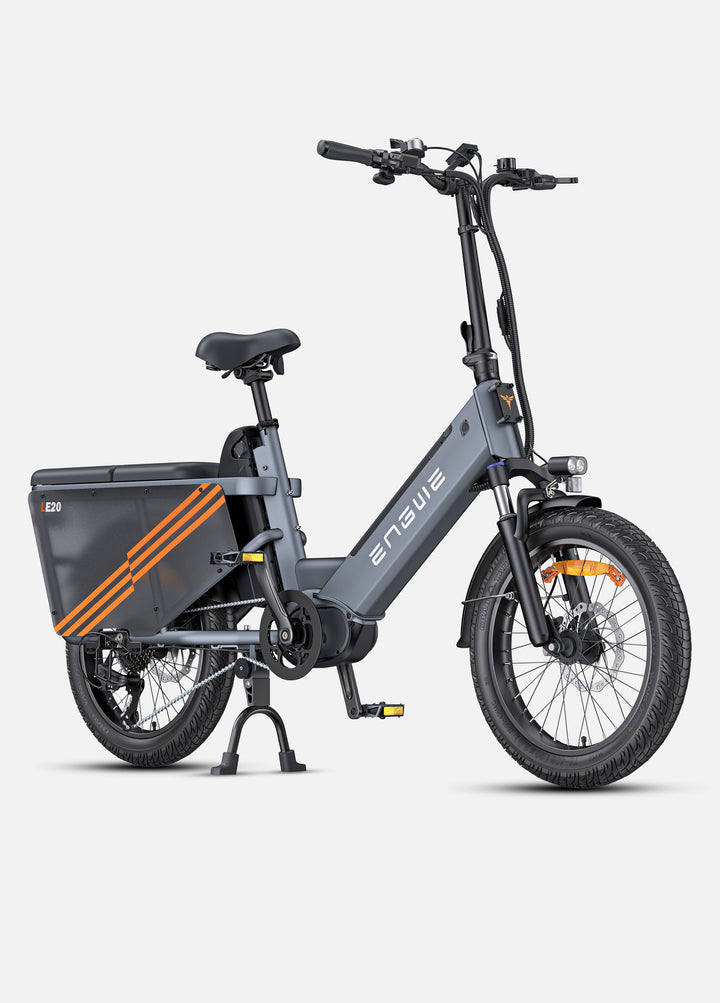
For reliable bikes that handle different conditions well, look into quality electric options. Many cyclists today love brands like ENGWE. The ENGWE L20 3.0 Pro, for example, offers a compact design that excels at electric cycling.
If you're looking for an e-bike that can handle anything, the Engine Pro series from ENGWE is a good choice.

To Sum Up
Getting your bicycle tire pressure just right is a huge maintenance trick. Using either a regular bicycle tire pressure gauge or the ENGWE Portable Smart Air Pump, it's all about keeping the right tire pressure for your bicycle.
Frequently Asked Questions
Q: How much air pressure in a bicycle tire should I add if I don't have a gauge?
A good starting point is the pressure listed on your tire's sidewall. A simple rule of thumb: the tire should be firm but still give a bit when you squeeze it. This works for most casual bikes, but using a pressure gauge is the best way to get it right and avoid damage from over- or underinflation.
Q: What should bicycle tire pressure be if I ride primarily on pavement?
Go for the higher end of your bike's recommended range for better roll and more speed. Most road cyclists ride with 100-120 PSI, while hybrid riders tend to stay around 60-70 PSI, depending on the tire and their weight.
Q: How does temperature affect tire pressure throughout the day?
As the temperature rises, so does your tire pressure - about 1 PSI for every 10 degrees Fahrenheit. You'll notice this on long rides, especially in the morning - your tires might be 5-10 PSI higher by the end of it. Just remember to factor in these seasonal changes and check your pressure often.
Q: Should front and rear tires have different pressure?
Yes, rear tires typically support more weight and benefit from 2-5 PSI higher tire pressure than front tires. Check your tire recommendations, but this adjustment often improves handling and comfort.
Q: Why does my tire pressure drop between rides?
Air slowly leaks out of the tire rubber and valve stems. Tires usually lose 3-5 PSI each month, so it's a good idea to check them before every ride.