Electric bikes are available in different categories, each of which is suitable for a different style of ride, speed limit, or power capacity. If you have ever shopped for an e-bike, you have probably encountered labels such as Class 1 ebike, Class 2 ebike, and Class 3 ebike. They are important to know because they will determine how your bike will function, where you can ride it legally, and what type of performance you can expect.
Whether you're a weekday commuter or a weekend trail rider, being aware of the difference between these ebike classes can assist you in making the perfect decision. You must know all the differences between class 1 vs class 2 ebike before knowing about Class 3. Let's discuss Class 1 vs. Class 3 ebike and determine which one is perfect for your lifestyle.

Understanding ebike Classes (Class 1, 2, and 3)
E-bikes are classified according to how they provide power and the top speed that is assisted. The most used system has ebike Class 1, 2, and 3, and these classes are used extensively throughout Europe and the US.
Class 1 ebike Definition
A Class 1 ebike, or Class 1 electric bike, is an ebike that's pedal-assist-only. This type of bike has the motor only engage when you pedal, and it turns off the assist when you hit 20 mph (32 km/h). It also does not have a throttle, which makes it the most accepted and permitted category on public bike trails and paths.
So, what is a Class 1 ebike?
It's an electric bicycle that offers a natural ride feel, ideal for riders who need support without sacrificing the sensation of conventional pedaling. The Class 1 ebike speed limit provides safety without compromising efficiency for daily riding and light exercising.
Class 2 ebike
A Class 2 ebike introduces a throttle choice, where the rider can move without pedaling. It also has a top limit of 20 mph (32 km/h), like Class 1, but because it applies throttle power, some bike paths do not allow its use. Class 1 vs. Class 2 ebike comparison hinges on how the motor operates, pedal-assist only compared to throttle-assisted.
Class 3 ebike
A Class 3 ebike is the strongest of the three. It provides pedal assist to 28 mph (45 km/h) and usually comes with premium displays, higher motors, and built-in safety features such as lights and hydraulic brakes. Class 3 models are not necessarily permitted on every bike path, however, because they move faster.

Class 1 vs. Class 3 ebike: Key Differences
When Class 1 vs. Class 3 ebike is compared, the primary distinctions are with regard to speed, motor output, and legal use.
|
Feature |
Class 1 ebike |
Class 3 ebike |
|
Motor Assistance |
Pedal-assist only |
Pedal-assist only |
|
Top Speed |
20 mph (32 km/h) |
28 mph (45 km/h) |
|
Throttle |
Not allowed |
Usually not allowed |
|
Legal Access |
Bike paths, trails, and roads |
Roads and some restricted paths |
|
Best For |
Fitness, city commuting, and recreational riding |
Long commutes, faster travel, and advanced riders |
If you like cruisy rides and want easier access to more trails, the most suitable Class 1 ebike is your best choice. However, if you are yearning for speed, propulsion, and sophisticated commuting capabilities, a Class 3 ebike may be more to your specifications.
How Fast Does a Class 1 ebike Go?
One of the top questions new riders have is: How fast does a Class 1 ebike go?
The response is a maximum of 20 mph (32 km/h) with pedal assistance. If you go beyond that speed, the motor disengages automatically, allowing you to pedal manually.
That delicate interplay between control and power is what makes the Class 1 ebike perfect for city riders who want to be efficient but are not looking for a sudden burst of speed. It is also the reason why most public parks and bike lanes allow Class 1 electric bikes, as opposed to faster ones.

Advantages of a Class 1 ebike
The decision to use an ebike Class 1 is packed with benefits:
- Legal Everywhere: Class 1 bikes are permitted almost everywhere on bike trails and urban courses.
- Exercise-Friendly: As the motor assist is only given when you pedal, you still get to exercise.
- Lightweight and Efficient: A lot of Class 1 models are more lightweight as they do not have throttle systems.
- Budget-Friendly: Normally, they are less expensive than their Class 3 counterparts.
In case you are seeking a compromise between simplicity, legality, and health advantages, then the Class 1 electric bike is your choice. Looking for a reliable ride? Check out this Class 1 ebike for sale and enjoy smooth pedal-assist commuting on trails and city streets.
Advantages of a Class 3 ebike
A Class 3 ebike is the right choice when the focus is on performance and speed. It is a unit for the mature riders, the long-distance commuters, and the ones who are willing to pay for a higher average speed.
Why choose a Class 3 ebike?
- Higher Top Speed: 28 mph capability for faster commuting.
- Strong Motors: Most of the time, they are equipped with mid-drive or high-torque rear hub motors.
- Upgraded Components: Better brakes, larger tires, and enhanced stability.
But it's also worth mentioning that Class 3 ebikes are helmetable and trail-restricted in your region.

Recommended ebike Models
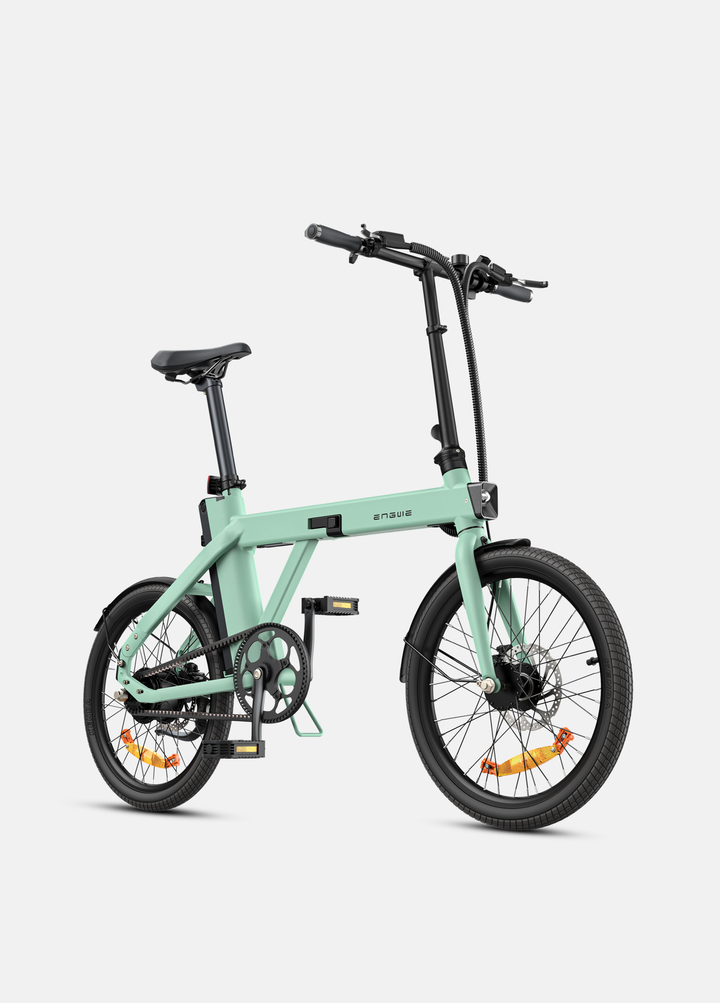
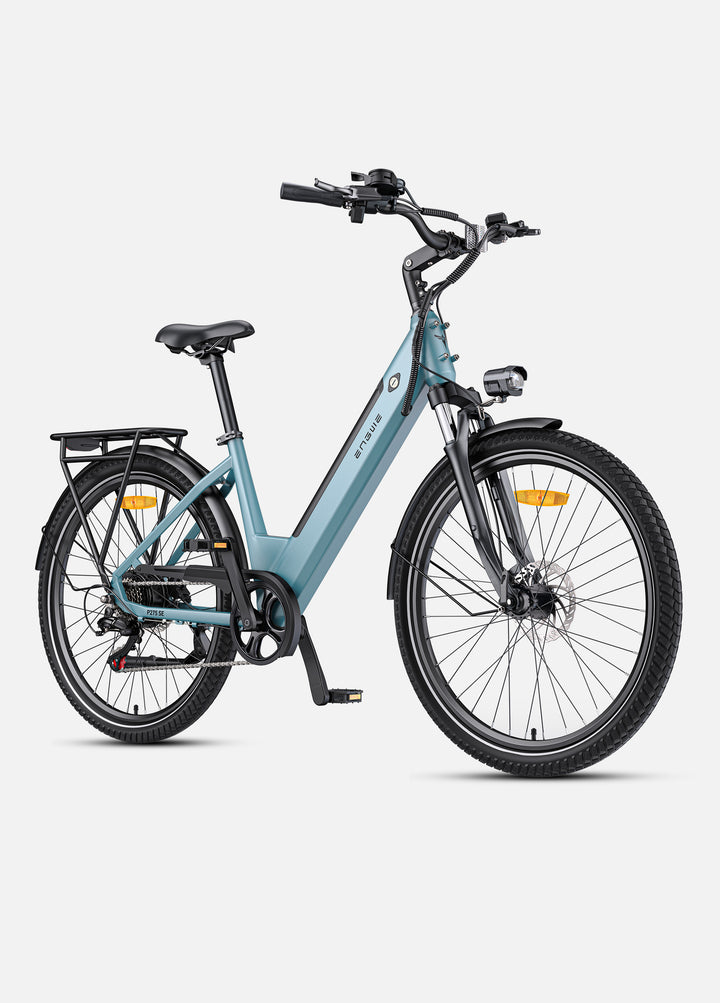
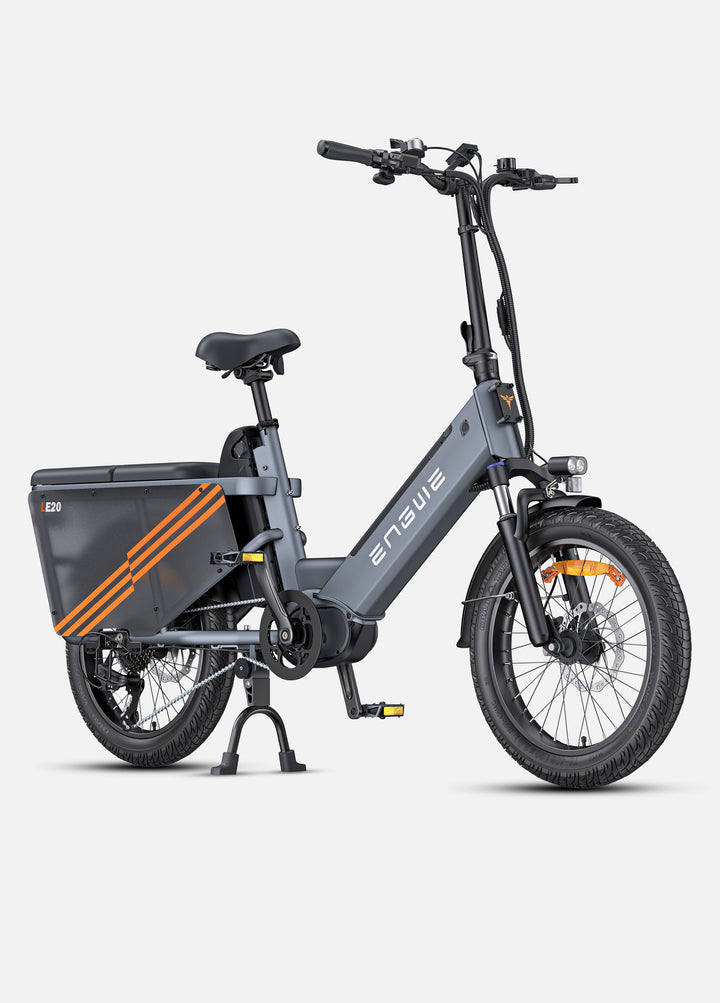
ENGWE continuously delivers new products to the e-bike market with their models that are light, folding, and performance-oriented for different classes of riders. Some of their best models can be used to refer to Class 1 and Class 3 riders as follows:
1. ENGWE P275 Pro (Class 1 ebike)
The ENGWE P275 Pro is the best class 1 ebike making use of an excellent balance and handling which is ideal for daily commuters who want to feel the smooth pedal assist without a throttle.
It provides a totally new urban experience with great equilibrium and control. Since its mid-motor drive and torque sensor deliver power to the pedal in the most responsive way, it is perfect for urban cruising and gentle trails.

2. ENGWE E26 (Class 3 ebike)
In case you want a ride which is more powerful and faster, then ENGWE E26 would be an awesome Class 3 ebike to go with. Equipped with a 750W motor and 48V battery, it reaches a top speed of 28 mph.
In addition to the fat tires, hydraulic brakes, and walk-through frame, the bike makes a perfect combination for both long commutes and highway rides.

3. ENGWE M20 (Hybrid Class 2/3)
The ENGWE M20 is a hybrid throttle-assisted ebike Class 2 but can be set up for Class 3 speeds. Two batteries give it an incredible range and the moped-style frame is very lively. The versatility of being able to switch between Class 1 and Class 3 levels of ebike makes it a perfect choice for the users.

4. Rad Power RadCity 4 (Class 1 ebike)
For a reliable and efficient ride, the Rad Power RadCity 4 is a Class 1 ebike. It features a 750W motor with pedal-assist up to 20 mph, a 48V battery, integrated lights, and comfortable ergonomic design, perfect for city commuting and light trail rides.

5. Aventon Ramblas eMTB (Class 1 ebike)
For riders seeking a robust and versatile ride, the Aventon Ramblas eMTB is an excellent Class 1 ebike. Equipped with a mid-drive motor offering 100Nm of torque, it delivers powerful pedal-assist up to 20 mph.
The bike boasts a 90-mile range, making it ideal for both mountain trails and urban commuting. With its fat tires and hydraulic disc brakes, the Ramblas ensures a smooth and stable ride across various terrains.

Choosing Between Class 1, 2, and 3: What Should You Buy?
Your decision is determined by where you ride, how fast you want to go, and what your local e-bike regulations are.
- Choose a Class 1 ebike if you want ease, legality, and trail access.
- Choose a Class 2 ebike if you enjoy the throttle for less intense riding.
- Choose a Class 3 ebike if you commute longer distances or prefer higher speeds.
Always check your region's ebike class 1 2 3 laws, throttle bikes or Class 3 speeds are often prohibited on shared paths in certain cities.
Final Thoughts
Understanding Class 1 vs. Class 3 ebike enables you to choose the right combination of speed, control, and legality.
A Class 1 ebike is ideal for individuals who enjoy natural pedaling and ample trail and bike path access. A Class 3 ebike, on the contrary, offers quicker, more hassle-free rides suitable for commuters and thrill enthusiasts.
Whatever category you choose, understanding what a Class 1 ebike is and how it is different from other categories ensures that you invest in the ride that is absolutely right for your need.