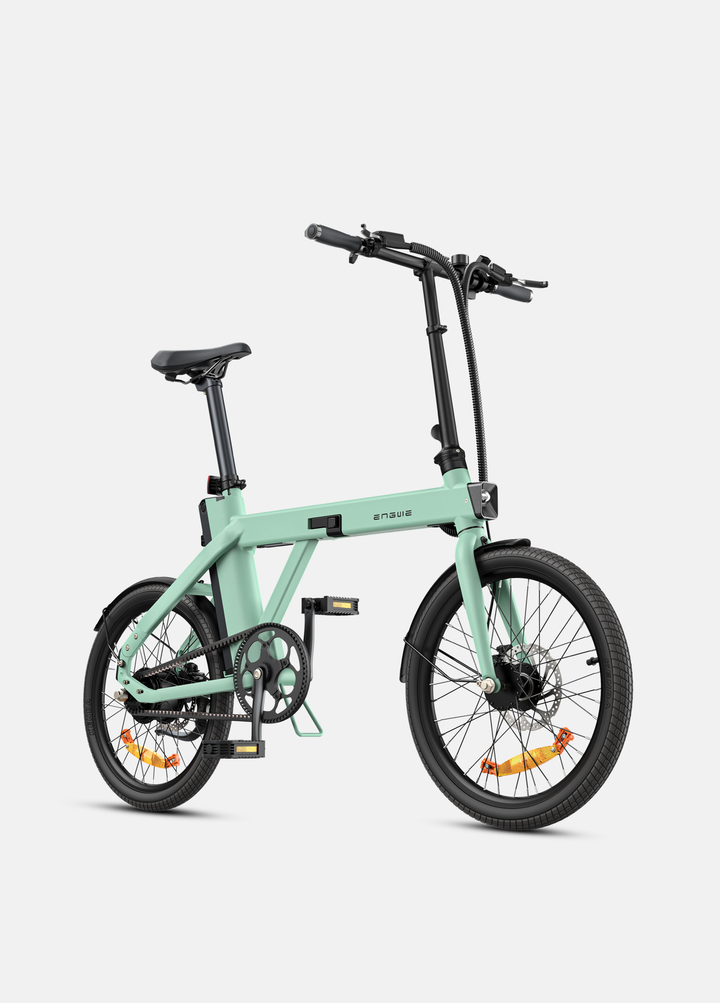
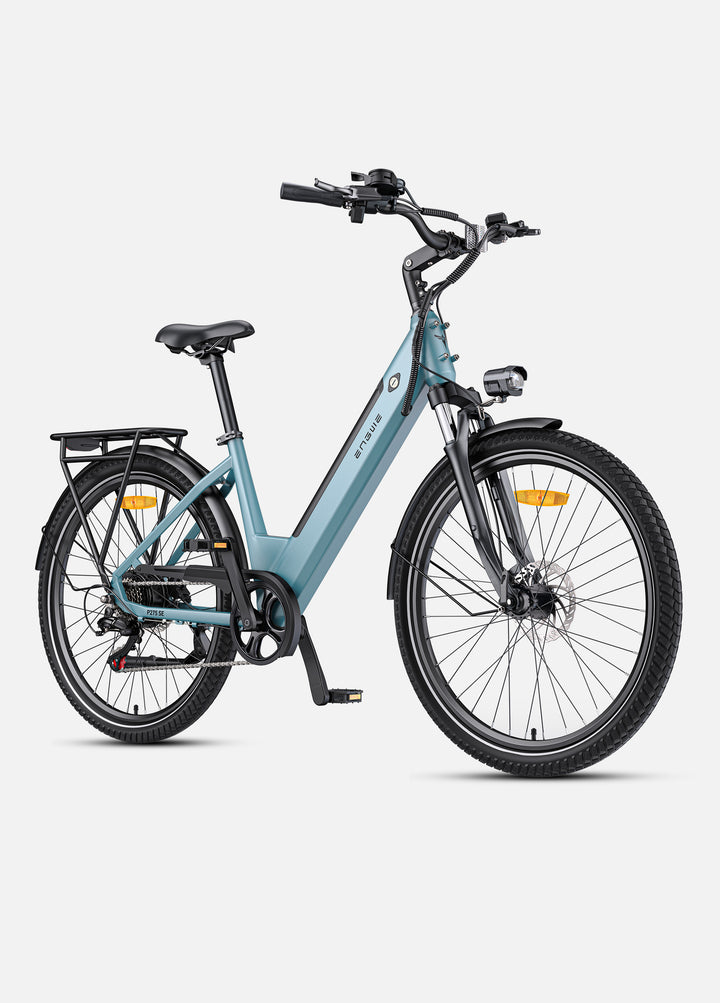
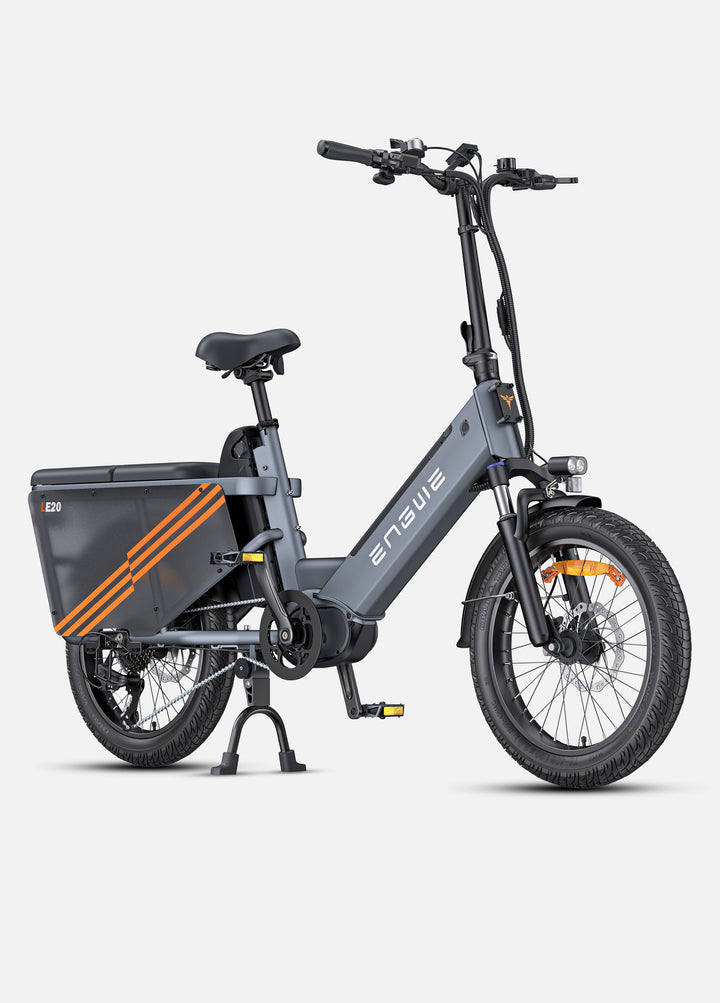
When buying an e-bike, it's essential to know the differences between the three main classes. All e-bikes give you a power assist, but Classes 1, 2, and 3 are geared for different riders. Class 2 e-bikes sit in the middle; now let's break down what sets them apart.
What is a Class 2 E Bike?
The class 2 e bike is the in-between option. It combines the best of both worlds with pedal assist and throttle control. One key thing to note is that the motor assistance tops out at 20 mph.
What sets a class 2 e bike apart is the throttle. It allows riders to cruise without pedaling. You'll typically find the throttle on the handlebars as a twist grip or thumb lever. Federal regulations stipulate that these bikes can't exceed 20 miles per hour.
Most class 2 e-bikes have motors that meet federal standards. The power limit keeps them classified as e-bikes, rather than motorcycles. Class 2 bikes are pretty accessible to lots of riders because of this.

How Class 2 Differs from Class 1 E Bikes
Class 1 e bike models rely on pedal-assist systems. The motor kicks in only when you're pedaling. These bikes offer a traditional cycling experience with a boost from electric support, which makes them a hit with people who want to explore trails that are off-limits.
The big difference between these two types of e-bikes comes down to how the throttle works. For class 1 e bike models, you need to keep pedaling for the motor to kick in. But with class 2 e bike models, you can get instant power. This difference matters because some trails and paths don't allow bikes with throttles.
Battery efficiency can be different across these classes too. Systems in Class 1 e bike systems usually give you a longer range because they need the rider's input to move. On the other hand, Class 2 e bikes let riders decide when to pedal and when to use just the electric power.
Class 2 versus Class 3 E Bike Differences
Class 3 e bike models focus on speed. They're geared towards commuters and performance riders who need to keep up with traffic. Most of these bikes come with speedometers, and you might face age restrictions.
The main difference between these categories comes down to speed limits. Class 2 e bike models top out at 20 mph. On the other hand, class 3 e bike models go about 40% faster. This speed boost makes class 3 bikes a better fit for city commuting.
Regulatory differences also set these classifications apart. Class 3 e bike models usually aren't allowed on bike paths. In contrast, class 2 e bike models are usually treated like regular bikes. That said, there might be some throttle restrictions in certain areas.

Understanding E Bike Class 1 2 3 System
The ebike classes system was created to set a standard. Now, 36 states use the three-class system, which makes it clear what's allowed and what's not. This system helps decide where each type of bike can legally go.
Ebike classes differ mainly in terms of how fast they can go. Class 1 bikes give you a boost up to 20 miles per hour, Class 2 adds a throttle option at the same top speed, and Class 3 offers pedal assist up to 28 miles per hour. Each class caters to different riders.
According to federal law, an electric bicycle is basically a vehicle with pedals and a motor. It has to be able to do 20 miles per hour without you pedaling. States then decide on the specifics of how ebikes are classified. This lets states tailor the rules to fit their own situations.
Key Features and Benefits of Class 2 E Bikes
Modern class 2 e bike models have some great features. For one, most of them come with multiple pedal-assist levels, so you can choose how much power you want. This flexibility makes them great for all sorts of riding conditions.
Battery systems in class 2 e bike models usually give you 40-60 miles of range. If you mostly use the throttle, you'll get less range than someone who uses the motor. Lots of models have removable batteries, which makes charging pretty easy.
Safety features you'll often find in class 2 e bike models include lights and wider tires. Some makers also add throttle systems that cut power output. These features help riders stay safe in different riding situations.
Regulations and Where You Can Ride
Class 2 e bike rules are all over the map, so it's crucial to check local regulations. For the most part, these bikes are treated like regular bikes. But there's a catch: if your e-bike has a throttle, you might be restricted on certain trails.
The National Park Service lets these bikes on roads and bike paths where regular bikes are allowed. However, state and local parks usually have their own policies.
Since class 2 bikes have a 20 mph speed limit, they work well with city traffic. Some cities, though, have rules about using the throttle in certain areas.
Popular ENGWE Class 2 E Bike Options
The ENGWE LE20 is a prime example of a Class 2 e bike done right. Designed to be a workhorse, this e-bike can handle heavy payloads with ease. The bike also comes equipped with a torque sensor and a high-capacity battery.
Some highlights of the ENGWE LE20:
- Torque sensor: Automatically adjusts based on your pedal pressure.
- Throttle and pedal-assist: Reach speeds of up to 20 mph.
- Cargo capacity: Haul up to 200 kg.
- Braking and safety: Features hydraulic disc brakes and puncture-resistant tires.
- User-friendly features: Comes with Shimano 7-speed gearing and a protective board.
The ENGWE LE20 is built with reliability and practicality in mind.

Choosing the Right E Bike Class for Your Needs
Choosing the right e bike class 1 2 3, boils down to your style and local laws. But the safest choice is a Class 2 e bike. It gives you the flexibility to pedal or kick it into high gear with the throttle. The throttle also gives you an extra boost.
When deciding between ebike classes, think about where you usually ride. If you're an urban commuter, a class 2 e bike is a good choice. For trail riding, a Class 1 model might be better. If you commute long distances, a class 3 e bike could be the way to go.
Ebike reviews often point out the practical benefits of class 2 e bike models for various riding situations. They're versatile because you can either pedal or use a throttle. For new ebike riders, class 2 models offer so much flexibility.
To Conclude
Getting to know the differences between e bike class 1 2 3 helps riders make smart choices. Class 2 e bike models are a great all-around option, offering the classic cycling feel and the convenience of throttle control.
ENGWE offers a wide range of class 2 e bike options, so you can choose the model that's right for you.
Frequently Asked Questions
What makes a class 2 e bike different from other classes?
A Class 2 e-bike has two ways to get moving. The motor only kicks in up to 20 mph. And, unlike Class 1 bikes, Class 2 models can work just fine with the throttle. On the other hand, Class 3 bikes can go faster but usually don't have a throttle.
Where can I legally ride my class 2 e bike?
Class 2 e-bikes are basically allowed on public roads and most paths where regular bikes are permitted. You'll need to check local rules, though, as some trails don't allow throttle-equipped bikes. For the most part, cities are cool with these bikes for commuting and getting around.
Do I need a license to operate a class 2 e bike?
In most places, you don't need a license to ride a class 2 e-bike, since it's not a motor vehicle. That said, there might be age restrictions. The 20 mph speed limit restriction helps keep these bikes in the bicycle category under federal law.
How far can a class 2 e bike travel on a single charge?
How far you can go on ENGWE models depends on things like battery size, how much you weigh, and how you ride. Most of the time, the range is more than enough for your daily commute or a fun ride.
Are class 2 e bikes suitable for beginners?
Yes, class 2 e bikes are a great choice for beginners. The throttle is a big help for new riders who might struggle with pedaling. It gives you more confidence when you're getting started. Also, with a top speed of 20 mph, you can learn to handle the bike easily.