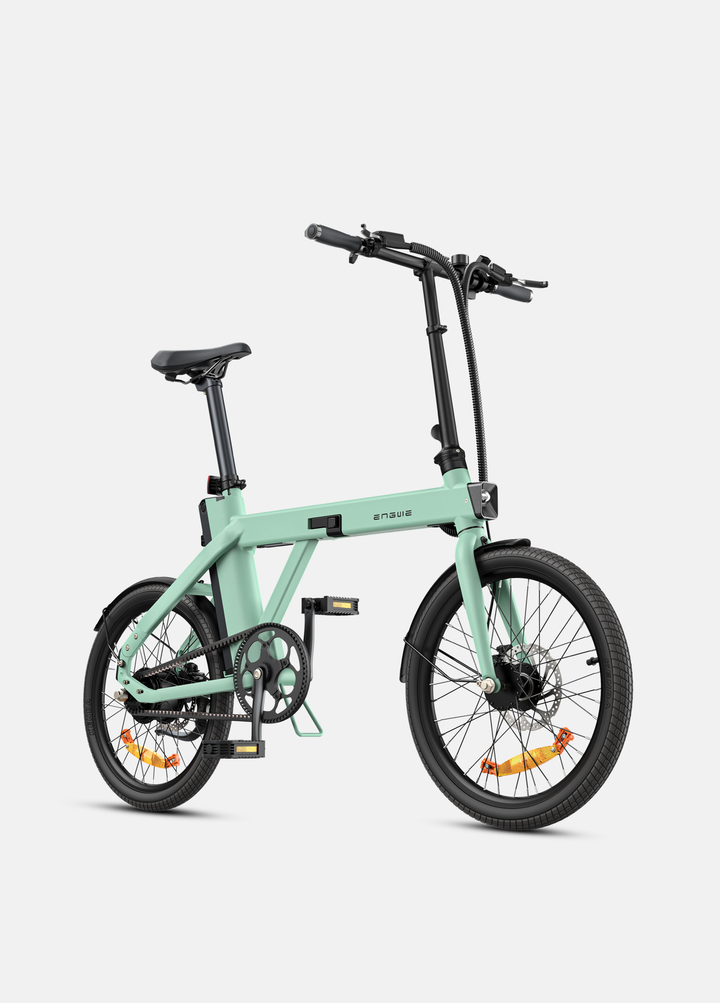
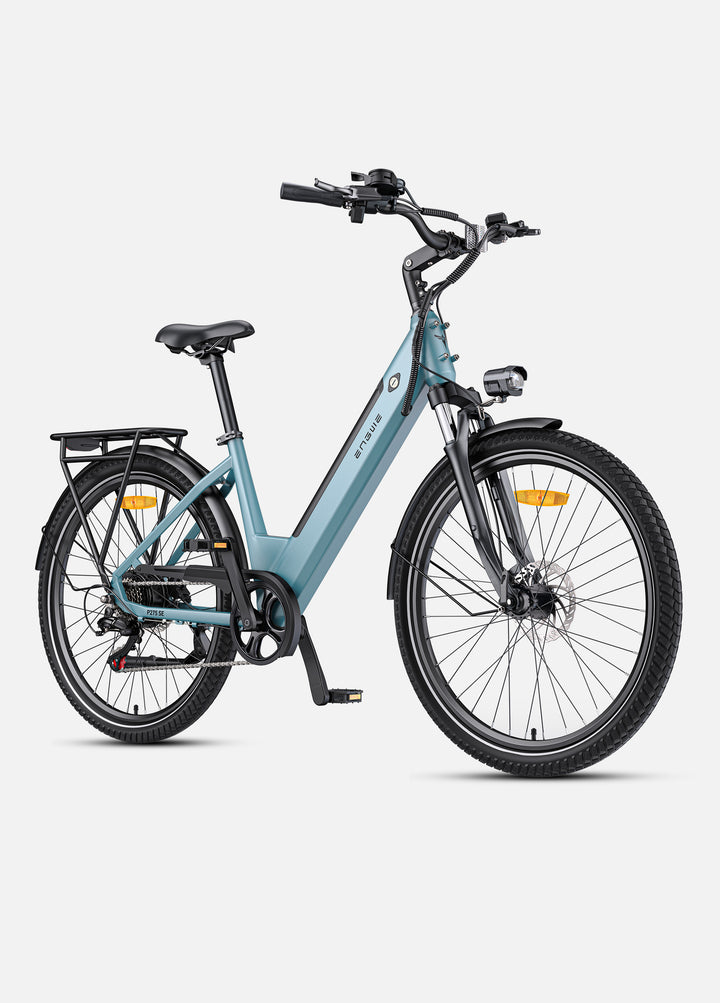
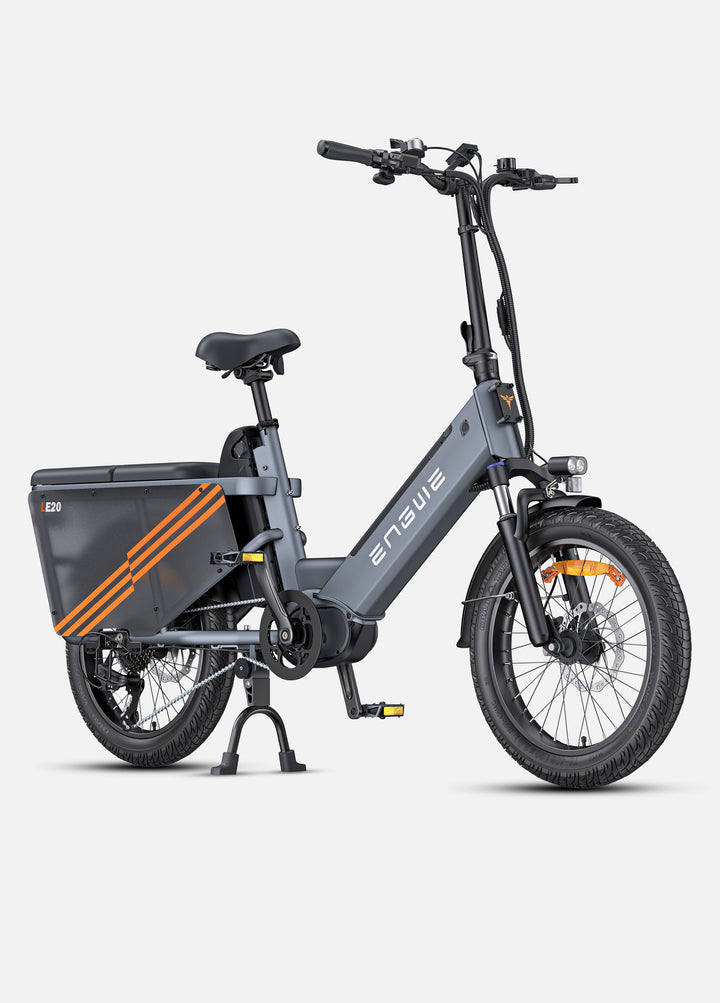
The market of budget e-bikes has recently grown out of proportion, providing riders with a wide selection of options to choose from. The ENGWE electric bike lineup is one of the brands that are competing against each other regarding attention, features, and practical use. But how does an ENGWE ebike actually compare to other budget-focused electric bikes on the market?
In this article, you will learn about ENGWE electric bikes, highlight popular models, and explain where ENGWE stands compared to other budget e-bike brands. Instead of making marketing assertions, the aim here is to know what the riders actually receive with the money.

Why ENGWE Is So Popular in the Budget E-Bike Market
ENGWE has established its brand by providing electric bikes with many features and a price that is frequently lower than that of other competitors with the same features. A standard ENGWE electric bike has some elements common to more expensive models, like fat tires, suspension, folding frames, or high-capacity batteries.
An ENGWE ebike is not designed to compete with premium European commuter brands or high-end mountain e-bikes. Instead, ENGWE electric bikes target riders who want versatility, comfort, and power at a reasonable cost. Such positioning particularly endears the brand to the new e-bikes customers and leisure riders.

ENGWE Ebike Review: What You Get for the Price
A realistic ENGWE ebike review usually points out two things: strong value and heavier construction. ENGWE electric bikes often weigh more than premium alternatives, but that extra weight comes from larger batteries, wider tires, and reinforced frames.
Riders usually receive increased range, improved stability, and increased load capacity in return. This is an acceptable tradeoff to the budget-conscious buyer, particularly when the use is casual, commuting, or light off-road. The popular ENGWE electric bikes include the following.
ENGWE M20 electric bike
The ENGWE M20 electric bike is designed on the basis of the electric motorcycle, yet it is like a fat-tire e-bike, which is comfort-focused in its design. It is a 250W brushless motor, 55 N · m torque, 20x4.0 fat tires, and 25 km/h top speed, which certify it to EU-style compliance. Battery options: 48 V, 13 Ah, single or dual battery (48 V, 13 Ah × 2). The weight is also a reality, with a weight of approximately 34.8 kg for the bike.
The ENGWE M20 electric bike for adults is good for riders who want stability, relaxed cruising, and a cushier ride feel from dual suspension and fat tires. When compared to most of its budget rivals, it offers more comfort hardware at the price, though it is not the bicycle you take when you have to carry light or store in a tight apartment.


ENGWE L20 2.0 electric bike
The ENGWE l20 2.0 electric bike is a step-through utility design that leans practical. One of the reasons why the L20 2.0 is commonly used by riders is that the power profile gives them a more aggressive push on the peaks and a lighter takeoff when carrying cargo.
Compared to other low-cost brands, this is the type of bike that prevails where the rider is more concerned about the torque and comfort than the weight. It is also a good point of reference model to individuals who are comparing utility fat tire designs in the sub-premium market.


ENGWE EP-2 Pro electric bike
The ENGWE EP-2 pro electric bike is one of ENGWE’s best-known foldable fat tire options, and it’s easy to understand why. The 250W motor, 55 N · m torque, and 20×4.0 tires and 25 km/h top speed are in the EU-legal configuration, and the motor is a 48V and 13Ah removable battery with a 120 km/h range claim in mode.
As an ENGWE folding electric bike, it competes directly with other folding fat tire models from brands like Lectric and Himiway. ENGWE tends to win with specs on money, whereas some of its competitors win on lighter frames, polished displays, or expanded dealer networks.


ENGWE T14 electric bike
The ENGWE T14 electric bike targets short commutes and compact storage. It has a 250W motor, 30 N · m torque, 14x 2.125 tires, and a 48V 10Ah battery with a humble range estimate. This is, in simple words, a small practical, not a long-distance commuter, but for quick city commuting.
The ENGWE t14 mini electric bike is best for riders who want a small footprint and simple handling. Unlike competitors in the same mini category, its primary strength is price-to-function value, and its weakness is speed, range, and hill performance compared to larger-wheel commuter designs.


ENGWE E26 electric bike
The ENGWE E26 electric bike sits in a different lane from the compact folders. Included in your specifications is the 250W motor, 70 Nm torque, 26x4.0 tires, front and rear suspension, and brakes (hydraulic) with an advertised range of up to 140km in PAS mode under certain conditions.
It is obviously geared towards riders seeking bigger wheels, greater stability, and increased confidence on the pavement or mixed surfaces that are rougher. The 26-inch fat tires, suspension, and hydraulic brakes of the E26 make it feel more of an all-terrain commuter than a city bike relative to budget competitors.


Other Electric Bike
Comparing an ENGWE to other electric bikes in the market, two competitors often appear within the same price range, budget-midrange.
Rad Power Bikes RadRover 6 Plus
The RadRover 6 Plus is a product with one of the most well-known fat-tire electric bikes. It is equipped with 26 inch fat tires and is saturated with reliability, brand support, and city-friendly tuning instead of performance and aggressive style.

Lectric XP 3.0
The Lectric XP 3.0 is a direct competitor to folding ENGWE ebikes such as the EP-2 Pro and X20. It has a small folding size, fat tires, and a commuter-style riding position that has made it very popular among urban riders and RV travelers.

Final Verdict: Are ENGWE Electric Bikes Worth It?
The average ENGWE electric bike review tends to conclude the same way: ENGWE offers great value at a price that is affordable to relatively low-end riders seeking more power and capability without charging higher prices.
ENGWE will not compete on refinement, but in the constant race of kings of the budgets, ENGWE electric bikes never cease to fight by producing powerful motors, large batteries, and versatile styles that exceed their position in terms of price.
Frequently Asked Questions
Is an ENGWE electric bike good for daily commuting?
Yes, an ENGWE electric bike is popular with many riders who do their commute with it due to the models of the P-series, EP-series, and L-series, as they are based on comfort, racks, and comfortable-riding position instead of a racing geometry.
Which ENGWE ebike is best for comfort and rough roads?
Comfort is dependent on suspension and tires. For example, the ENGWE M20 electric bike for adults uses fat tires and suspension for a softer ride feel, while full-size fat tire models can smooth broken pavement.
Is the ENGWE EP-2 Pro electric bike good for mixed terrain?
The ENGWE EP-2 pro electric bike is commonly picked for mixed surfaces because of its fat tires and folding convenience. It works best in pavement, gravel, and light trail rides as opposed to the technical off-road riding.
Is the ENGWE T14 mini electric bike powerful enough?
The ENGWE t14 mini electric bike is designed for short rides and simple transport. It is effective on flat roads and shorter travels instead of steep roads or long distances.
Are ENGWE electric bikes street legal everywhere?
Not automatically. Some ENGWE electric bikes are configured for EU rules (250W, 25 km/h) while others show higher speeds for other regions. Always ensure that the specs of the bike are in accordance with the local laws.