


Le migliori bici elettriche
-

Bicicletta elettrica pieghevole per pendolari
-

Bicicletta elettrica economica per pendolari
-

Bicicletta elettrica leggera per pendolari
-

Ebike per pendolari urbani
-

Bicicletta elettrica per lunghi tragitti
-
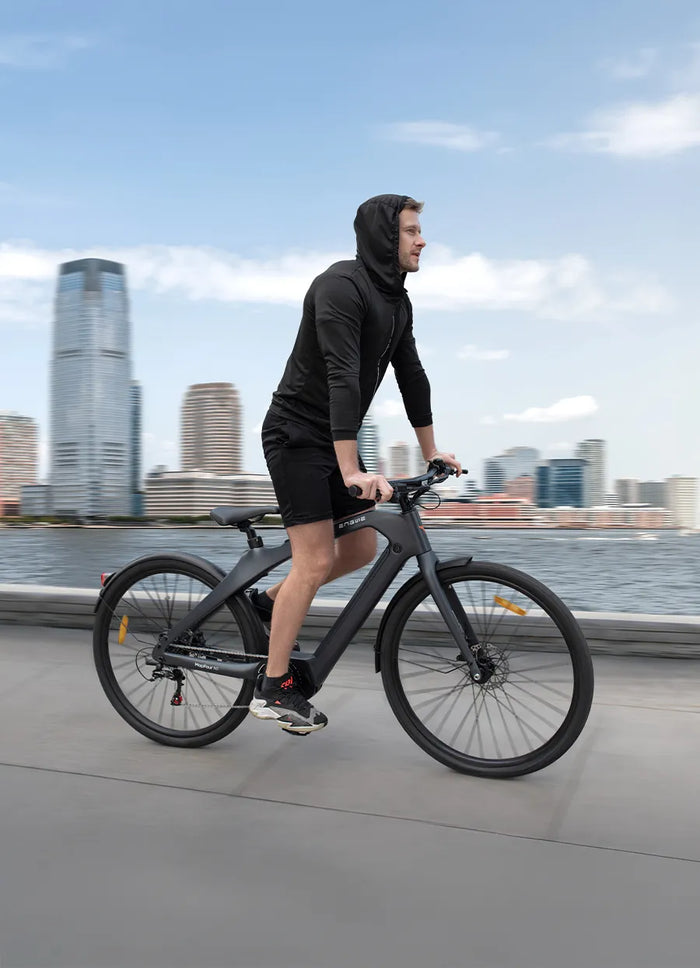
Bicicletta elettrica da montagna per il pendolarismo
-

Bicicletta elettrica da città da donna
-

Bicicletta elettrica urbana per pendolari
-

Bicicletta da strada per pendolari


-
Other Products


OFFENGWE Zip
250W Lightweight 120 kg Max Load Torque Sensor Folding E-bike
Acquista ora€999.00€1,099.00Prezzo unitario /Non disponibile


offENGWE P20
18.5KG Torque Sensor Folding Urban Electric Bike with Belt Drive
Acquista ora€999.00€1,399.00Prezzo unitario /Non disponibile


offENGWE N1 Air
250W Ultra-lightweight 100KM Long Range Carbon Fiber City E-bike
Acquista ora€1,249.00€1,799.00Prezzo unitario /Non disponibile


ENGWE T14
250W Hub Motor Multiple Suspension Folding Electric Mini Bike
Acquista ora€599.00Prezzo unitario /Non disponibile


Frequently Asked Questions
What is considered a lightweight bike?
What is considered a lightweight bike?
In the electric mobility industry, a bicycle is usually classified as lightweight when its gross weight is considerably lower than the industry average, which is usually less than 18 kg (approximately 40 lbs). This status can be achieved through material science and design efficiency:
- Material Selection: It is necessary to use high-grade aluminium alloys or carbon fibre composites in the construction of the frames so as to minimize mass without compromising structural integrity.
- Integrated Design: Design parts are frequently simplified; an example of this is the ENGWE P20 folding electric commuter bike, which has been made significantly lighter through its compact frame geometry and minimalistic design.
- Minimalist Components: Most of the commuter bikes come with fenders and racks, but the aim of making the lightest e road bike usually excludes unnecessary components to save every gram.
Can you get lightweight electric bikes?
Can you get lightweight electric bikes?
Yes, lightweight electric bicycles are commercially available that have structural and mechanical improvements to minimize their mass without decreasing utility.
- Weight Range: Most lightweight electric road bikes have weights that fall within the range of 13.6kg to 20.4kg (30-45lb), and this making them easy to carry and integrate with public transport systems, including buses, trains, and the metro.
- Material and Design: The use of aluminium or carbon-fiber frames, combined with compact motor-battery designs, supports the process of decreasing the weight.
- Urban Functionality: These lightest commuter ebike models can be handy to the riders who need to be mobile, such as stair-carrying, easy access to transit, or storage in a small space.
Which eBike is the lightest?
Which eBike is the lightest?
The term “lightest e-bike” depends on the type of use, such as road, commuter, or folding e-bike, all of which are focused on certain performance indicators.
- Urban Commuters: In the light commuter e-bike category, the ENGWE N1 AIR stands out. It weighs approximately 15.6 kg (34.4 lbs), in total weight, with a carbon-fiber frame, complete full-size geometry, and reliable performance in the urban environment.
- Folding Models: ENGWE P20 is an example of a folding lightweight electric bicycle that combines an aluminium frame with a belt-drive, weighing 18.5 kg (40.7 lbs) and making it the optimal choice in multimodal city commutes.
How much does a commuter ebike weigh?
How much does a commuter ebike weigh?
The commuter e-bike is available in many varieties, each with a vast range of weights, based on the use case and features:
- Average Range: The most common commuter e-bikes are between the 20-30kg (44-66 lb) range.
- Lightweight Segment: This specific category of lightweight commuter ebike has a weight limited to less than 18kg and is available to people who need to be portable.
- High-Utility Models: Bikes with full suspension, large battery pack, or cargo vehicles usually exceed 35kg (77lbs) in weight. Unlike the lightweight category, they are usually used in long-distance travel or heavy loads; in these cases, utility is prioritized over portability.
What is the average weight of a commuter bike?
What is the average weight of a commuter bike?
The weight of an average commuter bike depends on both the type of drivetrain, manual or electric, and its purpose of use.
- Standard (Non-Electric) Commuter Bikes: The standard weight is between 12kg and 16 kg since they use lightweight alloys and streamlined frames.
- Electric Commuter Bikes: With electrification, the weight of the motor and battery is added, and the average weight increases to around 24 kg (53 pounds).
- Lightweight Exception: The lightest electric road bike or the lightest ebike commuter versions weigh a bare minimum of 15-18kg due to the use of high-end carbon fiber models.

