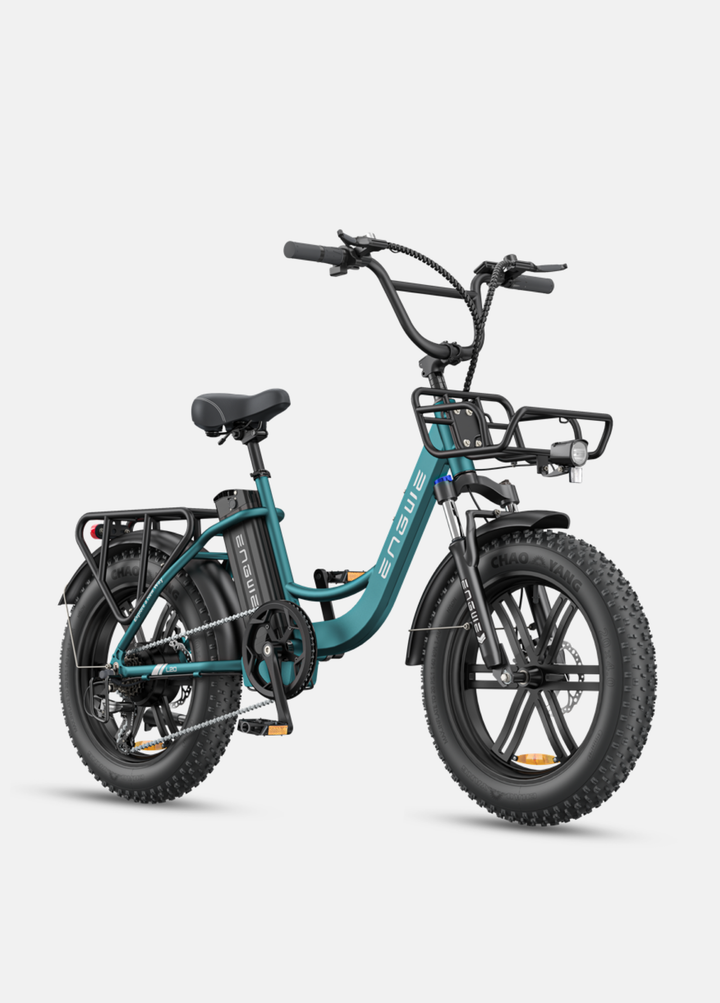
A winter bicycle ride can easily transform a regular ebike ride into a tough test for handling and endurance. Factors such as wet roads, potholes, slush, and snow will require good traction as well as engine performance. This is when an electric fat tire bike can come in handy due to its wide tires and stability.
But how well will it cope with the extreme winter weather conditions? Will its oversized tires manage to withstand the shock of wet winter potholes, will they provide good traction on slippery surfaces, and will it be able to overcome deep snow?
This guide will shed some light on the capabilities of an electric fat tire bike in extreme winter conditions, discuss its special properties, and provide you with helpful tips on how to ride it.
5 Best Electric Fat Tire Bikes for Extreme Winter Conditions
Take a look at the best electric fat tire bike that can travel through winter holes and snow. Below is the list:
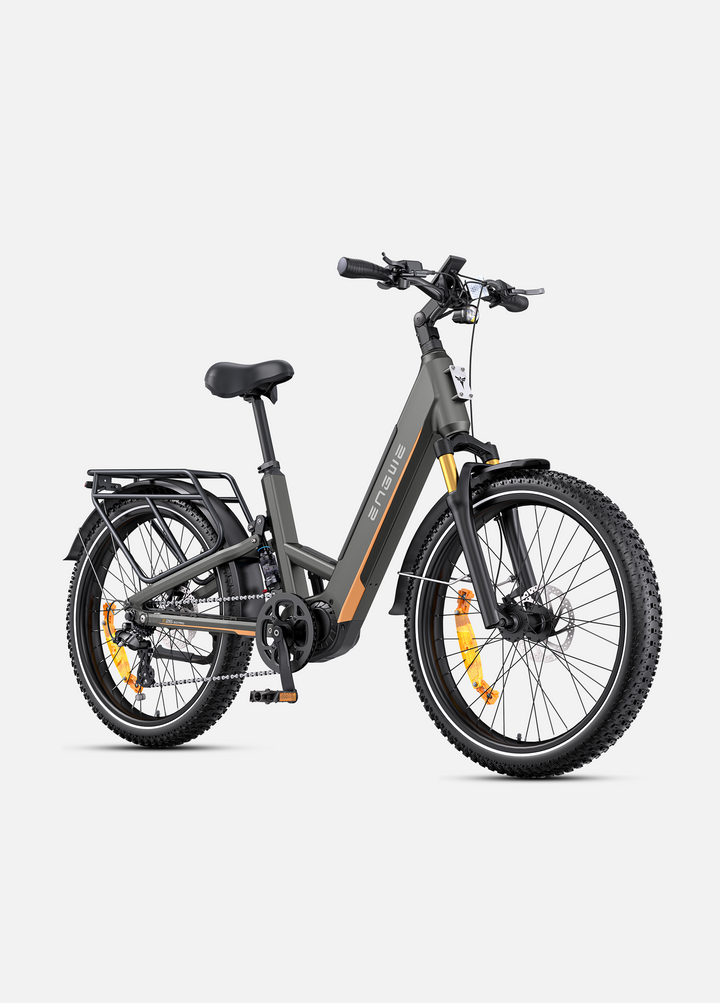
1. ENGWE M1
The ability to conquer wet winter roads and water-filled potholes calls for stability, which makes the ENGWE M1 a perfect pick when cycling through such dangerous roads during winter. The two-battery design and comfortable frame cushion against rough rides caused by hidden ice patches provide excellent electric bike fat tire protection.
- Battery configuration resulting in a maximum distance of 170 km
- Full suspension design for cushioning deep winter potholes
- All-terrain tread pattern for optimum traction on wet asphalt


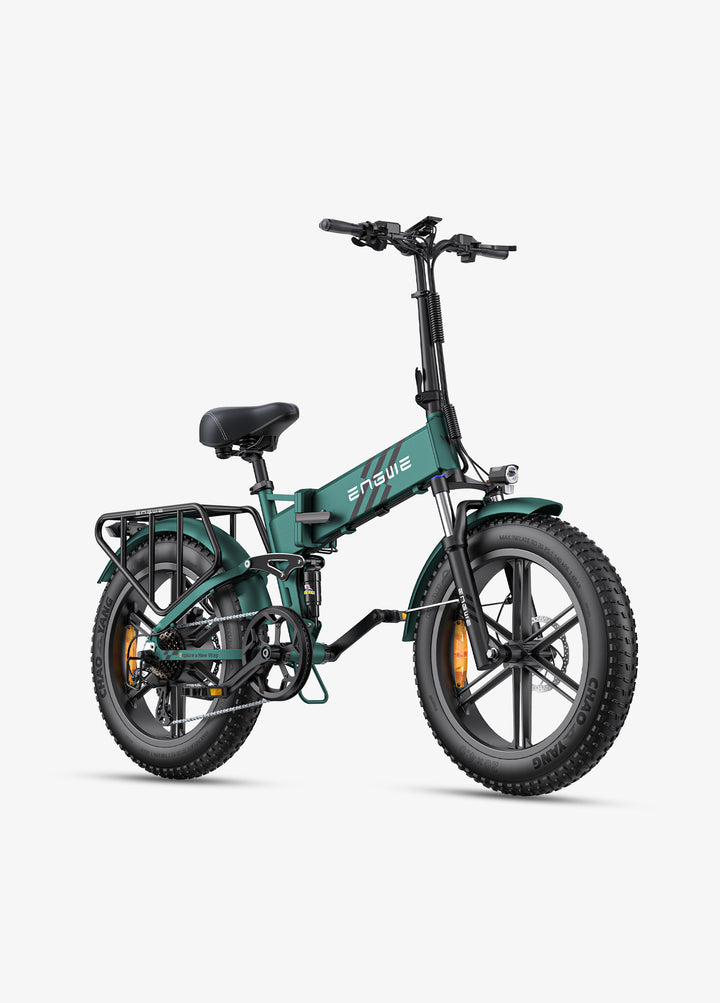
2. ENGWE M20
Deep snow, together with the slippery winter sludge, calls for some serious traction, and that’s where the ENGWE M20 steps in. Equipped with a motorcycle-style look, this fat tire electric bike for adults is built to tackle the deep drift lines and the mess brought about by winter, and it does it with ease despite the hidden potholes.
- System of dual suspensions to cushion winter shocks
- Dual battery capacity options available ranging from 150 km
- Aggressive wide tires meant for floating over loose snow


3. Lankeleisi MG600 Plus 26
During winter, when cold makes slush a dangerous obstacle, its counterpart, the Lankeleisi MG600 Plus 26, is the only fat tire electric bike 1000w model that guarantees superior control on icy roads and heavy winter drifts.
This powerful model will make sure that you maintain momentum as you battle through water-soaked potholes.
- Long-range dual-battery capability for cold weather rides
- Hydraulic disc brakes with four pistons for effective braking in wet conditions
- Shimano 8-Speed transmission to defeat snow resistance

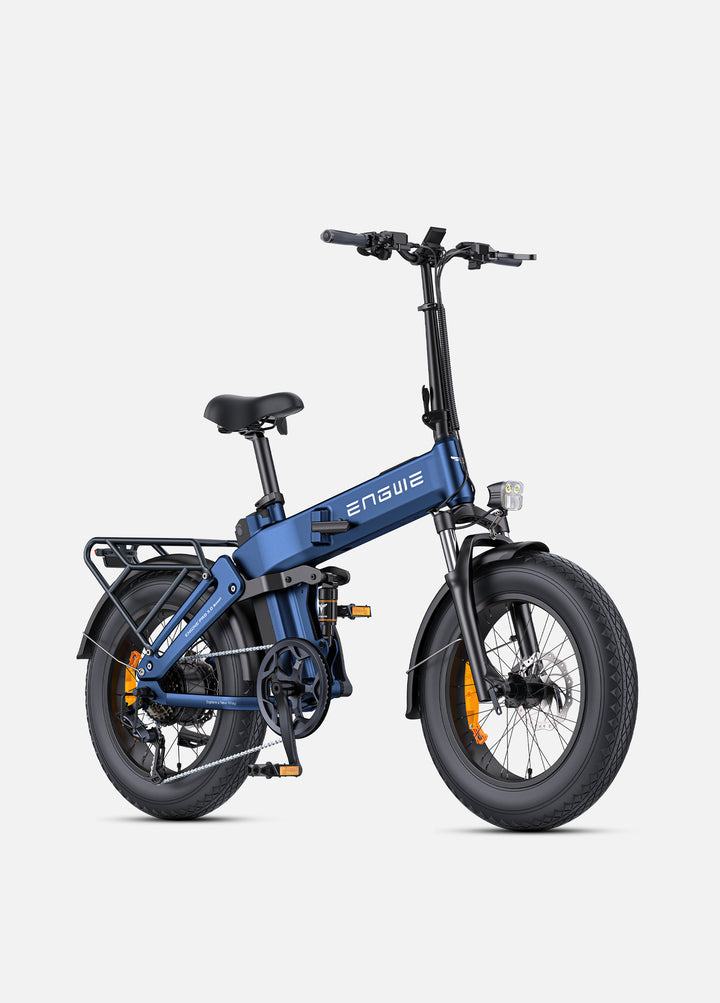
4. ENGWE Engine Pro 3.0 Boost
The wet winter commute usually demands indoor parking after struggling through slush, and that’s why the ENGWE Engine Pro 3.0 Boost thrives in adverse conditions and later folds to save space.
This electric bike runs as a heavy-duty folding fat tire electric bike, effortlessly navigating through thick snow piles and shock impacts from hidden winter potholes.
- Full-suspension frame designed for high torque and deep snow
- Folding aluminum alloy design for easy winter storage indoors
- Hydraulic brakes and tread patterns for rain-grip performance


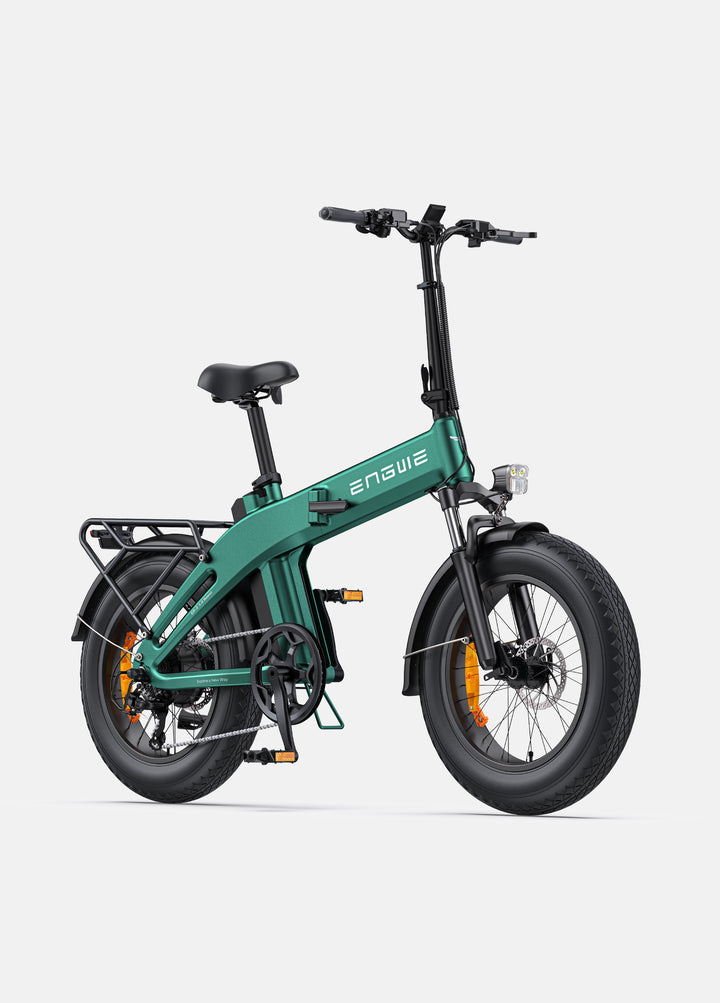
5. ENGWE EP-2 3.0 Boost
Removing winter’s thick resistance becomes easy with the ENGWE EP-2 3.0 Boost, which is a versatile commuter that is designed to ensure continuous riding even when the surface has been covered with water and frost. Working as a reliable and cheap fat tire electric bike, it allows riders to benefit from its traction abilities on winter roads.
- Torque of 75Nm for moving through deep slush and snowbanks
- Seasonal folding frame for easy storage in apartment units
- 20 x 4.0 fat tires that cross over invisible deep holes


Can Fat Tire E-Bikes Really Handle Snow, Ice & Winter Terrain?
Absolutely, fat tire e-bikes are engineered to work effectively in snow. The tires are ultra-wide and can easily float and have better traction and control than normal mountain bikes that can struggle in similar terrain.
The width of a fat tire electric mountain bike normally begins at about 3.8 inches and may go above 5 inches, while mountain bikes use tires that measure only between 1.5 inches and 2 inches. The wide surface area of fat bikes prevents them from getting buried in soft snow.
The full-suspension fat tire e-bikes provide even more comfort, as both front and back suspensions will be able to absorb shocks and vibrations. Although normal e-bikes are able to ride on light snow, fat tire e-bikes will cope much better with heavy snow.
How to Choose the Best Fat Tire E-Bike for Winter and Snow Riding
Not all fat tire bikes operate effectively in snow. The following are some of the qualities that you should look out for in an electric fat tire mountain bike:
1. Opt for a Strong Aluminum Frame for Reliable Performance
The qualities of aluminum, such as its durability and hardness, make it the best choice as a frame for snow biking.
This metal performs better under tough conditions and also withstands rough handling, accidents, and loads that might not be manageable by less durable materials. The rigidity of the metal helps to ensure proper handling and efficient transfer of energy through soft snow.

2. Go With a Rear Hub Motor for Reliable Winter Riding
Rear hub motors are enclosed in the wheel hub itself, thus protecting them from exposure to snow, ice, and debris.
Thus, there will be little chance of snow becoming lodged in the gears of the motor, which could affect its performance. Mid-drive motors have exterior gears that are exposed to snow and debris. Thus, the rear hub motor is an effective choice for winter riding.

3. Opt for 3.8"+ Tires to Float Over Deep Snow
For better floating and maneuvering capabilities in fresh snow, the optimal choice is a tire size ranging from 3.8 to 5 inches wide.
This width will minimize the risk of getting stuck in deep powder and ensure that you have a smoother ride with little work to maintain speed. In addition, more surface contact means better stability in varying snow conditions.

4. Deep, Spaced-Out Treads Provide Better Snow Traction
Big and deep lugs with gaps between them offer more traction by cutting through loose snow and clearing snow off the tire tread.
A tire design of an adult fat tire electric bike with an aggressive tread pattern would provide good traction on soft snow surfaces while minimizing slipping and loss of speed. Tires without deep lugs are more prone to wash out and slip.

5. Get Better Control with a Full-Suspension E-Bike
The front forks act as shock absorbers for bumps and jolts, and the rear suspension acts to provide a smooth ride even over rough, slushy, and icy terrain.
It is easier to have better control over bumpy and ungroomed trails when one uses suspension. With no suspension system, there will be a direct impact to the rider.

6. Use Hydraulic Disc Brakes for Better Control in Snowy Conditions
Winter riding requires reliable brakes. The hydraulic disc brake system offers reliable braking and is able to automatically adjust to wear of the pads.
In addition, the performance of this type of brake system in rain is superior to that of rim brakes. Moreover, disc brakes on a fat tire folding electric bike are better in terms of shedding ice and snow.

How to Safely Handle a Fat Tire E-Bike in Deep Snow
After getting your fat tire electric bike ready for winter riding, learning how to ride properly will help you succeed on snow-covered trails.
- Ride with Caution and Keep Control: Reduce your speed and give yourself enough time to brake. Quick actions can lead to loss of control.
- Avoid Hard-Packed Snow: Your tires will become submerged, and you will lack flotation. Use only fresh powder or groomed terrain.
- Keep Your Body Weight Centered: Maintain your weight towards the rear wheel in order to ensure good traction. Do not move forward.
- Pedal Smoothly: No forceful pedaling or sudden power application. Proper rotations help get maximum grip of tires without wheel spin.
- Choose a Lower Assist Setting: Conserve battery power and prevent torque from spinning out by reducing assist. More momentum in deep snow.
- Turn Slowly and Smoothly: Use smooth sweeping turns. Avoid using sharp lean angles and quick moves.
- Start Braking Earlier: Disc brakes are superb in snow conditions but provide greater braking distances. Brake at least twice as early.
- Walk Through Challenging Spots: If you have lost your momentum, get off the bicycle and walk through piles.
- Ride Across Ice or Tracks at a Right Angle: Avoiding slippery surfaces directly prevents losing control.

7 Essential Tips to Maintain Your Fat Tire E-Bike for Winter Riding
Winter riding puts your electric bike through more moisture, salt, slush, and colder temperatures. Take care of your fat tire e-bike with the following maintenance advice:
- Clean Away Salt and Slush After Each Ride: Remove any traces of snow and road chemicals to protect it from corrosion and rust.
- Monitor Your Battery Level: Ensure that you keep your fat tire electric bike 1500w battery in a room and prevent it from coming into contact with freezing weather for optimal efficiency.
- Dry Your Bike Completely After Riding: Dry out any water to prevent freezing and possible harm to the equipment, and keep the bicycle in a dry place.
- Look for Signs of Damage: Inspect the fork seals, frame, wheels, and drivetrain for any cracks, bends, or damage resulting from tough riding conditions.
- Lubricate the Chain Regularly: Keep your drive chain lubricated in wet weather to prevent any moisture, snow, or ice accumulation.
- Restore Tire Pressure After Every Ride: Reducing pressure can be helpful for snow flotation; however, you should put the recommended tire pressure back to avoid sidewall damage.
- Keep Your E-Bike Stored Indoors: A fat tire electric bike 2000w power output should be stored in a dry and sheltered location to avoid exposure to moisture, frost, and rust.

In a Nutshell
A fat tire electric bicycle is a good option when you will ride on wet winter roads with lots of potholes and deep snow. The use of wider tires, good traction, active suspension, and efficient braking systems helps provide more stable and controlled rides under difficult conditions. You should check fat tire electric bike reviews before buying.
Are you ready to hit the trails in winter weather? Select an appropriate electric fat tire bike and hit the road confidently!
Frequently Asked Questions
How do fat tire e-bikes handle winter potholes?
How do fat tire e-bikes handle winter potholes?
The wide tires of ebikes like ENGWE EP-2 3.0 Boost help to absorb some shock from bumpy roads and also provide greater stability while crossing potholes. Nevertheless, the cyclist should still move cautiously and slowly when approaching the pothole, especially if it is covered by snow and water.
Are 20-inch fat tire e-bikes good for snow?
Are 20-inch fat tire e-bikes good for snow?
An electric bike 20 inch fat tire model could have sufficient stability and handling ability in snow at slower speeds. Other considerations would include the width of the tire, the tread pattern, performance of the motor, and the skill level of the rider.
What tire width is best for riding in snow?
What tire width is best for riding in snow?
Tires with widths ranging from 3.8 to 5 inches are most suitable in snowy conditions. The wider the tires, the more surface area there is, which enhances flotation, stability, and traction on snow.
What is the safest way to ride a fat tire e-bike in snow?
What is the safest way to ride a fat tire e-bike in snow?
Ride at a controlled pace, reduce your power levels, maneuver gracefully, and brake earlier than usual. Do not perform any abrupt maneuvers, and take the bike like the ENGWE M1 for a walk in places where there is too much snow.
Can a fat tire beach cruiser electric bike be used in winter?
Can a fat tire beach cruiser electric bike be used in winter?
Absolutely, if it is equipped with appropriate tires, reliable brakes, and components that can withstand such an environment. Its comfortable construction can be very effective for leisurely riding in winter weather, but the snow accumulation might need something else.