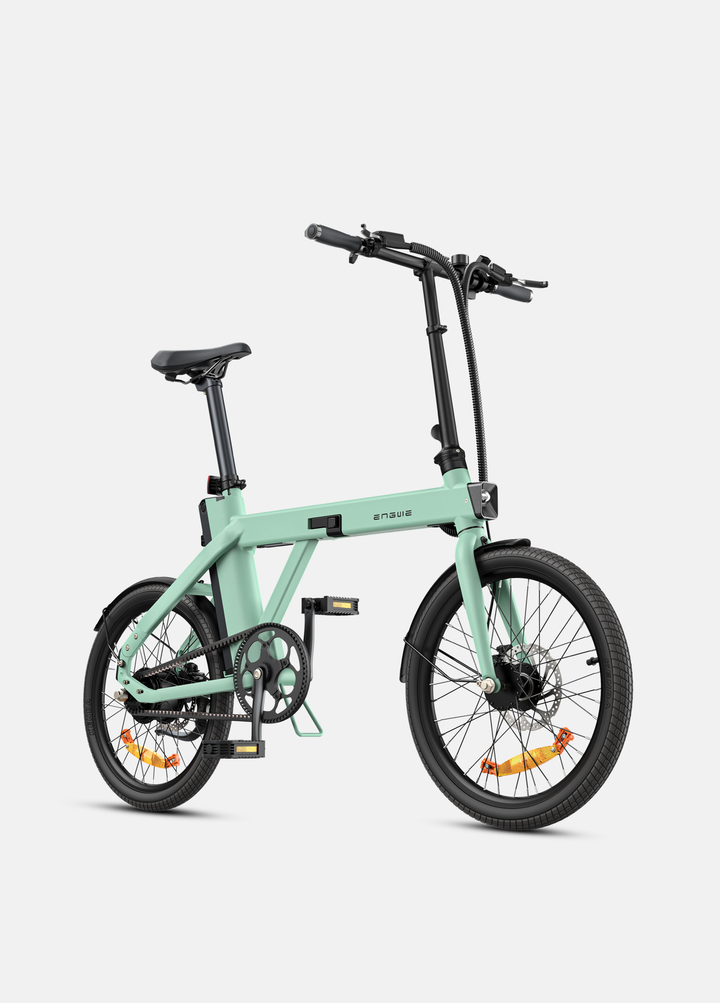
It’s a bicycle equipped with an integrated motor that assists pedaling. The support minimizes climbing on the hills, enables easier takeoffs, and enables the rider to ride in a steady rhythm. Understanding what is an ebike and how does it work gives new riders a clear idea of how electric cycling fits into daily travel.
An ebike uses a combination of an ebike motor, an ebike battery, and a controller to deliver power. The rider still pedals, but the system adds extra force to the drivetrain. This gives us a combination of conventional riding and the light electric support.

How an Ebike Works
Most setups rely on either a hub-driven system or a mid-drive design. The controller interprets rider input, adjusts output, and manages the connection between the motor and battery. Riding becomes smoother with an ebike that has a torque sensor.
Understanding what is a torque sensor on an ebike is something that the rider appreciates as the sensor measures the pressure of the pedals to provide proportional assistance.
Modern electric bikes also include protective electronics, speed control, and braking cutoffs. These components keep the ride steady, predictable, and safer across different terrain.

Ebike Speed: How Fast Can They Go?
Standard assistance levels are capped to maintain safety and road compliance. The answer to what is the fastest an ebike can go legally depends on regional rules, but many road-legal models limit motor assistance between 20–28 mph (25–32 km/h). Those riders who require additional assistance should remain in line with local rules despite the ability of the bike to exceed speed when manually pedaled.
Some riders explore mechanical settings, but tampering with restrictions creates safety and legal issues. The problem with questions on what wire is the speed limiter on an ebike is that the result of this query is often unsafe modding, and thus, responsible usage is required.

Types of Ebikes
Electric bikes have many types, and each type has its own mode of riding:
- Commute-bike is a viable daily commuter bike, which promises efficiency and reliability.
- A fat tire ebike will be stable on gravel, sand, or snow.
- A cargo ebike will assist in increasing the weight carried by the riders to enable them to transport groceries, equipment, or children.
Options like a cheap ebike help beginners start affordably, while a long range ebike suits riders with longer commutes or weekend plans. There are designs that concentrate on adaptive use; knowing what is an adaptive ebike is beneficial to the rider who has special mobility requirements, in that these bikes have elements of stability assist, step-through, or three-wheel constructions.

Best Ebikes for Everyday Riding
Most beginners prefer electric bicycles that feel stable, predictable, and easy to control on daily routes. This is where practical commuter-focused models stand out.
ENGWE offers several approachable options built around comfort, steady assistance, and simplified operation, making them suitable for riders who want dependable performance without steep learning curves.
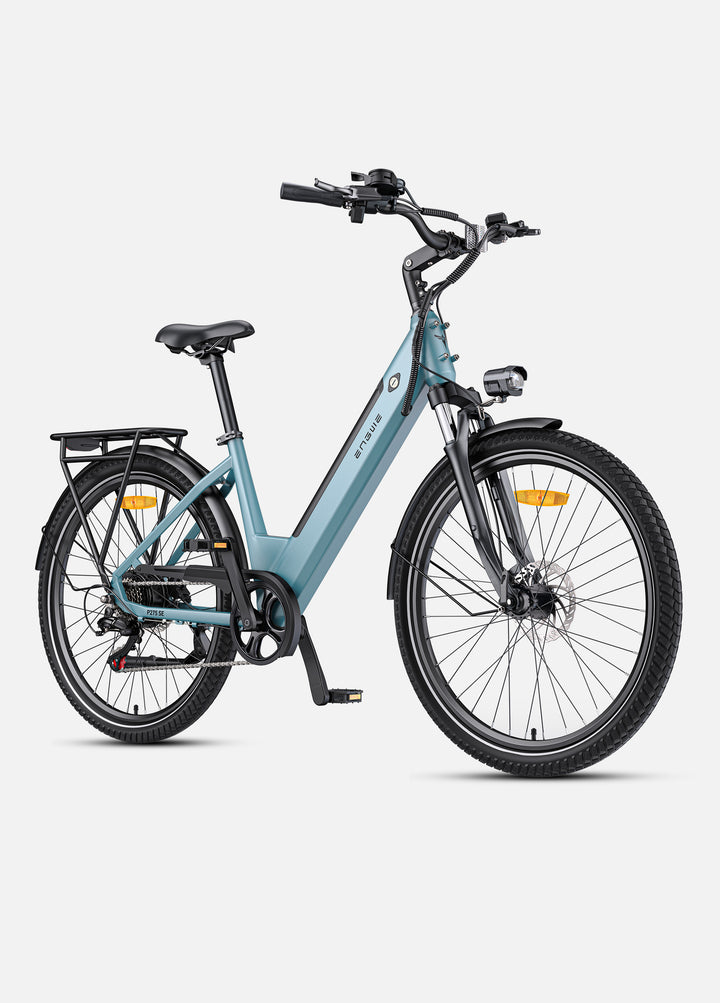
ENGWE P275 SE — Smooth, Natural Pedal Response
The ENGWE P275 SE has a torque-sensor system that manages the power according to the pedaling effort, which will provide new riders with a comfortable and controlled feel.
Its light frame and powerful 36V battery can help it cover longer urban routes without any additional complexity. This model is useful when commuting, riding to get fit, and traveling daily.


RadPower RadCity 5 Plus
The RadCity 5 Plus can be used as a benchmark by riders who are brand-switchers. It is powered by a geared hub motor, is upright geared, and has commuter-friendly accessories.
RadPower is also concerned with the predictable provisions and comfort, which means that beginners have several reliable options to choose from regarding their travel needs and style.

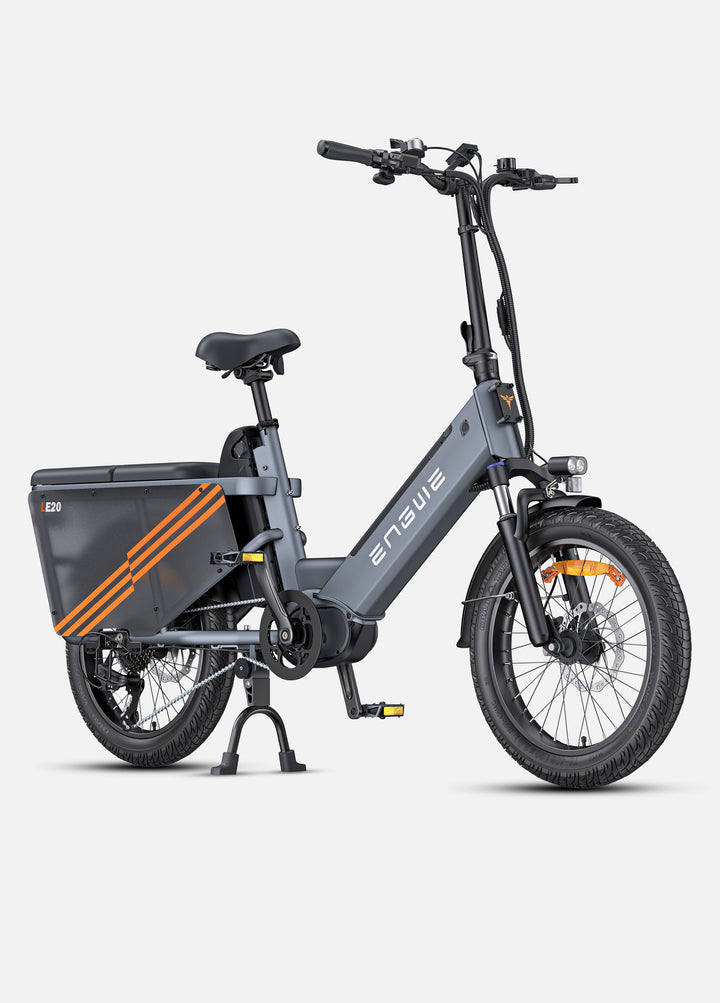
ENGWE L20 — Comfortable Step-Through for Daily Trips
The ENGWE L20 comes with a comfortable step-through frame, large tires to gain stability, and a 48-volt long-range battery. Its sitting position and its easy control make it suitable for new riders or any person who has not been on a bicycle in a long time.
The great variety and convenient usage make it dependable in the case of visiting the market, going to work, or spending the weekend.


Core Ebike Components Explained
Every electric bicycle depends on a few main parts working together smoothly. These components determine how the bike performs, how far it travels, and how comfortable it feels on the road.
-
Ebike motor — provides assistance during pedaling and supports climbs or acceleration
-
Ebike battery — stores energy and determines range
-
Ebike charger — replenishes the battery safely and at the recommended rate
-
Ebike accessories — items such as racks, lights, fenders, or upgraded tires that improve daily riding
-
Ebike helmet — essential for riders who want better protection at higher assisted speeds

Why Ebikes Feel So Fast
A rider may feel an ebike accelerate quickly than expected because electric assistance removes the initial effort required to get moving. An ebike that does not exceed the legal speed responsive during starts or hill climbs. Such rapid action tends to make an ebike fast in comparison with a regular bicycle.
The instant torque, constant geometry, and tuning of the pedal-assist give the rider a smooth yet powerful feel that would be enjoyed by new riders.

Choosing Between Different Ebike Styles
The frame design, range, terrain, and comfort are the four areas to consider when making a decision on the type of ebike to use in your life. Riders who commute daily may prefer a lightweight commuter ebike with efficient geometry. Riders who ride in mixed environments may opt to use a fat tire ebike to gain additional grip.
A cargo ebike supports heavy loads and stability, making it practical for families or utility use. A long range ebike helps riders cover extended distances without frequent charging.

Conclusion
Understanding what is an ebike gives beginners a strong foundation for choosing a model that fits their needs. It may be the routine ride to work or school, sightseeing on the weekend, or even set riding over rougher areas
Electric bicycles of today provide a moderate combination of comfort, power, and flexibility. Ebikes can make a good and enjoyable means of traveling with the availability of the right parts and with the right use.
Frequently Asked Questions
What is an ebike in simple terms?
An ebike is a bicycle equipped with an electric motor that assists pedaling. The motor still has the rider pedalling; however, the motor eases the workload on the upward hills and aids in accelerating the rider. It is a blend of conventional cycling and the light electric assistance.
How does an ebike motor work?
An ebike motor is enabled by the peddling of the rider, or in certain models, by pushing a throttle. The amount of power afforded by the motor is controlled by the controller. It is a system that enhances climbing and makes climbing easier and less straining, with the ride remaining stable and predictable.
What is the fastest an ebike can go legally?
Legal limits vary by region. Many areas cap assisted speed at 20–28 mph (25–32 km/h). The riders are able to pedal at higher speeds independently, but the motor ceases to offer assistance when the regulated limit is achieved. These regulations are aimed at making riding safe and regular.
How long does an ebike battery last?
A typical ebike battery lasts between 500 and 1,000 charge cycles before noticeable capacity loss. The range per day varies with the terrain, rider weight, the level of assist, and battery size. The majority of the modern packs have an operating range of between 30 km and much more than 100km per charge.
Do you need a special helmet for an ebike?
Most road-legal ebikes will only need a standard bicycle helmet, although higher assisted speeds necessitate more protective designs. An ebike helmet offers better coverage and stability, especially when riding on mixed or uneven terrain.