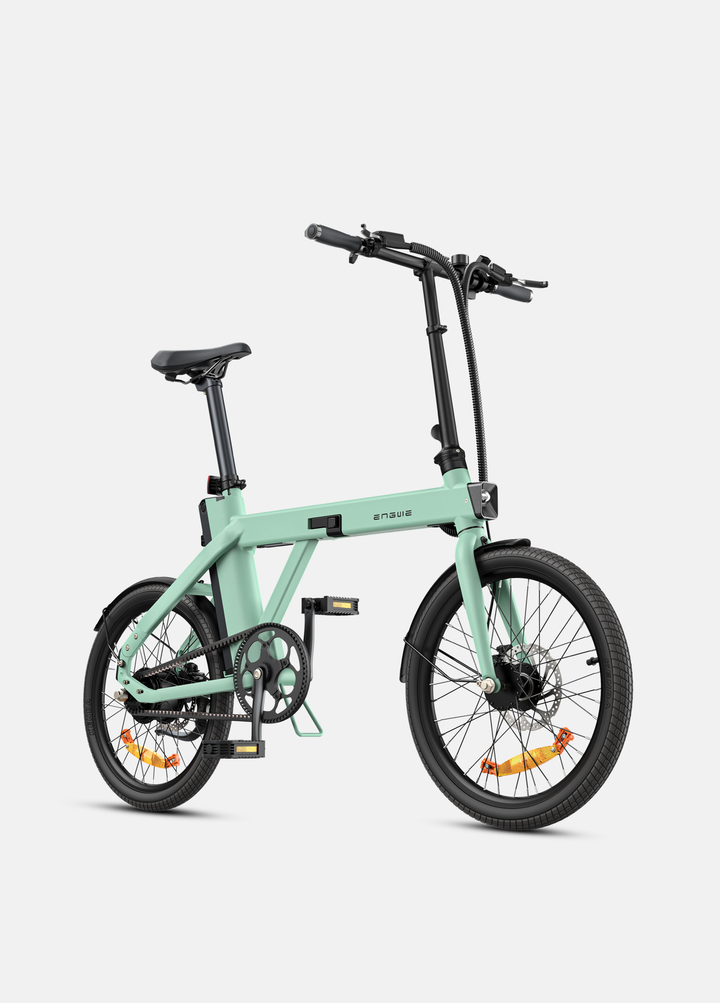
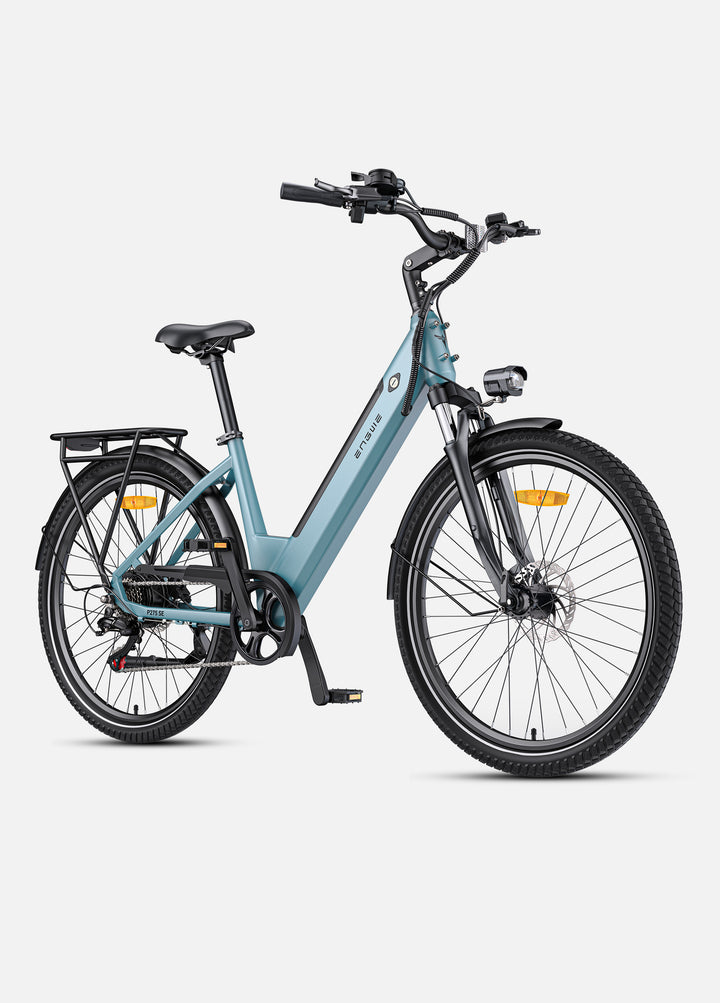
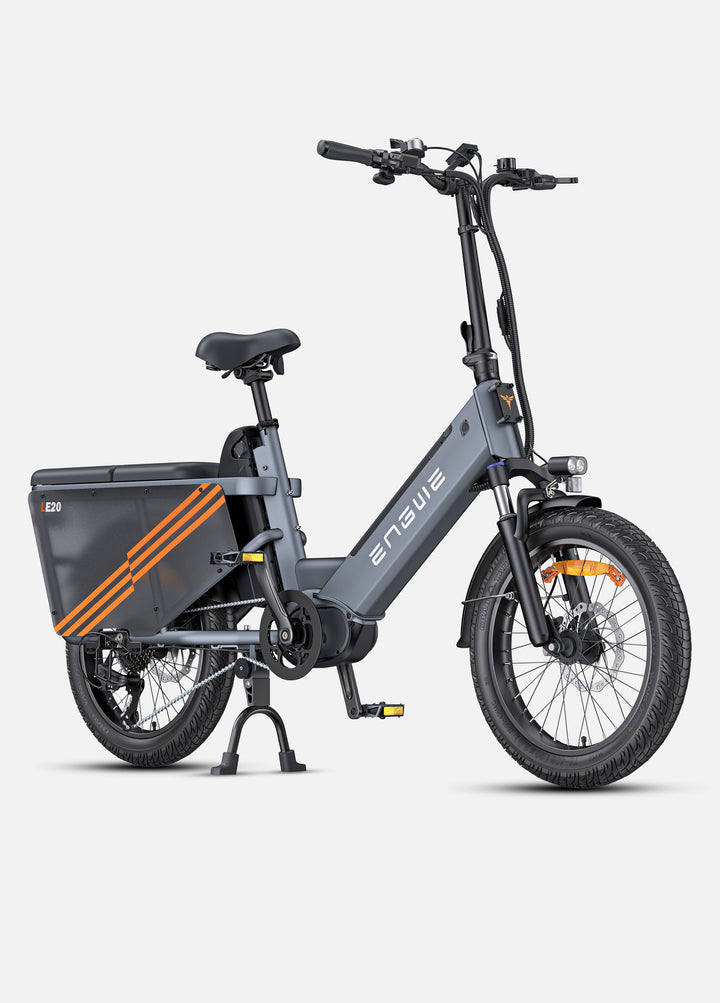
The first step in securing your bike is selecting the right lock for a bike. As the theft rates have gone up, particularly in the case of the electric ones, a proper lock is now more of a necessity than a choice. Ride every day or park now and then, the best bike locks choice will save you both time and money, as well as your bike and your peace of mind.
In particular, e-bikes are more valuable and should be more strongly protected. A well-built best ebike lock combines strength, smart design, and ease of use without slowing you down during daily rides.
What Makes a Good Lock for a Bike?
A good bike lock balances security and practicality. Heavy material prevents theft, and smart locking systems make the day-to-day use easy. Riders also tend to ignore usability, and even the best lock cannot work when it is inconvenient enough to be ignored.
Some of them are the lock material, the cutting tools' resistance, weight, and ease of attachment to your bike or bag. Understanding these basics helps answer what is the best lock for a bike based on how and where you ride.

Top 6 Security Options: The Best Bike Locks
Choosing the right lock for a bike depends on where you ride, how long you park, and the theft risk in your area. All of the types of locks have varying strengths, flexibility, and portability. The most reliable ones are given below with a description of examples in real life so that the riders can make an informed choice.
1. U-Locks / D-Locks
U-locks are also known to be among the best bike locks because of their hardened steel structure. The rigid shape of their bodies prevents easy cutting by bolt cutters, leverage attacks, and twisting techniques that thieves typically apply.
A heavy duty bike lock in U-lock form offers excellent resistance against bolt cutters and leverage attacks. Its steel shackle is hardened and thus very popular with urban riders who leave it in a public place to spend long durations of time.
Example:
The ENGWE U-Lock with a 5.9 ft security cable and 18mm shackle offers strong frame protection while allowing riders to secure wheels or accessories at the same time. This stratified method particularly comes in handy in crowded urban settings where there are increased chances of theft.

2. Folding Locks
Folding locks are a combination of enhanced portability and high-level security. They are made of hardened steel plates riveted together and are not easy to cut, though bendable to get around the bike racks or poles.
Folding good bike locks are among the best products that commuters prefer to use since they provide a high level of security, but at the same time, they do not make the bikes too heavy. They are also easily fitted on the bike frame to be used on a daily basis.
Example:
The ENGWE Compact Folding Bike Lock (100 cm) folds into a slim, frame-mounted case while providing enough reach to secure the frame to standard racks. It is a sensible option for riders who do not need to lose the convenience of riding daily.

3. Chain Locks
Chain locks are a good choice when the rider demands latitude along irregular or large locking areas. Good chain locks are made of hardened steel links with reinforced padlocks, and hence, they are hard to cut and saw.
Although they weigh more than others, they are frequently used in an overnight parking scenario or in a more risky parking situation. Chain locks, being utilized as a lock for a bike, offer flexibility rather than a sense of portability.
Example:
A chain lock of hardened steel is effective in residential parking, shared garages, or on racks that have massive posts, and rigid locks cannot always able to be used.

4. Alarmed Disc Locks (Accessory-Level Security)
Alarmed disc locks are designed to prevent movement rather than secure the frame itself. Once played with, they produce a loud, alarming sound that attracts attention and will prevent an attempt at stealing. While not suitable as the only lock for a bike, they are effective as a secondary layer of protection—especially in high-traffic areas.
Example:
An alarmed disc lock that attaches to one wheel and which alarms when rolled away will make the bike difficult to roll away without being noticed, and is best used in combination with a primary frame lock.

5. Cable Locks (Low-Security / Accessory Use)
Cable locks are also easy to move because they are light in weight, but do not have high resistance to theft. They can never be considered as the primary means of security. Cable-type locks are the most appropriate bike locks to use when leaving accessories like a helmet or bag at a low-risk location in the short term.
Example:
The Spiral Cable Combination Lock with a 10,000-set zinc alloy mechanism is useful for securing helmets or quick errands, but it should always be paired with a stronger primary lock.

6. Smart Locks (Technology-Enhanced Options)
Smart locks are equipped with such features as motion sensors, connection to the app, and keyless opening. These functions will enhance convenience and offer live warning features, yet physical power is a necessity. As part of a layered security setup, smart locks work best alongside traditional best ebike lock options rather than replacing them.
Example:
A smart folding lock, which includes an alarm, is a combination of physical resistance with electronic alerts, which attracts riders who would like their lock to be both secure and technologically advanced.

How to Set a Bike Lock for the First Time
Knowing how to set a bike lock for the first time ensures you’re using it correctly. This is to prevent accidents on the frame--not only on the wheel. Keep the lock as tight as possible to minimize the leverage, and key holes should be placed lower to make it difficult to tamper.
Practicing proper locking technique matters just as much as the lock itself.
Choosing the Right Lock for Your Riding Style
The best lock for a bike is based on the duration and place of parking. Urban riders enjoy the use of U-locks or alarm locks, whereas casual riders can use folding or chain locks. Using two locks enables combining the bike locks to add a lot of security.
Conclusion
A strong lock for a bike is one of the smartest investments any rider can make. With sturdier U-locks to smart alarms, the current selections are valid in all ways of riding. Properly secured lock--and with it--the chances of being stolen are minimal, and your bikes are secure, whichever place you go.
Frequently Asked Questions
What is the best lock for a bike?
A hardened steel U-lock is the best lock to use on a bike as it is able to resist the attacks of a bolt cutter, leverage, and twisting. In more vulnerable regions, a U-lock, combined with a 2nd cable or folding lock, provides more secure protection that is more layered.
How to set a bike lock for the first time?
Start by locking the bike frame to a solid, immovable object such as a rack or pole. Not a wheel, but pass the lock through the frame, making it fit tight, less leverage or cutting room.
Are folding locks secure enough for e-bikes?
Yes, a good security of e-bikes equipped with a high-quality folding lock using hardened steel will secure the bikes in case they are used properly. Their use is most effective in commuting and moderate-risk neighborhoods, although these locks have to be supplemented with a second lock in high-theft neighborhoods.
Is a cable lock safe for locking a bike?
Cable locks are not the best option for locking up a bike. They are fast to cut, and they should be used solely as an accessory or as a secondary lock to a better and stronger one.
Should I use more than one lock on my bike?
The combination of two types of bike locks is of great help in enhancing security. In the urban setting, bikes that may need several tools and take longer to target will be less likely to be attacked by thieves.