The most significant move towards ensuring that your rides are comfortable, efficient, and safe is finding the right bike length for your height. A small frame makes the rider feel cramped and powerless, whereas a large frame makes the bike hard to control. Correct fit enhances a better posture, decreases fatigue, and eliminates long-term strains, so that your bike acts as an extension of the body.
The first step towards knowing what size bike I need is to compare my inseam and height with the frame. The sizing remains predictable by most manufacturers; however, knowing how to measure yourself will provide accuracy regardless of the brand or the type of bike.
Why Bike Length Matters
The term bike length for height used in reference to the joint association of the frame size, the top tube reach, and the rider's proportions. When all these are coupled, the pedaling will be more efficient, the weight distribution will be better, and the bike will respond intuitively to steering input. The difference can be felt instantly by the riders, which is improved balance, improved cadence, and increased confidence to ride.
Selecting the appropriate size also minimizes the strain on the lower back, shoulders, and knees. Given that all riders have different body proportions, a bike frame size chart and inseam measurement is the most appropriate start point.

How to Measure Inseam for Accurate Sizing
The secret to the translation of height to a correct frame recommendation lies in the inseam. The connection between inseam length and height for bike size can be used to determine your optimal standover height and riding posture.
To measure accurately:
Keep your feet at the same distance as your shoulders, and get a book between your legs that you sit on as though it were part of a saddle, and take the distance between the floor and the book on top.
This centimeter gives the measurement of your inseam, and it will give you the foundation upon which the decision on the road, hybrid, and mountain frames will be made.

Bike Size Chart by Height (General Reference Guide)
Most riders can use this simplified bike sizing chart, although all brands are slightly different:
|
Rider Height |
Suggested Frame Size |
Works Best For |
|
4'10"–5'2" (147–158 cm) |
13–15" |
Small MTB / XS Road |
|
5'3"–5'6" (159–168 cm) |
15–17" |
Medium MTB / Small Road |
|
5'7"–5'10" (169–178 cm) |
17–19" |
Large MTB / Medium Road |
|
5'11"–6'2" (179–188 cm) |
19–21" |
XL MTB / Large Road |
|
6'3"+ (189 cm+) |
21–23" |
XXL MTB / XL–XXL Road |
This bike size chart by height provides a good starting point, but persons with longer legs or shorter torsos may require a slight alteration.

Road Bike Frame Size Considerations
The choice of the road bike frame size is particularly delicate, as the geometry of a road bike relies on longer top tubes and aggressive positioning. Riders that are speed motivated or endurance based would want to have a frame that would enable them to lean forward a bit and have the shoulders loose and the elbows soft.
A frame that fits perfectly can give improved efficiency to cadence, and drag is less than a frame that is undersized or oversized because the former can cause strain to the knee or the inability to control the bike at a higher speed.
General road bike frame size guide:
- Riders 5’3”–5’6”: 52–54 cm
- Riders 5’7”–5’9”: 54–56 cm
- Riders 5’10”–6’0”: 56–58 cm
- Riders 6’1”–6’3”: 58–60 cm
Mountain Bike vs. Road Bike Sizing Differences
The smaller frames are common with mountain bikes since they need more maneuverability. Road bikes, in their turn, elongate the rider to achieve efficiency and speed.
Key differences:
- MTBs are concerned with rough-terrain control - reduced reach and reduced standover.
- Road bikes focus on speed - greater reach, higher frames.
- Hybrid bikes are in between as a balance between comfort.
- The upright ergonomics of e-bikes tend to adhere to the size of the MTBs.
This feature assists in narrowing down the correct bike length for height, according to the height, as per the objective of riding.

How Bike Categories Affect Fit
Bikes have different weight distributions, which affects how the bike length for height is calculated.
Road Bikes
All these preferences are towards longer distances and wider positions. A close second to inseam measure is sizing, since efficiency and aerodynamics are the most important.
Mountain Bikes
MTBs have narrow handlebars and shorter top tubes. Numerous riders scale down a little to enable them to play around on technical trails.
Hybrid and Commuter Bikes
These are upright geometries, and they permit a range of frame sizes without compromising comfort. Height is one of the main factors that riders use to select.
Having information on the desired riding style will allow a person to interpret the bike frame size chart more properly.

Signs Your Bike Length is Incorrect
Knees are experiencing tension on climbs.
- Bent shoulders or going too long to the bars.
- Problem with low-speed balancing.
- Cramped during the higher cadence peddling.
When any of these happen, reconsider the choice of bike length for height.
Examples of Bikes That Offer Flexible Sizing
Other bikes have been designed to have versatile geometry, which allows the rider to easily adjust their position. The adjustable seatposts, ergonomic armrests, and step-through features allow accommodating various body shapes.
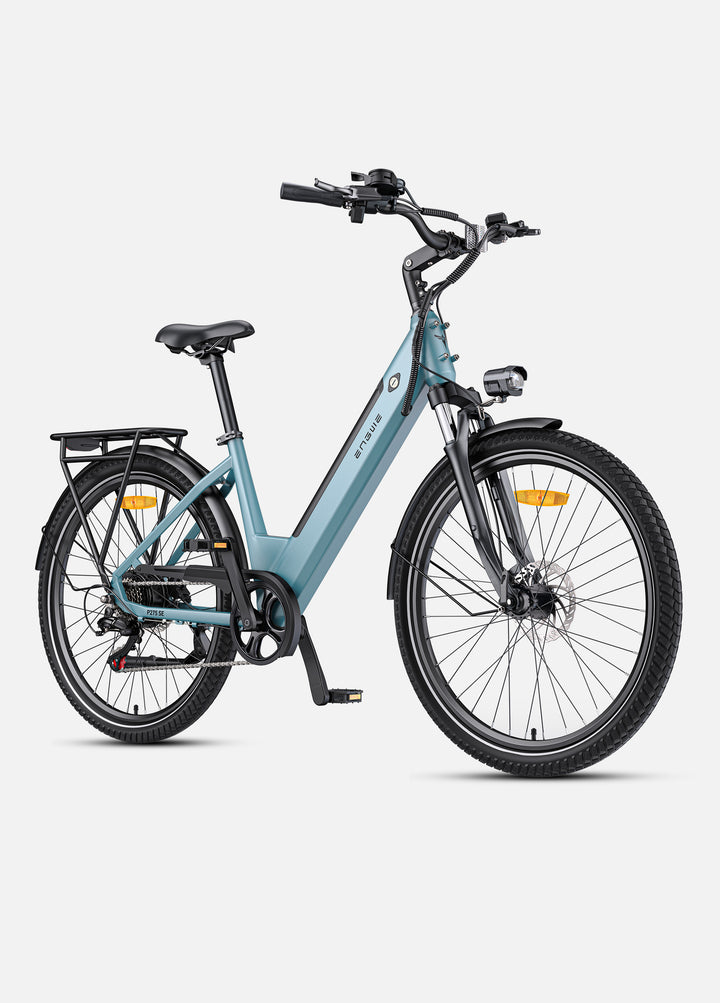
ENGWE P275 ST (Flexible Urban Fit)
This ENGWE P275 ST ebike model employs a step-through design and an upright geometry, and thus it can be easily ridden by a broad spectrum of rider heights. It has an adjustable seat post and ergonomic bars that allow one to use a natural posture on long commutes.


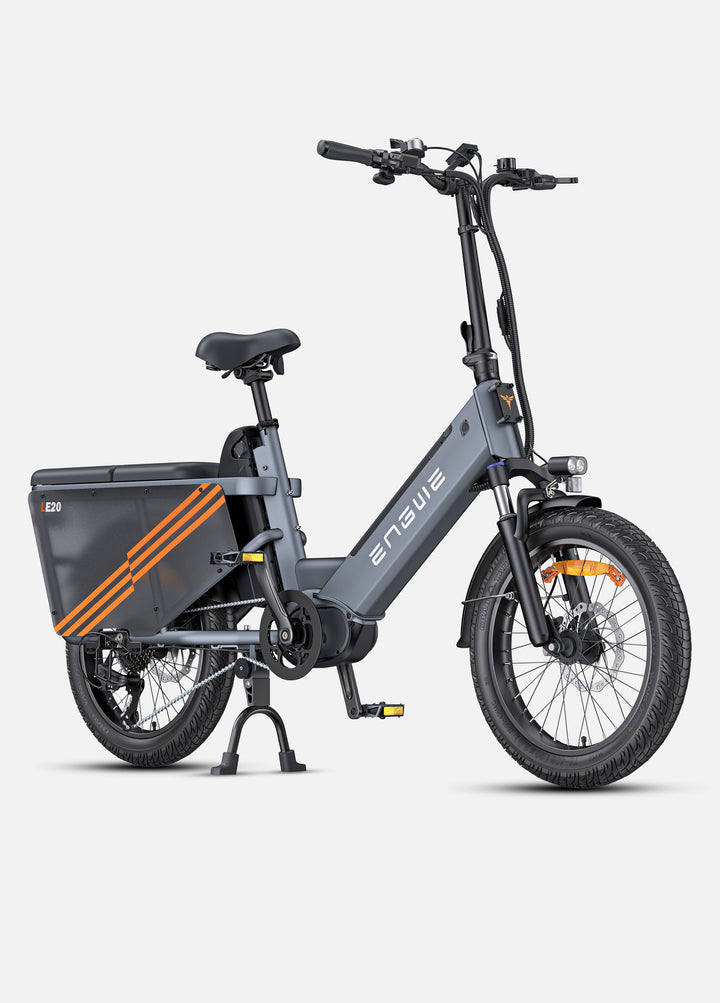
ENGWE L20 (Accessible Utility Fit)
The small ENGWE L20 fat-tire model is highly stable and can fit most rider sizes. It is easy to stand around, and its adjustable parts allow novice riders to feel instantly comfortable in balance.


Trek FX Series (Competitor Example)
The classic example of a hybrid fitness frame is one that has several sizes and a reputation for always having precise geometry. Riders like the fact that it is easy to fit height and inseam to the perfect frame.
These are just a few instances that demonstrate how some designs make it easier to choose the right size, and still ensure that the bike length for height is appropriate.

Conclusion
The proper bike length for height makes every mile more enjoyable, efficient, and smooth. Through the correct inseam, understanding of frame geometry, and the impact of the frame geometry on comfort, and with a clear bike size chart based on height, riders have a chance to select a bike that can support their posture, performance, and comfort over the long term.
Frequently Asked Questions
What size bike do I need if I’m between two sizes?
What size bike do I need if I’m between two sizes?
The smaller size is preferred in case you need control and agility, or the bigger size is needed in case comfort and leg extension are more important. The fit is usually refined with adjustable stems and seatposts.
Does inseam matter more than height for sizing?
Does inseam matter more than height for sizing?
Yes. Inseam has a direct influence on standover clearance and pedalling extension. The height gives an approximate estimate, and inseam guarantees accuracy when any bike sizing chart is used.
Can the wrong bike size cause injuries?
Can the wrong bike size cause injuries?
Lack of fit can cause knee pain, back discomfort, or discomfort in wrist discomfort. The correct bike length for height prevents excess strain in the long term by ensuring that one adopts a natural posture and position.
Do road bikes and mountain bikes use the same sizing?
Do road bikes and mountain bikes use the same sizing?
No. Road bikes are taken in centimeters, and more care is needed because of inseam, whereas the mountain bikes are taken in inches and there is more flexibility since they are ridden upright.