Fanatics of the electrified mobile world keep pushing for more power, more speed, and more mileage. The 72V ebike battery is actually the one that leads this high-performance revolution at a fast pace. Electric bikes usually have 36V or 48V systems, which meet road regulations. In contrast, the 72V system is meant for high-performance off-road use and custom builds only. Anyhow, it is necessary to know the safety measures and to have maintenance if you dare to use such high voltage.
This article covers key aspects of 72V battery safety. It includes practical storage tips and discusses the features of top energy storage systems.
Understanding the Power of a 72V Battery
A 72v battery offers much more potential energy than standard batteries in commuter e-bikes. One can think of voltage as the "pressure" of electricity; higher pressure means that more power can be given to the motor more efficiently. A 72v battery for ebike builds is ideal for users who want quick acceleration and can easily tackle slopes.
A 72v 5000w ebike kit with battery can deliver amazing results. You can expect shocking torque and a top speed that often exceeds legal limits for street use. But this energy has to be handled carefully. The materials inside a lithium-ion 72 volt battery are quite sensitive if the battery is not treated properly. Higher voltage means more cells in series. This makes the BMS (Battery Management System) more complicated. It needs to keep the pack balanced and safe.

The Safety Risks of High Voltage Systems
When operating or building a high-voltage electric bicycle, safety must be the first concern. A battery 72v pack delivers a high enough voltage to shock a human dangerously, so you should not handle it with your bare hands or without the correct tools. Besides that, the energy density in such packs is very high.
Thermal runaway is arguably the most significant risk of a lithium-ion battery of any high capacity. Basically, it is a situation when one cell gets overheated, and a chain reaction is activated in the cells around it. In a 72v battery ebike, multiple cells are packed together to achieve the right voltage and capacity. So, it’s crucial that the battery has enough cooling and strong physical protection.
Moreover, riders should be on the lookout for "garage builds" or non-branded batteries that might not have a complex BMS. A good BMS monitors the voltage of each cell group. This helps prevent overcharging and over-discharging. These issues are the main causes of battery failure and fire. Also, check the manufacturer's safety certificates. This is key if you want the best 72v ebike battery.
5 Essential Care Tips for Your Ebike Battery
The same rules for battery care apply to a 72V custom bike with high power or a daily commuter that meets the regulations. By following the right upkeep, the life of your battery can be increased to twice as long and security will be ensured.
1. Master the Charging Cycle
Charging a battery in the wrong way is by far the most frequent cause of the various types of battery damage. As a rule, it is good to keep in mind that one should always attach the charger that is made for the battery in terms of the voltage and chemistry.
If you want to charge a 72v battery for electric bike, using a 48V charger won't work. The battery won't charge at all. However, if you happen to use a higher voltage charger on a lower voltage battery without knowing it, the battery can catch fire or explode.
In order to prolong the life of your battery, it would be best if you could maintain the battery charge within the range of 20% and 80% for your everyday use. It's fine to charge your battery to 100% for a long trip. However, leaving it at 100% or 0% for weeks can age its internal chemistry. Today, systems like ENGWE batteries use advanced, durable cells. Still, it's wise to maintain good habits.

2. Temperature Management
Lithium-ion batteries can be compared to humans in a sense that they are temperature sensitive. When the temperature is very low, the electrolyte thickens. This reduces range and power.
But if the temperature is too high, the cells can get permanently weakened. It is absolutely forbidden to charge a battery that is frozen. In case you were riding in the cold, take the battery indoors and let it stand at room temperature before charging it. In the same way, don't store your bike in a hot place, such as a window where it can get solar rays during the summer.
3. Avoid Deep Discharge
It's super bad for the cells if you run your ebike battery 72v flat (0%). If the voltage goes under a very low safety limit, the BMS may close the battery forever in order to prevent a fire hazard when charging again. That is to say that your costly battery becomes a dead piece of metal. So, schedule your trips in such a way that you still have 10-20% left when you get back home.
4. Regular Physical Inspection
High-voltage batteries tend to be heavy. The shakings due to riding, especially off the beaten track, may separate the connections or even break the casing. Check your battery mounts and the battery case for cracks, dents, or rattling sounds now and then.
In case of a 72v ebike battery 5000w you are using, the mechanical forces are doubled. A broken case will attract water which will cause short circuits.

5. Prioritize Quality Components
At no time should quality be compromised when changing or upgrading a battery. Well-known manufacturers put branded cells (like Samsung or LG) through thorough testing. Just to mention, ENGWE batteries have been popular for their stability and safety features.
Their regular range is mainly for 48V systems that meet road safety standards. The product's quality serves as an excellent reference. Their battery packs have strong BMS units. These units prevent short circuits and control temperature increases.
While you are looking for a 72V battery pack, you should also expect the same openness regarding the type of cells and BMS.
Safe and Compliant Alternatives
Most of the riders in Europe and the UK consider it a must to adhere to the law if they want to be covered by their insurance and be safe. While 72V systems are fun in private areas, 48V e-bikes are still powerful. They work well for commuting and recreation, plus you won’t run into legal issues.
ENGWE offers a range of electric bikes. They meet legal standards and provide great quality. Plus, they perform well within the 250W limit. These models are equipped with powerful 48V systems that ensure good torque and long range.
ENGWE Engine Pro 3.0 Boost
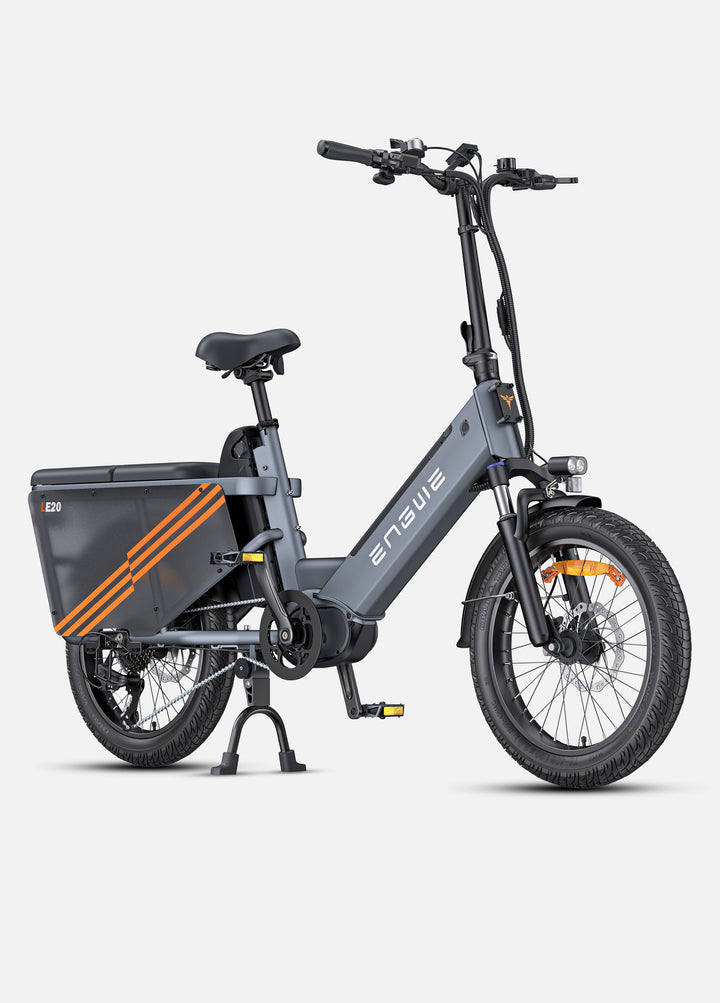
The ENGWE Engine Pro 3.0 Boost is a wonderful illustration of a legal off-road vehicle. It has a 250W motor and a large capacity 48V battery to ensure long rides with a good feeling of security. The torque sensor technology makes the bike very responsive, which is great for a powerful yet controlled ride.


ENGWE L20 3.0 Boost
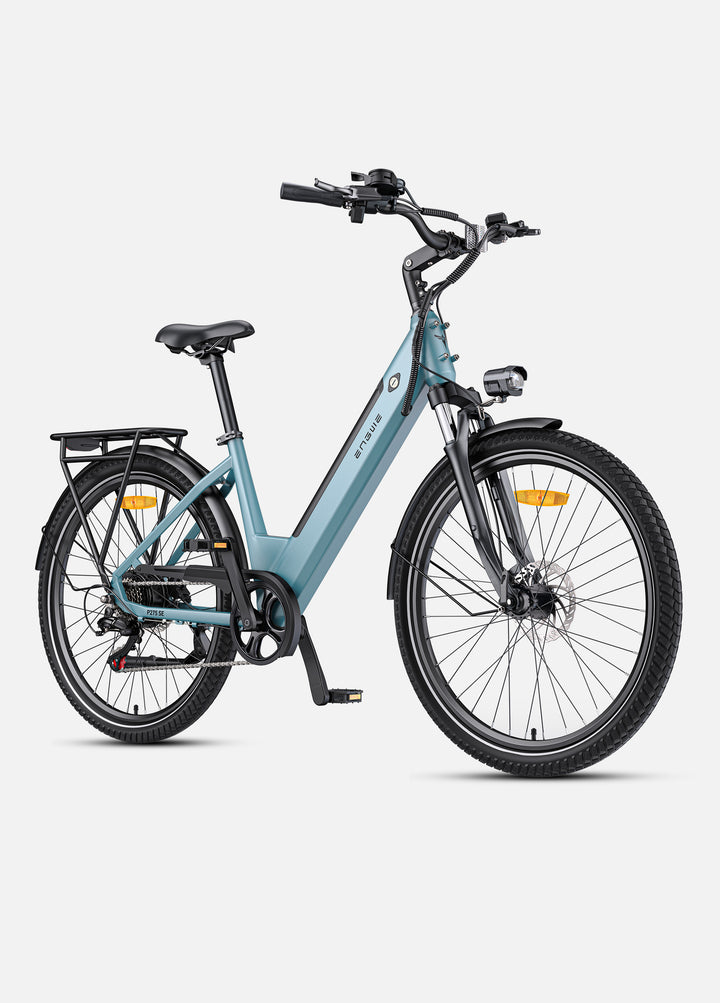
The ENGWE L20 3.0 Boost is a city-friendly bike with a step-through frame. It features a safe and reliable 48V electrical system. It is great for people who want a comfortable riding experience and an easily removable battery for charging.

ENGWE EP-2 3.0 Boost
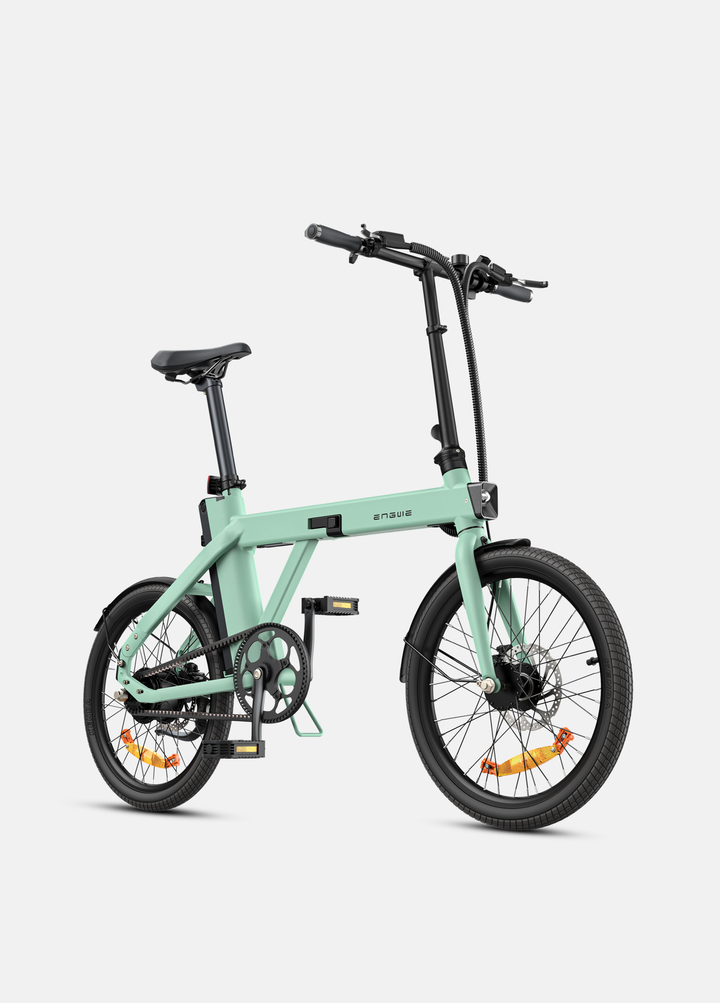
The ENGWE EP-2 3.0 Boost is a compact folding electric bike that is able to carry performance without sacrificing portability. The 48V system is done very efficiently, which is proof that a 72V system is not necessary for a strong and fun ride.
These bikes show that a good 48V system can handle hills and long distances. They do this safely and efficiently.


Choosing the Right Battery for Your Needs
Choosing a 72V ebike battery cannot just be done by looking at the voltage. You have to ensure that the continuous discharge current (Amps) of the battery matches that of the motor's controller. A 72V 5000W ebike kit will generally require a battery that can deliver 60 to 80 Amps continuously. In case the battery is too small, it will get heated and will stop working with the load (voltage sag), cutting out.
Moreover, think about the size of the battery. High-voltage batteries are big and heavy. Make sure that your frame has enough space and is strong enough to be able to mount the battery safely. The majority of riders would probably say that the difficulty and legal gray area of 72V systems are not worth their time.
Frequently Asked Questions
1. Is a 72V battery dangerous for beginners?
Definitely, 72V battery systems are more dangerous in terms of electric shock and fire than lower voltage systems. They can deliver power much higher than normal e-bikes. So, they should only be handled by skilled users and require strict maintenance. People new to the field will be better off with a standard 36V or 48V compliant system.
2. Can I use a 72V battery on a 48V ebike?
It is not possible to connect a 72V battery directly to a 48V controller. The elevated voltage will very quickly burn the controller, the display, and maybe even the motor. A complete electrical system upgrade to support the higher voltage is the only way.
3. How long does a 72V ebike battery last?
It normally takes a properly cared-for Li-ion battery from 500 to 800 full recharge cycles until its capacity lowers to 80%. In the case of a 72V ebike battery, this is mainly a matter of the degree of its usage. High discharges will, therefore, shorten the battery life more than a low discharge would.
4. What is the main advantage of a 72V system?
The main benefit is essentially fast speed and great power. A 72-volt battery lets the motor spin faster and generate more torque. This makes it ideal for off-road climbs and quick acceleration. It can exceed the limits of typical street-legal bikes.
5. Are ENGWE batteries compatible with 72V kits?
ENGWE batteries are made for their particular 36V and 48V systems to maintain safety and standard requirements. They should not be used in a custom 72V ebike battery 5000W configuration. Keep it safe and just use the battery that matches your bike's voltage.