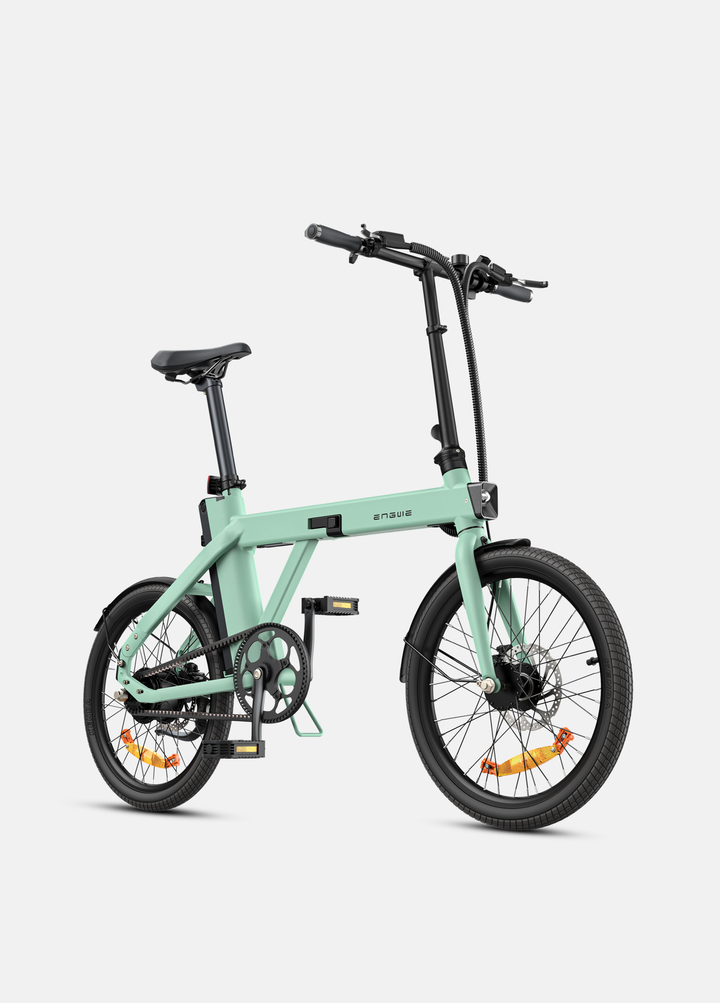
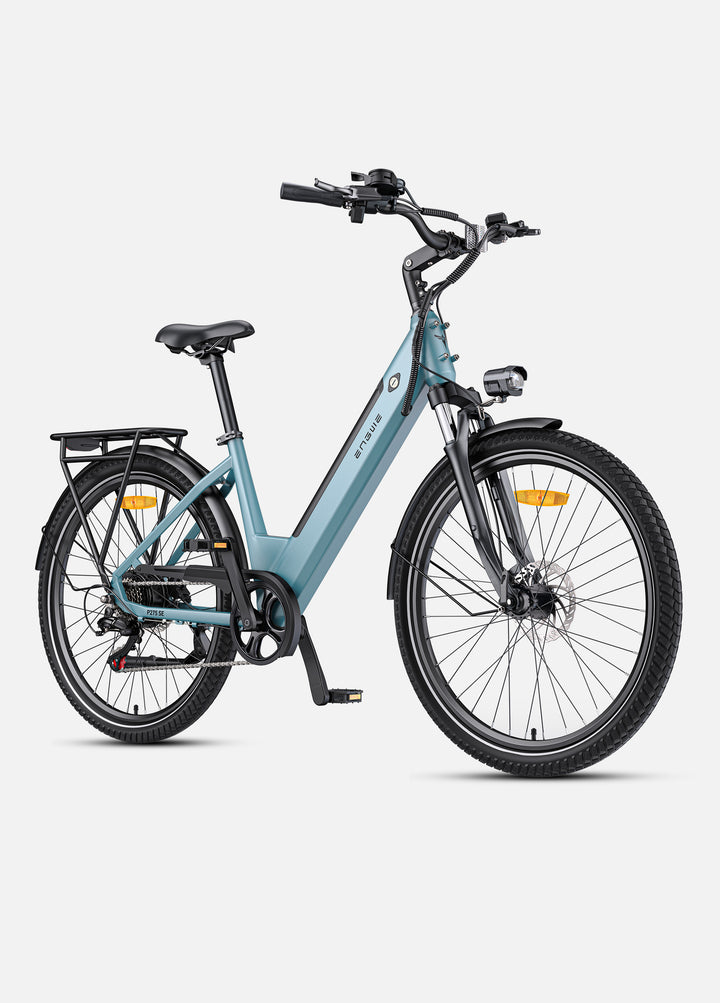
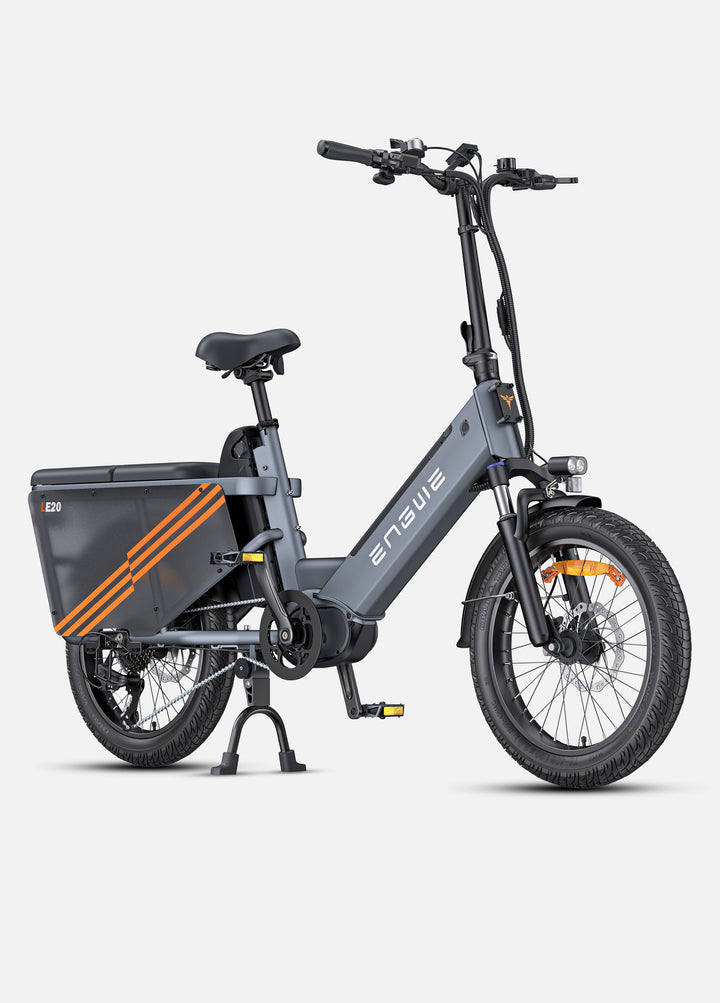
Electric bikes are evolving quickly, and one of the biggest decisions riders face is choosing between a belt drive ebike and a traditional chain-driven electric bike. Each of the two systems is effective in driving the rear wheel but they have their strong and weak points in relation to the way, where, and frequency of riding.
This guide divides the distinctions, advantages and disadvantages, the suitability of the riders, and the best models of 2025.

What Is a Belt Drive Ebike?
In a belt drive electric bike, a reinforced carbon belt is used in place of a metal chain to transmit the pedal power. These belts are typically composed of some strong rubber compounds which have internal carbon fibers to make them strong.
Belt systems are exceptionally clean and run at a supremely quiet level without metal connections and lubrication. A majority of them come with internal gear hubs or mid-drive motors to ride easily in the city.

What Is a Chain Drive Ebike?
Chain-driven ebike applies standard metal connections, which are used to pass on power between the pedals or motor to the cassette. This is the type of the most widespread drive on electric bikes. Chain systems facilitate derailleur gears, high motor torque and a broad range of riding styles - commuting to mountain biking as well as cargo hauling. The reason why riders like it is because it is familiar, cheap, and it is wide-ranging.
Advantages & Disadvantages of Belt Drive Ebikes
Advantages
-
Ultra-low maintenance — No rust, no grease, no lubrication needed.
-
Exceptionally quiet — A belt driven ebike produces almost no drivetrain noise.
-
Clean riding experience — Clothing and hands stay grime-free.
-
Long service life — Quality belts last thousands of kilometers.
-
Ideal for commuters — Best belt drive ebike options excel in daily city traffic.
Disadvantages
-
Higher purchase price — Belt drive systems cost more upfront.
-
Limited gearing options — Typically paired with internal hubs only.
-
Harder to replace or repair — Fewer shops stock ebike belt drive parts.
-
Not ideal for heavy off-road torque — Belts can’t match chain strength in extreme conditions.

Advantages & Disadvantages of Chain Drive Ebikes
Advantages
-
Lower cost — Chain systems keep ebike prices budget-friendly.
-
More power compatibility — Supports high-torque, high-speed motors easily.
-
Easy to maintain or replace — Parts for ebike chains are widely available.
-
Best for off-road and cargo — Stronger under heavy load and variable terrain.
-
More gearing choices — Works with derailleur systems and wide-range cassettes.
Disadvantages
-
Requires regular cleaning and lubrication
-
Noisier than belt systems
-
Can stain clothes with oil or dirt buildup
-
Faster wear due to torque and exposure

Which Riders Should Choose Which?
A belt drive ebike is most suitable to those riders who would like to experience a clean, quiet and low maintenance ride. Occasional riders on a smoother road like an urban commuter, indoor bike owner, and rider whose routes are mostly on paved roads enjoy the benefits of a maintenance-free smooth belt drivetrain. Its stability and lack of noise also render it suitable to city settings, well-planned trails and riders who would not like to spend time on lubricant and other chain maintenance.
A chain drive ebike would be more appropriate to those riders who require power, torque, versatility, or affordable varieties. Off-road adventure travelers, mountain climbers, load carriers, and families with children usually use the power and changing of gears of chains. The chains deal with rough surfaces, heavy weight and steep climbs better, and therefore the riders have a more diverse performance in various conditions.

Top Belt Drive Ebikes
Electric bikes with belt drives are gaining momentum among commuters as they wish to get smooth, quiet, and low-maintenance rides. Good illustrations of the performance of belt-drive systems in practice are given below.
ENGWE P20 Belt Version – Urban Folding Belt Drive
The ENGWE P20 with belt drive and equipped with a belt is a perfect representation of a ebike with belt drive that is made to live in the city, should it be available in your location. It has a small folding frame, soundless belt system, and lightweight design which makes it the choice of commuters who prefer a clean, low-maintenance ride but not messy and chain related repairs. The package is rounded off with smooth acceleration and a modern appearance.
Why It Fits:
-
Clean belt drivetrain for indoor storage
-
Compact folding design for commuting
-
Quiet and simple operation


Veloretti Electric Ivy – Premium Belt Drive Commuter
One of the best options for riders who are interested in sleek look and almost silent ride. This belt drive commuter ebike with a carbon belt and an inner gear hub that is capable of providing long-lasting and maintenance-free operation. Efficient in cities where terrain is flat and also suited to riders who desire to have a smooth ride.
Why It Fits:
-
Premium urban comfort
-
Long-lasting Gates belt system
-
Low-maintenance commuting

Priority Current — Premium Belt Drive Commuter
The Priority Current is among the most accomplished belt drive electric bikes of contemporary commuters. Its Gates Carbon Drive, internal gearing and fine mid-drive motor make it almost quiet and very clean to ride. A daily city bike, it is easy to maintain, highly weatherproofed, and riders can be confident of power delivery to last a long time without having to service their bike too often.
Why It Fits:
-
Gates Carbon belt
-
Mid-drive efficiency
-
Internal hub gearing

Top Chain Drive Ebikes
Chain-drive models remain the most versatile and powerful option for riders who need torque, hill-climbing strength, and flexible gearing. Below are examples that demonstrate why chain drivetrains remain dominant across off-road and commuter categories.

RadRover 6 Plus – Versatile Fat Tire Chain Ebike
A dependable chain-driven electric bike built for mixed terrain. Its wide tires, robust motor, and easy serviceability make it a popular choice for riders who want a durable, all-purpose machine. The chain setup allows better torque transfer compared to belt systems.
Why It Fits:
-
Great for beginners and commuters
-
Chain offers flexibility and higher torque
-
Easy parts availability

ENGWE X24 – High-Power Chain-Drive All-Terrain Ebike
The ENGWE X24 showcases why chain systems dominate powerful off-road designs. With massive torque, fat tires, and a suspension system built for rugged terrain, a belt system simply wouldn’t withstand this level of force. When riders compare belt vs. chain for off-road performance, the X24 clearly demonstrates the chain’s advantage.
Why It Fits:
-
Chain system handles high torque
-
Excellent for trails, hills, and rural terrain
-
Strong power delivery


Aventon Aventure.2 — Versatile Fat Tire Chain Ebike
The Aventon Aventure.2 is one of the most capable fat-tire chain-drive ebikes, built for pavement, gravel, and off-road riding. Its torque-sensing controller improves responsiveness, while the robust frame and 4-inch tires provide stability across difficult terrain. This model demonstrates why chain drivetrains remain preferred for power, torque delivery, and multi-surface versatility.
Why It Fits:
-
750W hub motor
-
Torque sensor
-
26×4” fat tires

Conclusion
The decision between a belt drive ebike and a chain-driven model will be entirely based on the way you are going to use it. Belt systems provide commuting without noise and without any maintenance and thus they are ideal in a city lifestyle. Chain drivetrains, in turn, provide more torque, superior gear range with strong motors, which suit off-road and cargo riding, as well as adventure driving.
You can pick either a quiet belt drive commuter or a rough-and-tough chain-driven trail machine; it’s only when you know the differences that you can make the most intelligent long term decision.
Frequently Asked Questions
Are belt drive ebikes more durable?
Yes. High-quality belts last thousands of kilometers with minimal wear, especially for city riders who avoid heavy torque and rough terrain.
Is a chain drive better for off-road?
Absolutely. Chains handle higher torque, steep climbs, and impacts far better than belt systems, making them ideal for mountain and fat-tire ebikes.
Do belt drive ebikes need maintenance?
Very little. No lubrication is required. Just rinse occasionally to remove dust or sand for smooth operation.
Are belt drive electric bikes more expensive?
Yes, belts and internal hubs increase cost, but riders save money on long-term maintenance and part replacements.