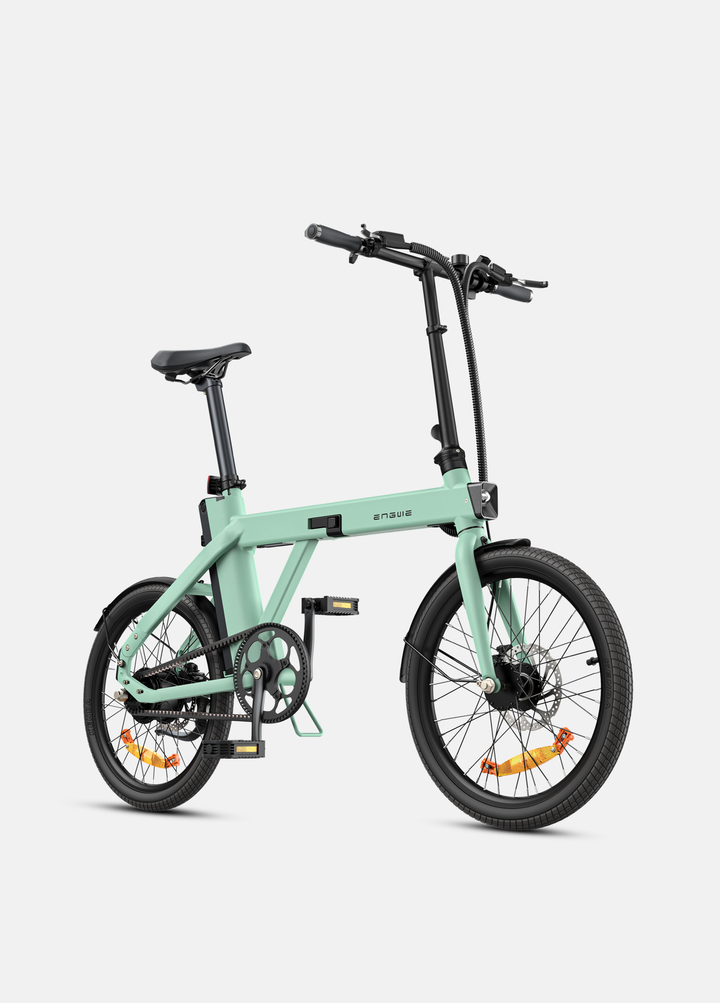
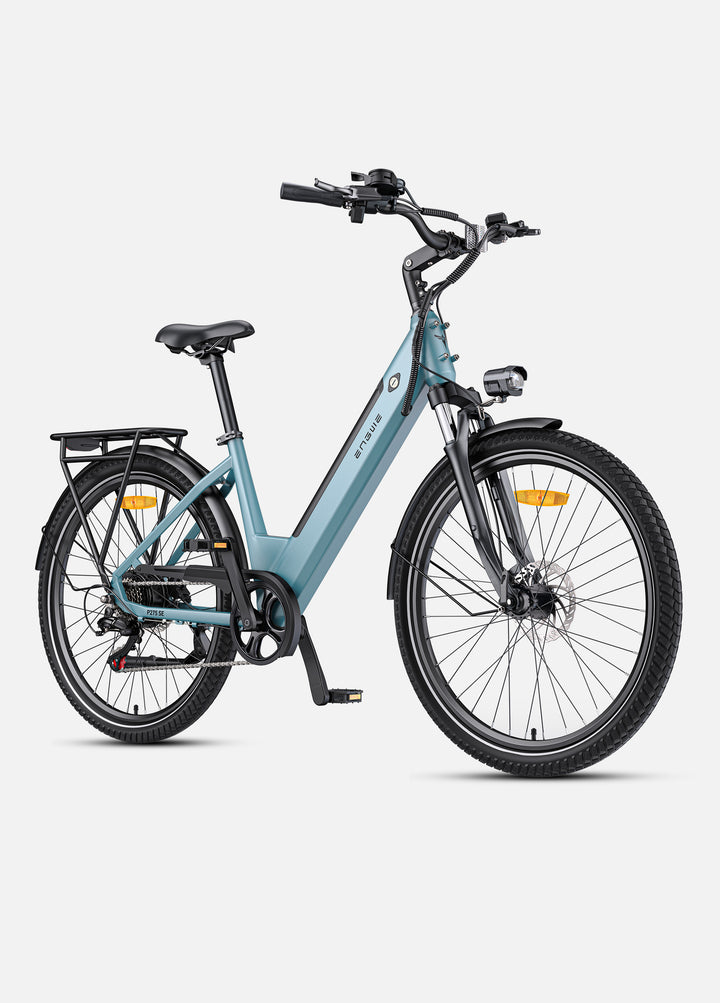
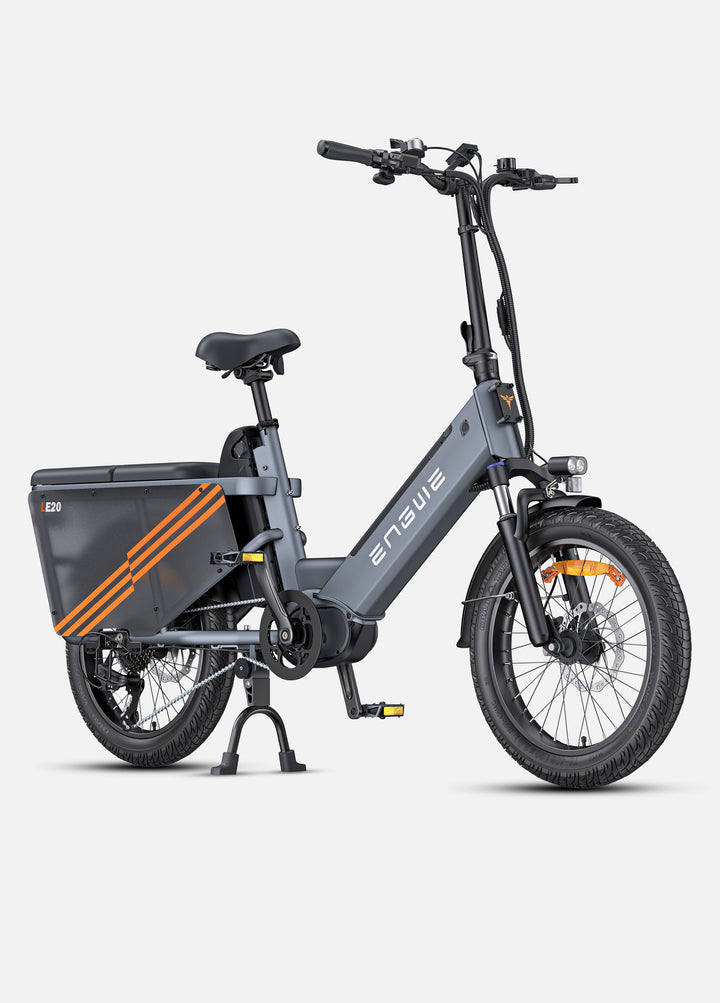
Comparing a Class 1 e-bike with a Class 3 e-bike might confuse you as to which one is really better for your use. New riders often find it difficult to decide between ebike classes and it becomes an endless puzzle to choose between a comfortable bike and a fast riding experience for for everyday commuting.
But don't worry! We are here to explain how different e-bike classes perform on real streets and trails, and to see how speed limits affect everyday riding. While these class distinctions may seem a bit complex at first, the good thing is that each class is designed for a specific type of rider.
This guide helps you differentiate the features of a class 1 electric bike from those of a class 3, actual speed differences, and ride experiences. Moreover, you will find a clear distinction of each class and which class is suitable for you according to your lifestyle, accompanied by some popular models for both relaxed trails and quick city commutes.
Class 1 vs Class 2 vs Class 3 Electric Bike: A Quick Comparison
What are class 1, 2, and 3 electric bikes? And how do these classes affect your daily rides? Knowing the difference between class 1, 2 and 3 electric bikes is easy when you take into account speed limits, pedal assist regulations, and the places where each bike is allowed.
Class 1 vs Class 2 Electric Bike
A Class 1 electric powered bike is one that pedal assists up to 20 mph. A Class 2 e-bike additionally stops assisting at 20 mph however has a throttle which could pass the motorcycle without the want for pedaling. This is the principle difference. Where some paths may permit Class 1 ebike, can be a hurdle for Class 2 because of the throttle. If you're after legal access everywhere and a more conventional journey, a Class 1 e-bike would usually be the better alternative.

Class 1 vs Class 3 Electric Bike
A Class 1 electric motorbike helps customers with pedal assist till the speed of 20 mph is reached and beyond that restriction, the motor only works whilst you pedal. On the other hand, a Class 3 e-bike extends the help to the rider with pedal assist up to 28 mph, which is best for long trips and fast street travel. Due to their higher speed limits, maximum Class 3 units are not allowed on common paths. Those who need comfort and easy access almost everywhere, generally move for Class 1, whilst commuters who're after speed and efficiency opt for Class 3.

The Best E Bike Class for Your Lifestyle: Ebike Class 1, 2 and 3
The decision of which ebike class 1 2 or 3 to pick will be simple when you figure out what your riding habits are.
The Relaxed Path Cruiser
If you love peaceful rides, roaming through nature, and trips with groups of friends, a Class 1 ebike would be the perfect choice for you.

The Urban Speed Commuter
If you are eager to get to the destination quicker and want to tear the traffic, the class 3 is definitely a winner here.

The Fitness Rider
If you like working out but need assistance on hilly trails, then a Class 1 electric bike would be the best for you to keep things normal and easy.

The Distance Traveller
If you love more power and better performance over long routes, class 3 would be the one that feels more comfortable on open roads.

Recommended E-Bike Models: Class 1 vs Class 3 Picks
Class 1: The Trail and Fitness Champions
ENGWE P275 Pro
The ENGWE P275 Pro is a great example of the best class 1 electric bikes. The Bafang mid drive motor and torque sensor provide a very smooth and almost natural pedal assist up to 20 mph. This feature makes it perfect for urban commuting and fitness rides on mixed paths. The frame even feels well balanced, the control is very predictable, and the range is quite impressive for daily travel. This ENGWE electric bike stands out as a solid everyday partner that makes every ride feel easy.


Aventon Ramblas
The Aventon Ramblas is made for riders who take pleasure in trail and mountain exploration. It is a typical Class 1 mountain bike only with a strong mid drive motor to help you ascend those steep sections and make you feel comfortable. The handling is very stable, and the assist remains smooth even in the most challenging terrain. A rider looking for a high-performance ride and full access to the mountain trails while not going over the 20 mph limit should definitely get this bike. This is by far one of the best Class 1 ebikes available for those who desire a combination of adventure and control.

Class 3: The Speed and Efficiency Winners
Aventon Level 3
With the main focus on commuters, the fast and dependable Class 3 bike Aventon Level 3 is one of the best. Pedal assist is offered up to 28 mph, thus riders can keep up their flow with the busy city traffic. Sitting on the frame is very comfortable, and the use of the integrated features during the day help utilize things effortlessly. Just to name a few qualities, it is a bike perfect for the riders who intend to reduce their daily commute times and enjoy steady riding at high speed.

Specialized Turbo Vado 4.0
The Specialized Turbo Vado 4.0 represents a premium choice of Class 3 with excellent quality of the build. The power delivery even at top speed, i.e., 28 mph, is done smoothly and confidently. Besides that, it is equipped with integrated lights, stable handling, and high-end components of the top tier. This model will only be the ideal one for those riders who are looking for quick performance on the road and comfort through long distances.

Rules You Should Follow While Riding Class 1, 2, or 3 Electric Bikes
Understanding the general rules that regulate the use of each type in terms of location and manner would be helpful to someone before figuring out which e bike class (1, 2, 3) to choose. Even though laws differ from city to country, most regions have some general rules when it comes to speed, path access, and safety.
Common Rules in US
-
All three classes should keep the motor power at or under 750 watts.
-
Generally, class 1 and 2 are allowed on bike paths and shared trails.
-
Class 2 throttle bikes might not be allowed on natural surface trails.
-
Class 3 tends to be mostly restricted to roads and marked bike lanes.
-
The majority of the states impose helmet regulations on Class 3 riders and set age requirements as well.
Typical Rules in Europe and International Regions
The great majority of e bikes are only allowed pedal assist with no throttle.
-
Generally, under standard pedelec regulations, the motor power is limited to 250 watts.
-
The speed at which assistance is provided is most of the time limited to 25 kmh for path and trail use.
-
In some cases, bikes with the capability to achieve higher speed might require registration, insurance, or helmet use.
-
E-bikes equipped with throttle or ones that are fast are often considered as mopeds.
-
Several cities may not allow these faster bikes to enter parks, pedestrian areas, or narrow paths.
FAQs
1. What are magnificence 1 2 and three electric powered bikes?
They are the three classes of ebikes that characterize ebikes on speed limits, throttle policies, and the places where an electric bike may be used legally.
2. What is a Class 1 electric bike?
A class 1 electric bike definition is a pedal-assist one that achieves a maximum speed of 20 mph and is for this reason allowed almost anywhere.
3. What is a Class 1 ebike best for?
A class 1 ebike is perfect for less intensive riding, fitness trips, and commuting to work, wherein you want full access to most areas.
4. Can Class three motorcycles cross on motorcycle paths?
Most Class three motorcycles have a ban on shared paths wherein the 28 mph help is meant for faster street commuting.
5. Do I want a license for Class 1 2 or 3 electric motorcycles?
Generally, no license is required, but a few locales may impose age limits or helmet requirements for Class three riders.
6. Can I convert a Class 1 electric bike to Class 3?
Certain ebikes allow magnificence adjustments via configurations; but, upgrading to Class 3 involves adhering to stricter speed and local laws.
Final Thoughts
Primarily, the decision to go for either a Class 1 or a Class 3 electric bike depends on 2 factors- speed and terrain. How fast the rider wants to ride, and where? For those who enjoy slow rides on peaceful trails, simple fitness rides, and want to stay inside the legal framework, a Class 1 ebike would be just right. In case you desire to ride at higher speeds and reduce daily commute times, a Class 3 electric bike is the machine you need. Moreover, riders who look for dependable performance may consider visiting ENGWE ebike store online to explore a range of well-constructed models that are suitable for both categories.